
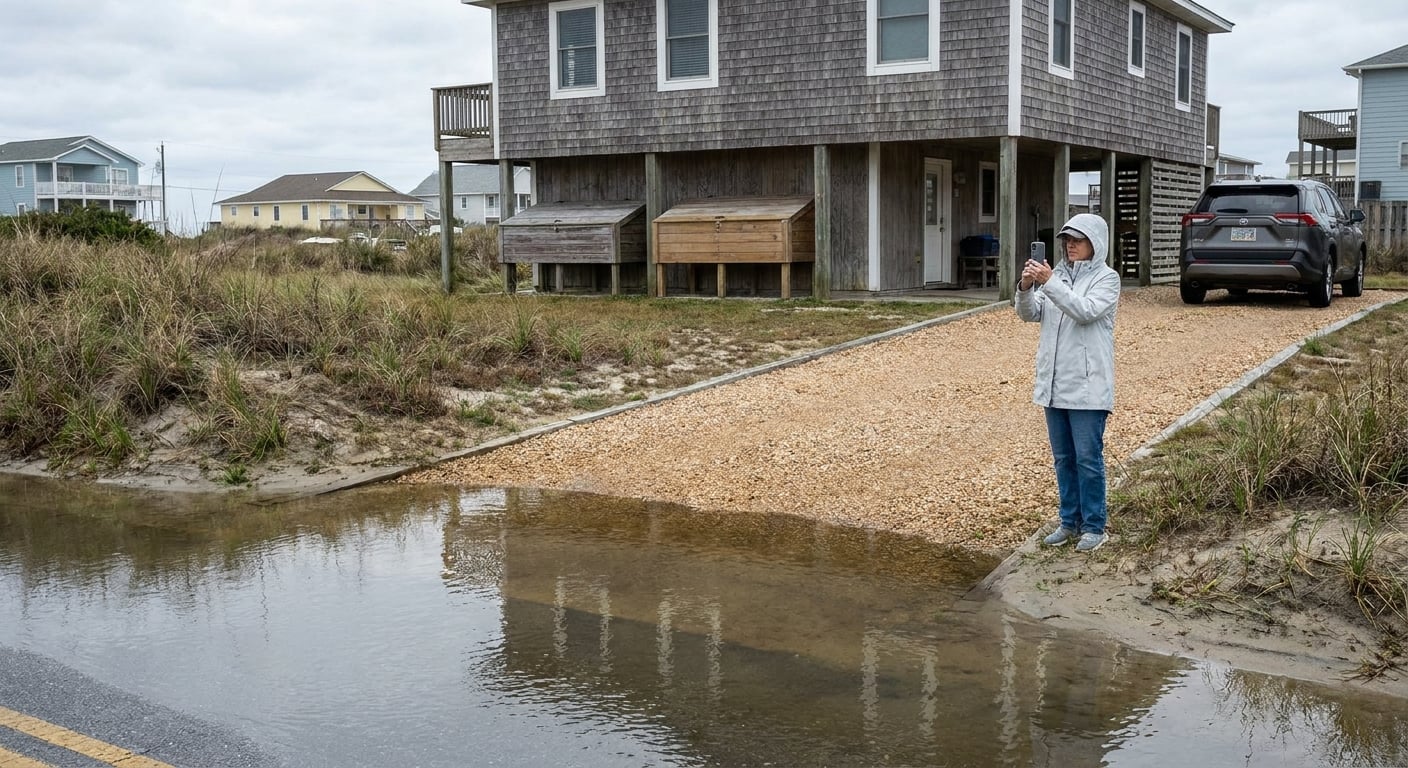
If you own property in Carolina Beach, you already know the water has a personality of its own. Most of the time, that's part of the charm. But a few times a year, usually around a full moon in fall, that charm turns into standing water on Canal Drive and a text from your neighbor saying the road is closed again.
That's exactly what happened in late October 2026. Town officials warned residents about elevated king tides expected to push water onto streets from October 24 through October 31, with Canal Drive, Florida Avenue, and Carolina Beach Avenue North among the commonly affected areas. Road closures were possible, and officials specifically cautioned that saltwater can damage vehicles.
If you're thinking about selling, or you're already in the process, a week like this raises real questions. What do you document? What do you say to buyers? Does it actually move the needle on value? Let me walk you through what I've seen work.
Key Takeaways
King tides are predictable, not emergencies. They follow the lunar calendar and affect coastal communities throughout Southeastern North Carolina every year.
Street flooding and home flooding are not the same thing. Water on the road does not automatically mean water in the house.
Documentation is one of the best things you can do as a seller. Dated photos and a simple written log protect you when buyer questions come up.
North Carolina's seller disclosure form was updated July 1, 2024 with expanded flood-related questions. Your answers are based on what you actually know.
One tide event is not a long-term value signal. Property-specific history and comparable sales tell a more accurate story.
Move vehicles before water rises, not after roads are closed. Saltwater corrosion is real, and insurers may not cover damage if a closure was already in place.
Flood zone and flood insurance cost are specific to each property. Your neighbor's situation does not predict yours.
What Do King Tide Warnings Mean in Southeastern North Carolina?
A king tide is not a storm. It is the highest predicted tide of the year, driven by the sun and moon lining up in a way that amplifies the normal tidal range. Add slightly elevated background sea levels, a bit of wind, or saturated ground from recent rain, and you can get water in places that stay dry on a typical high tide.
That pattern is not unique to Carolina Beach. Coastal communities across Southeastern North Carolina, including Carolina Beach, Kure Beach, Wrightsville Beach, parts of Wilmington near the Intracoastal Waterway, Southport, and other low-lying waterfront areas, can all experience nuisance flooding during king tide cycles. Barrier islands, tidal creeks, canal-front neighborhoods, and low-elevation roads are usually the first places where water shows up.
What varies is how each town experiences it. In some places, the issue is road access. In others, it is ponding near storm drains, marsh edges, or canal systems that lose drainage efficiency when tide levels are already high. Local topography, drainage infrastructure, and lot elevation all shape what a king tide looks like from one neighborhood to the next.
What sets king tides apart from hurricane flooding is that they are scheduled. Tide calendars are published in advance, and local officials often issue warnings when water levels are expected to affect roads or access points. Fall typically brings some of the highest readings, especially when the lunar cycle lines up with seasonal weather patterns.
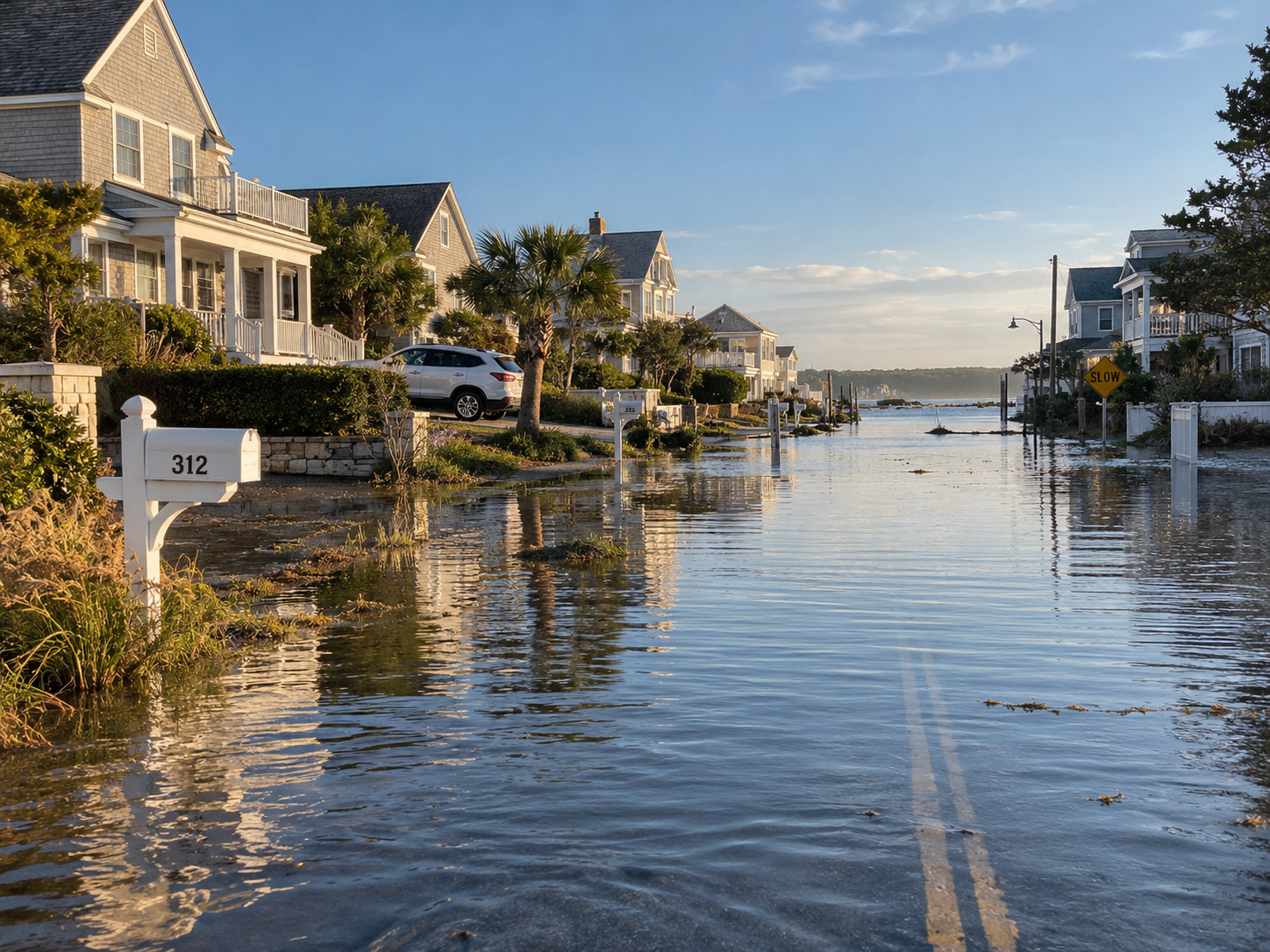
The big takeaway for sellers is this: water on a nearby road does not automatically mean water entered the home. The gap between street flooding and structural flooding can vary block by block, lot by lot, and house by house. Context matters.
How Can Coastal Sellers Protect Their Property?
The preparation that actually helps is the kind you do before the water arrives, not during.
Vehicles are the most immediate concern. Saltwater corrosion does not always show up right away, but it shows up eventually. If officials close a road and you drive around a barricade anyway, you are taking on real risk, and your insurance coverage may not back you up. Moving cars to higher ground before tides peak is one of the simplest and smartest calls you can make.
For ground-level storage, here is where I would focus first:
Cardboard boxes and paper: Get them off the floor or out of the garage entirely
Power tools and batteries: Saltwater and electronics do not mix
Seasonal items stored under the house: Elevate or relocate anything that cannot handle moisture
Vehicles, boats, and trailers: Move them before roads close, not after
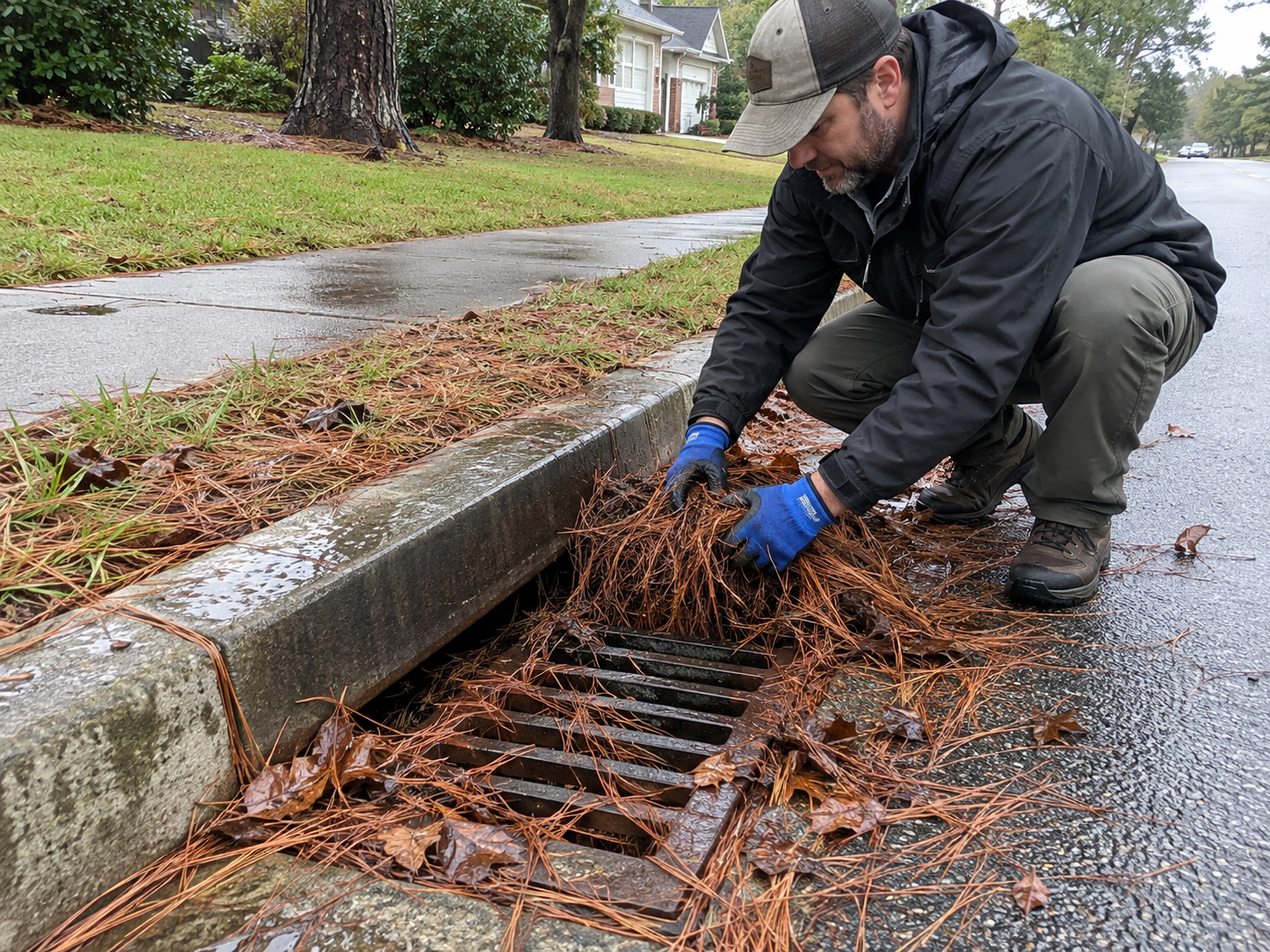
Drainage is worth checking before water rises too. Gutters, downspouts, and accessible private drains can become problems quickly during a king tide because when receiving water is already high, drainage slows no matter how clear your pipes are. If you notice blocked public drains or trouble spots near your property, report them to your town or city ahead of time.
This applies whether your home is on a barrier island, along a canal, near a marsh, or close to tidal water inland. The exact pressure points may differ by location, but the goal is the same: protect access, reduce exposure, and document conditions early.
What Should Sellers Record After Street Flooding?
This is honestly where I see most homeowners leave themselves exposed, not because anything bad happened to their property, but because they did not write anything down.
When water shows up in your neighborhood, take a few minutes and capture the following:
Date and time of what you observed
Where the water was relative to your property line, driveway, dock, or another fixed reference point
Approximate depth against something consistent
Whether your yard, driveway, garage, or building stayed dry
How long the water was there before it receded
What the weather was doing at the time
Photos from a consistent vantage point across multiple events are far more useful than a few scattered shots. Keep them organized by date alongside your other home records.
Beyond photos, hold onto repair invoices, permits pulled for drainage or grading work, and any insurance correspondence. If your town maintains a tide gauge, flood alert page, or local reporting resource, that can provide a helpful point of reference too. Just remember that regional tide data and your property observations are two separate data points.
When a buyer eventually asks about water history, a clear, dated record is a much stronger answer than "it flooded once but it was fine." Specifics build trust. Vague answers create doubt.
How Should King Tides Affect Photos and Showings?
If you are listing or close to it, a king tide week is a scheduling issue, not a crisis. Temporary road flooding can delay photography, inspections, and showings in many coastal parts of Southeastern North Carolina. Building some flexibility into your timeline during high-tide season just makes things smoother.
On the photography side, the honest approach is always the right one. Aerial and drone work is powerful for coastal properties, and it shows the area as it looked at the time of the shoot. If conditions were wet, either reschedule or be upfront about what the photos reflect. Editing out standing water or timing visuals to contradict documented flood history creates problems down the road, both with buyers and with your disclosure obligations.
Strong presentation means showing the property accurately and compellingly. Those goals work together, not against each other.
How Can Sellers Discuss Flood Questions With Buyers?
Buyer questions about flooding tend to fall into two categories: what does the neighborhood typically do, and what has this specific house experienced. Those are different conversations, and it helps to treat them that way.
For the neighborhood, you can speak generally about tidal patterns, king tide seasons, and which streets, access roads, or low-lying areas tend to see water. That is public knowledge, and it is part of what any informed buyer should understand before purchasing in a coastal or tidal part of Southeastern North Carolina.
For your specific property, your answers are based on what you actually know. North Carolina's Residential Property and Owners' Association Disclosure Statement includes flood-related questions. The standard is your actual knowledge, not guesswork. If you are unsure how to answer something specific, an attorney familiar with NC real estate disclosure is the right resource.
As your agent, my job is to help you understand what is material and how to present your property's history clearly. In my experience, sellers who lead with transparency tend to build more buyer confidence, not less.
King Tide Calendar | 2027–2028
Southeastern North Carolina • Wilmington, beaches, and surrounding coastal communities
2027
Official 2027 king tide windows
- June 4–6
- July 2–5
- July 31–August 3
- August 28–September 5
- September 26–October 4
These are statewide planning windows based on the North Carolina King Tides Project's 2027 calendar, not predicted flood dates for an individual town. Blue dates reflect the project's separate category of expected higher and lower water events; some dates overlap orange king tide days. Weather, wind, rainfall, and location affect actual water levels.
Sources: NC King Tides Project and Official 2027 PDF. For flooding risk, consult NOAA and local NWS alerts.
Check out this article next