

Summary: Some U.S. housing markets are showing signs of elevated risk due to declining affordability, rising foreclosure activity, and investor pullback. Recent data highlights specific regions where price corrections or distress may occur. Wilmington, NC, continues to show more balanced conditions due to steady demand, lifestyle-driven migration, and controlled inventory levels. Understanding these national trends helps buyers and sellers make more informed decisions locally.
What Are the Riskiest Housing Markets in the U.S. Right Now?
Recent national data points to a growing divide between stable markets and those showing signs of stress. Two major indicators are driving concern:
- Affordability pressure – when home prices outpace income growth
- Foreclosure activity – a sign of financial strain among homeowners
According to recent market analysis:
- Some Sun Belt markets that saw rapid price growth during the pandemic are now cooling
- Areas with heavy investor activity are experiencing pullback and price adjustments
- Markets with high insurance costs and property taxes are seeing increased financial pressure
This doesn’t mean a nationwide crash is imminent. Instead, it signals that real estate is becoming more localized, with some markets correcting while others remain stable.

Which States and Cities Are Seeing the Most Risk?
Data from foreclosure tracking and investment analysis highlights several regions with elevated risk levels.
Markets with Rising Foreclosure Activity
- States like California, Florida, Texas, and Illinois consistently rank high in total foreclosure activity due to population size
- On a percentage basis, states such as New Jersey, Delaware, and Nevada often show higher foreclosure rates
- Urban areas with high cost of living are seeing increased financial strain among homeowners
Some states, including South Carolina, rank higher when foreclosure activity is measured as a percentage of homes, rather than total volume. This highlights localized financial pressure, even in smaller markets.
Overall, foreclosure activity remains below the levels seen during the 2008 housing crisis, but the trend is worth watching.
Markets Flagged for Pricing Risk
Some markets identified as higher risk share similar characteristics:
- Rapid home price appreciation from 2020–2022
- Declining buyer demand due to higher mortgage rates
- Heavy reliance on investor purchases
Examples often include:
- Parts of Arizona (Phoenix metro)
- Areas of Nevada (Las Vegas)
- Segments of Florida where insurance costs have surged
In these areas, price reductions and longer days on market are becoming more common.
Why Are These Markets Becoming Riskier?
Several key factors are contributing to increased risk across certain U.S. housing markets.
1. Affordability Has Reached a Breaking Point
- Mortgage rates have significantly increased monthly payments
- Home prices remain elevated compared to pre-2020 levels
- Wage growth has not kept pace in many areas
This combination reduces the number of qualified buyers, slowing demand.
2. Investor Activity Is Slowing
- Investors were a major driver of price growth during the pandemic
- Higher borrowing costs have reduced investor purchases
- Short-term rental regulations in some markets are impacting returns
When investors pull back, inventory can rise quickly.
3. Insurance and Ownership Costs Are Increasing
- Property insurance premiums have risen sharply in coastal and storm-prone areas
- Property taxes have increased in rapidly appreciating markets
- Maintenance and construction costs remain elevated
These added costs can push homeowners into financial strain.

How Does Wilmington, NC, Compare to These Riskier Markets?
Wilmington, NC, has experienced strong growth, but it differs from many higher-risk markets in several important ways.
1. Demand Is Driven by Lifestyle, Not Speculation
- Coastal living, proximity to beaches, and access to downtown amenities drive buyer interest in primary and second homes
- Many buyers are relocating for long-term residency rather than short-term investment
- Steady in-migration supports consistent demand
This reduces volatility compared to investor-heavy markets.
2. Inventory Remains Relatively Balanced
- While inventory has increased slightly, it is not oversupplied
- New construction is active but not outpacing demand dramatically
- Homes that are priced correctly are still moving
This balance helps stabilize pricing.
3. Foreclosure Rates Remain Manageable
- North Carolina does not rank among the highest states for foreclosure rates
- Local foreclosure activity remains relatively low compared to national hotspots
- Stronger lending standards since 2008 have reduced risk overall
This suggests fewer distressed sales impacting home values.

What Risks Should Buyers and Sellers Watch in Wilmington, NC?
While Wilmington, NC, is not considered a high-risk market, there are still factors to monitor.
Insurance Costs in Coastal Areas
- Wind and flood insurance can impact affordability
- Costs vary depending on proximity to water and elevation
- Buyers should review insurance quotes early in the process
Interest Rate Sensitivity
- Higher rates can reduce buyer purchasing power
- This may lead to longer days on market for some homes
- Pricing strategy becomes more important
Property-Specific Pricing
- Homes that are overpriced may sit longer
- Updated and well-maintained homes tend to perform better
- Location within Wilmington still plays a major role
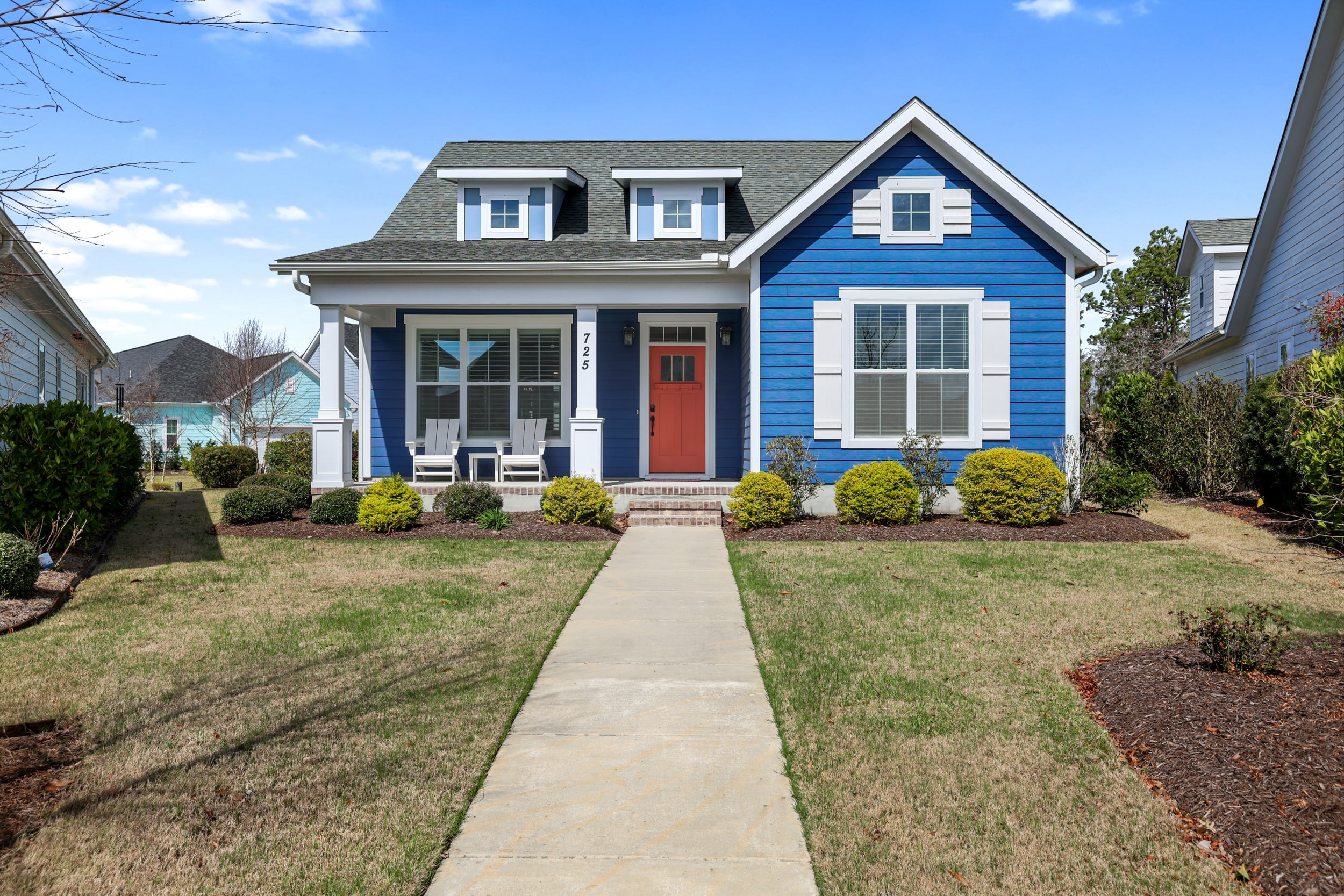
725 Wharton Avenue, Wilmington, NC 28412 | RiverLights
What Does This Mean for Buyers in Southeastern North Carolina?
For buyers, this evolving market presents opportunities.
- Less competition compared to peak pandemic years
- More negotiating power in certain price ranges
- Ability to take time and make informed decisions
However, preparation is key:
- Get pre-approved before starting your search
- Understand total monthly costs, including insurance
- Work with a local expert who understands neighborhood-level trends
What Does This Mean for Sellers in Wilmington, NC?
Sellers need to adapt to a more strategic market.
- Accurate pricing is critical from day one
- Homes need to show well and be market-ready
- Marketing and exposure matter more than ever
Today’s market rewards preparation, not speculation.
For more insight into local market trends, visit our Wilmington area pages or explore our latest blog content on TheCameronTeam.net.
F.A.Q. About Housing Market Risk
What does housing market risk mean for me as a Wilmington homeowner?
Housing market risk refers to the likelihood of declining home values, slower sales, or financial strain in a given area. In Wilmington, NC, conditions remain relatively stable compared to higher-risk markets, but pricing and timing still matter. Homeowners should stay informed about local trends and adjust expectations based on current conditions.
How does national housing risk affect home values in coastal North Carolina?
National trends can influence buyer confidence and mortgage rates, which impact affordability. However, Wilmington, NC, is less tied to speculative investment trends and more driven by lifestyle demand. This helps insulate the area from sharp price swings seen in some markets.
Are there unique insurance or inspection considerations in Wilmington, NC?
Yes. Coastal properties may require wind and flood insurance, which can significantly impact monthly costs. Inspections should also evaluate moisture, roofing, and structural integrity due to the coastal climate. These factors are important for both buyers and sellers to understand early.
When is the best time to buy or sell in a shifting market?
Timing depends on your goals, not just market conditions. Buyers may find more opportunities when competition is lower, while sellers can still succeed with proper pricing and preparation. In Wilmington, NC, steady demand allows for flexibility throughout the year.
Who should I talk to if I’m unsure how these trends affect me?
A local real estate expert can provide guidance based on current data and neighborhood-specific trends. The Cameron Team helps buyers and sellers navigate market shifts with a strategy tailored to Wilmington, NC, and Southeastern North Carolina.
Check out this article next