Key Takeaways
Wilmington's market is giving buyers more breathing room, with 1,546 active listings in June 2026, up from 1,470 in May, according to June 2026 Wilmington market data.
Homes are still holding value. The median sold price was $479,000, and sellers received about 98.6% of original list price, so this is not a crash story.
Homes also took longer to sell, with median days on market at 52, which gives you more time to compare options, ask better questions, and negotiate with less pressure.
Leverage shows up differently depending on where you are looking. Entry-level homes can still move quickly, while luxury, second-home, and higher-carry-cost properties often create more room to negotiate.
The best negotiations often happen behind the scenes. Closing cost help, repair credits, and rate buydowns can save you money without changing the headline price.
Monthly payment still matters more than winning a hard bargain. Insurance, flood coverage, HOA dues, and whether the home actually fits your life can outweigh a small price cut.
What Does More Buyer Leverage Mean In Wilmington?
Leverage just means you have more room to breathe. You can schedule a second showing without worrying someone else will swoop in with a cash offer while you are thinking it over. You can ask questions about the roof, the crawlspace, or the flood zone without feeling like you are about to lose the house. You can compare a few more homes before deciding.
It does not mean prices are crashing or that every seller will take a low offer. It means the frenzy is over. The days of waiving inspections, paying well over asking, and competing against multiple buyers on the same afternoon are far less common than they were a few years ago.
According to the June 2026 Wilmington market report, Wilmington had 1,546 active listings in June 2026, up from 1,470 in May. The median sold price was $479,000, the median days on market was 52, and sellers received 98.6% of original list price. Those numbers point to a market where buyers have more options and more time, even while pricing remains relatively stable.
Metric | Wilmington Snapshot | Why It Matters |
|---|---|---|
Active listings | 1,546 | More options, less panic |
Median sold price | $479,000 | Values are still holding overall |
Median days on market | 52 | More time to evaluate |
Sold to original list ratio | 98.6% | Sellers still have to price realistically |
For you, this means you can take your time. You can think through whether the layout works, whether the school zone fits, whether the commute makes sense. That is leverage.
Where Do Wilmington Buyers Have The Most Leverage?
Leverage is not the same everywhere. Some homes still get multiple offers in the first week. Others sit for months. The difference usually comes down to price, property type, location, and condition.
By Price Point
If you are looking under $350,000 in New Hanover, Pender, or Brunswick counties, you may still face competition. Entry-level homes that are clean, updated, and in a good school zone or commute corridor tend to move quickly because payment-sensitive buyers are all competing for the same limited inventory.
Move-up buyers often have more room to work with, especially when homes need updates or have been sitting for a while. If a home has been on the market for 30 or 40 days and the seller has not adjusted the price, that can be a signal there is space to negotiate on terms.
Luxury and second-home buyers usually see the most selective demand. You are weighing lifestyle, maintenance, carrying costs, and long-term fit. You are not rushing. Marketing times stretch longer, and the gap between what a seller hoped to get and what buyers will actually pay can be wider. That creates leverage, but it also means the process may take longer.
By Property Type
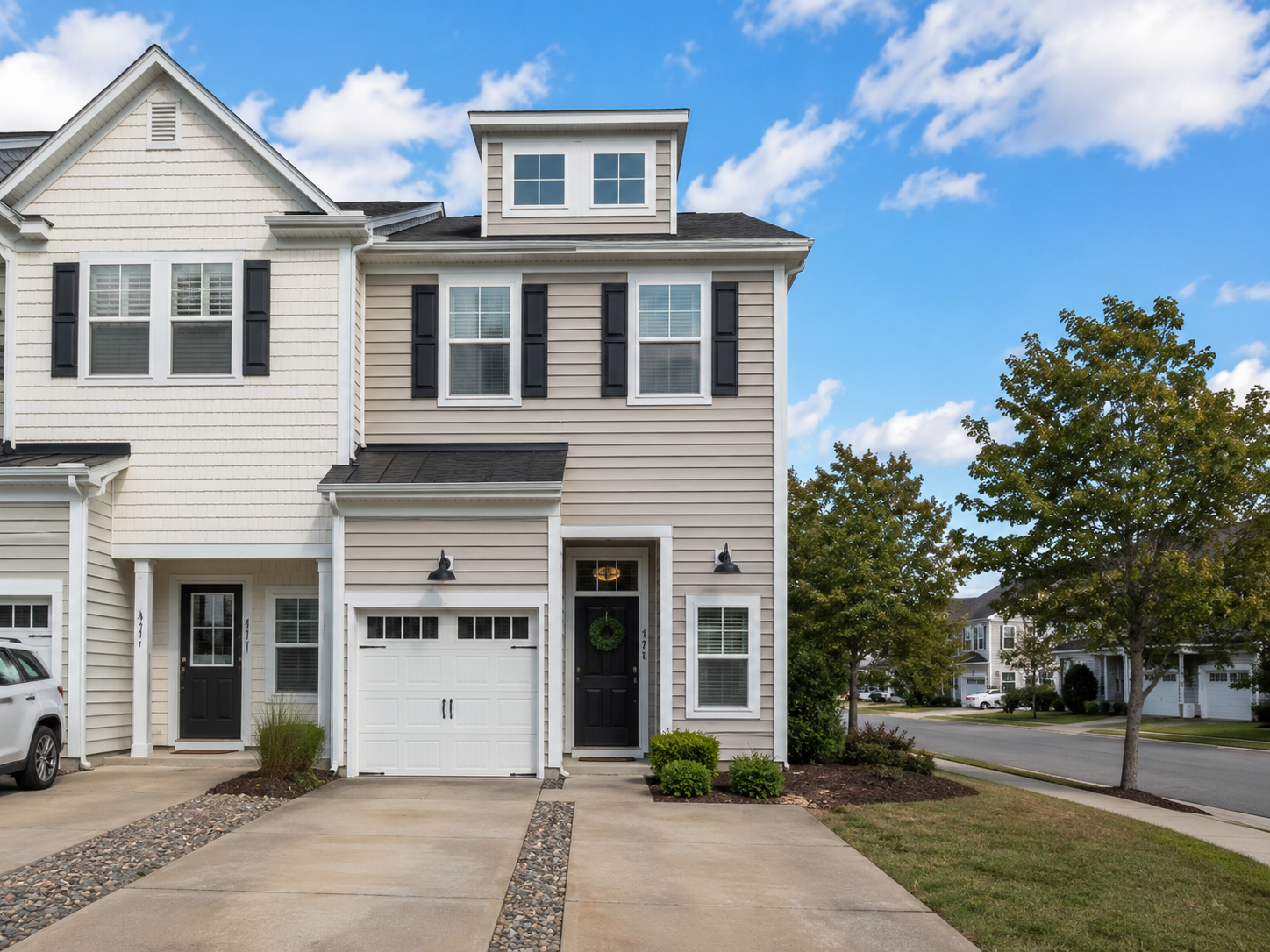
Condos and townhomes often offer more leverage when HOA dues, insurance questions, or rental rules narrow the buyer pool. If a condo has high dues or a special assessment coming, buyers will often ask for a price adjustment or closing cost help to offset that concern.
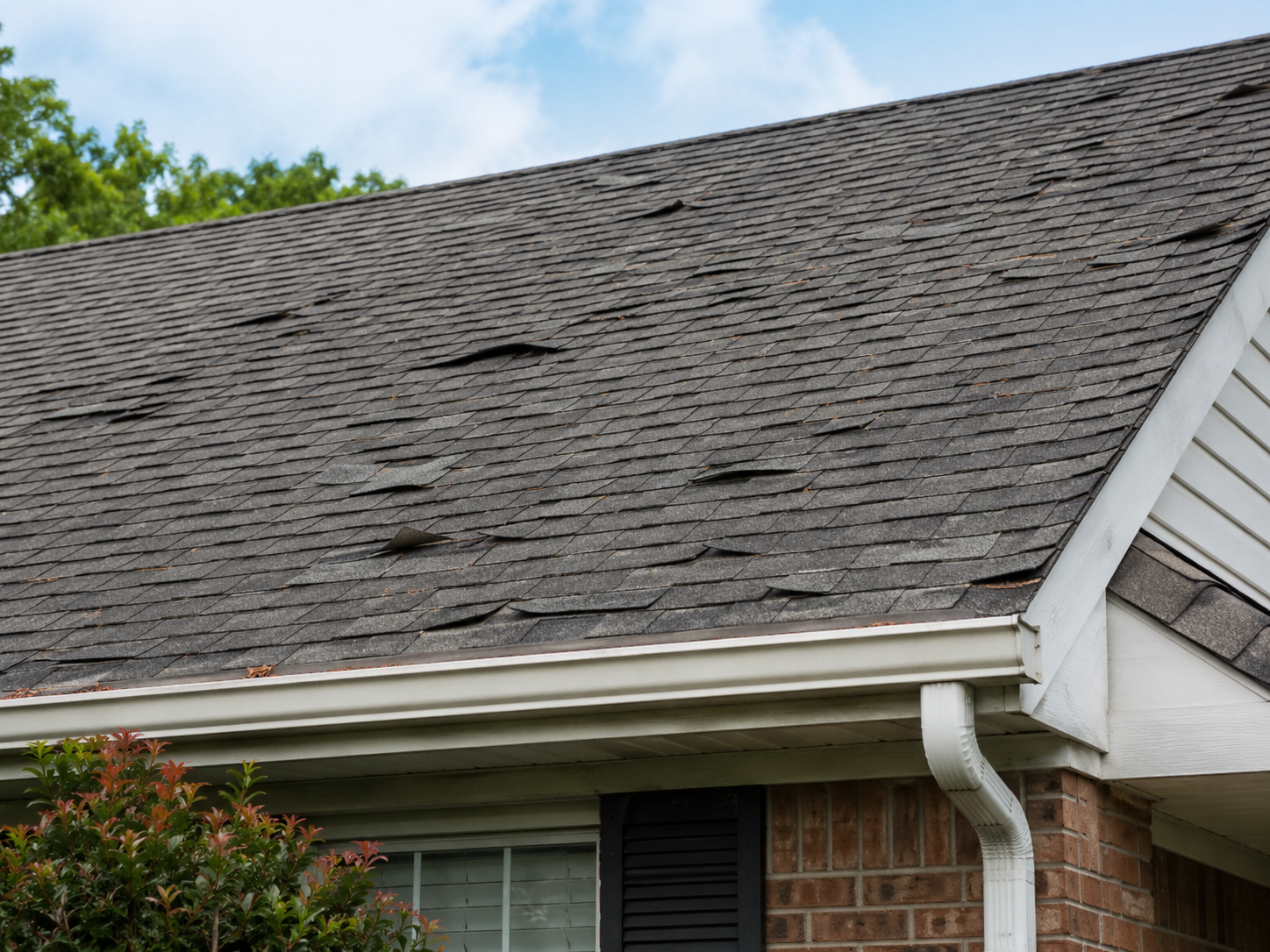
Resale homes with deferred maintenance can create stronger opportunities for credits. If the roof is aging, the HVAC is original, or the deck needs work, you can often negotiate a credit at closing rather than asking the seller to fix everything before you buy. That can be cleaner for both sides.
New construction can be a major leverage lane when builders prefer incentives over headline price cuts. Builders may offer to pay closing costs, buy down your rate, include upgrades, or cover HOA dues for a year. Those concessions add up quickly, and they are often easier to get than a direct price reduction.
Wilmington continues to process ongoing building activity through its county-issued permit system, which helps explain why you are seeing more choices in some corridors, especially in Leland, northern New Hanover County, and parts of Pender County near Hampstead and Surf City.
By Location And Lifestyle
Wilmington and Leland offer stronger comparison shopping because there is more inventory. If you are looking in these areas, you will likely have more homes to choose from, which gives you more negotiating room.
Hampstead and school-driven areas may see leverage narrow for well-kept homes tied to popular attendance patterns. Families searching around Topsail, Pender, or South Brunswick school zones often move quickly when they find a home that checks the boxes, so competition can still be real in those pockets.
Beach and waterfront buyers may gain negotiating room, but carrying costs matter more here than inland. Flood insurance, wind and hail coverage, HOA dues, and maintenance all add to the monthly payment in ways that change what you are willing to pay upfront. That creates leverage, but it also means you need to understand the full cost picture before you make an offer.
Golf and retirement communities can see resale competition versus new construction. If a community has active new-home sales, resale sellers may need to price more competitively or offer concessions to attract buyers who are comparing their home against a brand-new option down the street.
ILM set a 1,465,869-passenger record in 2024, which shows relocation and second-home interest is still strong. Buyers are still coming, but they are coming with more time and more choices than they had a few years ago.
What Should Buyers Ask For In A More Balanced Market?
The best negotiations often happen behind the scenes. A seller may hold firm on the list price but agree to pay $5,000 toward closing costs, cover a home warranty, or give you a credit for the roof. Those concessions can be just as valuable as a price reduction, and sometimes they are easier to get.
Price Reductions
Price reductions make sense when a home is lingering, competing with similar active inventory, or clearly overpriced against recent sales. If a home has been on the market for 60 days and the seller has not adjusted, that is often a sign the pricing is not aligned with the current market.
Price reductions are less reasonable when the home is updated, scarce for its niche, or newly listed in a high-demand pocket. If a home just hit the market and it is in great shape, the seller may not have much motivation to negotiate yet.
Closing Cost Help
Closing cost help is especially relevant for first-time and payment-sensitive buyers who need to preserve cash. If you are putting 3% or 5% down, a seller credit of $3,000 or $5,000 can reduce the amount you need to bring to closing without changing your loan amount or monthly payment.
In some cases, you may offer full price or close to it in exchange for the seller covering part or all of your closing costs. That can be a win for both sides.
Repair Credits
Repair credits work best for roofs, HVAC, moisture issues, windows, decks, crawlspace concerns, or aging systems common in coastal housing. If the inspection turns up a $6,000 roof issue, you can ask for a $6,000 credit at closing rather than asking the seller to replace the roof before the sale closes.
Credits give you control over the work, the contractor, and the timing. They also reduce the chance the transaction falls apart over repair disputes.
Rate Buydowns
Rate buydowns can make sense when seller funds work harder reducing your monthly payment than trimming a small amount off the price. If a seller agrees to contribute $5,000 toward a rate buydown instead of reducing the price by $5,000, you may save more over the first few years of the loan.
This strategy works especially well when rates are higher and you are payment-sensitive. A small reduction in the interest rate can make a meaningful difference in affordability.
What Still Matters More Than Negotiating Hard?
More leverage does not fix a bad house, a bad location, or a bad payment. If the home does not fit your needs, no amount of negotiation will make it the right choice.
Monthly Payment
The monthly payment is the number that matters most. It includes principal, interest, property taxes, homeowners insurance, HOA dues, flood insurance, and maintenance reserves. All of those costs can vary significantly depending on the home, the location, and the property type.
Cost Line | Why It Changes The Decision |
|---|---|
Taxes | Vary by county and municipality |
Insurance | Coastal exposure can shift costs significantly |
HOA dues | Especially important for condos and lifestyle communities |
Flood insurance | Required in some zones, optional in others, but often necessary |
You might focus on the purchase price without fully understanding how much the home will cost to own. That can lead to surprises after closing, especially if insurance or flood coverage is higher than expected.
Insurance And Flood Exposure
Standard homeowners policies often do not cover flood, and some coastal buyers may need separate wind or hail coverage, per the NC Department of Insurance. That can add hundreds or even thousands of dollars to your annual cost of ownership.
NOAA's Wilmington gauge tracks growing high-tide flooding exposure through its local inundation outlook, which is useful context for waterfront, riverfront, and low-lying coastal searches. If a home is in a flood zone, get a flood insurance quote before making an offer. That way, you know the full cost picture upfront.
Layout And Long-Term Fit
The right floor plan, storage, guest space, first-floor living, and lower-maintenance exterior may matter more than winning a hard negotiation. If the home does not work for your daily life, a $5,000 price reduction will not fix that.
For families, fit often ties to school patterns, commute flow, and activity hubs, not just square footage. A home with a great layout in a convenient location may be worth paying a little more for, even in a market where you have leverage.
When Should Wilmington Buyers Still Move Quickly?
Even in a more balanced market, some homes still deserve a fast response. If a home is move-in ready, priced correctly, and in a favored location or school search area, you may not have as much time to think it over.
Inventory is broadly higher, but the specific niche can still be thin. True waterfront, updated homes near Wrightsville access, low-maintenance patio homes, or standout homes in established communities like Landfall, Brunswick Forest, St. James, or RiverLights can still move quickly when they hit the market.
Infrastructure improvements like the Eastwood/Military Cutoff interchange project continue to shape how buyers think about access, congestion, and long-term convenience in key submarkets. Homes near those improvements may hold value better or attract more interest, which can reduce your leverage.
Why Local Guidance Matters More In A Balanced Market
More choices can improve decision-making, but they can also create noise. When you have 50 homes to look at instead of five, it can be harder to know which ones are actually good opportunities and which ones are just sitting for a reason.
Good guidance means identifying where leverage is real versus imagined. A home that has been on the market for 90 days may be overpriced, or it may have a title issue, a moisture problem, or a layout that does not work for most buyers. A home that has been on the market for 10 days may be priced right, or it may have just launched at the wrong time of year.
Local pattern recognition matters. Which communities are seeing stale inventory? Which builders are offering incentives? Where do flood or insurance questions deserve extra scrutiny? Where is a "deal" simply deferred maintenance? Those are the kinds of questions experience helps answer.
Balanced conditions reward prepared buyers, not passive buyers. If you are ready to act, you understand your budget, you have a lender lined up, and you know what you are looking for, you can take advantage of the leverage that exists without missing the homes that are still worth moving on quickly.
Check out this article next