
Key Takeaways
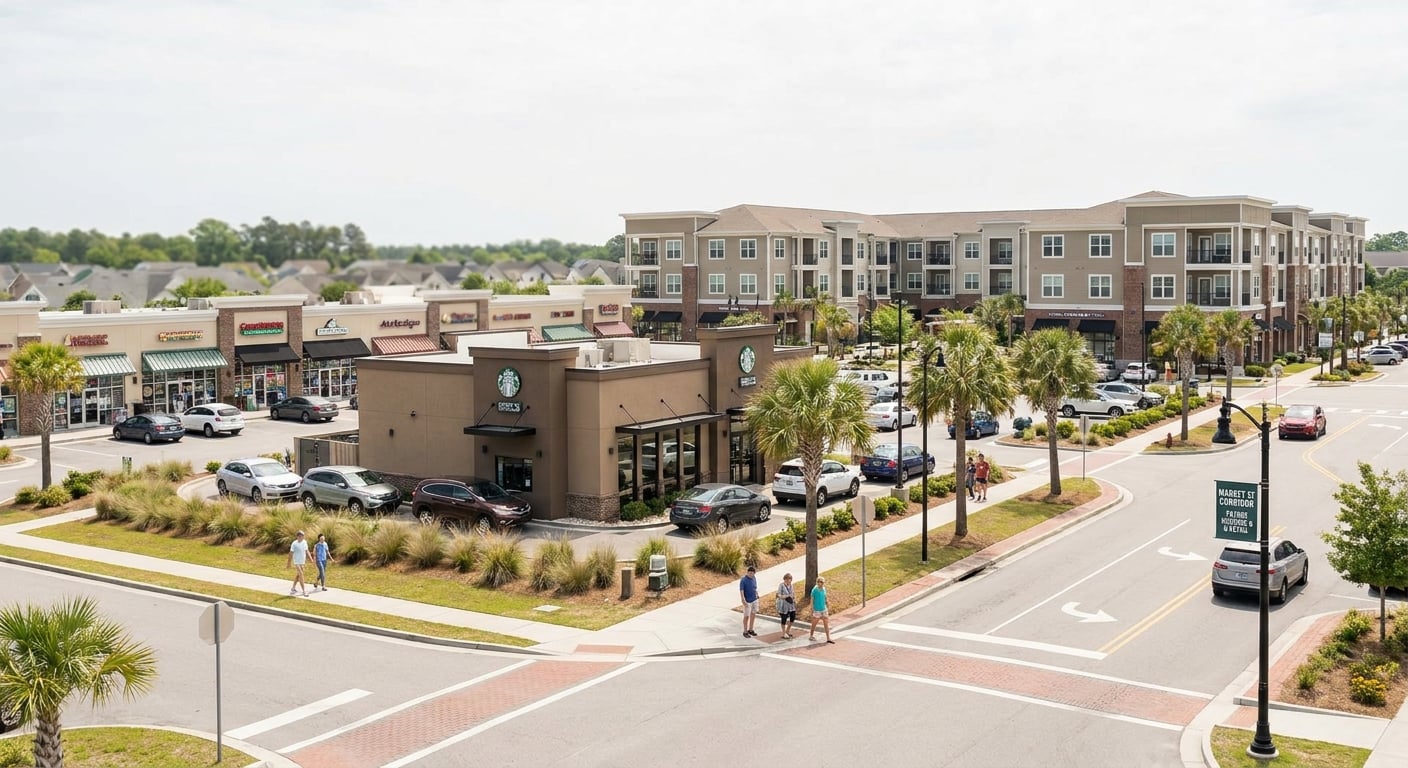
When a national brand like 7 Brew plans a second Wilmington location on Market Street, it's not just about coffee. It's a signal that traffic counts, household density, and consumer spending are strong enough to justify repeat investment.
Wilmington's retail vacancy was just 1.4% in Q1 2026, well below historical averages. That tells you retail space is scarce and landlords can be choosy about tenants.
Low vacancy typically reflects sustained population growth and real consumer demand, not just seasonal beach traffic or short-term buzz.
For buyers, new retail means more convenience and shorter errands, but it can also mean busier roads, longer waits at traffic lights, and a different neighborhood feel.
For sellers, retail growth can add to your home's story around convenience and momentum, but it works better as honest context than as hype.
Market Street, Military Cutoff, Eastwood, and parts of Leland and Hampstead are seeing the most activity right now, though proximity doesn't always mean benefit.
Why A Second 7 Brew Matters Beyond Coffee
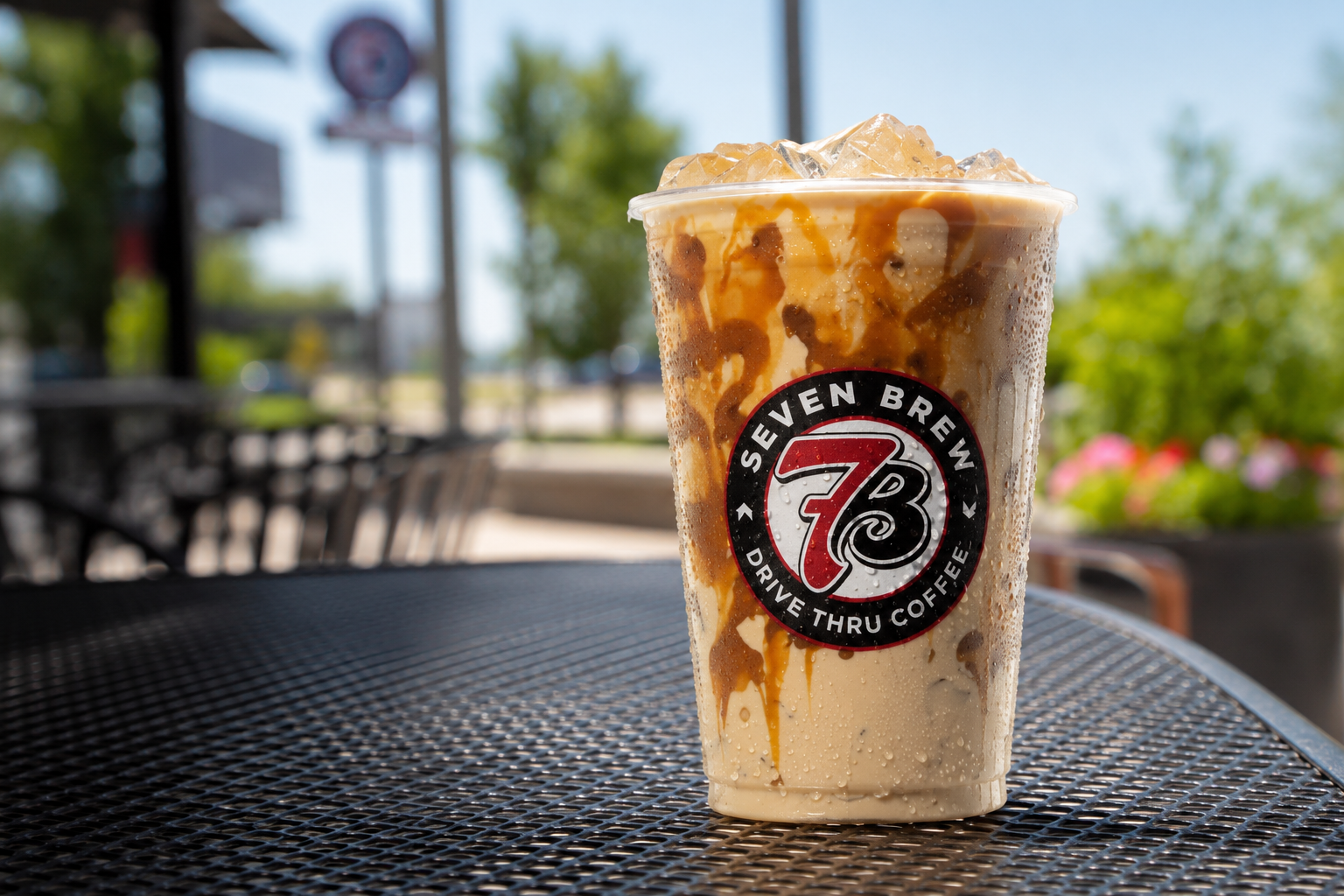
I'll be honest. When I first saw the news about a second 7 Brew coming to Market Street, my first thought wasn't about coffee. It was about what that decision says about where Wilmington is headed.
National chains don't expand on a whim. They look at traffic counts, rooftop density, visibility, and whether there are enough people driving past every day to keep a drive-thru busy. When a brand decides to open a second location in the same market, it's because the numbers are there.
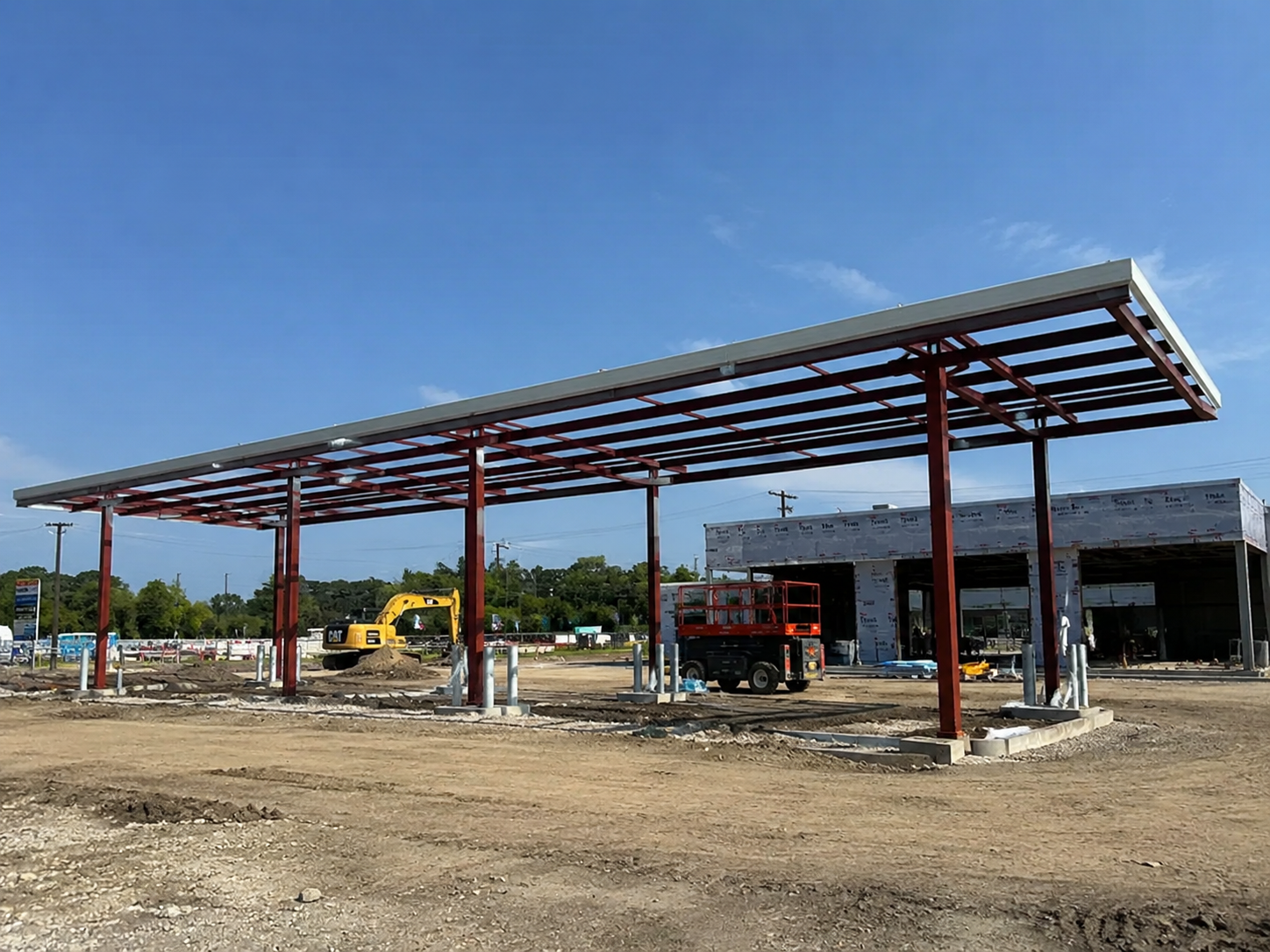
This new 7 Brew is planned for 4507 Market Street, with an expected opening in early 2027. The site sits near other convenience-oriented retail, and the company specifically pointed to traffic and proximity as reasons for choosing the spot. That kind of language tells you they've already done the math.
For buyers, this is useful information. It means the corridor is producing the kind of daily activity that supports repeat business. It means there are enough households nearby to justify the investment. And it means other brands are probably watching the same data.
For sellers, it's a signal that your neighborhood's amenity base is deepening. You're not just near one coffee option. You're near a corridor that's attracting national attention and repeat expansion. That's the kind of detail that helps frame a listing without overstating it.
What Tight Retail Vacancy Says About Wilmington Demand
One coffee shop is a data point. A 1.4% retail vacancy rate is a pattern.
When retail space is that tight, it means landlords don't have to settle. They can wait for the right tenant, negotiate stronger lease terms, and be selective about who moves in. It also means new retailers are competing for a limited number of sites, which tends to push lease rates higher and make site selection more strategic.
Here's some context that helps explain why this matters. Wilmington's metro area added population at roughly 2.1% annually since April 2020, and that growth was driven entirely by people moving here. It's not birth rates or seasonal fluctuations. It's households relocating to the area and staying.
Wilmington city's population was estimated at 125,123 in 2024. That's larger than a lot of people realize, and it means the local customer base can support more than just summer beach crowds.
Here's how these numbers connect:
Signal | Latest Figure | Why It Matters |
|---|---|---|
Wilmington retail vacancy | 1.4% | Very limited available retail space |
Metro annual population growth since 2020 | 2.1% | More households mean more retail demand |
Wilmington city population estimate | 125,123 | Larger year-round customer base |
Low vacancy doesn't guarantee every new retail concept will succeed. But it does tell you that brands and landlords see enough demand to justify multi-year commitments and significant build-out costs. That's a vote of confidence in the market.
How Retail Growth Shapes Everyday Life For Buyers
Retail growth can make your day easier. It can also make your commute longer.
When a corridor adds coffee shops, fast-casual dining, convenience stores, and other service retail, the immediate benefit is time. You're not driving 15 minutes for a gallon of milk or 20 minutes for a decent cup of coffee. You're running errands in five minutes instead of half an hour. If you work from home, have kids, or just value your time, that convenience adds up quickly.
I always tell buyers to test drive an area at the times that actually matter in Wilmington commutes. That means morning commute, late afternoon when school lets out, and Saturday mid-morning when everyone's running errands. You'll learn more in 20 minutes of sitting in traffic than you will from any listing description.
NCDOT tracks average daily traffic across Wilmington's major corridors because these roads carry a lot of weight. They're not just neighborhood streets. They're commuter routes, retail spines, and beach access roads all at once. Those traffic counts matter when you're deciding whether a location feels convenient or just congested.
Here's how growth can affect different priorities:
What You Care About | Growth Can Help | Growth Can Complicate |
|---|---|---|
Convenience | Faster errands, more nearby services | Busier access points |
Commute | More route options, closer destinations | Heavier congestion at peak times |
Lifestyle | More dining and daily amenities | Less quiet, more commercial feel |
If you're relocating from a quieter market or moving from a more rural part of the region, spend some real time in the area before you commit. Walk the neighborhood. Drive the route to work. Sit in the left-turn lane at 5:00 p.m. on a weekday. You'll get a much clearer picture of what daily life actually looks like.
Which Wilmington Corridors Show The Strongest Growth Signals
Market Street is the most visible example right now. The new 7 Brew is planned near a 7-Eleven that opened in 2024, a Circle K under construction, and redevelopment happening at the former North 17 Shopping Center site. That's a lot of convenience retail in a fairly short stretch, and it reflects the kind of traffic and household density that attracts repeat investment.
But Market Street isn't the only corridor worth watching.
Eastwood Road and Military Cutoff are also seeing new retail activity. Center Point, a mixed-use project in that area, is bringing its first retail tenants online this summer, along with a 265-unit residential component. That's the kind of development that shifts the feel of a neighborhood. More people living nearby means more demand for coffee, groceries, fitness, and casual dining. More retail means more reasons for people to visit even if they don't live there.
Leland, Hampstead, Rocky Point, and parts of Brunswick County are also on the list. Some of that growth is tied to new residential development. Some of it's driven by improved road access and higher traffic counts. Either way, it's another sign that the region is adding households faster than it's adding retail space.
Not every nearby neighborhood benefits equally, though. Some homes gain convenience and stronger perception. Others mostly deal with the traffic. If you're buying near a growing corridor, it's worth asking whether your home is positioned to enjoy the amenities or just manage the congestion.
What Buyers And Sellers Should Watch Next
For buyers, the key is to watch where retail is repeatable, not one-off. A single coffee shop can close. A corridor with multiple national brands, new construction, and active leasing is harder to dismiss.
Compare the convenience gains against your tolerance for traffic, especially near Market Street, Military Cutoff, and major school or beach routes. Ask whether the corridor actually supports your routine. Can you walk to coffee? Is the grocery store five minutes away or 15 minutes in beach traffic? Does your commute require a left turn across three lanes at rush hour?
Those questions matter more than whether a new restaurant is opening nearby.
For sellers, nearby retail growth can strengthen your listing story, but it works best as honest context. You can talk about convenience, access, and neighborhood momentum without implying guaranteed appreciation. If your home is close to a fast-growing corridor, be ready to answer questions about traffic, noise, and peak-hour congestion. Buyers will ask, and they'll appreciate a straight answer more than a sales pitch.
One detail worth noting: Center Point's first phase retail is delivering this summer 2026. That's happening now, not someday. It's another example of how mixed-use growth is still unfolding across the region, and it's worth factoring in if you're evaluating neighborhoods near Military Cutoff or Eastwood.
Check out this article next