
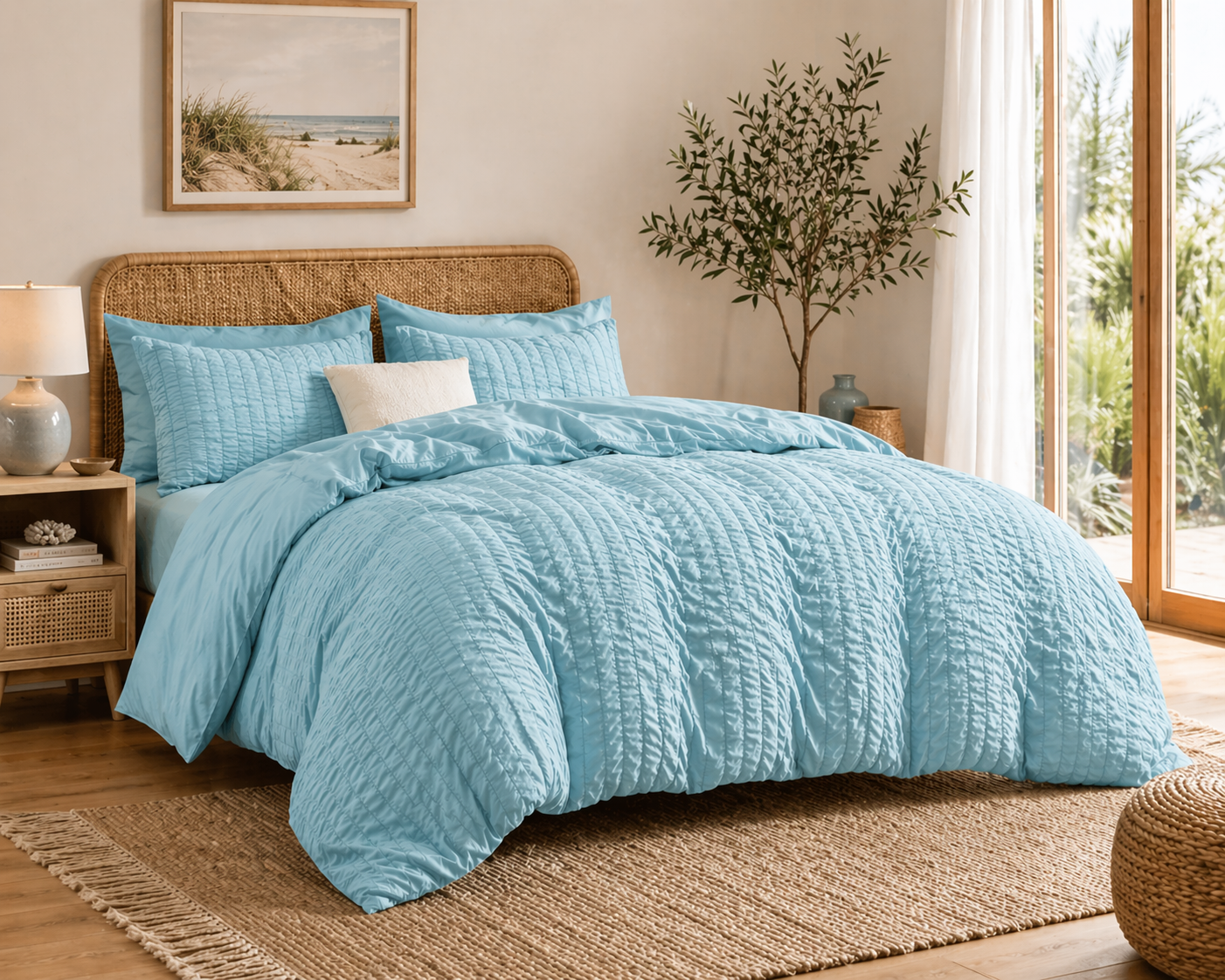
Summary: Coastal Boho home decor blends relaxed beach-inspired design with eclectic, layered bohemian elements. It focuses on natural materials, soft coastal color palettes, and collected textures to create spaces that feel casual, airy, and visually interesting. In Wilmington, NC and Southeastern North Carolina, this style works especially well because it reflects the coastal environment while offering flexibility for personalization. This guide breaks down what defines Coastal Boho decor, how to design it correctly, and how it can influence your home’s appeal and value.
Please note: The Cameron Team has not been paid or received any other compensation to include any of the products featured on this post, but the author has included affiliate links and content. If you click on a link, they may earn a commission – a high-five for great content!
What is Coastal Boho Home Decor?
Coastal Boho (short for “bohemian”) is a hybrid design style that merges two well-established aesthetics:
- Coastal design — light, airy spaces inspired by the beach
- Bohemian design — layered, eclectic interiors with global influences
Together, they create a look that feels:
- Relaxed but intentional
- Textured rather than minimal
- Collected rather than overly coordinated
Unlike traditional coastal decor, which can lean heavily into nautical themes, Coastal Boho avoids overly themed elements like anchors or seashell overload. Instead, it focuses on natural materials, soft tones, and subtle coastal influence.
What Colors Define Coastal Boho Style?
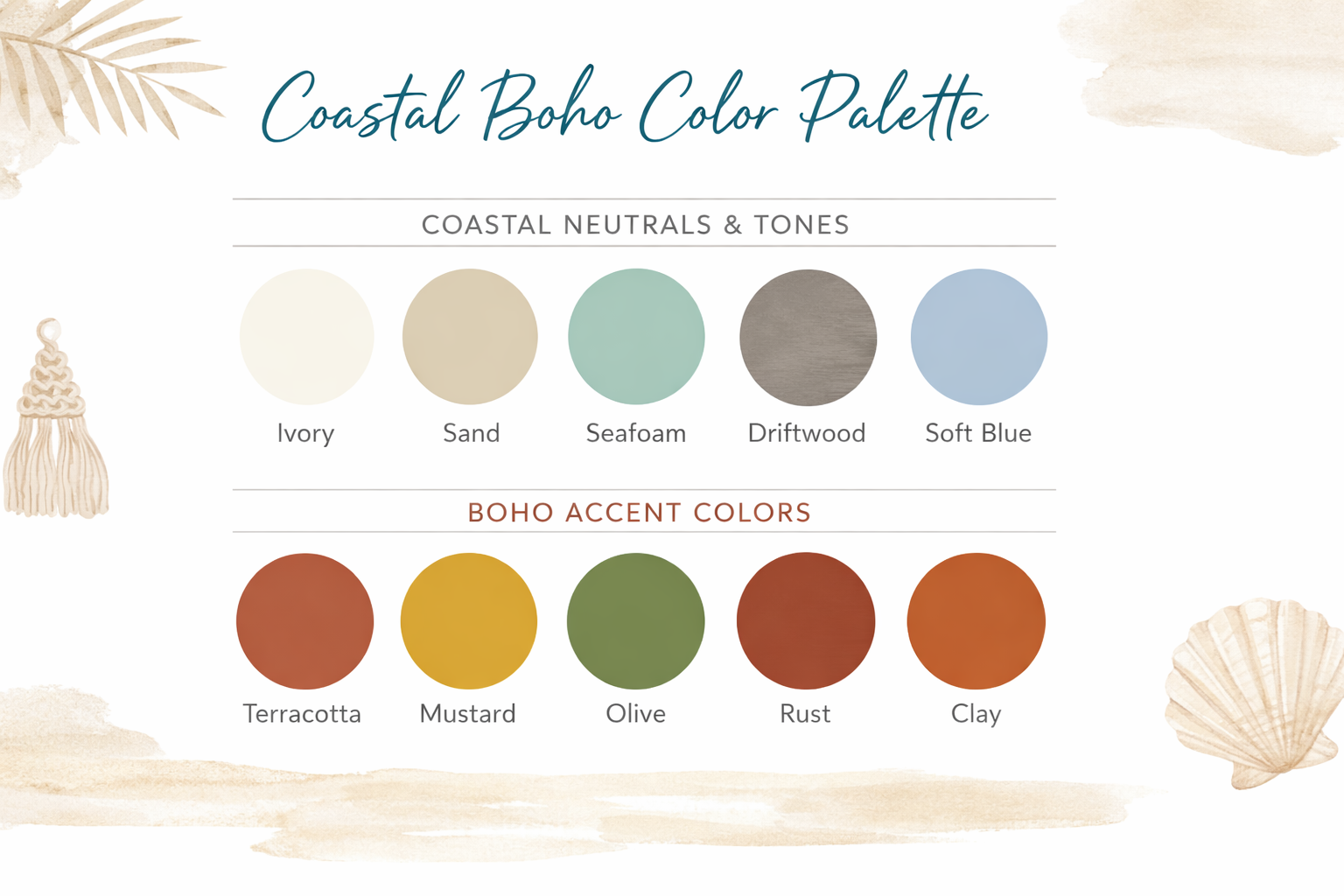
The color palette is one of the easiest ways to identify Coastal Boho decor. It combines neutral coastal tones with warmer, earthy accents.
- Base neutrals: white, ivory, soft beige, sand
- Coastal tones: muted blues, seafoam green, driftwood gray
- Boho accents: terracotta, rust, clay, mustard, olive
In Wilmington, NC homes, these colors work especially well because they reflect the natural surroundings—beaches, marshes, and coastal light.
Pro Tip: Keep walls light and neutral, then layer in color through textiles like pillows, rugs, and throws. This makes it easier to update over time.
What Materials and Textures Are Used?
Texture is what separates Coastal Boho from standard coastal design. Instead of relying on clean lines alone, this style builds depth through layered materials.
- Natural fibers: jute, rattan, wicker, seagrass
- Wood finishes: light oak, whitewashed, reclaimed wood
- Textiles: linen, cotton, woven fabrics
- Accents: macramé, fringe, tassels
These materials are not just aesthetic—they also perform well in coastal climates. Breathable fabrics like linen help manage humidity, which is important in Southeastern North Carolina.
What Furniture Works Best in Coastal Boho Homes?
Furniture in Coastal Boho spaces leans casual, comfortable, and slightly eclectic.
- Slipcovered sofas in white or neutral tones
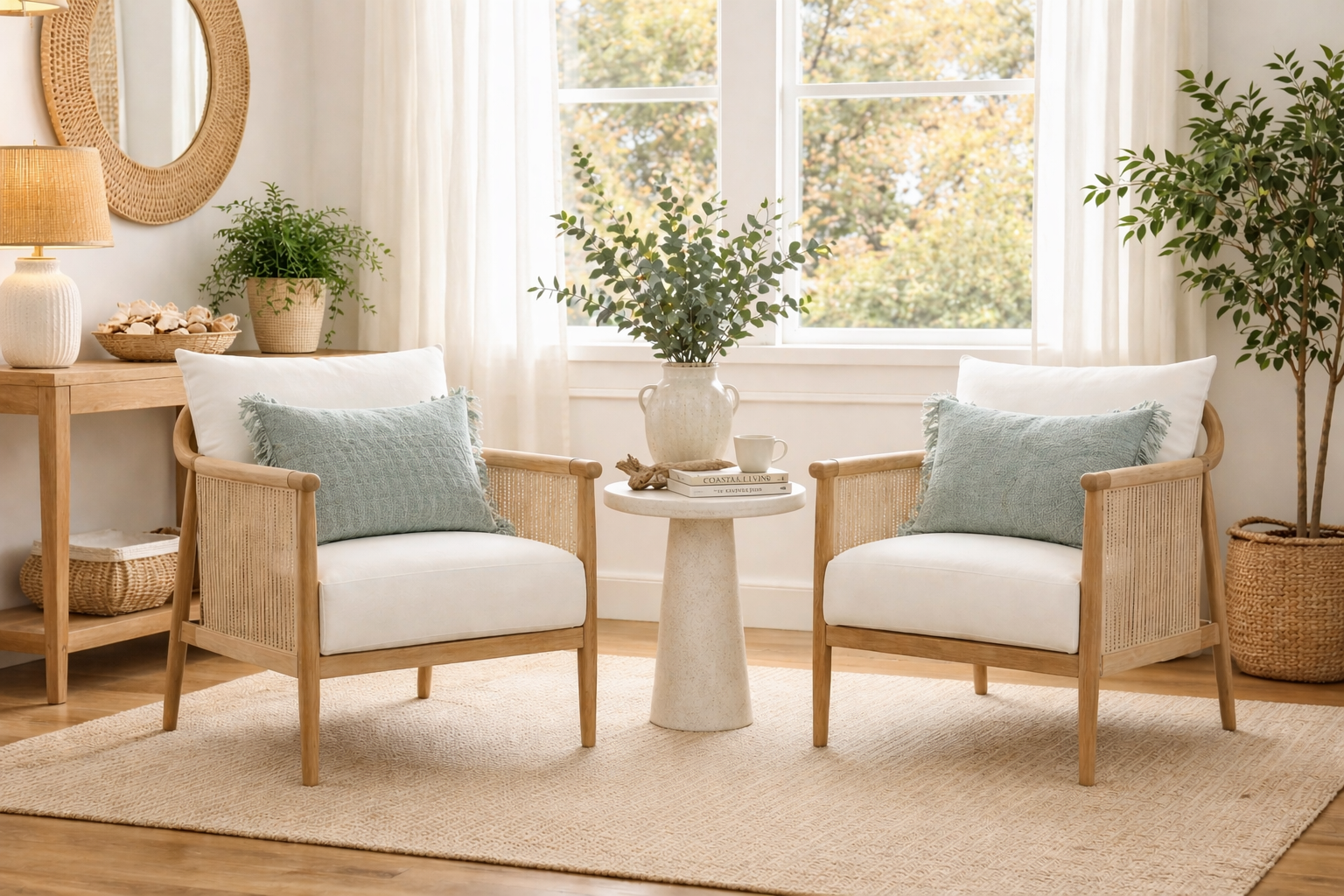
- Wood or rattan accent chairs
- Low-profile coffee tables with natural finishes
- Vintage or handmade pieces mixed with newer items
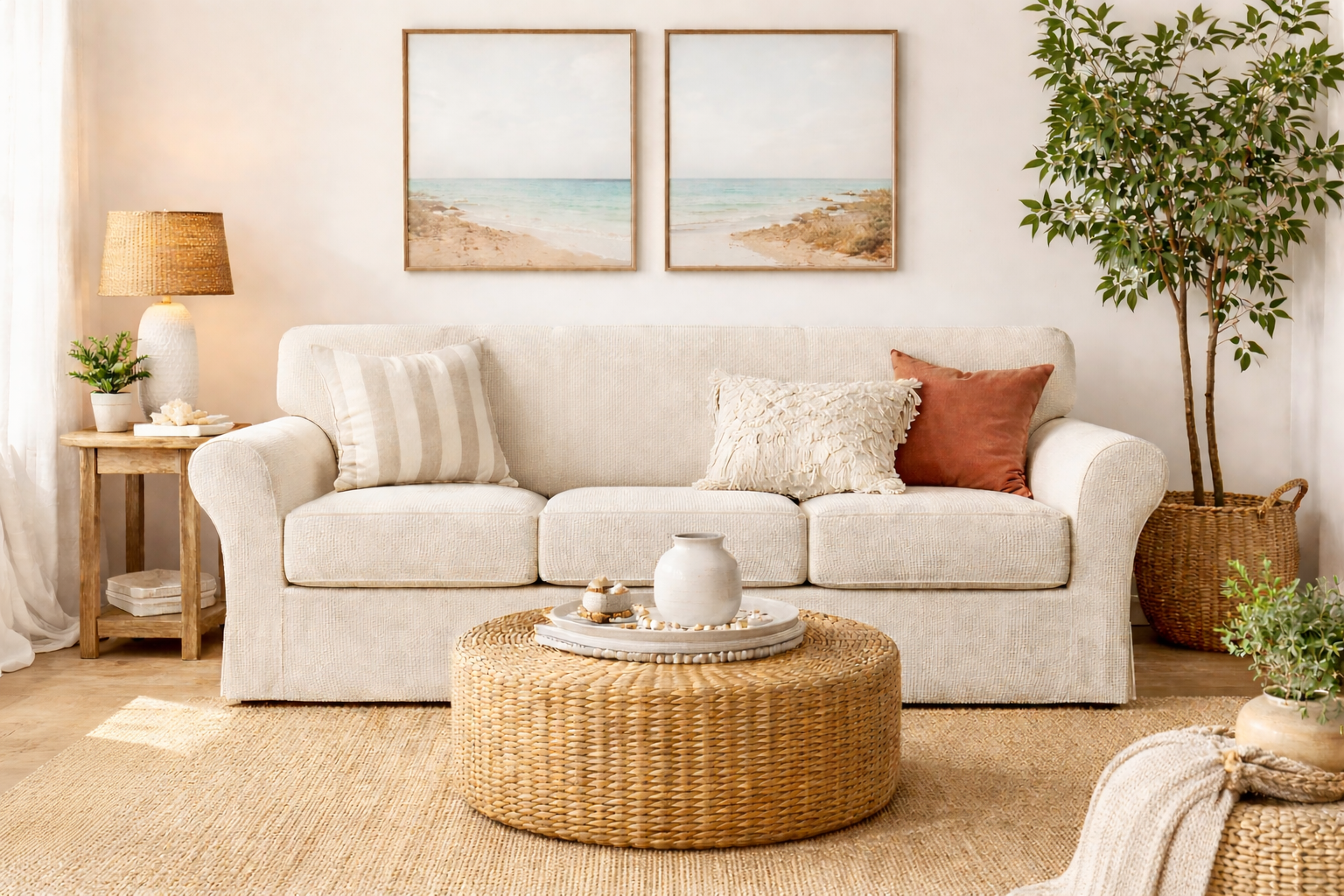
The key is balance. You don’t want everything to match perfectly.
- A structured sofa can pair with a more relaxed woven chair
- A modern table can sit on a vintage-style rug
This mix creates the layered look that defines boho design without losing the lightness of coastal style.
How Do You Layer Decor Without Making It Feel Cluttered?
This is one of the most common challenges with Coastal Boho decor. The goal is to layer thoughtfully—not overcrowd.
- Start with a neutral base (walls, large furniture)
- Add 2–3 textures per space (rug, pillows, wall decor)
- Limit color repetition to maintain cohesion
- Use negative space to let key pieces stand out
Think of it as “curated layering” rather than filling every surface.
What Are Common Coastal Boho Decor Pieces?
Certain pieces consistently show up in well-designed Coastal Boho homes:
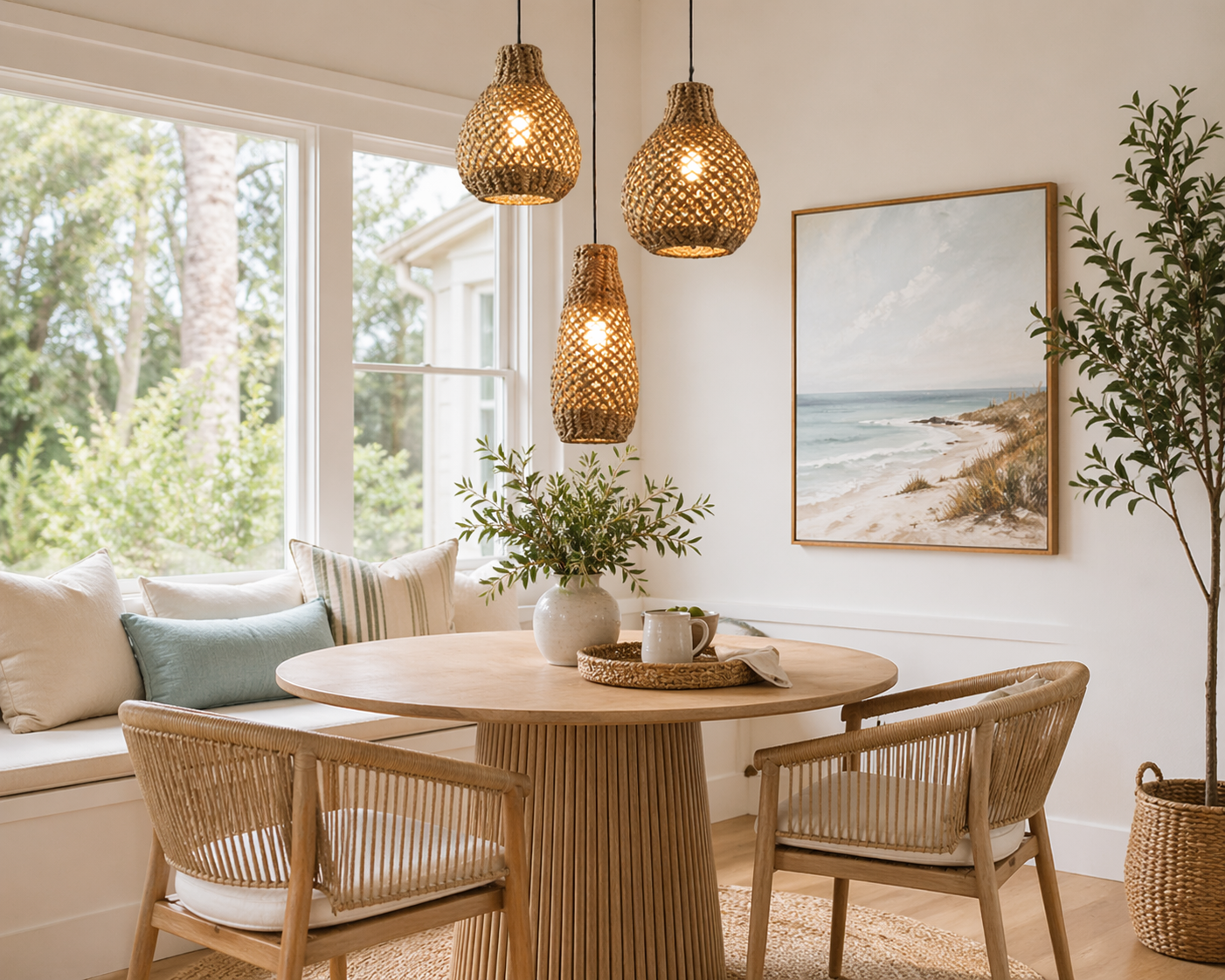
- Woven pendant lights or chandeliers
- Neutral or patterned area rugs (often jute or vintage-style)
- Oversized floor plants like palms or fiddle leaf figs
- Textured throw pillows and blankets
- Wall art with abstract, coastal, or global influences
These elements create visual interest without relying on overly themed decor.
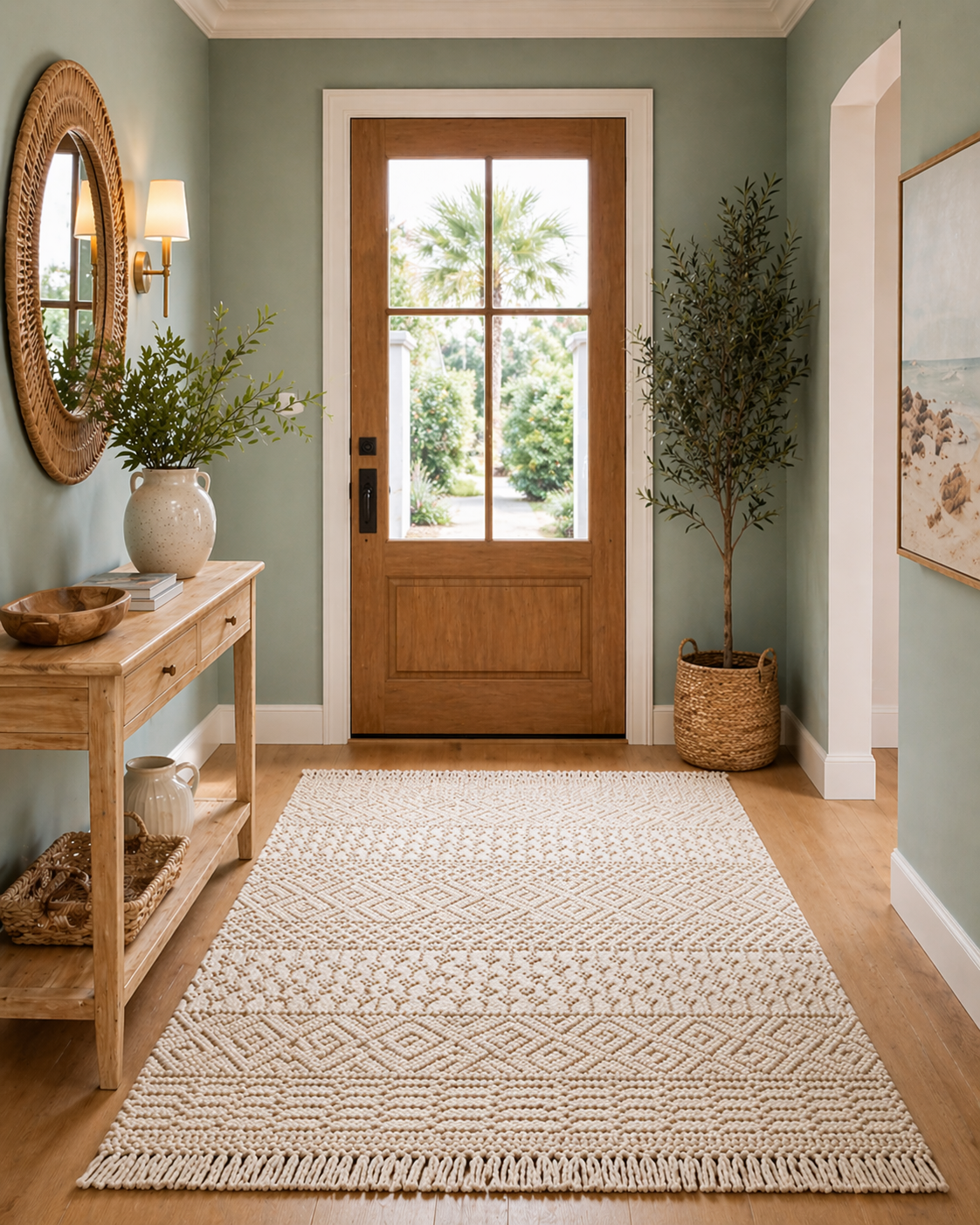
How Does Coastal Boho Design Work in Wilmington, NC Homes?
Coastal Boho is especially well-suited for homes in Wilmington, NC and surrounding areas like Leland, Carolina Beach, and Hampstead.
- Matches the environment: The colors and materials reflect coastal landscapes
- Works in multiple home styles: New construction, cottages, and townhomes
- Appeals to buyers: Neutral but stylish interiors photograph well and feel inviting
Homes styled in this way often feel move-in ready because the design is both current and flexible.
If you’re preparing to sell, pairing this style with guidance from a local expert like The Cameron Team can help position your home more effectively.
Does Coastal Boho Decor Impact Home Value?
While decor itself doesn’t directly increase appraised value, it can influence buyer perception and demand.
- Creates a strong first impression in listing photos
- Helps buyers emotionally connect with the space
- Makes rooms feel larger and more functional
In competitive markets like Wilmington, NC, presentation plays a major role in how quickly a home sells and how much interest it generates.
What Are Common Mistakes to Avoid?
Coastal Boho is easy to misinterpret if you’re not careful.
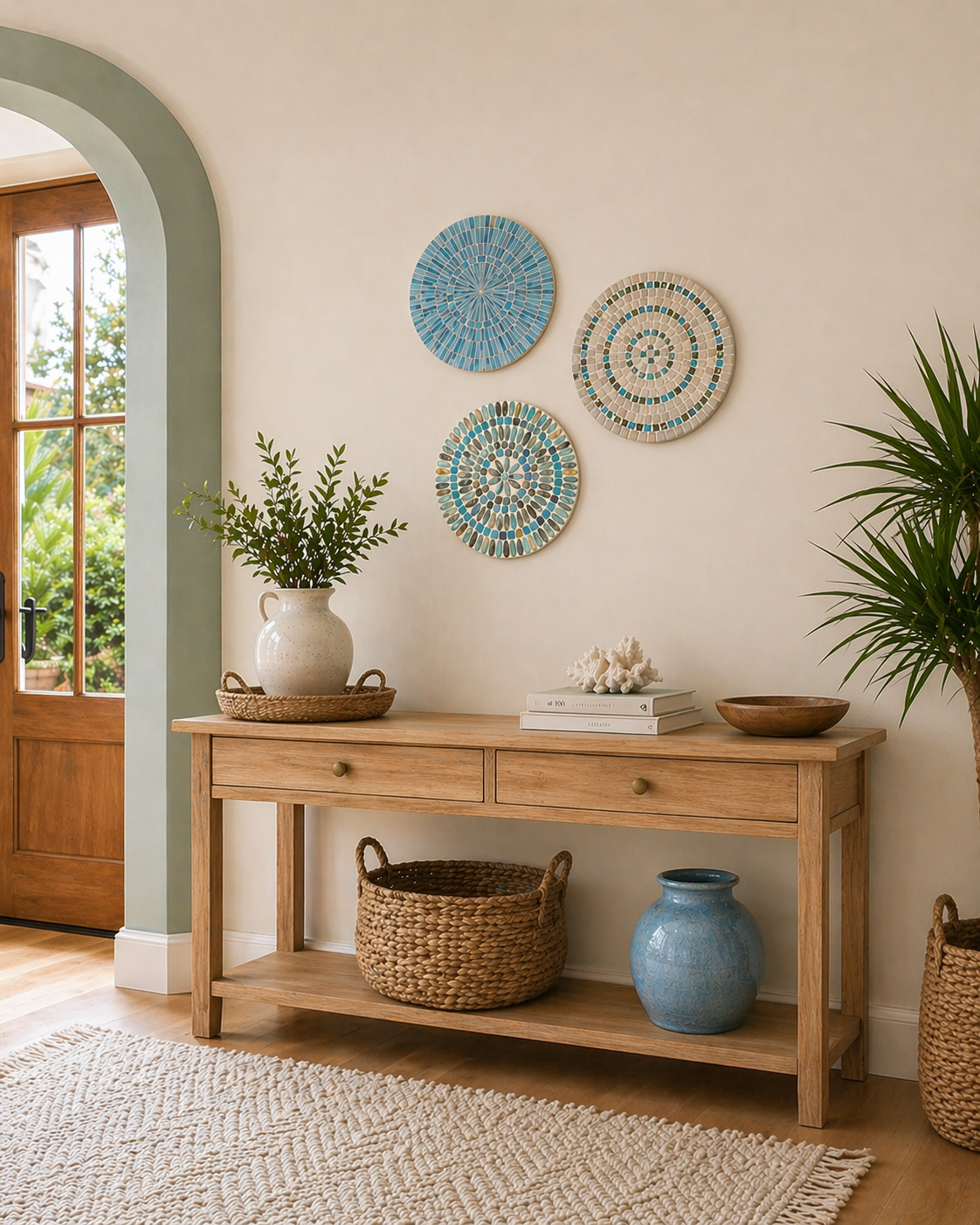
- Over-theming: Too many beach items can make it feel dated
- Too many patterns: Stick to a controlled palette
- Lack of contrast: All neutrals without texture can feel flat
- Cluttered surfaces: Boho should feel layered, not crowded
The goal is balance—light and airy with just enough detail to feel intentional.
How Can You Start Incorporating Coastal Boho Style?
You don’t need a full redesign to achieve this look. Start small and build over time.
- Swap out heavy fabrics for lighter linens
- Add a jute or woven rug
- Introduce textured pillows in neutral tones
- Replace lighting with a woven or natural fixture
- Bring in greenery to soften the space
These changes can transform a room without a major investment.
For more home inspiration and local insights, visit our area guides to see how design trends align with different communities in Southeastern North Carolina.
Check out this article next