
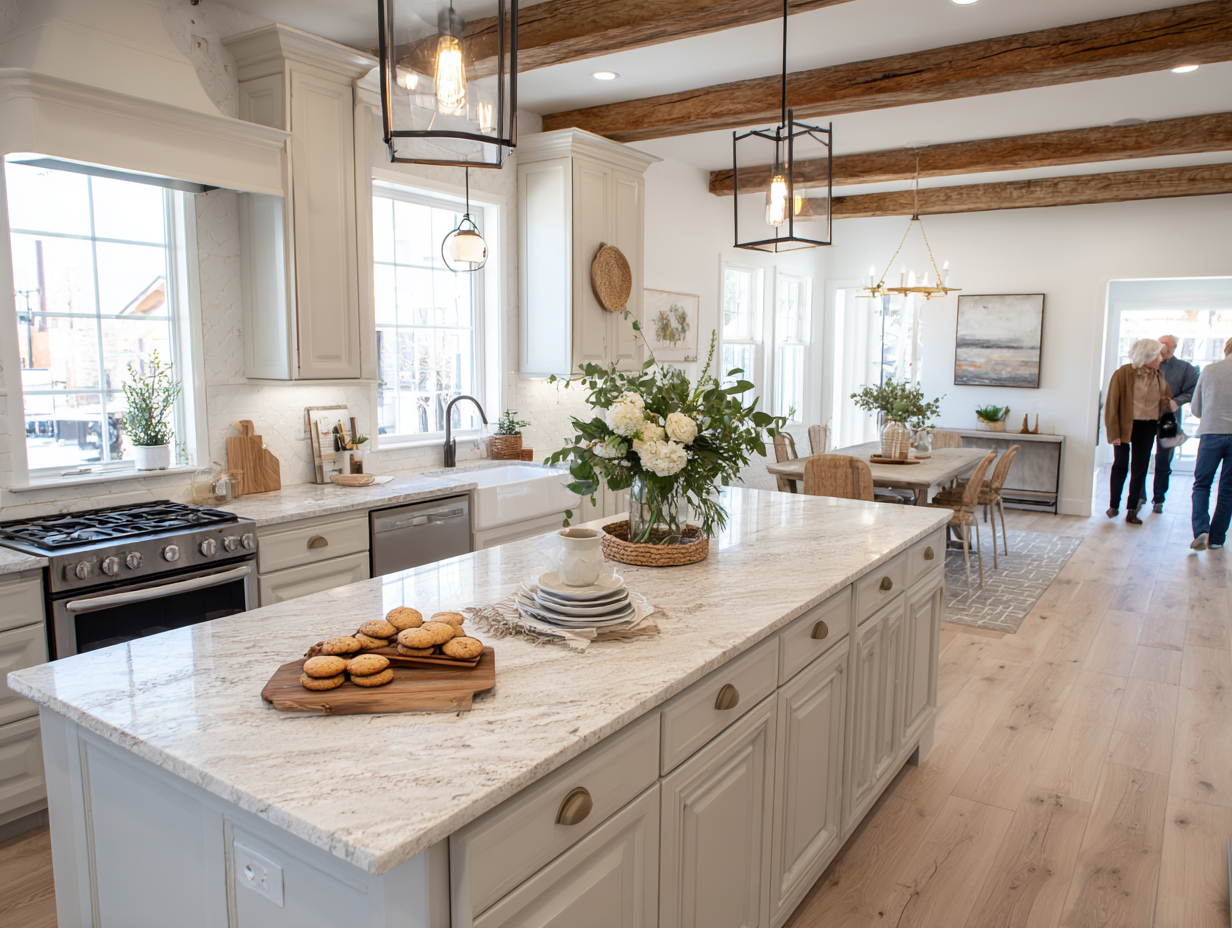
Open houses may look casual on the surface—just pop in, stroll around, grab a flyer, maybe a cookie—but the truth is, they operate on a quiet set of social norms and etiquette that seasoned buyers know well. These unwritten rules aren’t about being rigid or formal; they’re about helping you make the most of your visit, leaving a positive impression, and getting the information you need without stepping on any toes. Think of them as the behind-the-scenes expectations that keep the entire experience smooth, respectful, and productive for everyone involved.
Whether you’re actively house-hunting or just dipping your toe into the market, understanding these subtle guidelines can give you a serious edge. They not only help you navigate open houses with confidence but also support you in building rapport with agents—something that becomes invaluable when competition heats up.
Below, we break down the unspoken do’s and don’ts that can elevate your open-house game and help you walk away feeling informed, prepared, and respected by the pros running the show.
Arrive With the Right Mindset
Even if you’re “just looking,” step into the home with intention and courtesy. Agents appreciate visitors who respect the space and treat the event—and the property—with professionalism. You don’t need to dress formally, but being presentable and polite goes a long way in creating a positive first impression.
Once inside, agents will usually greet you and ask you to sign in. This isn’t a marketing trick meant to pester you later; it’s for safety, accountability, and follow-up questions you may want answered later. Sign-in sheets help the seller keep track of who’s toured the home and ensure the agent can reach you with disclosures or updates.
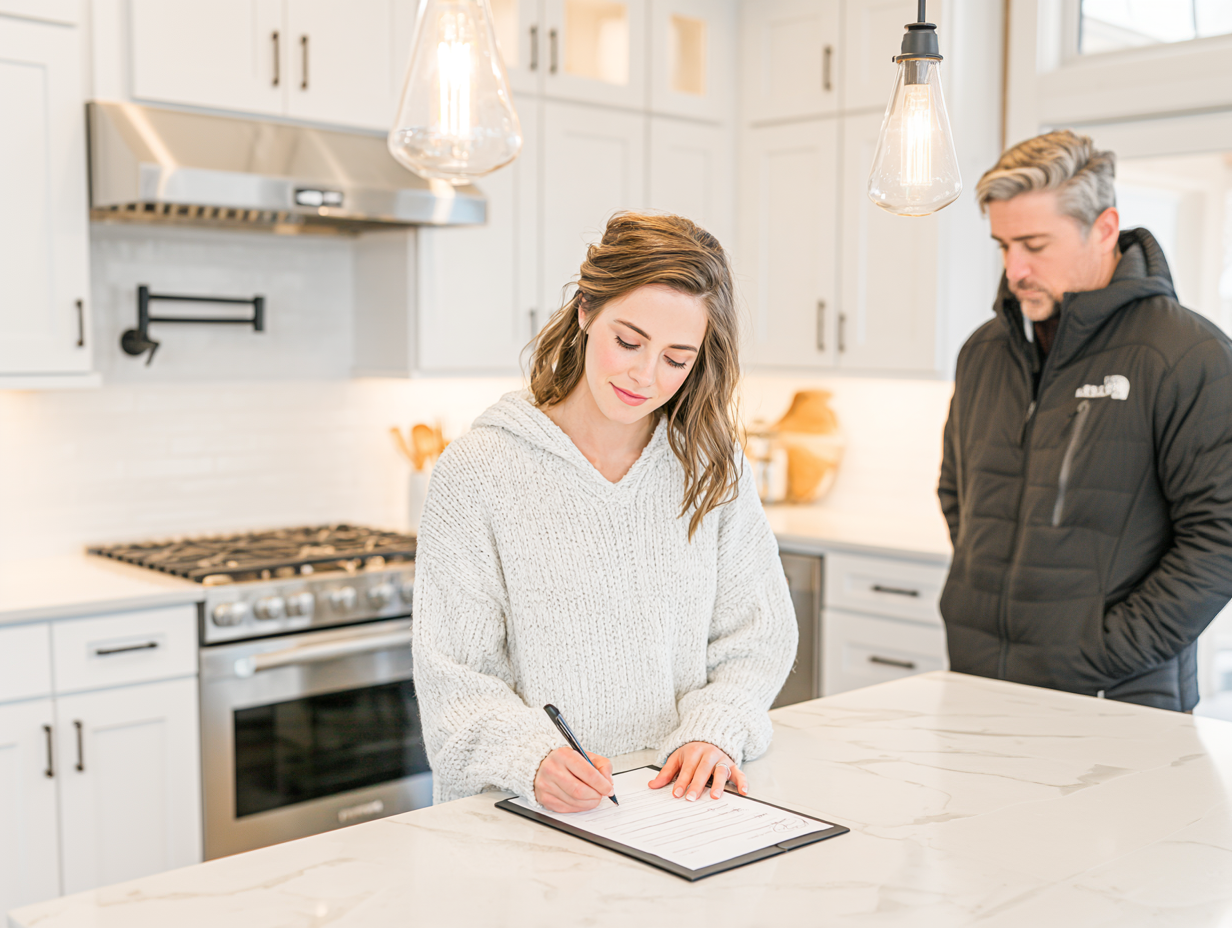
Know When (and How) to Ask Questions
Open houses are designed for browsing, but they’re also your opportunity to gather information. Curious about the roof age? Want clarity about HOA rules? Wondering what stays with the home? Agents expect those questions—and they’re happy to answer them.
What’s less advisable is grilling the agent in the doorway or dominating their time when other guests are waiting. If you have a long list of questions or want to dig deeper into the property’s history, ask whether now is a good time or if they prefer to follow up after the event. This small courtesy helps them manage the flow of guests while ensuring you still get the answers you need.
Be Mindful of How You Explore the Space
Feel free to open closets, kitchen cabinets, and storage spaces—they’re part of the home and matter to buyers. But stay within reasonable boundaries. Drawers used for personal items, medicine cabinets, or nightstands should remain untouched. The rule of thumb: if it’s built-in or clearly part of the home’s fixed storage, it’s fair game. If it’s personal furniture or closed for privacy, leave it be.
Also, keep food and drinks outside unless the agent specifically offers refreshments. Spills happen fast, and you don’t want your first impression to involve a carpet cleaner.
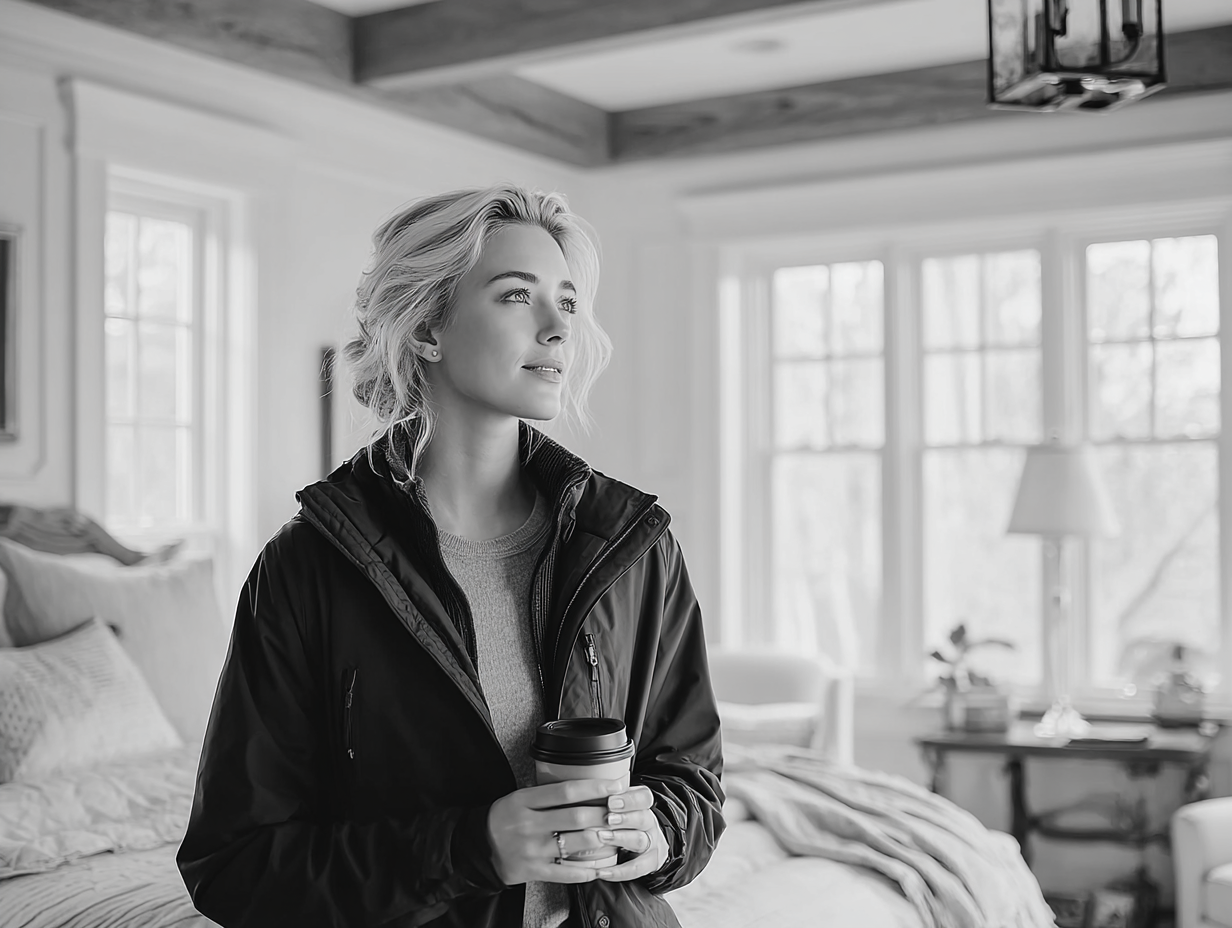
Watch Your Words—Homes Have Ears
It’s natural to comment as you walk through a home, but be mindful of negative remarks that may carry farther than expected. You never know who’s within earshot—a neighbor, a family member, even the seller. Harsh criticism can sour the environment and put you at a disadvantage if you end up wanting to make an offer.
That doesn’t mean you need to hold back your authentic reactions. Instead, save in-depth critiques for a private conversation with your own real estate agent after you leave.
Respect the Flow of Traffic
Open houses can get crowded, especially in competitive markets. If you’re examining a feature closely—like a tiled shower or a custom pantry—step aside when others enter the space. This keeps the energy moving and allows everyone a chance to experience the home without bottlenecks.
The same applies to photographs. Taking pictures for your own reference is typically fine as long as the agent approves, but do it quickly and be aware of people waiting behind you.
Don’t Share Too Much About Your Plans
While agents are friendly and genuinely want to help, it’s wise to avoid revealing your full budget, your timeline, or how badly you want the home. Remember: the listing agent represents the seller. Friendly conversation is great, but save negotiations or personal strategy talk for your buyer’s agent.
If you’re not currently working with an agent, this can also be a good moment to connect with one—open houses often introduce buyers to agents they ultimately work with.
Keep an Eye on Kids and Pets
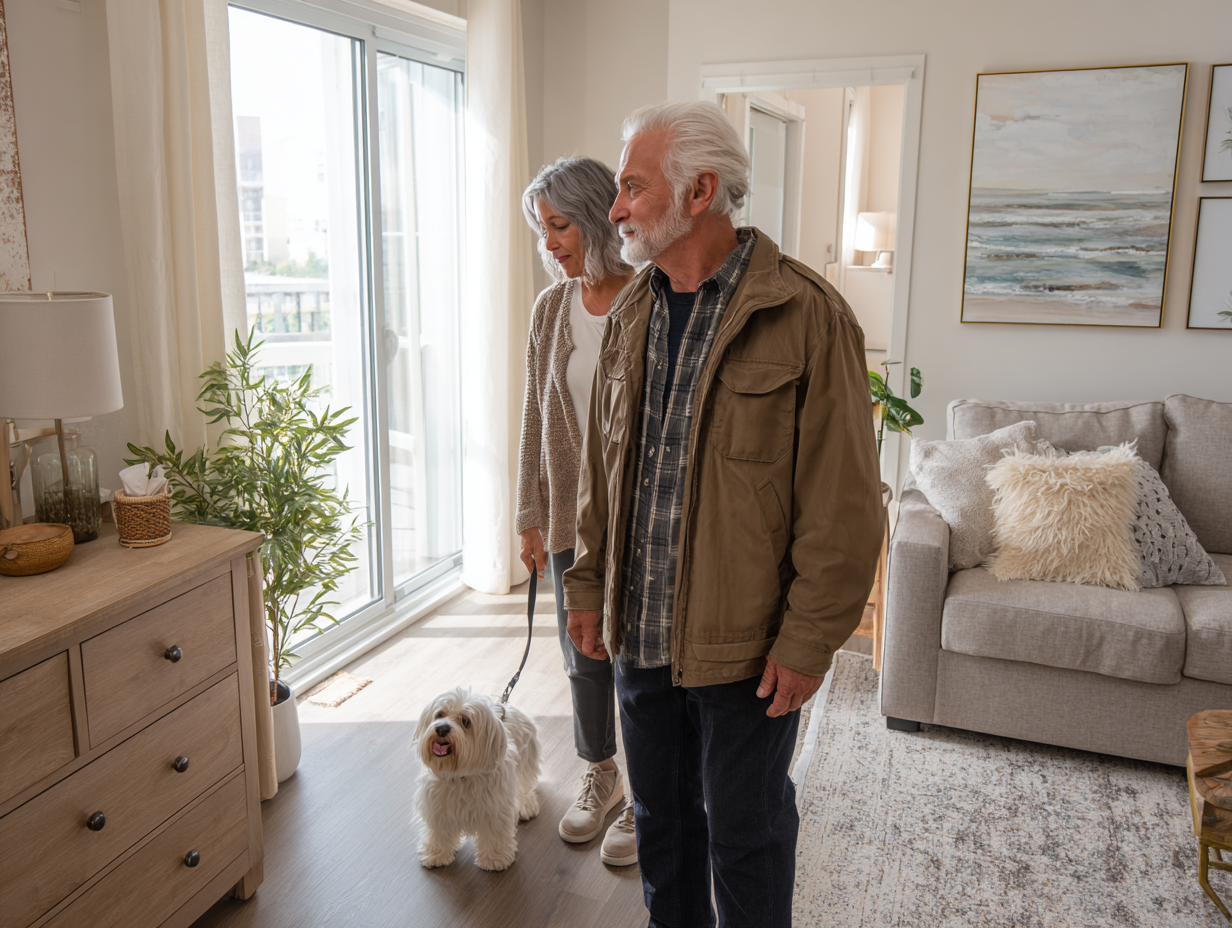
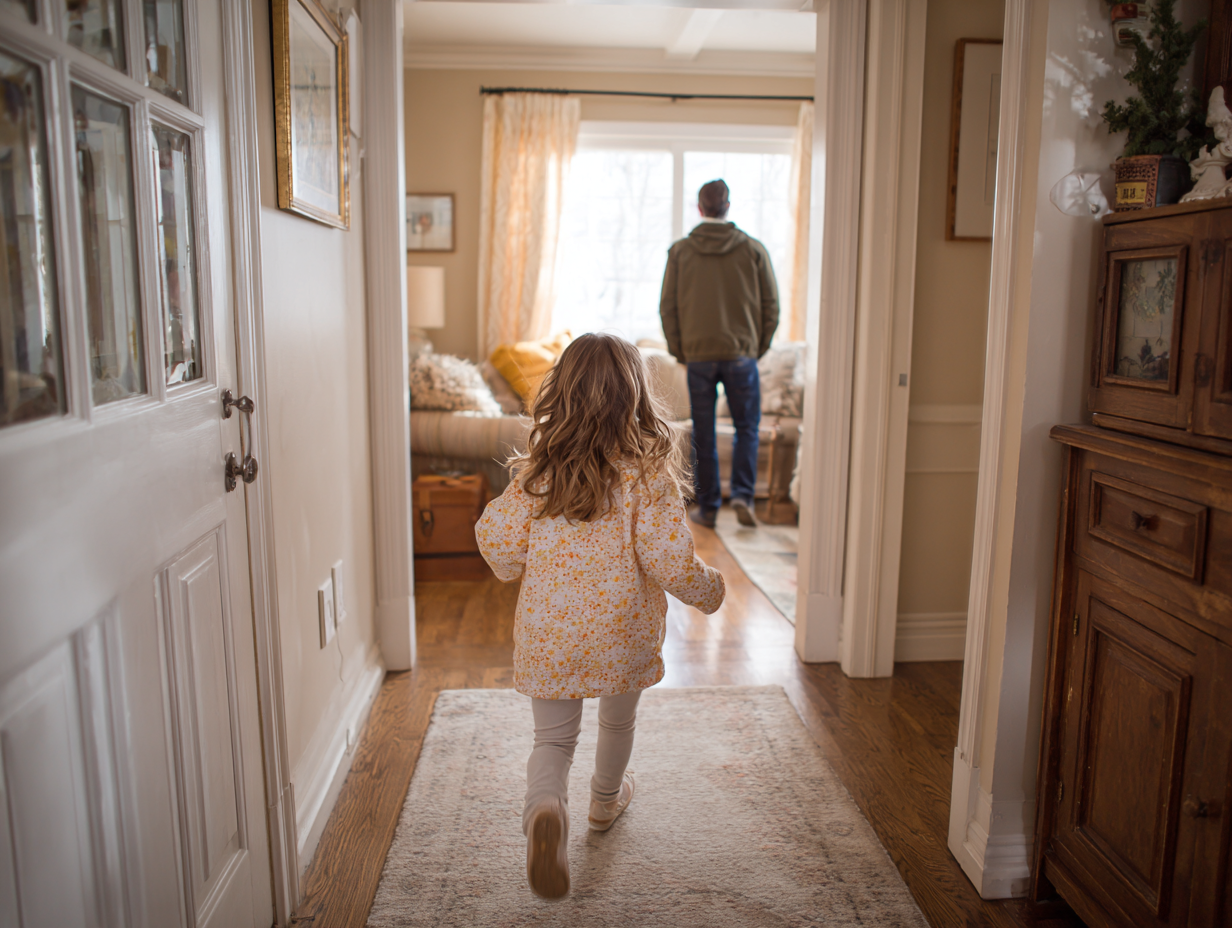
Most open houses aren’t designed for young children to roam freely, and they’re definitely not the time to bring pets along. If you do have kids with you, remind them not to jump on furniture, run through hallways, or open toys they find in a playroom. The agent is hosting the event, not babysitting it, and keeping little explorers under control helps maintain a positive environment for everyone.
Follow the Golden Rule: Treat the Home Like You’d Treat Your Own
This one covers a lot of ground—from wiping your feet before entering to refraining from sitting on beds or rearranging items. Some homes are staged, some are still fully lived in, and all deserve respect.
If shoes must be removed or booties offered, follow the cue. If certain rooms are marked “Do Not Enter,” honor it. These small gestures show the homeowner that you value their space and understand the process.
Know When It’s Time to Wrap Up
Once you’ve explored the entire home and asked your key questions, don’t linger unnecessarily. Agents often have to prep for the next event, secure the property, or answer questions from other guests. Feel free to take one last look, grab a flyer, and offer a polite “thank you” before heading out.
If you’re seriously interested, the best move is to follow up with your agent after you leave. They’ll connect with the listing agent, schedule a private showing, pull disclosures, and help you strategize your next steps.
A Few Final Thoughts
Open houses might seem simple, but they play an important role in the home-buying journey. Understanding the unspoken etiquette helps you move through them more confidently, interact respectfully with agents, and focus on what really matters—finding a home that fits your lifestyle.
These unwritten rules aren’t about being formal or rigid. They’re about courtesy, professionalism, and making a strong impression as a buyer. When you treat the process thoughtfully, you often receive better guidance, more clarity, and smoother communication in return.
So next time you slip into an open house, you’ll know exactly how to navigate the experience: with awareness, confidence, and a clear sense of what’s expected. And that small edge can make all the difference when you find a place that captures your heart—and possibly becomes your next home.
Check out this article next