
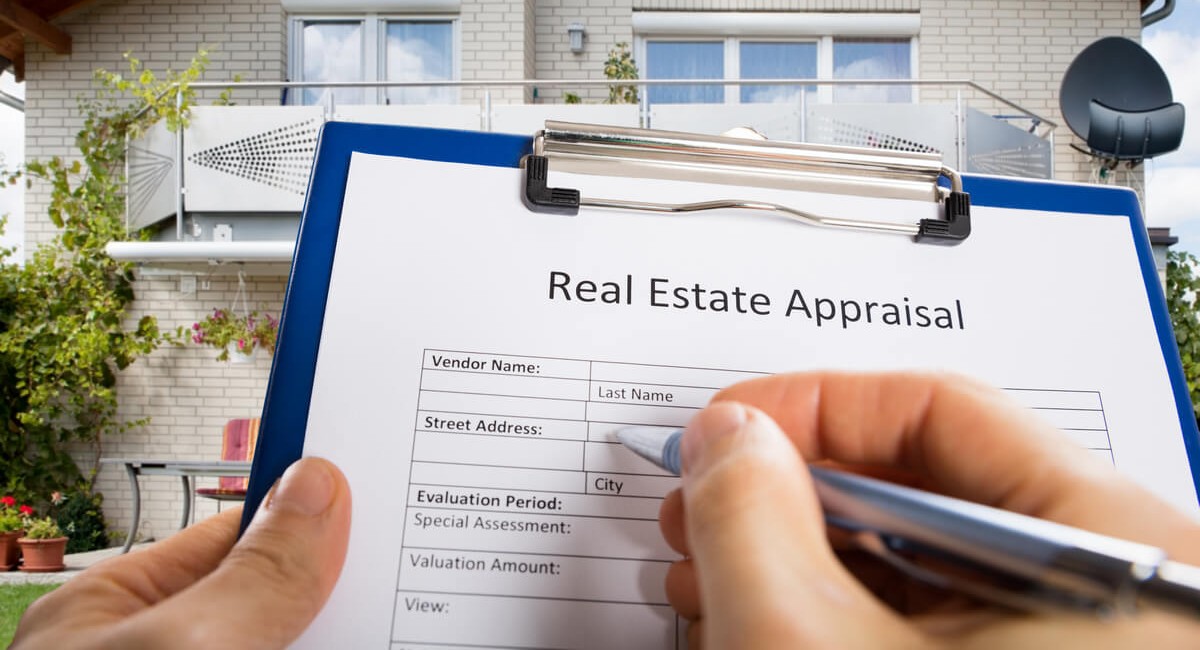
The appraisal is one of many items on your to-do list between making an offer and closing on a home. A lot rests on the results of the appraisal, so buyers and sellers both tend to feel anxious as they await the report. Knowing what to expect through the process can help to put your mind at ease, though. Here are answers to some of the most commonly asked questions about appraisals:

What is the purpose of an appraisal?
When a home buyer gets financing for their purchase, their lender will require an appraisal. The purpose of the appraisal is to confirm that the value of the property aligns with the amount of the loan.
If the house is worth less than your mortgage, you’ll be underwater on your loan. In the event of a foreclosure, your lender won’t be able to recoup their losses. Therefore, they require that the home appraises for at or above the purchase price.
You also need an appraisal when refinancing your home. Your lender will want an updated assessment of your home’s value when issuing you a new mortgage.
Who performs the appraisal?
The appraisal will be performed by a third-party professional who’s licensed in the state you live in. This individual may be a Licensed Residential Appraiser, a Certified Residential Appraiser, or a Certified General Appraiser. Typically, the mortgage lender hires the appraiser. If you’re getting an FHA or VA loan, your lender will require an FHA or VA appraiser.
When does the appraisal happen?
The appraisal is one of the tasks that occurs between going under contract and closing on the home. Your lender will probably try to schedule the appraisal as soon as possible after your offer is accepted so that the closing date isn’t delayed.
Who pays for the appraisal?
The buyer usually pays for the appraisal. Costs vary, but on average, an appraisal for a single-family home is $300 to $500.
What happens during the appraisal?
In most cases, the appraiser will visit the house in-person to evaluate the property. Sometimes, though, appraisers do their work remotely by looking at pictures or consulting with agents or other professionals who know the property.
The appraiser will take note of the interior and exterior of the home. They’ll count the rooms, assess any upgrades or improvements, and take photos. The homeowner may or may not be home during the appraiser’s visit.
After the visit, the appraiser will research the sale prices of similar homes in the area. This will help them determine the market value of the property.
How long does an appraisal take?
The in-person visit from the appraiser should take no more than a few hours. For smaller homes, the appraiser may see all they need to see within an hour or less. Researching the comparable homes and writing the report may take several days to a week.

What’s the difference between an appraisal and an inspection?
An appraisal and inspection are both key steps in the home buying process, especially if you’re taking on a mortgage. Both involve a thorough evaluation of the home, and both can affect the outcome of the sale.
However, an inspection is done to reveal the condition of the home, while an appraisal is done to assess its value. The appraisal report will focus on the monetary value of the property, and the inspection report will focus on any safety or quality issues in the home.
What’s included in the appraisal report?
The appraisal report is sent to the lender and the buyer. The seller rarely sees the results of the appraisal.
The report states the value of the home and the factors used to determine that value. The following are some of the key considerations the appraiser will use to come to their conclusion:
- Square footage of home
- Number of rooms
- Size of lot
- Condition of home
- Upgrades and amenities
- Safety hazards
- Location
- Sale trends of comparable homes
What can I do if the appraisal is too low?
A low appraisal can bring a home sale to a halt. If the property appraises low, your lender won’t approve your mortgage. In this situation, you have three options:
Renegotiate: You could use the appraisal to negotiate a lower price with the seller. The appraisal is confirmation that the home isn’t worth what the seller originally asked. However, in hot markets, the seller may not be open to lowering the price. Instead, they could choose another buyer who’s paying in cash or offering other competitive terms.
Increase your down payment: If you have the funds, you could increase your down payment to cover the gap between the appraisal value and the sale price. Keep in mind, though, that the low appraisal indicates that the house may not be worth what you’re paying.
Walk away: Unfortunately, you may have to walk away from the deal if you can’t increase your down payment or renegotiate with the seller. If your offer includes an appraisal contingency, you can exit the sale without penalty. If not, you may have to forfeit your earnest money deposit.

Can I challenge a low home appraisal?
If you believe the appraisal is inaccurate, you can try to dispute it. First, review the appraisal report with your real estate agent to understand how they assessed the home.
Then, you can submit a written request to your lender asking for a Reconsideration of Value, or ROV, which is a reassessment of the property. You’ll have the most success with this if your agent can find comparable homes in the area that have recently sold for the same or more than the asking price of your house.
The lender can choose whether or not they’ll ask the appraiser to reconsider their assessment, and the appraiser can decline the request. Another option is to ask the lender for a second opinion from a different appraiser. However, you’ll have to pay for the second appraisal, and it may not have favorable results.

Navigating the Appraisal Process
The appraisal can make or break the sale of a home, so it can feel like a stressful step in the process. Buyers and sellers alike want the appraisal to align with the sale price, and it can be disappointing if the home appraises for less. Although a low appraisal can disrupt your plans, it doesn’t necessarily mean the sale is a lost cause. There are several ways that buyers and sellers can overcome a low appraisal and get back on track toward closing. Every situation is different, so you should always consult with your real estate agent to determine the next steps for your sale.
Frequently Asked Questions About Home Appraisals
What does a home appraisal mean for me as a Wilmington home buyer or seller?
A home appraisal is a professional unbiased estimate of a property’s market value performed by a licensed appraiser. For buyers, it helps lenders verify that the loan amount is appropriate for the home’s worth. For sellers, it provides a data-driven value that buyers’ lenders will rely on. In Wilmington and coastal North Carolina, appraisals factor in recent comparable sales, market trends, condition, location, and coastal-specific features like roof age and flood risk. Understanding how appraisals work helps both sides set realistic expectations and avoid surprises at closing.
How do appraisals impact home value and the selling process?
An appraisal doesn’t change the market value of your home, but it can influence what a lender is willing to finance. If the appraised value comes in at or above the contract price, financing typically proceeds smoothly. If it comes in lower, buyers and sellers may need to renegotiate price, increase the down payment, or explore lender appeal or reconsideration options. In markets like coastal North Carolina where values can be volatile and neighborhood comps vary widely, being prepared for this outcome with strong comparable evidence is important.
Are there unique appraisal considerations for homes in Wilmington?
Yes. In Wilmington and the surrounding coastal region, appraisers pay close attention to roof age, HVAC condition, flood zones, and recent coastal weather impacts because these factors affect long-term durability and insurance requirements. Appraisers also consider neighborhood trends, inventory levels, and how comparable homes are selling nearby. Understanding these local dynamics helps buyers and sellers anticipate areas where an appraisal may come in stronger or weaker than expected.
When should buyers and sellers address appraisal expectations in the process?
Buyers and sellers should address appraisal expectations early — ideally before writing or accepting an offer. Buyers can order a pre-listing appraisal or bring relevant comps to their lender’s attention, and sellers can prepare by reviewing recent sales data and completing reasonable repairs. Discussing appraisal strategy with your agent, lender, and attorney early gives you time to anticipate outcomes and plan options if the appraisal differs from the contract price.
Who should I talk to if I’m unsure about how appraisals might affect my transaction?
If you’re unsure about how an appraisal could impact your sale or purchase, start by talking with your real estate agent, who understands local market trends and comparable data. You can also speak with your lender to learn how they handle appraisals and what happens if the value comes in low. For sellers, an agent can help prepare a strong comparable packet or suggest improvements that appeal to appraisers. Together, these professionals can help you navigate the appraisal process confidently.