
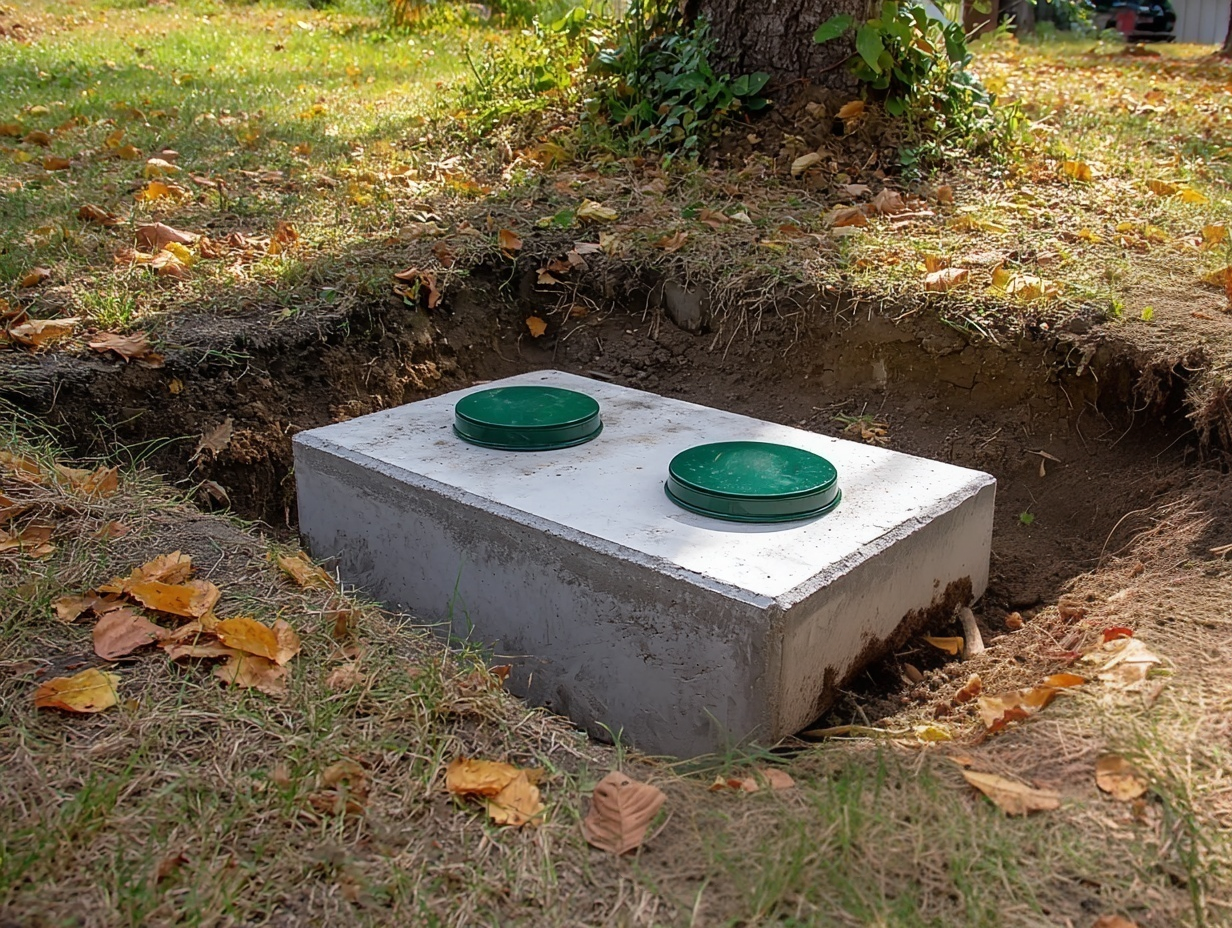
Summary: If a home relies on a septic system instead of a municipal sewer connection, a septic inspection is one of the most important evaluations buyers should consider during the due diligence period. Standard home inspections typically do not fully evaluate septic systems, which means hidden problems can go undetected without a specialized inspection.
- A septic inspection evaluates the condition and functionality of the septic tank and drain field.
- Many septic issues are hidden underground and cannot be seen during a normal home tour.
- Major septic repairs can cost thousands of dollars if problems are discovered after closing.
- Coastal soil conditions and high water tables in Southeastern North Carolina can affect septic performance.
- A septic inspection provides buyers with information they can use for negotiations or repair requests.
For buyers purchasing homes in Wilmington, Leland, Hampstead, and surrounding areas, septic inspections can provide peace of mind and help prevent costly surprises after moving in.
Is a Septic Inspection Important When Buying a Home?
Buying a home involves several inspections designed to protect the buyer’s investment. One inspection that sometimes gets overlooked is the septic inspection. If the property is not connected to a municipal sewer system, the home relies entirely on a private septic system to handle wastewater.
Because septic systems operate underground, many potential problems are not visible without specialized testing. A septic inspection allows buyers to understand the system’s condition before closing and determine whether repairs or maintenance may be needed.
In many parts of Southeastern North Carolina, especially outside city limits, septic systems are very common. Having a professional evaluate the system during the purchase process helps buyers avoid unexpected expenses and make informed decisions.
What Is a Septic System and How Does It Work?
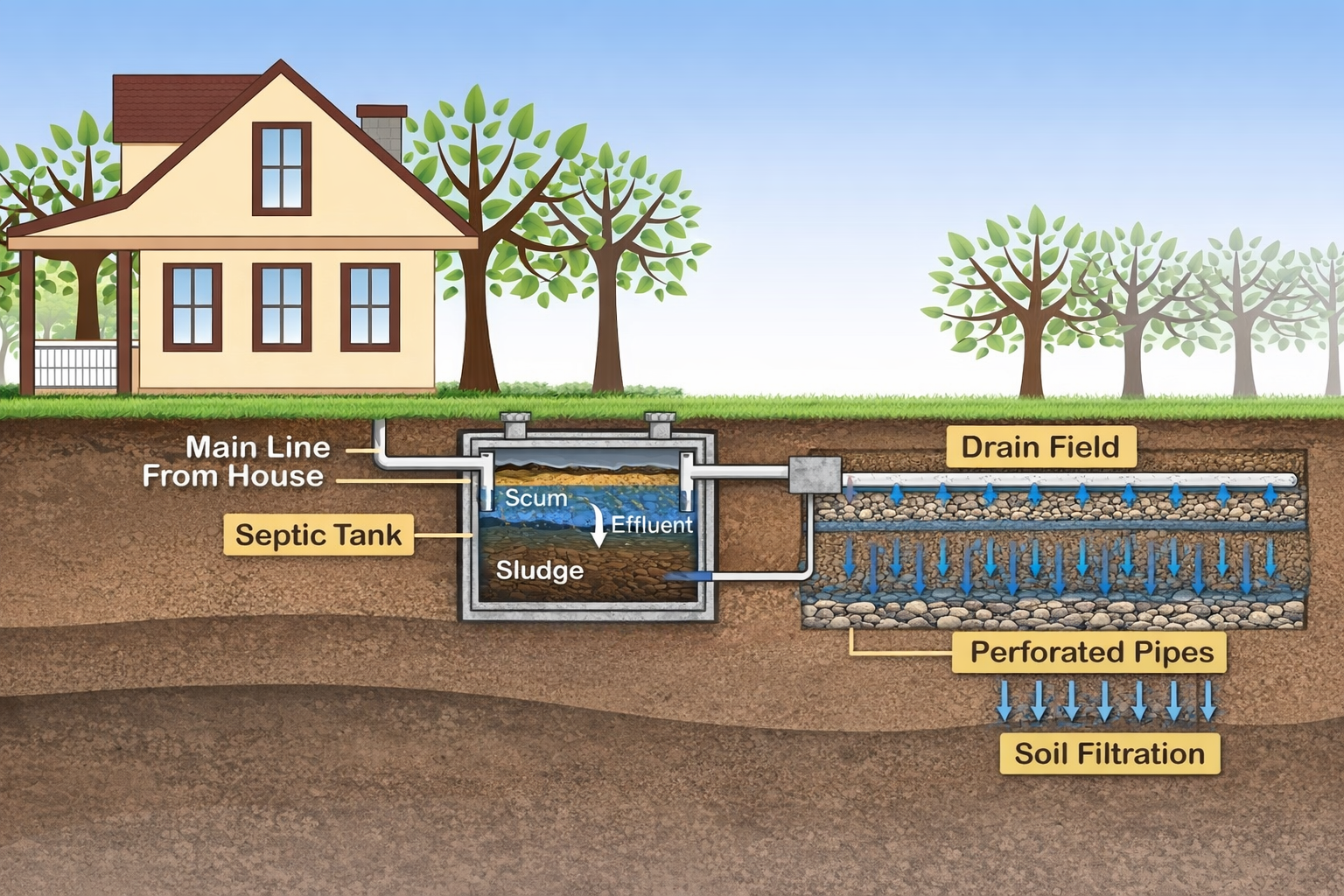
A septic system is an on-site wastewater treatment system used when a property is not connected to a public sewer system. Instead of sending wastewater to a municipal treatment plant, the septic system processes and filters it underground on the property.
Most residential septic systems have three main components:
- Septic Tank – A buried container that collects wastewater from the home and separates solids from liquids.
- Drain Field (Leach Field) – A network of pipes that distributes treated wastewater into the surrounding soil.
- Soil Filtration – The natural process where soil filters and treats wastewater before it returns to groundwater.
When the system is functioning properly, wastewater flows through the tank and into the drain field where it is safely absorbed into the ground. When components fail or become overloaded, wastewater may back up into the home or surface in the yard.
Why Isn’t a Standard Home Inspection Enough?
Many buyers assume that a general home inspection will evaluate every part of the property, including the septic system. In reality, most home inspectors perform only a limited review of septic components.
A typical home inspection may include:
- Confirming the property has a septic system.
- Looking for obvious drainage problems in the yard.
- Checking visible plumbing connections.
However, a general home inspection usually does not include:
- Pumping the septic tank.
- Inspecting the interior condition of the tank.
- Evaluating the drain field.
- Testing wastewater flow capacity.
- Reviewing structural components such as baffles.
A septic inspection performed by a licensed professional provides a much deeper evaluation of the system’s condition.
What Does a Septic Inspection Typically Include?
A septic inspection involves several steps designed to evaluate both the tank and the drain field. The exact process may vary depending on the property and the type of system installed.
Locating the Septic System
- The inspector locates the septic tank and access points.
- Some lids may be buried and require light digging.
- The inspector confirms the tank’s location and approximate size.
Pumping the Tank
- The tank may be pumped to allow full inspection.
- This reveals cracks, leaks, or structural damage.
- Pumping also helps evaluate the buildup of solids.
Inspecting the Tank Interior
- Inspectors examine tank walls and internal components.
- They look for deterioration or root intrusion.
- Damaged baffles can allow solids to enter the drain field.
Evaluating the Drain Field
- The inspector looks for wet spots or standing water.
- They check for odors or signs of system backup.
- Some inspections include flow or dye tests to verify drainage.
Reviewing Permits and System Capacity
- County records may show the permitted system size.
- This helps confirm the system supports the number of bedrooms in the home.
- An undersized system can cause long-term performance issues.

Why Septic Inspections Are Especially Important in Coastal North Carolina
Septic inspections are particularly important in coastal regions like Wilmington and surrounding communities. Environmental conditions can influence how septic systems perform over time.
Several regional factors affect septic systems in Southeastern North Carolina:
- High water tables that can reduce drain field efficiency.
- Sandy coastal soils that drain quickly but may shift.
- Heavy rainfall and storm events that saturate the ground.
- Older rural homes with aging septic systems.
Areas such as Hampstead, Rocky Point, Castle Hayne, and parts of Brunswick and Pender Counties often rely on septic systems rather than municipal sewer lines.
For buyers considering properties in these locations, septic inspections provide valuable insight into the long-term reliability of the system.
How Much Can Septic Repairs Cost?
One reason buyers should consider a septic inspection is the potential cost of repairs. While routine maintenance is relatively affordable, major failures can be expensive.
Typical septic-related costs may include:
- Septic tank pumping: approximately $300–$600.
- Replacing a damaged baffle or lid: $200–$1,000.
- Repairing distribution lines: $1,000–$4,000.
- Replacing a drain field: $5,000–$20,000 depending on soil conditions.
- Installing a new septic system: $10,000–$30,000 depending on design and permits.
Identifying potential issues before closing allows buyers to negotiate repairs or price adjustments with the seller.
Can Septic Issues Affect Your Mortgage or Insurance?
Yes. Some loan programs require a functioning septic system before closing.
Loans that may require septic evaluations include:
- VA loans
- FHA loans
- USDA loans
Lenders want to ensure the property meets safety and livability standards. A failing septic system could delay closing until repairs are completed.
In addition, insurance companies sometimes require confirmation that wastewater systems are functioning properly.
When Should a Septic Inspection Be Scheduled?
The best time to schedule a septic inspection is during the due diligence period after the purchase contract has been accepted.
Scheduling inspections early allows buyers to:
- Understand the condition of the septic system.
- Request repairs if problems are discovered.
- Negotiate credits or price adjustments.
- Make informed decisions before the closing deadline.
A knowledgeable real estate professional can help coordinate these inspections and ensure they are completed within contract timelines.
Buyers exploring homes throughout Wilmington and Southeastern North Carolina can also find helpful information about inspections and the home-buying process on The Cameron Team’s website.
Are Septic Systems a Dealbreaker?
Not necessarily. Septic systems are common in many parts of North Carolina and can function reliably for decades when properly maintained.
Many homeowners prefer septic systems because they operate independently from municipal sewer infrastructure.
The key is understanding the system’s condition before purchasing the home. A septic inspection simply provides the information buyers need to move forward confidently.
F.A.Q.
What does a septic inspection mean for me as a Wilmington home buyer?
A septic inspection evaluates the condition and performance of the property's wastewater treatment system. Because septic systems operate underground, problems are not always visible during a typical home tour. The inspection helps buyers understand system health, maintenance needs, and potential repair costs before closing.
How does a septic system affect home value in coastal North Carolina?
A properly functioning septic system typically does not reduce a home’s value. However, a failing system can significantly affect value because repairs or replacements may be expensive. Buyers often negotiate repairs or credits when issues are discovered during inspections.
Are there unique septic considerations in Southeastern North Carolina?
Yes. Coastal soil conditions, high water tables, and heavy rainfall can affect how septic systems perform. In counties such as New Hanover, Brunswick, and Pender, septic systems must meet specific environmental and permitting standards.
When is the best time to address septic concerns during a home purchase?
The best time to address septic concerns is during the due diligence period. This allows buyers to obtain inspection results, evaluate repair estimates, and negotiate with the seller before the transaction moves toward closing.
Who should I talk to if I’m unsure about septic inspections?
A knowledgeable real estate professional can help coordinate inspections and connect buyers with qualified septic inspectors. Experienced local agents understand regional soil conditions, permitting requirements, and inspection best practices.
Check out this article next