
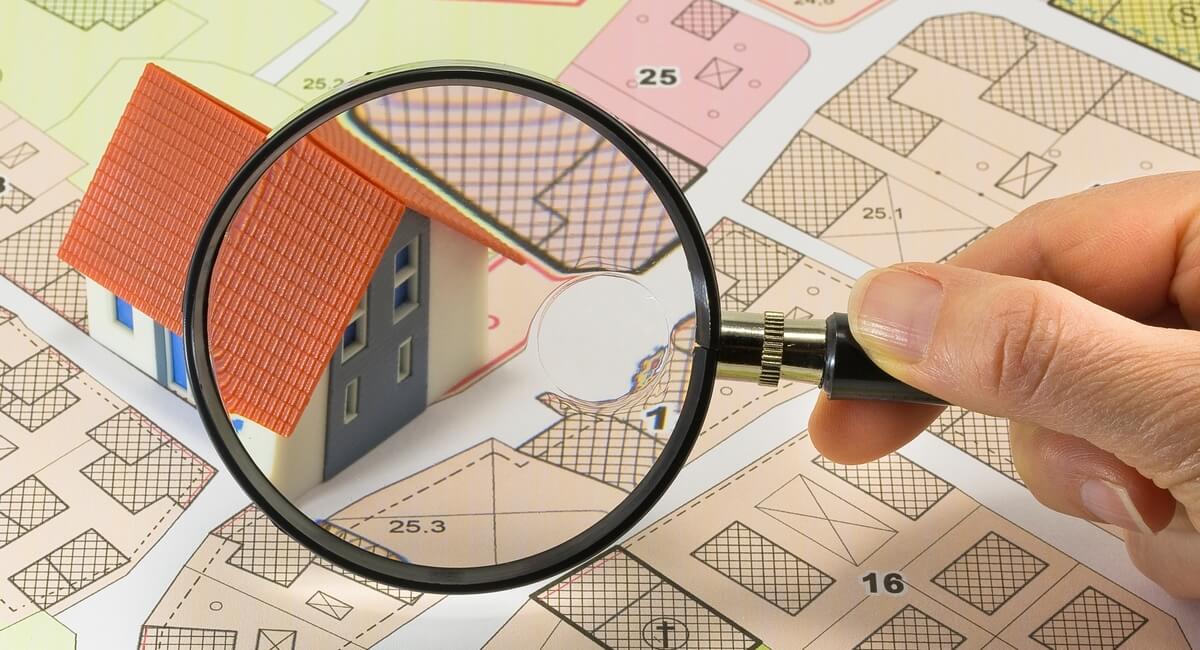
Affordability and location are the two of the most important factors for home buyers. For this reason, many buyers look to up-and-coming neighborhoods for their home search. Not only are housing costs more manageable in transitional neighborhoods, but there’s a huge potential for growth and development in the community.
Identifying an up-and-coming neighborhood before the prices jump can be tricky, but you’ll see the signs if you look closely enough. Here are eight early indicators of an improving neighborhood:

1. Building Renovations
Renovations of both commercial and residential real estate are a classic sign that a community is on the rise. You might see old or previously empty commercial spaces being remodeled with signs announcing new businesses are coming soon. New apartment buildings with retail space on the first floor are another common sign of growth.
Residential properties may get upgrades like a new roof, fresh exterior paint, or professional landscaping because homeowners realize the potential value in the neighborhood. If a lot of homes in the area are being flipped, property values are probably increasing. You can also search building permits in the neighborhood to confirm if development projects are on the rise.

2. New Small Businesses
Small, local businesses love up-and-coming neighborhoods for many of the same reasons that homeowners do. Any increase in commercial development can be a sign of an improving neighborhood, but businesses that cater to young professionals are especially common in transitional communities. Here are a few types of establishments to watch for:
- Coffee shops
- Co-working spaces
- Bars and breweries
- Fitness studios
- Salons
- Art galleries
3. Investment in Public Transportation
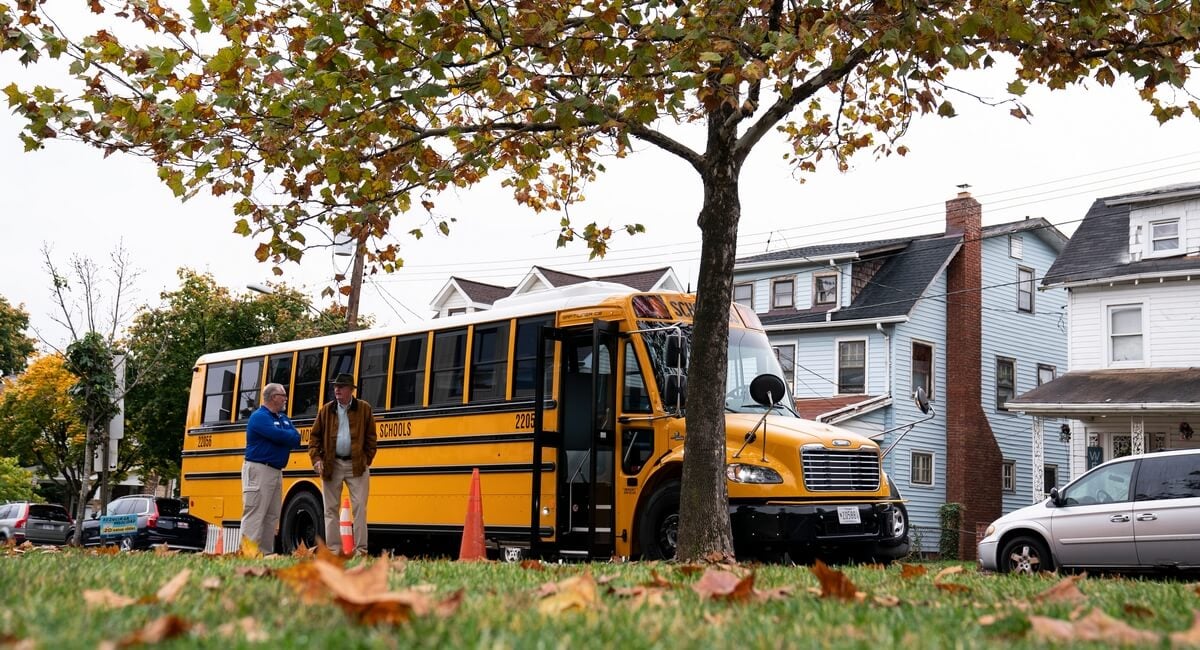
Cities tend to invest money in neighborhoods they believe have the potential for growth. A new bus or train route is a major sign that an area is undergoing improvements. Most people value good public transportation, so once the project is complete, the neighborhood will attract home buyers and property values will rise.
You can learn about upcoming public transportation projects through the local news or on your city’s website. These improvements can take years to complete, so they’re a great way to predict which neighborhoods will be trending in the future.
4. Upgrades to Community Infrastructure
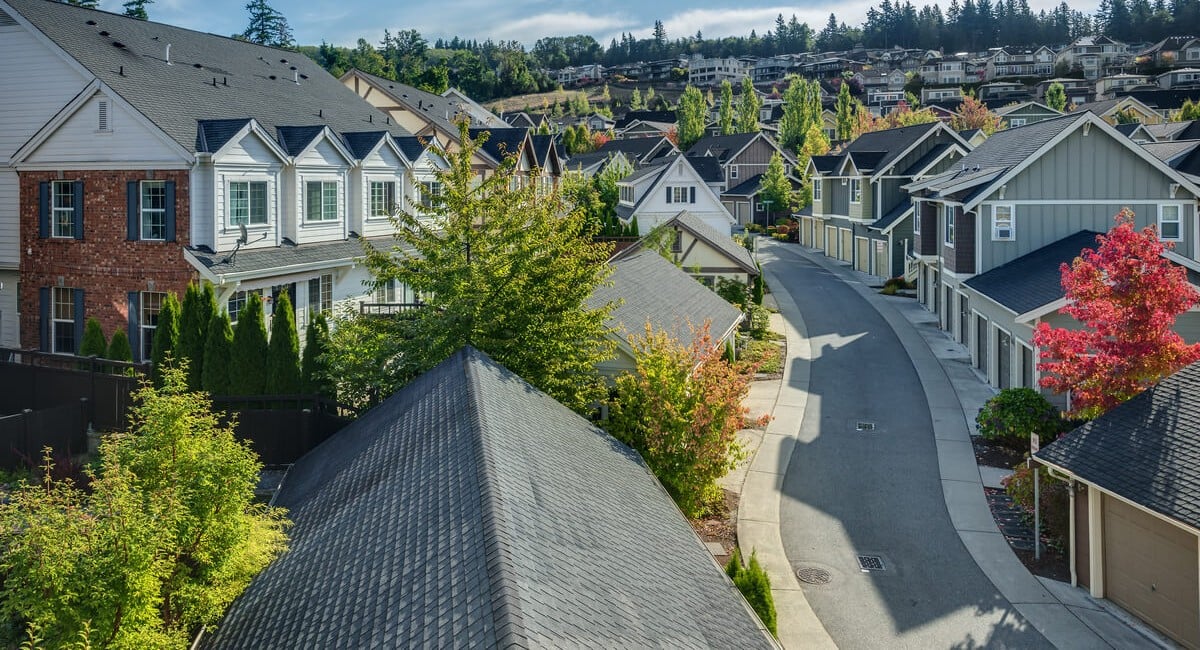
In addition to public transit projects, you’ll also see improvements to other community infrastructure. For example, walkability and bikeability are key factors in the popularity of urban and suburban neighborhoods. Plans to introduce bike lanes, pedestrian crossing lights, sidewalks, and other safety features indicate that the city is investing in the community.
New parks are another sign of an improving neighborhood. Homes located near parks, especially in densely populated cities, are highly desirable.
5. Improving School Metrics
Good schools attract families, so neighborhoods with improving school metrics will see a rise in property values as more and more families move to the area. You can look up information online about school performance, including test scores and graduation rates.
Plans for a new charter school or magnet school can also indicate the neighborhood is about to undergo rapid development. Families will move to the community just for their kids to have the opportunity to go to these schools.

6. Faster Home Sales
You can gauge whether a neighborhood is improving by looking at home sale trends. Even before prices rise, you might notice that houses are selling faster than they used to.
You can use real estate listing websites to research the number of days houses typically sit on the market in the area. Compare the current numbers to the averages from a year or two ago in the same community. Then, compare these numbers to the averages in nearby neighborhoods. If houses seem to be getting snatched up faster in this community, the prices will most likely be on the rise soon.
7. Nearby High-Demand Neighborhoods
Development tends to have a domino effect. One neighborhood goes through a period of rapid growth, and housing prices skyrocket as demand increases. Then, home buyers can no longer afford the neighborhood, so they look to nearby communities that are more affordable. As people get priced out of the most popular neighborhoods, the surrounding areas start to undergo the same growth and development.
One of the best ways to find an up-and-coming neighborhood is to look at the communities next door to the most recently developed areas. If a nearby community is showing new business growth or a shift in demographics, it will almost definitely be the next trendy neighborhood.

8. New Job Opportunities
When a new employer pops up, the closest neighborhoods are likely to increase in popularity. People will move to the area for work, and they’ll value a short commute time. Restaurants and other small businesses will also come to the area to take advantage of the new influx in traffic. Neighborhoods near newly built factories, hospitals, or other major employment centers will thrive.
Should You Buy a House in an Up-and-Coming Neighborhood?
Transitional neighborhoods are appealing for many homeowners, but there are drawbacks as well. Before you seek out an up-and-coming neighborhood, you should weigh the pros and cons.
Pros of Living in a Transitional Neighborhood
For most buyers, affordability is the greatest advantage of living in an up-and-coming community. When you get into the neighborhood early, houses will cost a fraction of what they cost in nearby popular cities. As prices rise, you’ll see an excellent return on your investment.
Transitional neighborhoods tend to have a rich community and culture, too. They attract people from a wide range of backgrounds, leading to a vibrant and diverse network of neighbors. The food, art, music, and community events will reflect this.
Cons of Living in a Transitional Neighborhood
An up-and-coming neighborhood may not offer everything you want right away. The community is in transition, so it may be lacking in public transportation, small business development, green spaces, and other amenities. You need to have patience while the community takes steps toward growth.
Living in an area that’s undergoing widespread construction also has some big drawbacks. The constant noise from the construction of new homes, businesses, and infrastructure can take its toll.
Buying a home in a newly up-and-coming neighborhood is financially risky, too. There’s always a chance the growth will halt or fluctuate. For example, many up-and-coming neighborhoods throughout the United States saw a sharp decline at the onset of the COVID-19 pandemic.
If buying property in an up-and-coming community is the right choice for your lifestyle and finances, start looking for the signs of development in nearby neighborhoods. Getting into transitional neighborhoods early is the key to maximizing your return on investment. For the best experience with your home search, partner with a real estate agent who knows your area well and can help you identify signs of growth.
F.A.Q.
What does it mean for me as a Wilmington-area homebuyer if a neighborhood is improving?
It means you may have an opportunity to purchase before prices fully reflect the area’s growth. Buyers who identify improving neighborhoods early can often secure homes at a lower price point while benefiting from future appreciation. In coastal North Carolina, this can include areas near expanding infrastructure, growing employment hubs, or revitalizing districts.
What are the earliest signs that a neighborhood is starting to improve?
Early indicators often appear before price increases. Look for:
- Renovations or new construction projects
- Homes selling faster than they did previously
- New local businesses, restaurants, or coffee shops opening
- Improved landscaping and property upkeep
- Increased buyer demand and reduced inventory
These signs often reflect growing interest and investment in the area.
How do home sales and market trends reveal neighborhood growth?
Tracking market data can reveal patterns before prices spike. Key metrics include:
- Decreasing days on market
- Increasing list-to-sale price ratios
- Steady appreciation over time rather than sudden spikes
- Low housing inventory combined with strong demand
Consistent upward trends are often more reliable than sudden jumps, which may signal instability.
Do new businesses or amenities really impact home values?
Yes—new businesses and amenities often reflect broader economic and demographic changes. Grocery stores, restaurants, and retail developments tend to follow population growth and rising incomes, which are closely tied to increasing home values. In many cases, these businesses choose locations where growth is already expected, making them a strong signal of future appreciation.
How do job growth and population trends affect neighborhood improvement?
Neighborhoods with expanding job markets and population growth tend to see increased housing demand. As more people move into an area for employment opportunities, competition for housing rises, which can push prices higher over time. Strong local economies are one of the most reliable predictors of long-term appreciation.
Are there visual signs I can look for when driving through a neighborhood?
Yes—physical changes often signal momentum. Look for:
- Updated homes or ongoing renovations
- Clean streets and maintained sidewalks
- New signage for developments or businesses
- Increased activity, such as contractors or landscaping crews
These details can indicate pride of ownership and investment in the community.
How does this affect home values in coastal North Carolina specifically?
In areas like Wilmington and surrounding coastal communities, neighborhood growth is often tied to proximity to beaches, downtown districts, and major roadways. As infrastructure improves and demand for coastal living continues, areas that show early signs of development may experience stronger appreciation compared to already-established neighborhoods.
When is the best time to buy in an improving neighborhood?
The best time to buy is typically when improvements are visible but not yet fully priced into the market. This often occurs when:
- New businesses are opening but prices remain relatively stable
- Renovations are increasing but inventory still exists
- Buyer demand is rising but competition hasn’t peaked
Acting during this window can provide both value and long-term upside.
Who should I talk to if I’m unsure about a neighborhood’s potential?
A local real estate agent who actively tracks market trends can provide insight beyond what online data shows. They can identify patterns in buyer behavior, pricing trends, and development plans that may not be obvious to the public. This is especially important in fast-changing markets like Southeastern North Carolina.
Home » Home Buyer Tips »