

Before making an offer on any home, it’s incredibly important that you do your due diligence in researching and understanding all of the property’s systems. If you’re interested in a house with a private well, you have an extra level of research to do.
While city water systems are maintained by your local government, private wells are fully the responsibility of the homeowner. Access to clean, safe water is essential for your health and quality of life, so you must be prepared to take care of the well.
Here’s everything you need to know about owning a house with a well:
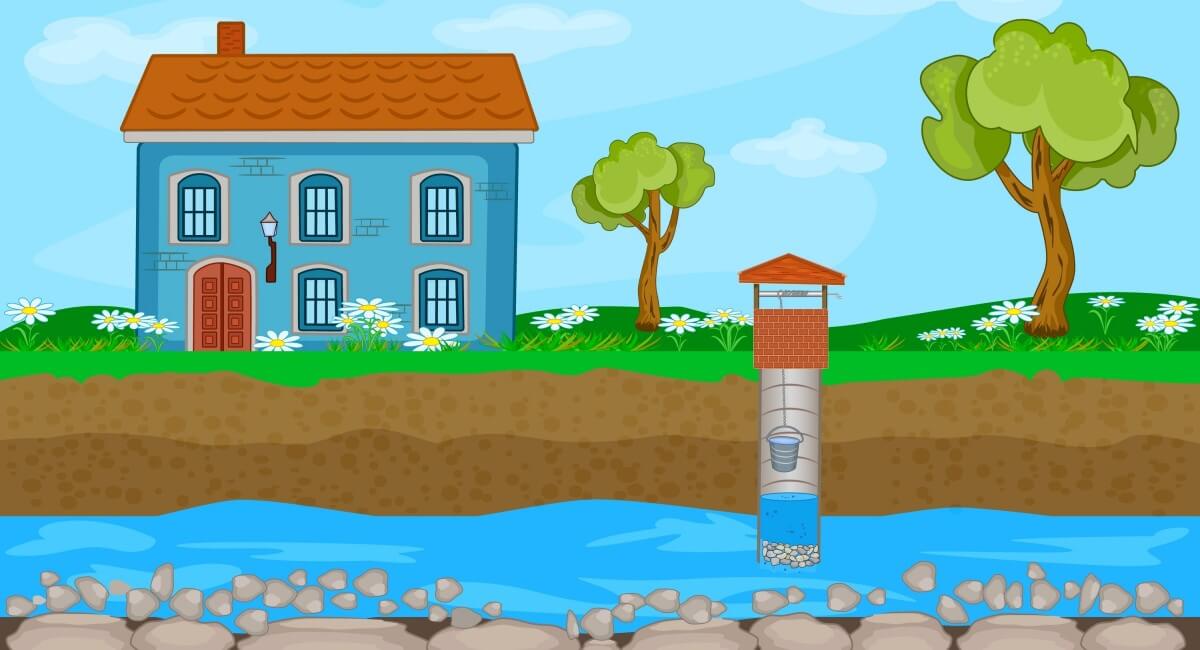
How Wells Work
When it rains, water soaks into the ground until it reaches a dense layer of rock and sediment called an aquifer. The aquifer serves as a natural filtering system as the groundwater trickles through the tiny pores in the sediment.
When a hole in the ground is deep enough to extend below the water table, the hole fills up with water due to gravity. A well is a simple mechanical system that uses a deep hole to give your home access to this water.
A well is made of a tube and a cap, both of which protect the hole and prevent contaminants from entering. The system also includes a pump that pushes the water to a tank. The tank holds the water until the plumbing system pulls it for use in the home.
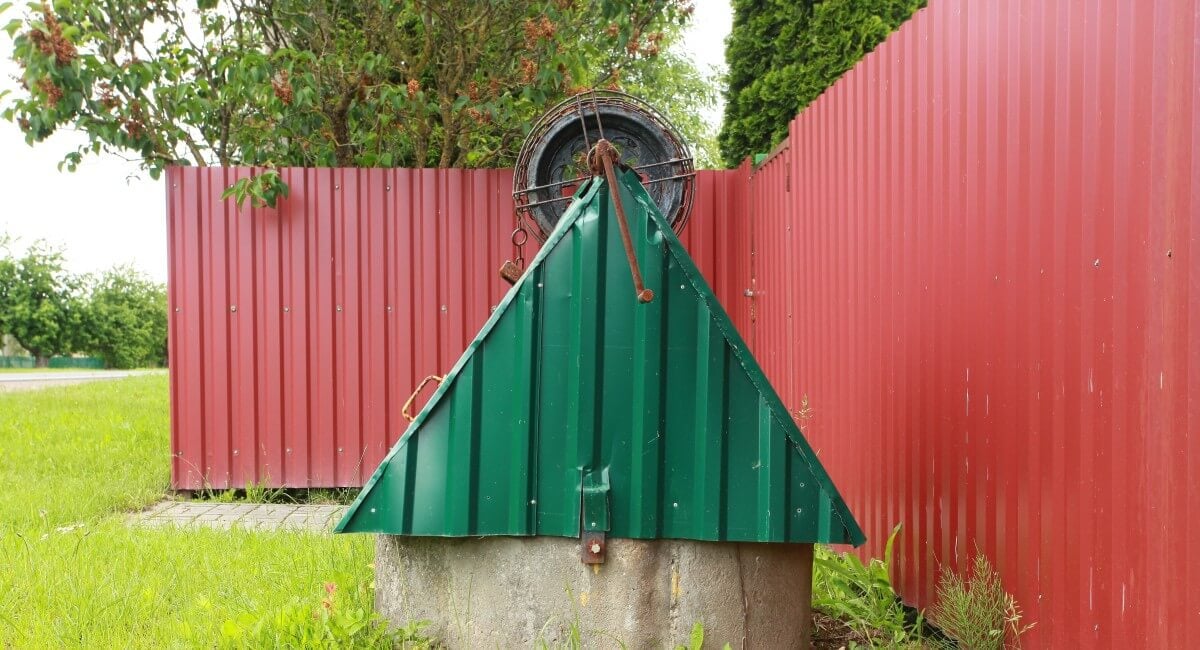
Common Problems With Wells
The following are a few of the most common problems to be aware of if you’re considering purchasing a house with a well:
Hard Water
Hard water is one of the biggest complaints homeowners have about private wells. Calcium and magnesium are two of the most common minerals in well water and are responsible for making the water hard.
Although hard water is safe to drink, the minerals can leave behind a residue. You might feel a film on your skin or hair after you shower, and your tub or shower can become stained over time.
Hard water can be fixed by installing a water softener, which removes minerals from the water using a process called ion exchange. The water enters a tank and flows through resin beads, which are negatively charged.
Due to their negative charge, the beads attract the positively charged particles of calcium and magnesium. The minerals stay behind on the resin beads, and the softened water flows from the tank and to your plumbing fixtures.
Contamination
A properly functioning well shouldn’t have problems with contamination, but aging or failing parts can result in the water getting polluted. Some of the most common concerns include radon, arsenic, and uranium.
Preventative maintenance can greatly reduce the risk of your water getting contaminated. You can also improve your water quality by installing a reverse osmosis filtration system, which reduces contaminants and improves the taste of your drinking water.
Running Dry
In normal conditions, you can count on your well to supply all the water your household needs. However, long-term drought could result in your well running dry. Your well might also run dry if you have a large household that uses much more water than the well was intended for.
If your well runs dry, it can take a long time for the water levels to recover. You may have to drill farther down to access more water, which can be a costly project.

Benefits of Owning a House With a Well
Many homeowners with private wells love their well water. The following are some of the key benefits of owning a house with a well:
No Water Bill
Your well sustains itself, so you won’t have to pay a water bill to your town. This can save you a significant amount of money, especially if your household uses a lot of water.
Avoid Problems With Municipal Systems
Municipal water systems can get contaminated or have service interruptions for maintenance. When you have a private well, you won’t be affected by any issues with the public water supply.

Control Over Water Quality
You have more control over the quality of your water when you have a well. You can install a filtration system that will make your water taste great, and you can drink right from the tap without worrying about contaminants.
Drawbacks of Owning a House With a Well
Owning a home with a well has its downsides, too. Here are a few of the disadvantages of relying on well water:

Energy Costs
Although you don’t have to pay a water bill when you have a well, you do need to pay for the electricity that the pump uses. This can vary significantly from home to home but may range from $20 per month to over $100 per month.
Maintenance Needs
Like all home systems, a well needs routine maintenance to stay in good condition. If you already feel overwhelmed by the amount of upkeep a house needs, a well may feel like too much.
Financing Challenges
Many lenders require that you get the well inspected and test the water quality before they’ll approve your mortgage. If something is wrong with the well, your home loan could be delayed or denied altogether.
Routine Maintenance on Wells
Regular maintenance will keep your well in good condition, reducing the risk of contamination or failure. The following are three of the most important elements to well maintenance:

Water Testing
You should test your water every year, ideally in the spring, for contaminants or pollutants. You can buy a testing kit or send a sample to a lab. If you notice a change in the taste or smell of your water, you should test it immediately.
Here are some of the most important particles to test for:
- E. coli
- Arsenic
- Coliform bacteria
- Radon
- Nitrates
- Iron
- Manganese
- Filter Replacements
The sediment filter in your well removes large particles from the water. This should be changed once or twice per year. If you have a reverse osmosis system, the system’s filter should be changed annually.
Professional Inspections
A yearly inspection by a professional can ensure that your well is in good working condition, your water levels are stable, and your water is safe and healthy to drink.

What to Ask Before Buying a House With a Well
If you’re thinking about making an offer on a house with a well, you should gather as much information as possible about the system first.
Ask how old the well and pump are to determine when you should expect to replace them. Wells can last 30 to 50 years while the pump typically lasts around 10 years.
You should also ask the seller about past problems with the well. Sellers are required to disclose issues like poor water quality or a history of the well running dry. However, it’s possible that problems exist even if the seller isn’t aware of them.
You could inquire about the last time the water was tested, too. See if the seller will provide a copy of the report so you can assess the water quality yourself.
Your lender might require a well inspection before they approve your home loan. FHA, VA, and USDA loans all require the water quality to meet the EPA’s standards.
If you discover any alarming information about the well or water quality, you may be able to renegotiate the sale. You could reduce your offer price or request that the seller make repairs.
Wells provide some unique benefits, but they also have their drawbacks. Before making an offer on a home with a private well, learn as much as you can about the system. Get an inspection, test the water quality, and be sure you’re ready to manage the regular upkeep and maintenance required to keep the system in good condition.