
Whether you are a first-time buyer stepping into the Wilmington, North Carolina, market or you have rented for years and are finally ready to own a home, one of the most powerful levers you have to increase your buying power is your credit score. In today’s competitive real estate environment, understanding how credit works—and strategically improving your score—can mean the difference between a steep interest rate and a favorable one, between a loan denial and an approval, and even between qualifying for down-payment assistance programs that keep more cash in your pocket.
In this post, we will walk through smart, actionable strategies that buyers are actively searching for today, explain how credit affects your loan terms, and explore local down-payment assistance programs available in and around Wilmington. Whether you are just starting to think about homeownership or are deep into your house hunt, these insights can help you approach financing with confidence and clarity.
Why Credit Scores Matter More Than You Think
Your credit score is essentially your financial reputation. It is a snapshot of how responsibly you have managed borrowed money over time, and mortgage lenders rely on that score to gauge your risk as a borrower. The most commonly used scores are FICO scores, which range from 300 to 850. Here is why that number matters so much when you are buying a home.
Interest Rates Are Tied to Your Credit Score
When you apply for a mortgage, lenders assess your credit score to decide how risky you are. A higher score signals that you have reliably repaid debt in the past, which translates into lower interest rates on your loan. Even a small drop in interest can save you thousands of dollars over the life of a mortgage. Conversely, a lower score often means higher rates, which increase your monthly payment and total cost.
Loan Approval and Down Payment Requirements
Buyers with stronger credit profiles often qualify for better loan products with lower down payment thresholds. For example, some government-insured loans may be more forgiving with credit than conventional loans, but they still look closely at your score before offering favorable terms. Good credit also opens the door to broader lender options and more competitive mortgage packages.
Eligibility for Assistance Programs
Many down-payment assistance programs have minimum credit score requirements. For example, the Community Partners Loan Pool (CPLP) and similar paired programs often require a score of at least 640 and participation in a homebuyer education class. A stronger score can increase your eligibility and provide access to funds that make homeownership more affordable.
Credit-Building Strategies That Work Today
Now that you understand why credit matters, it is time to focus on practical, step-by-step strategies that will help you build or bolster your score before starting the homebuying process.
Pay Down Revolving Debt
Credit utilization—the percentage of available credit you are using—is a significant portion of your credit score. High balances on credit cards or lines of credit can drag your score down, even if you make your payments on time.
Tips for reducing revolving debt include:
- Paying down highest-interest cards first to reduce overall interest costs.
- Aiming to keep your utilization below 30 percent, and ideally under 10 percent for optimal scoring.
- Considering a credit limit increase to lower utilization, but only if your lender will not require a hard inquiry and you can manage the higher limit responsibly.

Paying Bills
Always Pay on Time
Payment history is typically the single biggest factor in most credit scoring models. Late payments, even if only 30 days past due, can significantly impact your score.
To protect your score, set up automatic payments or reminders so you never miss a due date. If you have had late payments in the past, focus on building a consistent streak of on-time payments going forward. Over time, positive patterns can help offset older mistakes.
Keep Old Accounts Open
Length of credit history also contributes to your score. Closing old accounts, even ones with no balance, can shorten your average account age and reduce your score. It can also reduce your overall available credit, raising your utilization ratio if you carry balances elsewhere.
Unless an account carries high fees or poses another problem, it is often better to keep it open and use it lightly from time to time to maintain a long and stable credit history.
Correct Errors on Your Credit Report
Credit reports are not perfect. Errors such as accounts that are not yours, incorrect balances, or late payments that were actually paid on time can unfairly lower your score.
You are entitled to a free credit report annually from each of the three major bureaus (Equifax, Experian, and TransUnion). Review your reports carefully and, if you find an error, take these steps:
- File a dispute with the bureau reporting the mistake.
- Provide documentation such as bank statements or billing records.
- Follow up regularly until the correction is completed.
Diversify Your Credit Mix
Your mix of credit types—such as installment loans (car loans, student loans, mortgages) and revolving accounts (credit cards)—can influence your score. Lenders like to see that you can manage different kinds of credit responsibly.
If you only have one type of credit, consider a small installment or credit-builder loan from a bank or credit union, provided you can comfortably handle the payments. Over time, a more balanced credit profile may have a positive impact on your score.

Man Driving a Car
Avoid Opening Too Many Accounts at Once
Each new credit application can trigger a hard inquiry, which may slightly lower your credit score, especially if multiple inquiries occur in a short period. Space out new credit applications and only request new credit when it is necessary and part of a broader strategy.
How Your Credit Score Influences Your Mortgage
When it is time to apply for a mortgage, your credit score helps determine more than just whether you are approved. It affects key details that shape your monthly payment and long-term cost of homeownership.
Lenders typically look at your score to determine:
- Interest rate: Higher scores usually qualify for lower interest rates. Even a small rate difference can change your monthly payment and the total interest paid over 15 or 30 years.
- Loan type eligibility: Many loan programs have minimum score requirements. Programs paired with assistance funds, such as the Community Partners Loan Pool (CPLP), often expect a benchmark score before approving assistance.
- Down payment requirements: Stronger credit can translate into lower down payment options and more flexibility with lender guidelines.
- Mortgage insurance costs: For some loan types, lower scores may trigger higher mortgage insurance premiums, which increase your monthly payment.
Two buyers looking at the same home can end up with very different monthly payments and total costs simply because their credit scores fall into different ranges. The work you do now to raise your score is a direct investment in your future buying power.
Local Down-Payment Assistance Programs in Wilmington and North Carolina
In the Wilmington area and across North Carolina, several programs can help bridge the gap between your savings and the cash you need to close on a home. These programs often require homebuyer education and have specific income, purchase price, and credit requirements, but the support they offer can be substantial.
City of Wilmington Home Ownership Pool (HOP)
The City of Wilmington’s Home Ownership Pool (HOP) program provides up to $25,000 in down-payment assistance to eligible low- to moderate-income households purchasing within the city limits.
Some key features include:
- Assistance that can often be combined with certain mortgage products and other resources.
- Mandatory homebuyer education covering credit, working with real estate professionals, and mortgage fundamentals.
The city also offers homebuyer education classes that walk you through the full process from credit readiness to closing day.
Community Partners Loan Pool (CPLP)
The Community Partners Loan Pool (CPLP), administered through the North Carolina Housing Finance Agency and local partners, may provide up to $50,000 or 20 percent of the sales price in down-payment assistance when paired with qualifying first mortgages.
This program typically includes minimum credit score and income requirements, but for buyers who qualify, it can significantly reduce the amount of cash needed at closing and lower monthly payments.
NC 1st Home Advantage Down Payment
Through the North Carolina Housing Finance Agency, eligible first-time buyers and eligible veterans may receive up to $15,000 in assistance with the NC 1st Home Advantage Down Payment. This assistance is usually structured as a second mortgage that is deferred and can be forgiven over time, helping long-term homeowners keep more savings intact.
NC Home Advantage Mortgage and Other Statewide Options
The NC Home Advantage Mortgage offers competitive fixed-rate loans and up to 3 percent of the loan amount as down-payment assistance. In some cases, Mortgage Credit Certificates (MCCs) can provide a federal tax credit for a portion of the mortgage interest you pay each year.
In addition, federal funds administered locally—such as HOME or Community Development Block Grant dollars—may periodically become available in the form of down-payment or closing cost assistance. Local housing and neighborhood services departments and resources such as this overview of down-payment assistance in Wilmington can help you stay informed about current opportunities.
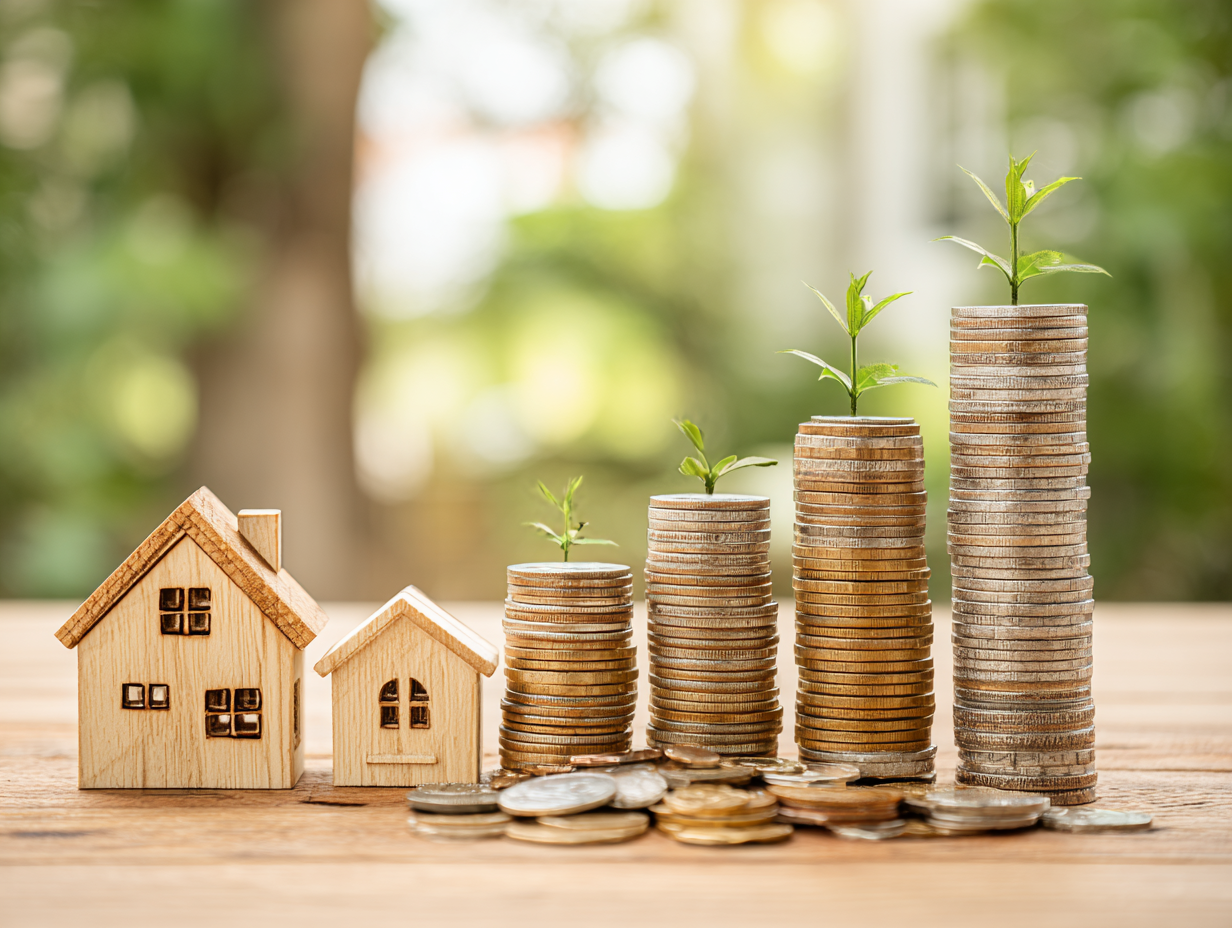
Grow Your Down Payment
The Role of Homebuyer Education
Many assistance programs, especially at the local level, require completion of an approved homebuyer education course. These classes often cover:
- Credit and budgeting fundamentals.
- How to compare and shop for mortgages.
- What to expect during inspections, appraisals, and closing.
- How to plan for the long-term costs of homeownership.
In Wilmington, the city’s homebuyer education classes are a valuable resource, and completion may be required or strongly encouraged for programs like HOP and CPLP.
Your Credit Score Is Buying Power
Improving your credit is not about chasing a perfect number; it is about building a strong financial foundation that lenders trust. By paying down revolving debt, making payments on time, keeping old accounts open, disputing errors, and being thoughtful about new credit, you position yourself for better interest rates, more favorable terms, and access to valuable assistance programs.
Programs such as Wilmington’s Home Ownership Pool (HOP), the Community Partners Loan Pool (CPLP), and the NC 1st Home Advantage Down Payment can bridge the gap between your savings and the cost of buying, especially when paired with a well-managed credit profile.
If you are thinking about buying a home in the Wilmington area and want to understand your financing options, you do not have to figure it out alone. Reach out to The Cameron Team for names of trusted lenders who work closely with first-time buyers, are familiar with local and statewide assistance programs, and can help you make the most of your credit and your budget.
With the right strategy, the right partners, and a focused approach to improving your credit, your goal of owning a home in or around Wilmington can move from “someday” to “soon.”
Frequently Asked Questions About Boosting Your Credit Score
What does improving my credit score mean for me as a Wilmington home buyer?
Improving your credit score means enhancing your financial profile so lenders see you as a lower-risk borrower. In practical terms, a higher credit score often translates to better mortgage rates, lower monthly payments, and more favorable loan options. For Wilmington buyers, that can increase your purchasing power — allowing you to qualify for a larger loan or save money over time with lower interest.
How does a better credit score affect home value and affordability in coastal North Carolina?
A stronger credit score doesn’t directly change the market value of homes in coastal North Carolina, but it does affect how much home you can comfortably afford. With higher credit, you’re more likely to secure lower mortgage rates, which reduces your monthly payment and total interest over the life of the loan. That increased affordability can expand the range of homes you qualify for, especially in competitive markets like Wilmington.
Are there specific credit and lending considerations for buyers in Wilmington?
Yes. In coastal communities like Wilmington, where home prices have historically risen and inventory can be limited, lenders closely review your credit profile to determine how much risk you represent. Beyond your credit score, factors such as your debt-to-income ratio, employment history, and savings also play a role. Mortgage programs may vary in how they weight these items, so it’s wise to work with a lender who understands local conditions and can guide you toward loan options that fit your financial picture.
When is the best time to start improving my credit score before buying a home?
The best time to start improving your credit score is as soon as you begin thinking about buying a home. Credit improvements — such as paying down balances, correcting errors on your report, and establishing consistent on-time payments — take time to show impact. Ideally, start reviewing your credit at least 3–6 months before you apply for pre-approval so you can address any issues and give positive changes time to register with the credit bureaus.
Who should I talk to if I’m unsure how to boost my credit or understand my mortgage options?
If you’re unsure how to improve your credit or what mortgage programs are right for you, a good first step is talking with a trusted lender. They can pull your credit report, explain your current score, and outline practical steps to increase it. You can also work with a financial advisor or credit counselor to develop a targeted plan for paying down debt, managing accounts, and addressing errors. Your real estate agent can then help you understand how your credit profile interacts with financing options in the Wilmington market.
Check out this article next