
Key Takeaways
- July in Wilmington means heat, humidity, and afternoon storms that accelerate wear on exterior surfaces, making it a smart time for preventive upkeep that protects your home and supports future resale.
- The most practical July projects focus on outdoor comfort and visible presentation: front entries, porches, patios, landscaping touch-ups, screen repairs, and simple maintenance that buyers actually notice.
- Coastal homes show wear faster than inland properties, so small fixes now can prevent bigger headaches before fall listing season or storm activity picks up.
- Buyers touring homes in summer pay close attention to outdoor readiness, moisture control, and whether a home feels well-maintained or like it has been put off.
- Strategic summer upkeep helps you enjoy your home now while keeping it ready for strong listing photos and showings down the road.
Why July Home Care Matters Near The Wilmington Coast
Most summer home maintenance advice feels pretty generic. Check the air conditioner. Water the plants. Clean the gutters. Those things matter, but they miss what actually happens to homes here in Southeastern North Carolina during July.
This week's forecast is running between 86° and 97° with repeated humid storm chances. That is pretty typical for this time of year. According to the National Weather Service, Wilmington sees an average 78% humidity in July along with about 6.86 inches of rain. When you layer that moisture over salt air, afternoon sun, and quick-moving storms, things wear out faster than you might expect.
Mildew shows up on shaded siding. Screens tear. Porch ceilings develop water stains. Landscaping either looks stressed or overgrown depending on how drainage is working. Wood surfaces fade or splinter. These are not dramatic failures, but they are the kinds of details that affect how your home feels to live in and how it shows if you decide to sell.
There is also a market angle worth mentioning. Wilmington homes were moving 2.27% faster year over year according to the latest Realtor.com snapshot. That does not mean every home is flying off the market, but it does mean buyers are still comparing properties carefully. When they scroll through listings or walk through your home, visible upkeep makes a difference.
July is also a good time to think ahead. We are not in peak hurricane season yet, but late summer and early fall can bring tropical activity. Taking care of loose boards, clogged gutters, and overgrown branches now means one less thing to worry about if a storm does track this way.
The goal is not to turn your home into a showpiece. It is to keep it comfortable, functional, and protected so you can enjoy it now and feel confident about its condition later.
Which July Projects Help A Wilmington Home Most?
Not every summer project is worth your time or money. The ones that tend to matter most are the ones people see first, use most often, or notice when something feels off.
Front Entry And Curb Appeal
Your front entry sets the tone before anyone steps inside. In July, that means looking at the space with fresh eyes after months of pollen, storms, and foot traffic.
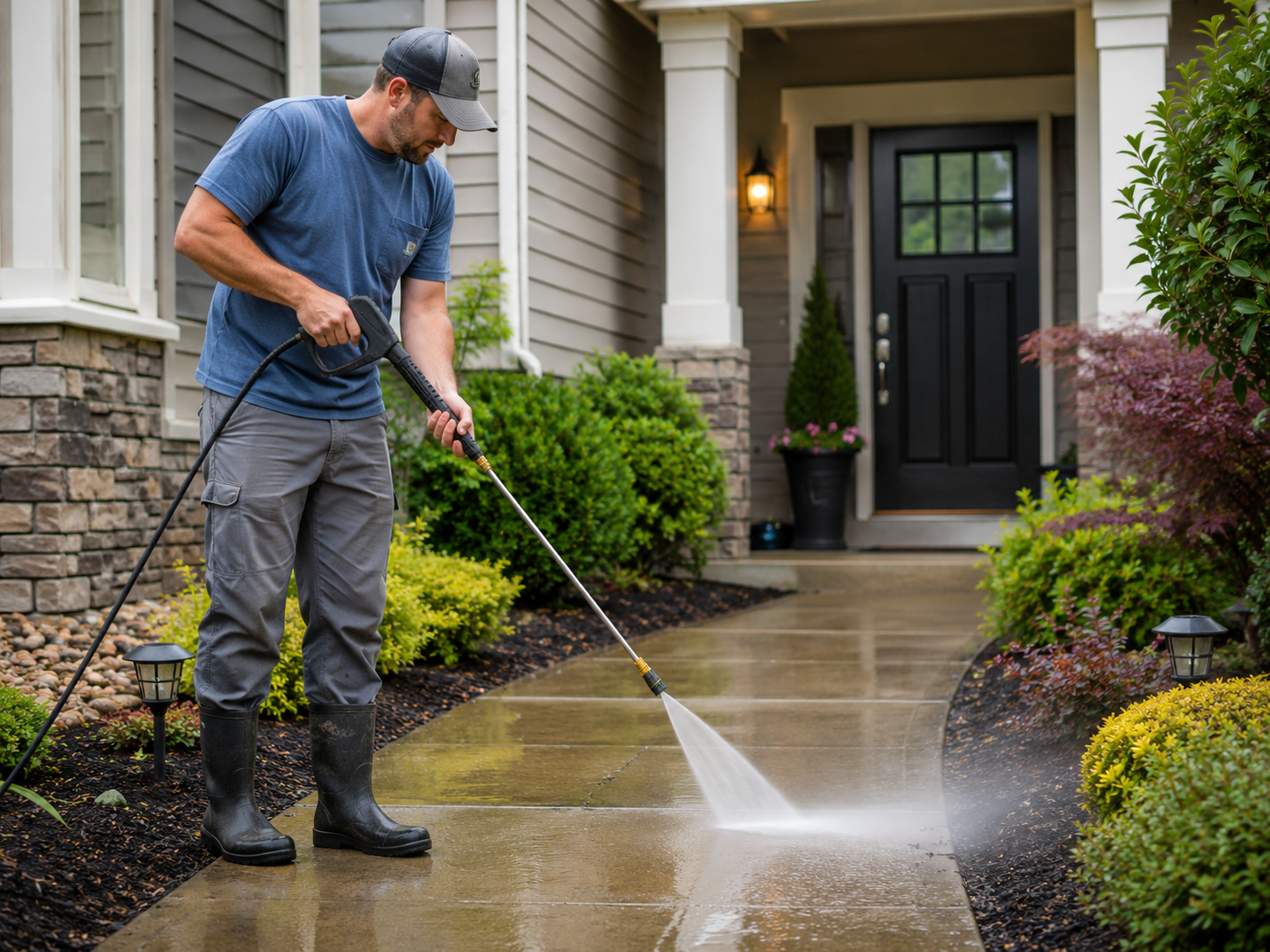
Start with the walkway. If it has green film, dirt streaks, or visible mildew, a pressure wash can make a noticeable difference. You do not need to blast the entire house, just focus on the entry sequence.
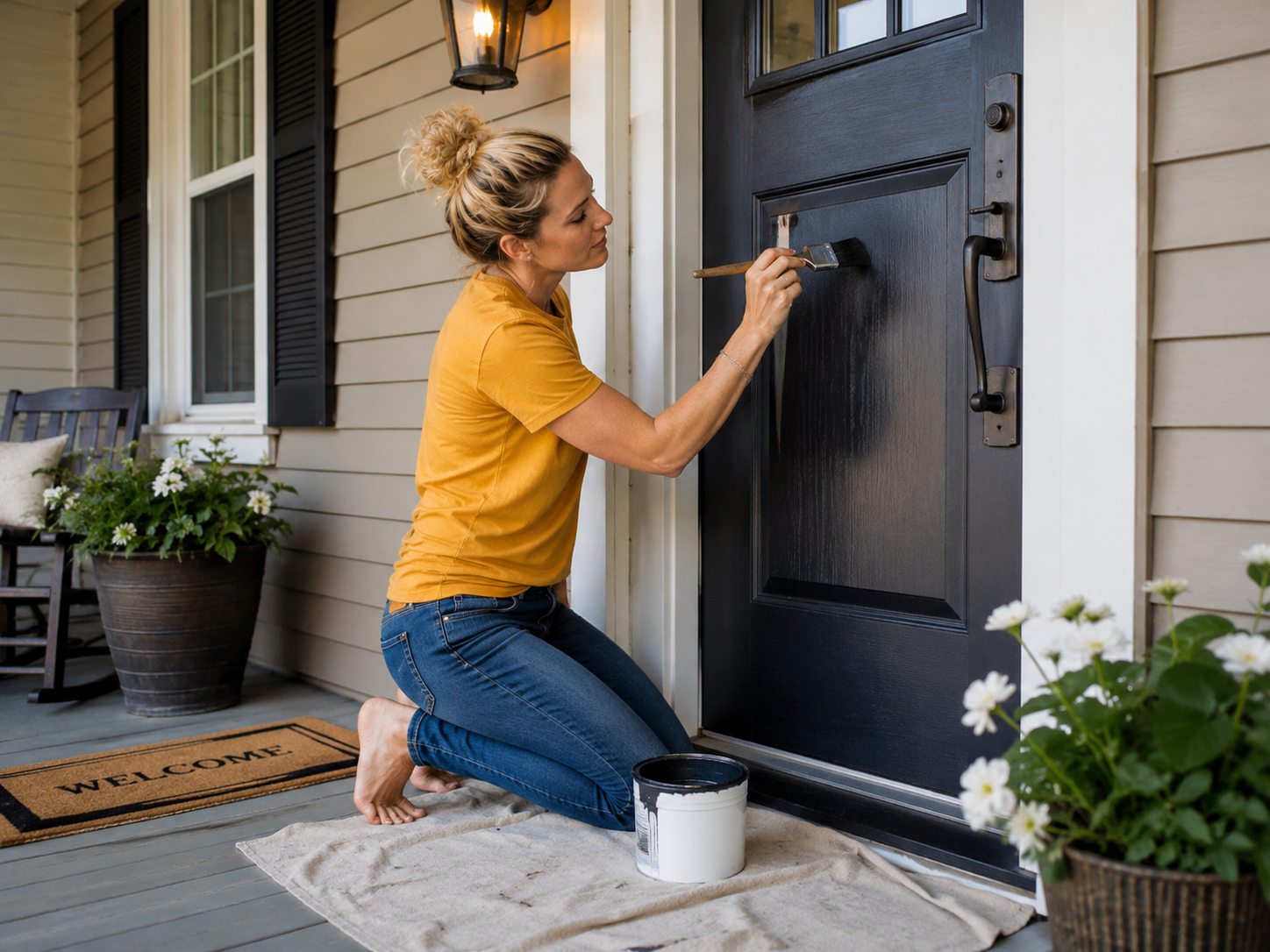
Next, look at the front door itself. Wipe it down, check the hardware, and replace the doormat if it is faded or worn. If the door color has faded or the finish is peeling, a fresh coat of paint can be one of the simplest upgrades with the biggest visual return.
Check your house numbers and sconces. If they are hard to read at night or look dated, replacing them is inexpensive and improves both safety and first impressions. Warm outdoor lighting makes a home feel more welcoming, especially in evening photos or during showings after work hours.
Decks Porches And Railings
Porches and decks are not just nice to have around here. They are part of how people actually live. A porch extends your living space during spring and fall. A deck connects the indoors to the yard. If these areas feel neglected, the whole home can feel less functional.
Walk your porch or deck and look for loose boards, popped nails, soft spots, or wobbly railings. These are safety issues, but they are also red flags for buyers. If you are planning to sell in the next year, fixing these now is smarter than waiting until a home inspector points them out.
Wash the floor and check the ceiling. Pollen, salt film, and mildew build up quickly on horizontal surfaces and shaded areas. A simple cleaning can make the space feel usable again instead of sticky or grimy.
If you have ceiling fans, test them. If they wobble or do not turn on, get them fixed. Buyers notice whether outdoor spaces feel comfortable, and a working fan is part of that equation.
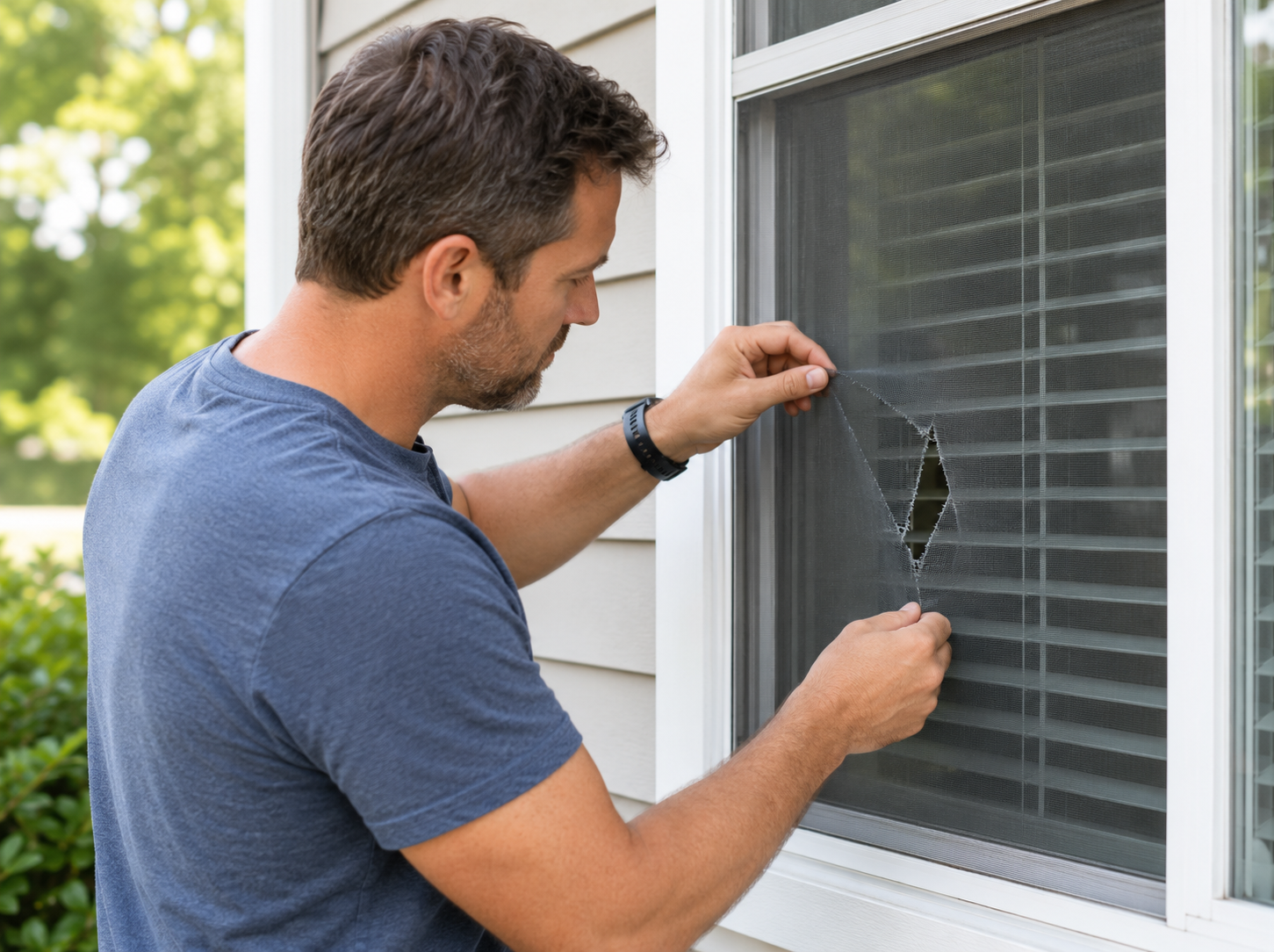
Screen panels are another common July issue. Torn or sagging screens let in bugs and make the porch feel unfinished. Replacing a screen panel is not expensive, but it makes the space feel cared for.
| July Check | Why It Matters |
|---|---|
| Railings tightened | Safety and buyer confidence |
| Floor or deck wash | Removes pollen, mildew, salt film |
| Ceiling fans tested | Better porch comfort in humid weather |
| Screen panels patched | Keeps outdoor rooms usable |
Landscaping And Outdoor Cleanup
Landscaping does not have to be perfect, but it does need to look intentional. In July, that usually means trimming back overgrowth, edging walkways, and refreshing mulch where it has thinned out.
Focus on the areas closest to the house first. Clear beds near the foundation, trim branches that touch siding or windows, and pull weeds from cracks in hardscape. These are the details that show up in listing photos and affect curb appeal.
One thing to watch for is irrigation overspray. If your sprinkler system is hitting the siding, it is creating a constant moisture source that can lead to mildew. According to NC State Extension, keeping water off the house and checking for excess moisture sources around the exterior are important steps in reducing mold risk.
Another common issue is overwatering. Coastal plantings can look stressed even when they are getting too much water, especially if drainage is poor. Before you add more water, check whether the soil is staying too wet.
If your landscaping feels overgrown or dated, you do not need a full redesign. Often, a clean edge, fresh mulch, and a few removed shrubs can open up the front of the house and make it feel more current.
Windows Screens And Exterior Surfaces
Windows and screens take a beating in summer. Salt air, pollen, rain, and humidity leave behind film, streaks, and grime that make a home look tired even when the bones are solid.
Start by washing the glass. Clean windows let in more light and make rooms feel brighter. If you are preparing for photos or showings, this is one of the easiest ways to improve how the home presents.
Next, check the screens. Torn screens are easy to overlook when you are living in the house, but buyers notice them immediately. Replacing a screen is inexpensive and makes windows and doors feel finished.
Look at the trim, doors, and hardware around windows and entries. Mildew streaking on trim and shaded siding is common in coastal areas, especially on north-facing surfaces. A soft wash or careful cleaning can remove buildup without damaging finishes.
If you see rust on hardware, consider replacing it. Coastal air accelerates corrosion, and rusty hinges or handles can make a home feel neglected even when everything else is in good shape.
HVAC Filters And Indoor Comfort
July is not the time to ignore your HVAC system. When it is running constantly, a clogged filter makes the system work harder, reduces efficiency, and affects indoor air quality.
Replace your filter if you have not done so recently. Check return vents to make sure they are not blocked by furniture or rugs. Clear the area around your outdoor unit so airflow is not restricted.
If you have a condensate line, make sure it is draining properly. A clogged line can cause water damage and create moisture issues inside the home.
Indoor comfort is closely tied to moisture control. NC State notes that high humidity is a core driver of indoor mold risk in homes. If rooms feel sticky, closets smell musty, or windows fog up, your HVAC system may not be keeping up with the humidity load. That is worth addressing now instead of waiting until it becomes a bigger problem.
What Do Wilmington Buyers Notice In Summer?
If you are thinking about selling in the next year, it helps to understand what buyers are paying attention to when they tour homes in July.
Exterior Wear And Deferred Upkeep
Buyers are looking for signs that a home has been maintained. Faded trim, rusting hardware, water-stained porch ceilings, and neglected wood surfaces all suggest deferred upkeep.
These are not deal-breakers on their own, but they add up. When a buyer sees multiple small issues, they start wondering what else has been overlooked. That can lead to lower offers or requests for repairs during the inspection period.
Porches Patios And Outdoor Seating
Buyers want to know whether outdoor space is actually usable. A porch with broken furniture, clutter, or peeling paint does not feel like an asset. A clean porch with a simple seating area and a working fan feels like an extension of the home.
The same is true for patios and decks. Buyers notice whether the space has shade, lighting, and a defined purpose. They are picturing how they would use the area, and a little staging can help them see the potential.
Humidity Air Flow And Indoor Comfort
Sticky interiors, foggy windows, musty closets, and rooms that feel warmer than others stand out quickly in July. Buyers are sensitive to comfort, especially when they are touring multiple homes in one afternoon.
If your home feels uncomfortable during showings, buyers may assume there is a bigger HVAC or moisture issue. Even if the system is working fine, poor airflow or high indoor humidity can create a negative impression.
Garages Closets And Storage Areas
Buyers notice overflow. Beach gear, holiday decorations, tools, and everyday clutter all compete for space in garages, closets, and storage rooms. If these areas feel packed, buyers start to worry that the home does not have enough storage.
This is especially relevant in coastal areas where population growth continues. Pender County, for example, has grown 19.8% since 2020, reflecting continued in-migration to the region. Many buyers are comparing homes carefully and looking for function and storage that fits their lifestyle.
Which Summer Projects Earn Their Keep Before Listing?
If you are preparing to sell, not every project is worth the investment. The goal is to focus on updates that improve buyer perception without over-improving for your market.
Paint Repairs And Touch-Ups
You probably do not need to repaint the entire house, but spot painting can make a big difference. Focus on the front door, shutters, trim, railings, and any visible scuffs or fading.
Fresh paint signals upkeep. It makes a home feel cared for, and it photographs better than faded or peeling finishes.
Cleaning Trimming And Decluttering
Some of the highest-return projects are not projects at all. They are just cleaning and organizing. Wash surfaces, trim branches, clear porches, simplify patio furniture, and remove dead plant material.
These steps cost almost nothing, but they improve how the home presents online and in person. Buyers respond to homes that feel move-in ready, and clutter or grime can make even a well-maintained home feel overwhelming.
Outdoor Spaces For Photos
You do not need to stage every outdoor area, but you should prep one or two zones fully. A clean front entry, a tidy porch, or a defined patio seating area can all improve listing photos and help buyers imagine using the space.
| Photo-Ready Area | Minimum Standard |
|---|---|
| Front entry | Clean hardscape, working light, simple pot or mat |
| Porch | Swept floor, cushions refreshed, no storage clutter |
| Patio or deck | Defined seating area, tidy grill zone, no hose sprawl |
Big Projects That Can Wait
You do not need to replace a perfectly functional roof, repaint every room, or remodel a bathroom just to list your home. Focus on visible condition and deferred maintenance, not over-improvement.
If storm-related upgrades come up, it is worth knowing that some coastal wind-resistance improvements may qualify for 4% to 5% discounts on wind and hail coverage. That is useful context for repair decisions, but it is not a reason to take on major projects before listing unless there is visible failure.
How Outdoor Living Shapes Buyer Interest
Around here, outdoor living is not a bonus. It is part of daily life. Buyers expect porches, patios, decks, and outdoor showers to be part of the home, not just decorative features.
Screened porches extend the usable season. Covered patios provide shade during hot afternoons. Decks connect the indoors to the yard. Outdoor showers are practical after beach trips. These are the features that align with how coastal homes are actually lived in.
Homes closer to the water or in exposed corridors need materials and finishes that hold up under salt air and sun. Durability is part of presentation. A porch with peeling paint or a deck with soft boards does not just look bad. It raises questions about how the home has been maintained and what else might need attention.
When buyers tour homes in summer, they are paying attention to whether outdoor spaces feel usable today. A porch with clutter, broken furniture, or no seating does not feel like an asset. A clean porch with a simple chair, a working fan, and a swept floor feels like part of the home.
How A Local Listing Plan Turns Summer Upkeep Into An Edge
Small July fixes can make a big difference in how a home presents online and during showings. Tidy exteriors, ready-to-use porches, and controlled clutter improve drone footage, video tours, and twilight photography.
Many owner-occupied homes in markets like New Hanover are not brand new. Census housing data shows an owner-occupied median year built of 1978 for the Wilmington metro. That means strategic upkeep often matters more than chasing perfection.
A local listing plan connects summer maintenance to stronger first impressions and fewer buyer questions. Professional photography, video, drone aerials, and broad online exposure work best when the home is ready for that level of visibility.
If you are thinking about selling in the next six to twelve months, July is a practical time to start preparing. The work you do now can carry through to fall listing season and give you more control over timing and presentation.
Check out this article next