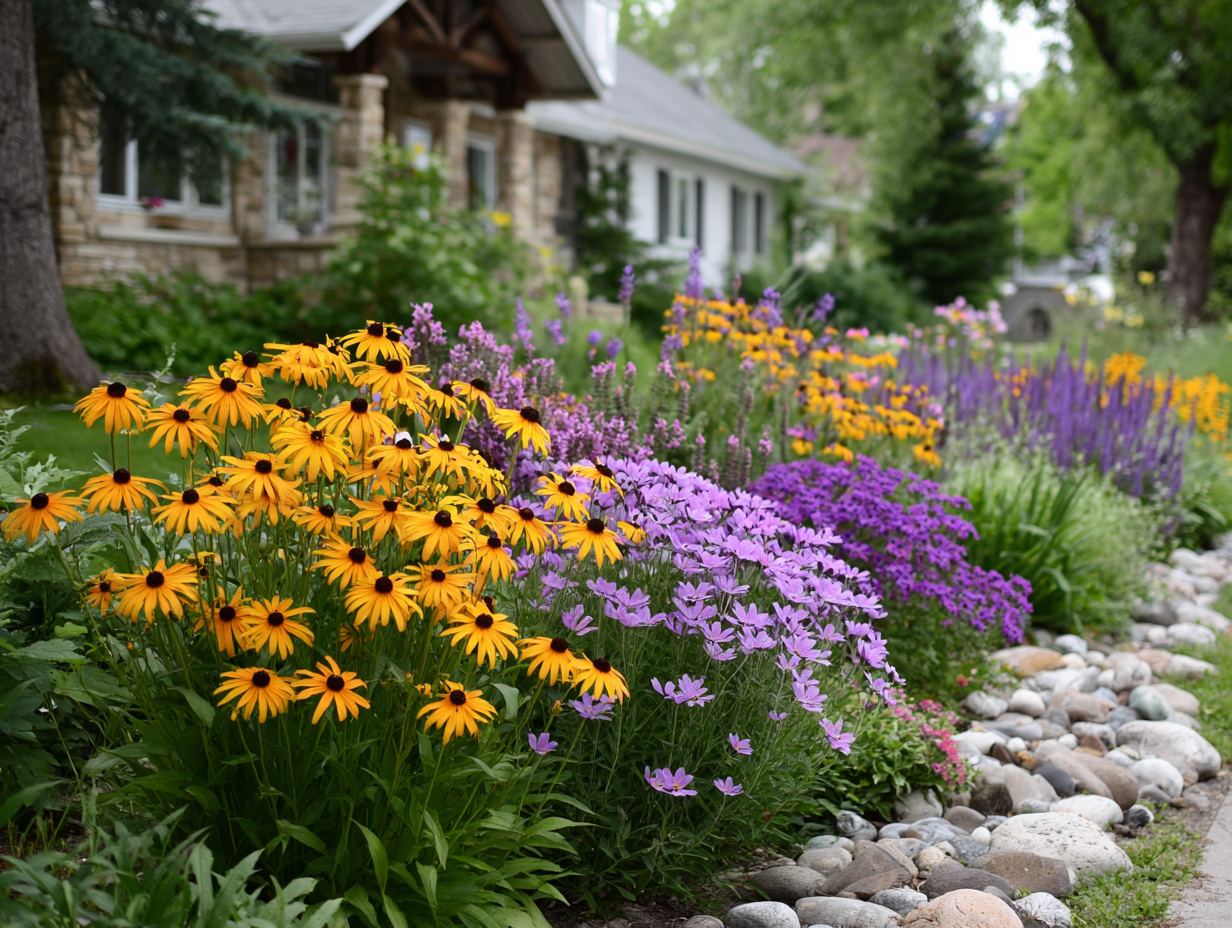
Summary: Gardeners in USDA Zones 8a and 8b — including Wilmington and much of Southeastern North Carolina — often deal with hot summers, sandy soil, and periods with little rainfall. Choosing drought-resistant plants allows homeowners to maintain attractive landscapes while reducing the need for constant watering.
Drought-tolerant landscaping focuses on plants that naturally handle dry conditions. These species typically have deep root systems, small or waxy leaves that reduce water loss, or the ability to store moisture during dry periods.
- Drought-tolerant perennials: Black-eyed Susan, Coneflower, Coreopsis, Blanket Flower
- Resilient shrubs: Wax Myrtle, Yaupon Holly, American Beautyberry, Rosemary
- Ornamental grasses: Muhly Grass, Switchgrass, Little Bluestem
- Low-water groundcovers: Creeping Thyme, Sedum, Frogfruit
- Durable trees: Southern Live Oak, Southern Magnolia, Eastern Red Cedar
- Landscape strategies: Improve soil with compost, apply mulch, group plants by water needs, and water deeply but less frequently
Using plants that are naturally suited to the climate in coastal North Carolina can reduce maintenance while keeping your yard healthy and visually appealing even during dry spells.
Please note: The Cameron Team has not been paid or received any other compensation to include any of the products featured on this post, but the author has included affiliate links and content. If you click on a link, they may earn a commission – a high-five for great content!
Why Should Homeowners in Coastal North Carolina Choose Drought-Resistant Plants?
Much of Southeastern North Carolina has sandy or sandy-loam soil. These soils drain quickly, which is beneficial for preventing root diseases but also means moisture disappears faster during hot weather.
Drought-resistant plants are adapted to handle these conditions.
Homeowners often choose these plants because they:
- Require less irrigation
- Reduce water bills
- Survive summer heat more easily
- Require less maintenance
- Support pollinators and wildlife
This type of landscaping is sometimes called xeriscaping. The term simply refers to landscaping that minimizes water usage by selecting appropriate plants and soil management practices.
For homeowners preparing a property for sale, drought-tolerant landscaping can also help maintain curb appeal without requiring constant care.
Which Perennials Thrive in Drought Conditions in Zones 8a and 8b?
Perennials provide reliable color in gardens because they return each year. Many native perennials evolved in dry or well-drained soils and handle drought conditions well once established.
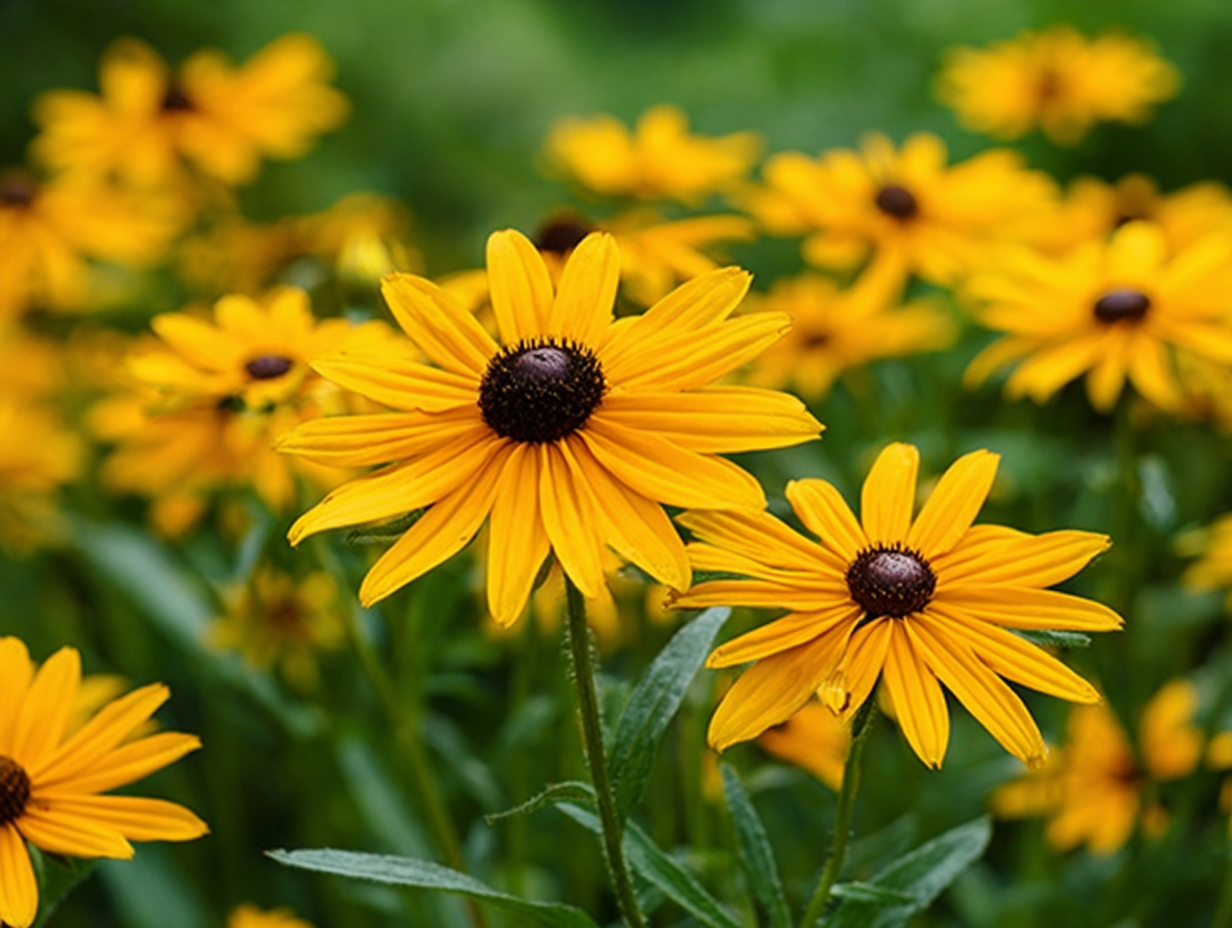
Black-Eyed Susan (Rudbeckia hirta)
- Native wildflower across much of North America
- Bright yellow petals with dark centers
- Blooms from early summer into fall
- Tolerates poor soil and drought once established
- Attracts bees, butterflies, and beneficial insects
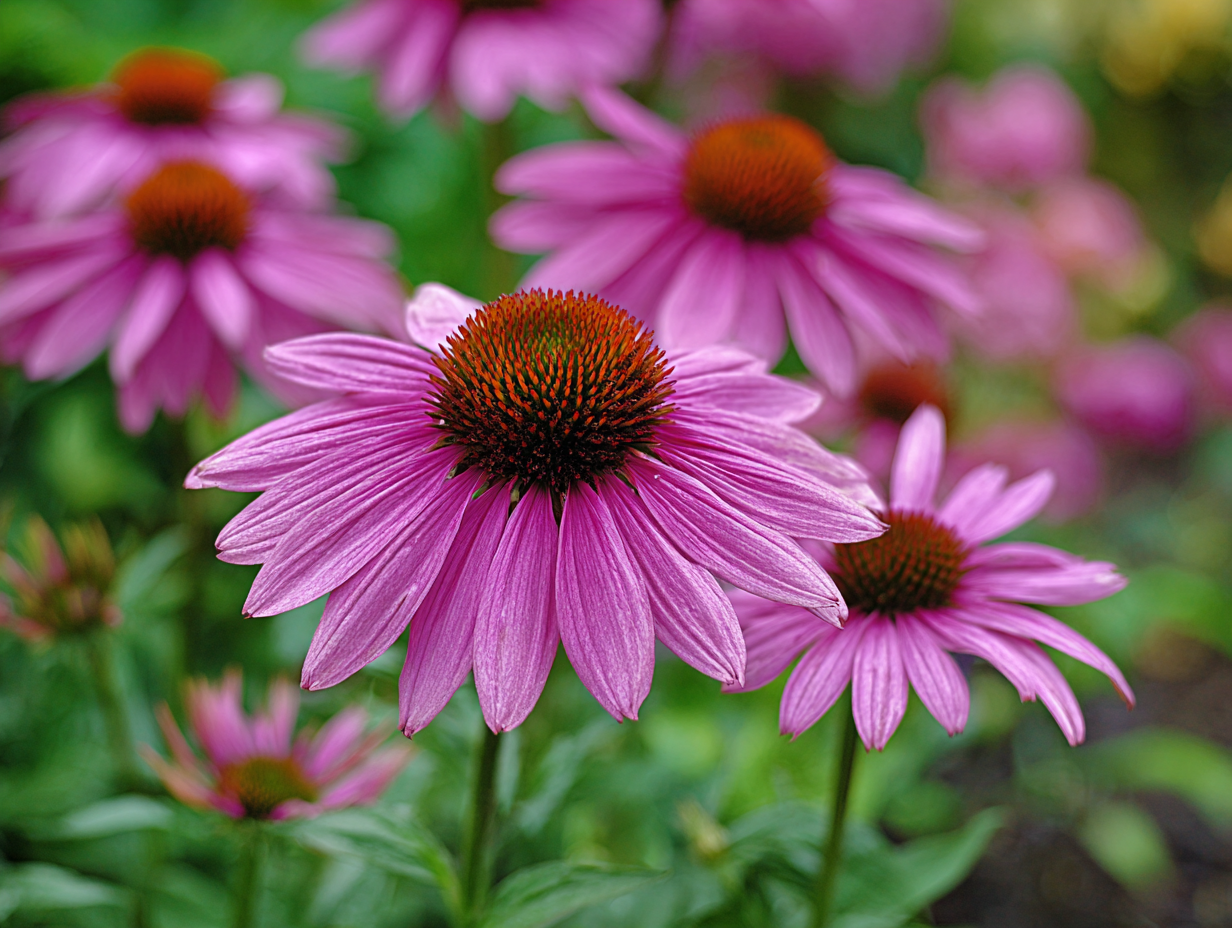
Purple Coneflower (Echinacea purpurea)
- Native perennial widely grown in the Southeast
- Deep roots allow it to access moisture below the soil surface
- Available in purple, pink, white, and orange varieties
- Supports pollinators and songbirds
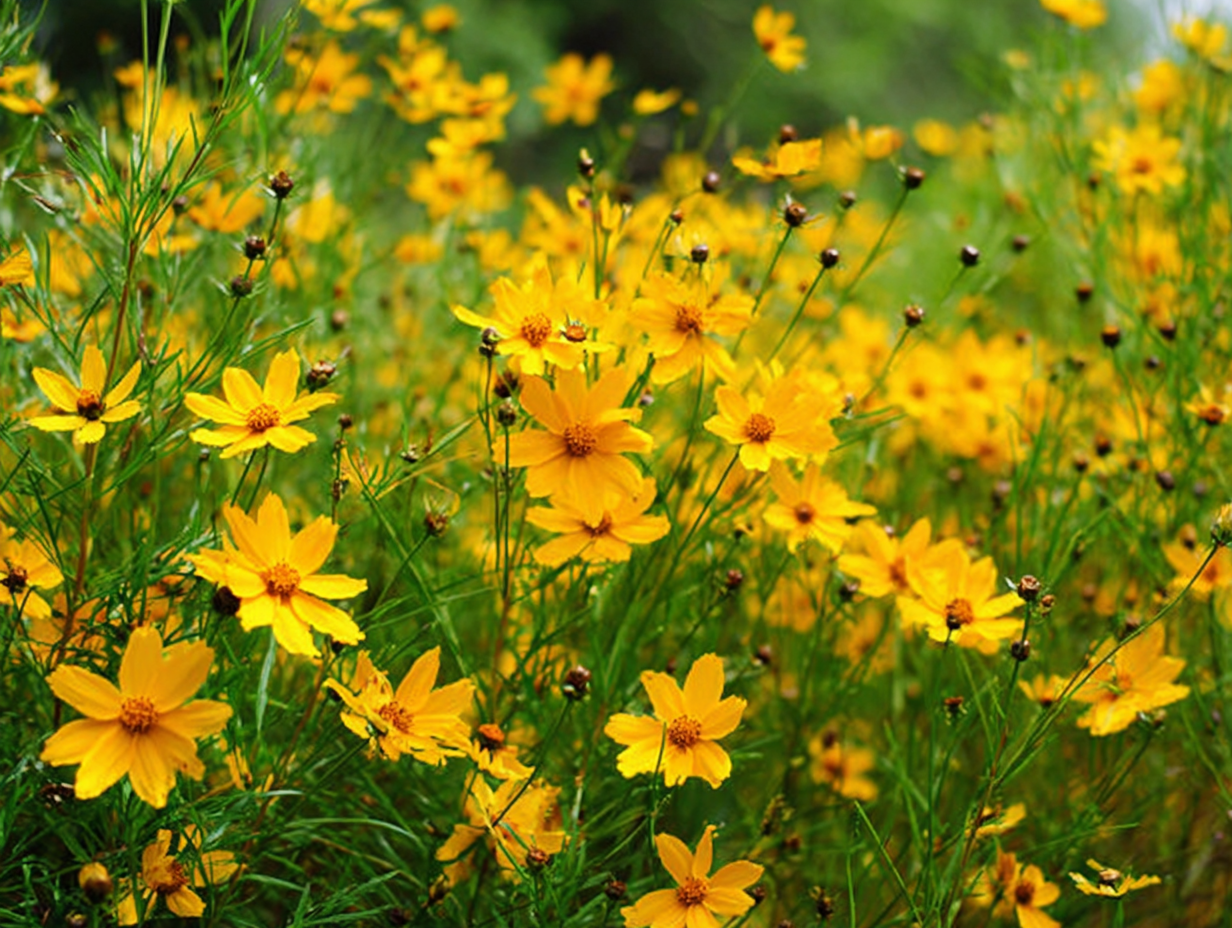
Coreopsis (Coreopsis verticillata and Coreopsis lanceolata)
- North Carolina’s state wildflower
- Thrives in sandy soils
- Produces bright yellow flowers for extended periods
- Requires minimal fertilization or watering
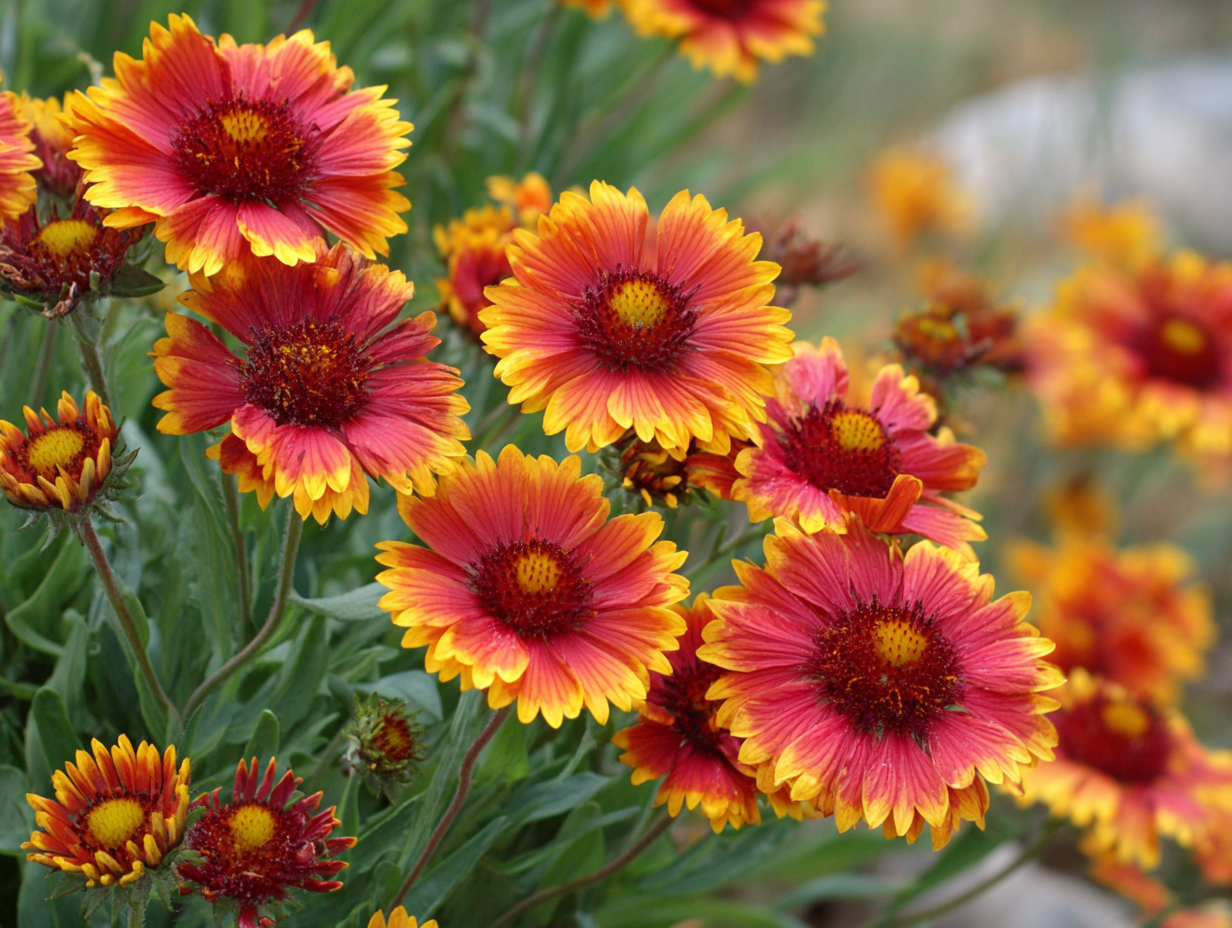
Blanket Flower (Gaillardia pulchella)
- Native to the southeastern United States
- Red and yellow daisy-like blooms
- Extremely tolerant of heat and drought
- Long blooming season
These perennials are especially useful in sunny landscapes where irrigation is limited.
What Shrubs Handle Dry Conditions Well in Coastal Landscapes?
Shrubs provide structure, screening, and seasonal interest in a landscape. Several shrubs perform particularly well in dry conditions throughout Zones 8a and 8b.
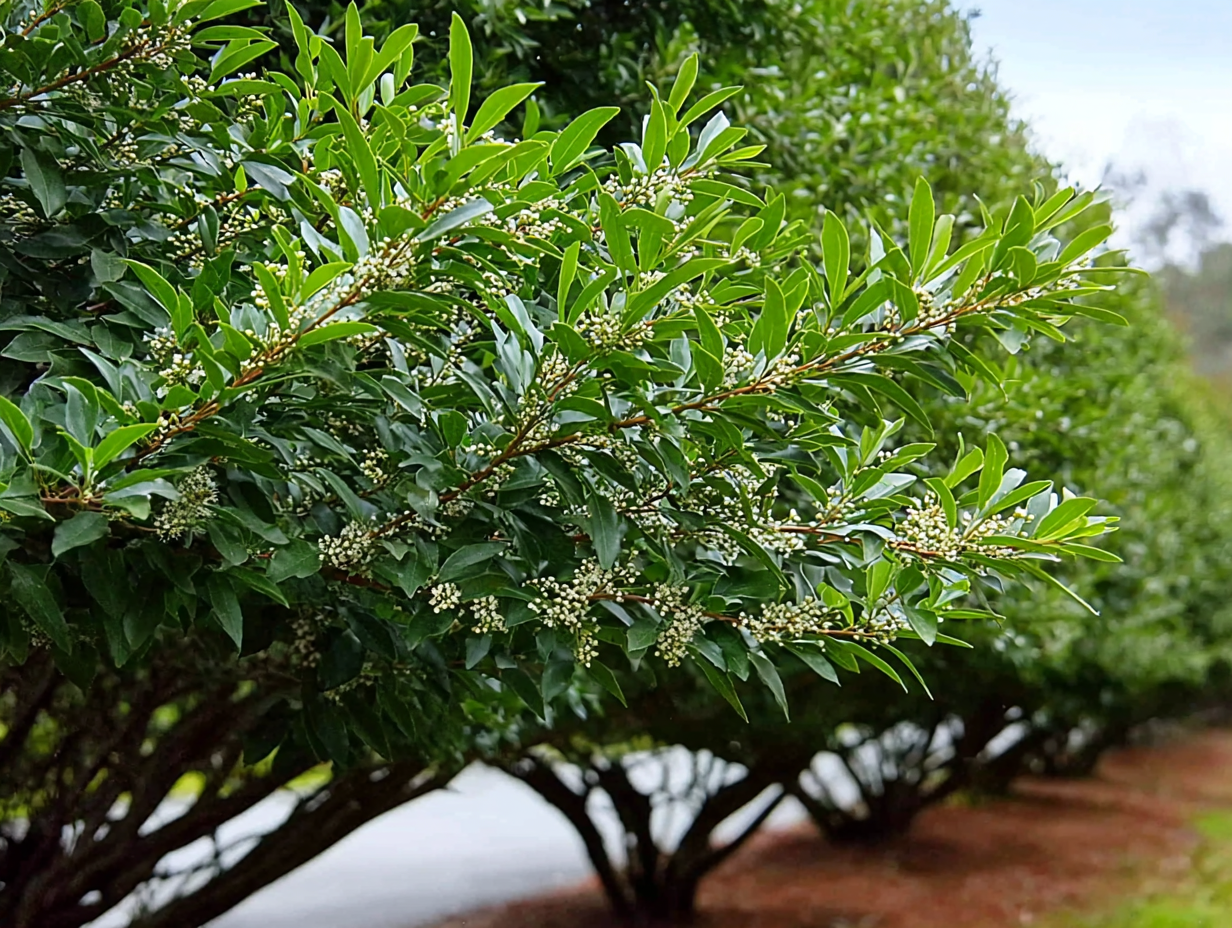
Wax Myrtle (Morella cerifera)
- Native evergreen shrub common in coastal North Carolina
- Handles sandy soil and salt exposure
- Fast-growing and useful for privacy hedges
- Produces berries that attract birds
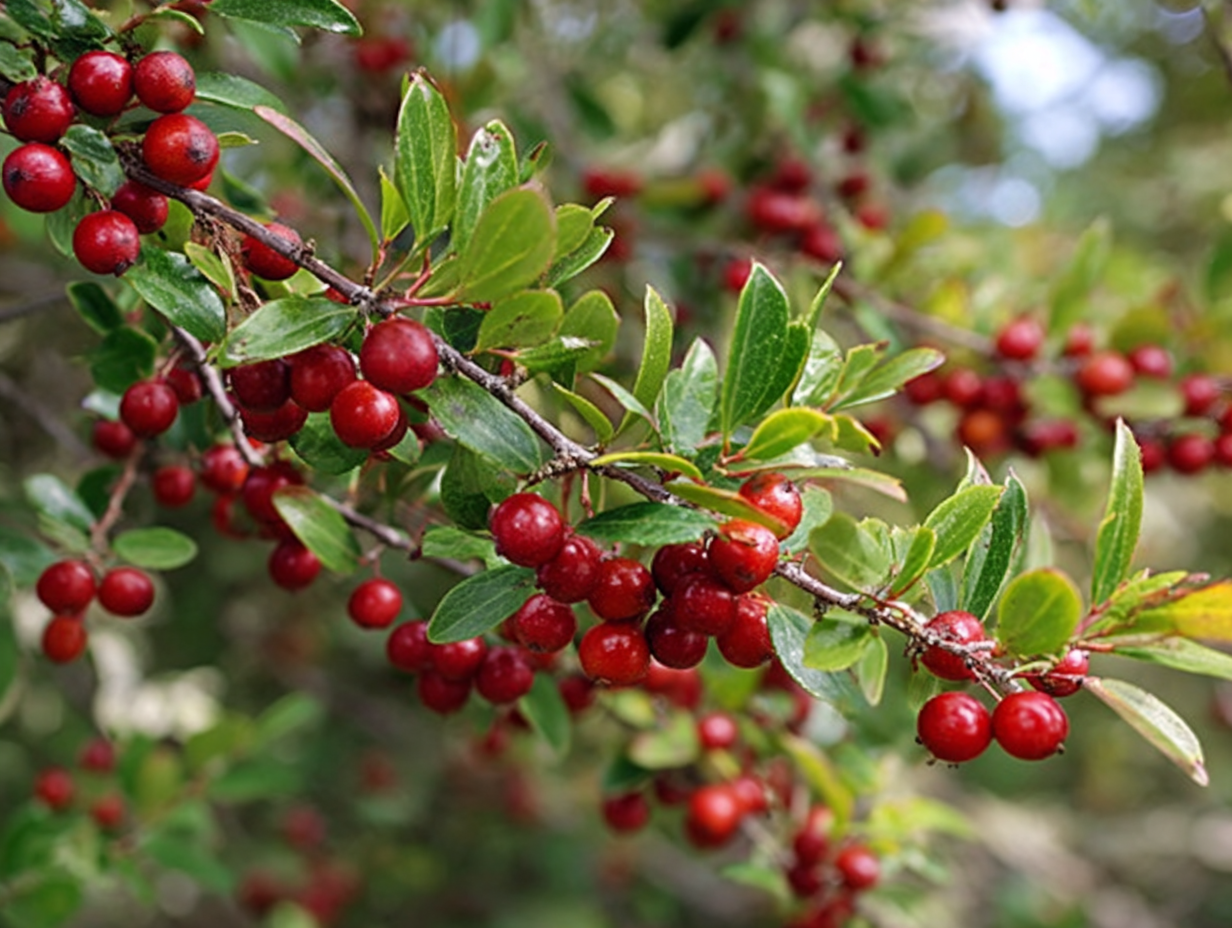
Yaupon Holly (Ilex vomitoria)
- Native evergreen shrub or small tree
- Highly adaptable to various soil types
- Produces bright red berries in winter
- Extremely drought tolerant once established
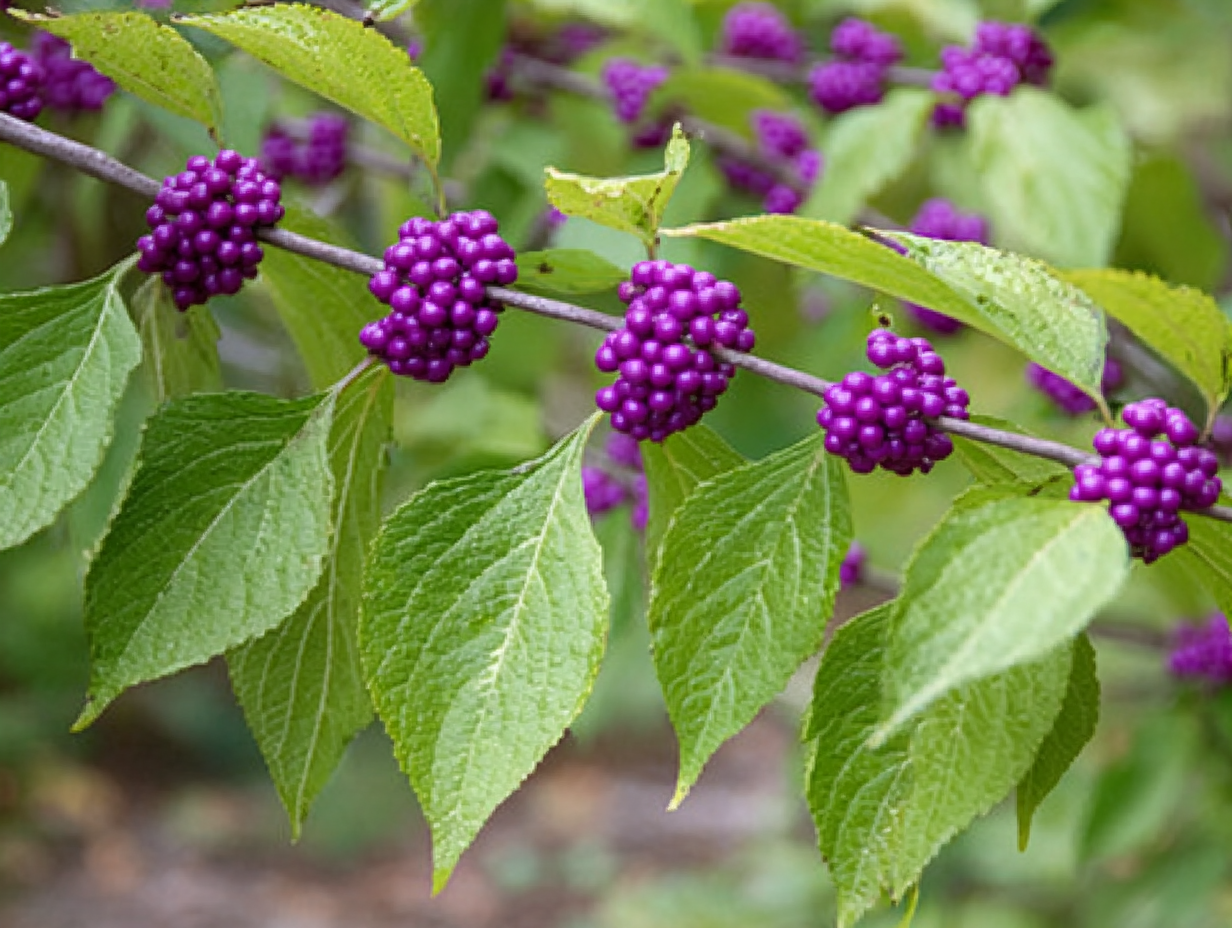
American Beautyberry (Callicarpa americana)
- Native deciduous shrub
- Produces clusters of bright purple berries in fall
- Tolerates dry soil once established
- Excellent for wildlife-friendly gardens
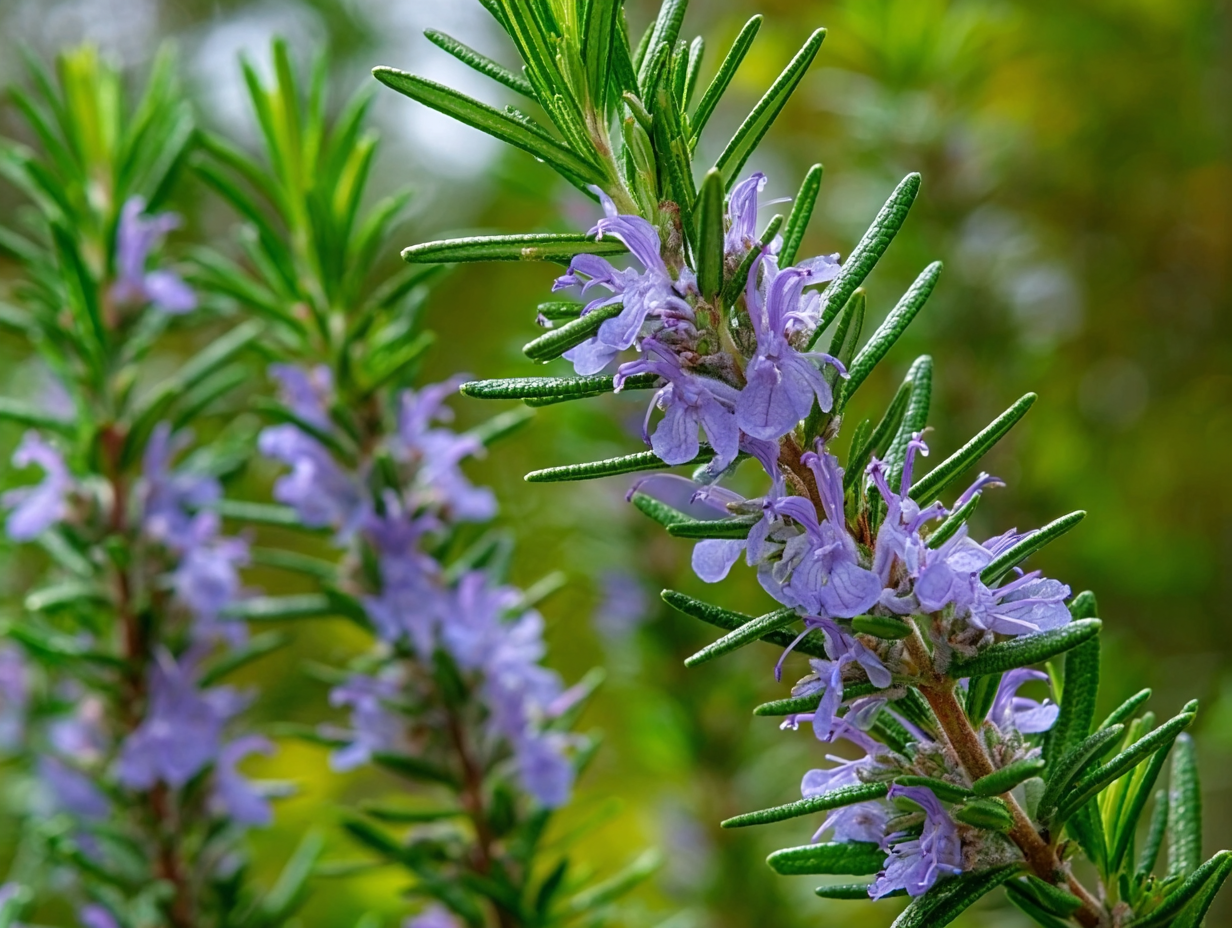
Rosemary (Salvia rosmarinus)
- Evergreen herb that doubles as a landscape shrub
- Prefers dry soil and full sun
- Fragrant foliage used for cooking
- Attracts pollinators
Many of these shrubs are native to the Southeast and naturally adapted to the region’s climate.
What Ornamental Grasses Are Drought Tolerant?
Ornamental grasses provide movement and texture while requiring very little maintenance.
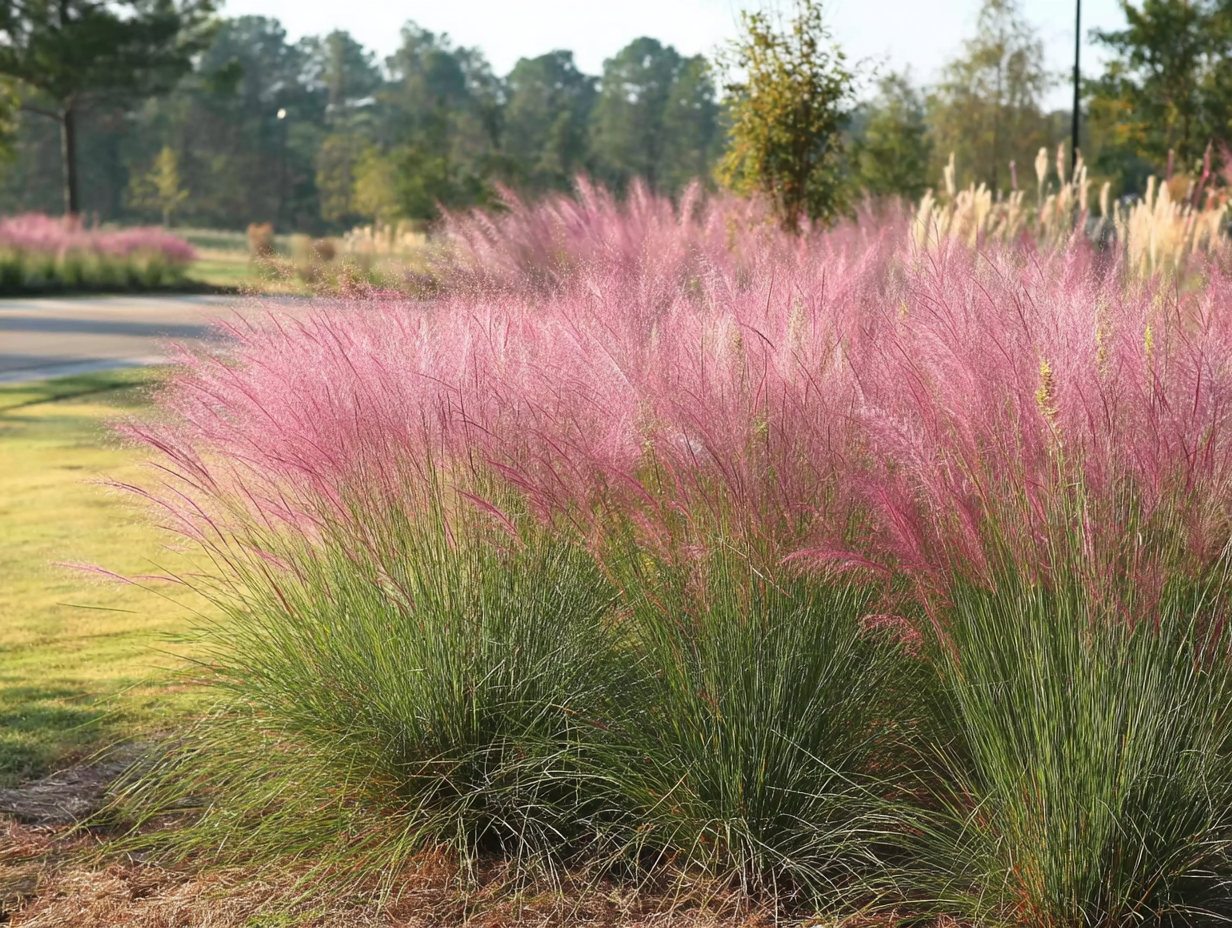
Muhly Grass (Muhlenbergia capillaris)
- Native to the southeastern United States
- Produces dramatic pink plumes in fall
- Extremely tolerant of drought and heat
- Thrives in sandy coastal soil
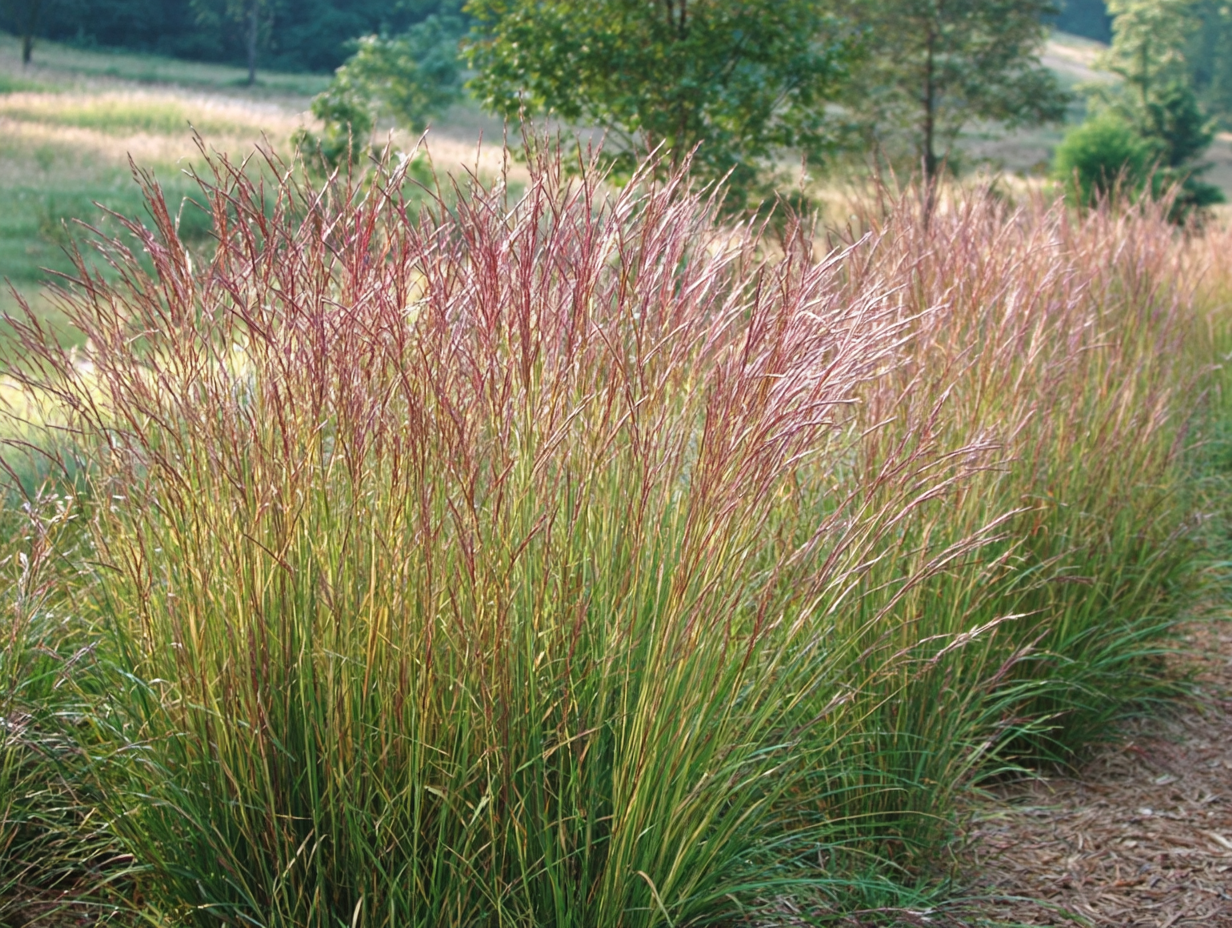
Switchgrass (Panicum virgatum)
- Native prairie grass with deep root systems
- Helps stabilize soil
- Tolerates heat, wind, and drought
- Provides habitat for wildlife
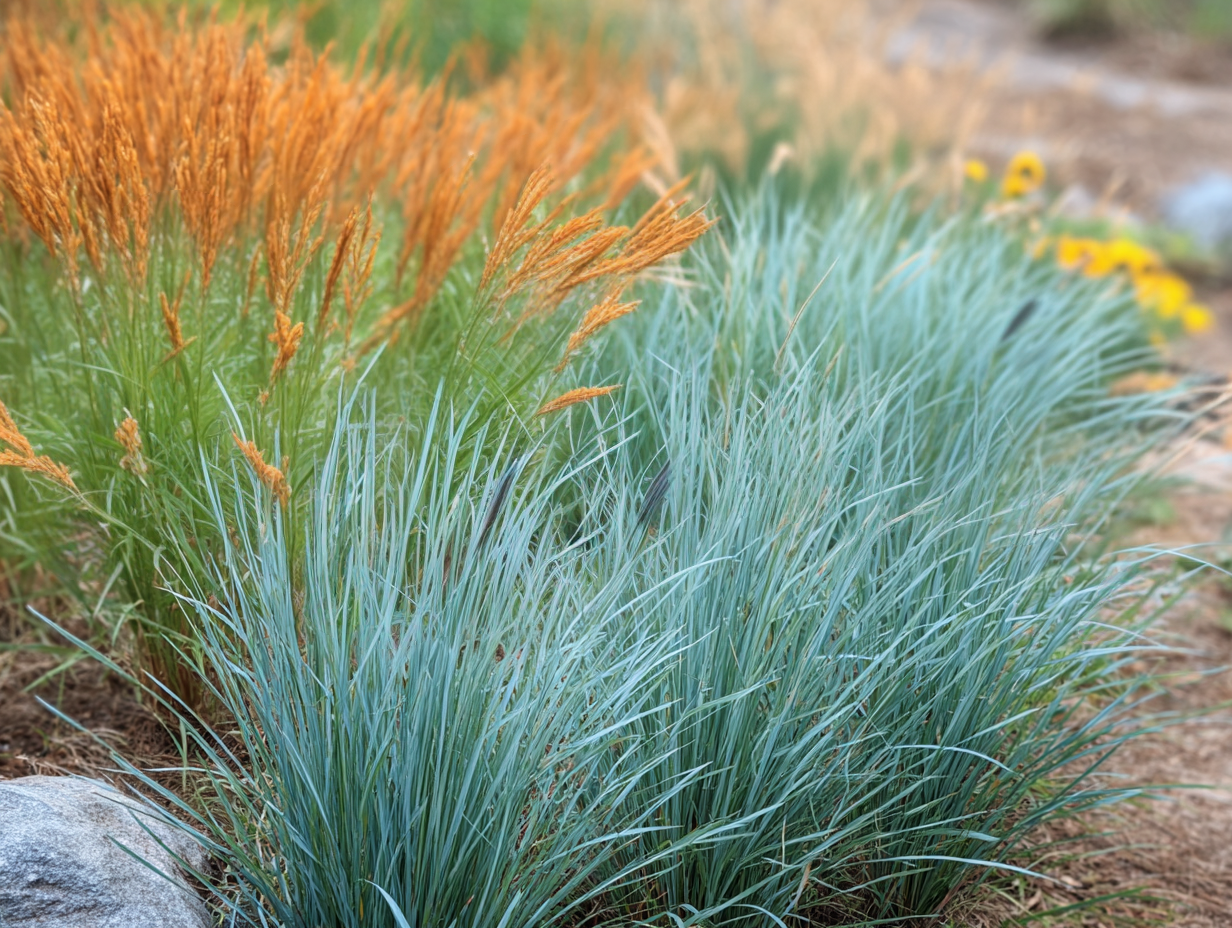
Little Bluestem (Schizachyrium scoparium)
- Native grass known for blue-green summer foliage
- Turns copper and orange in fall
- Highly tolerant of poor soil and dry conditions
- Provides winter interest
Grasses also help soften landscapes visually while providing year-round structure.
Which Groundcovers Require Very Little Water?
Groundcovers reduce exposed soil, which slows moisture evaporation and prevents erosion.
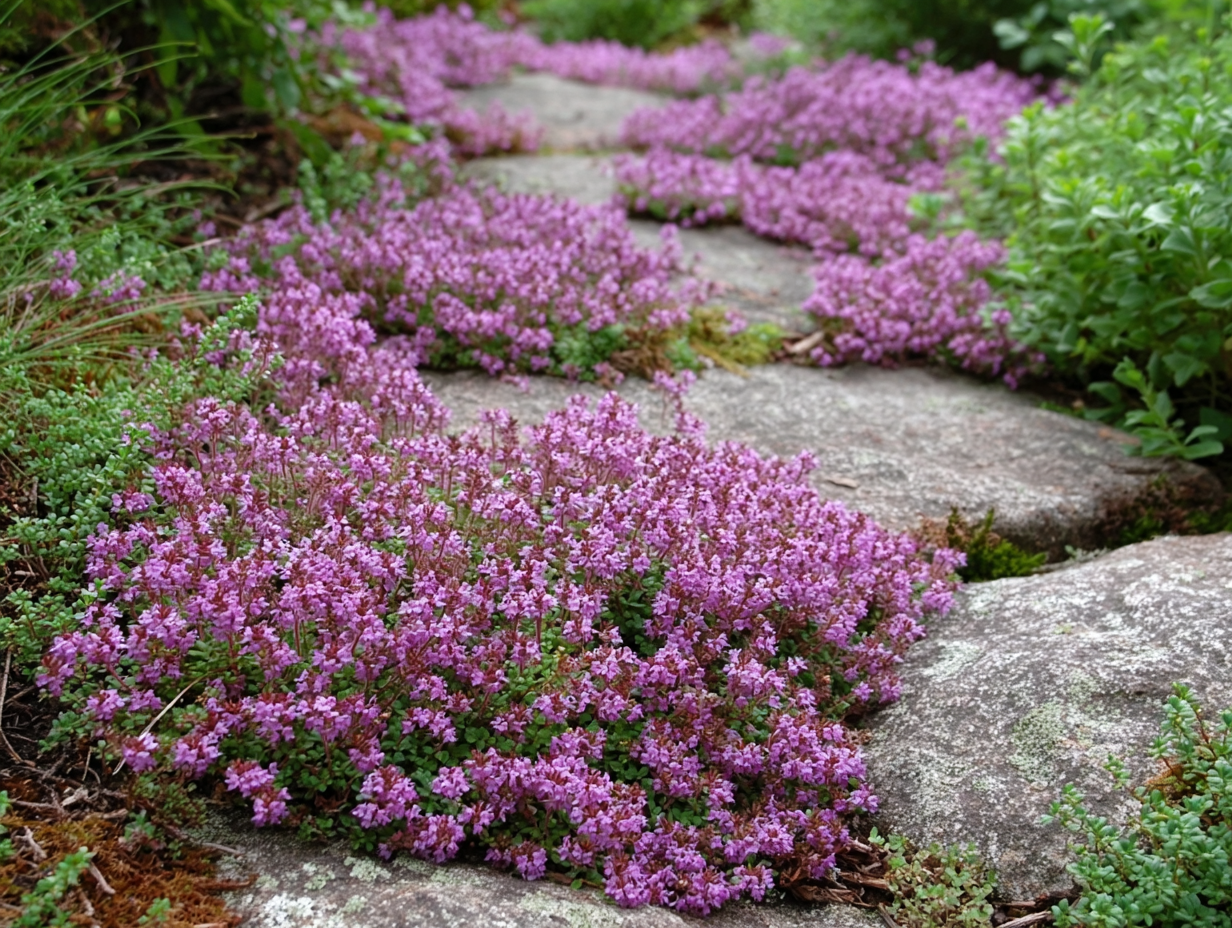
Creeping Thyme (Thymus serpyllum)
- Low-growing herb with fragrant foliage
- Produces purple flowers
- Extremely drought tolerant
- Can tolerate light foot traffic
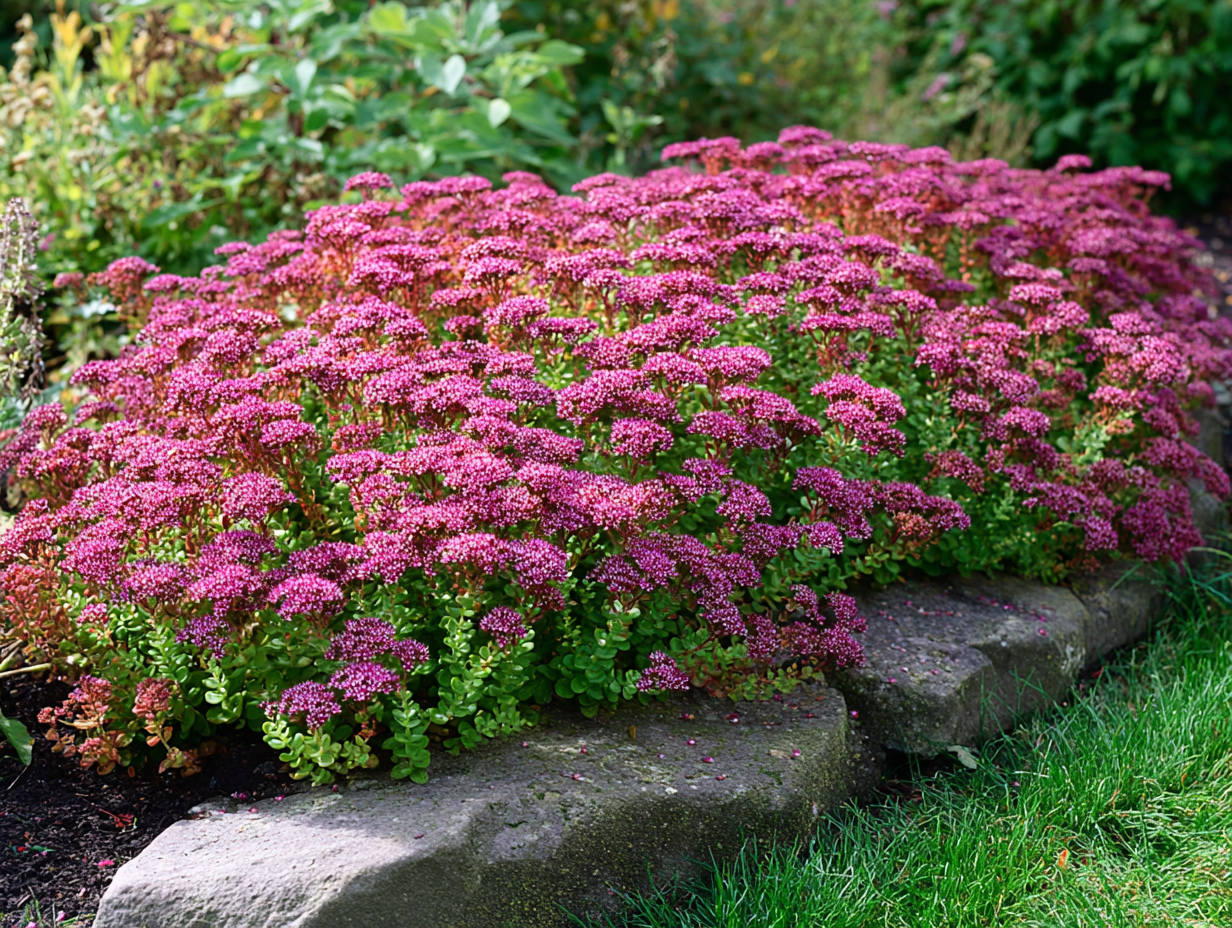
Sedum (Stonecrop)
- Succulent plant that stores water in its leaves
- Very drought tolerant
- Available in many varieties
- Excellent for rock gardens and dry areas
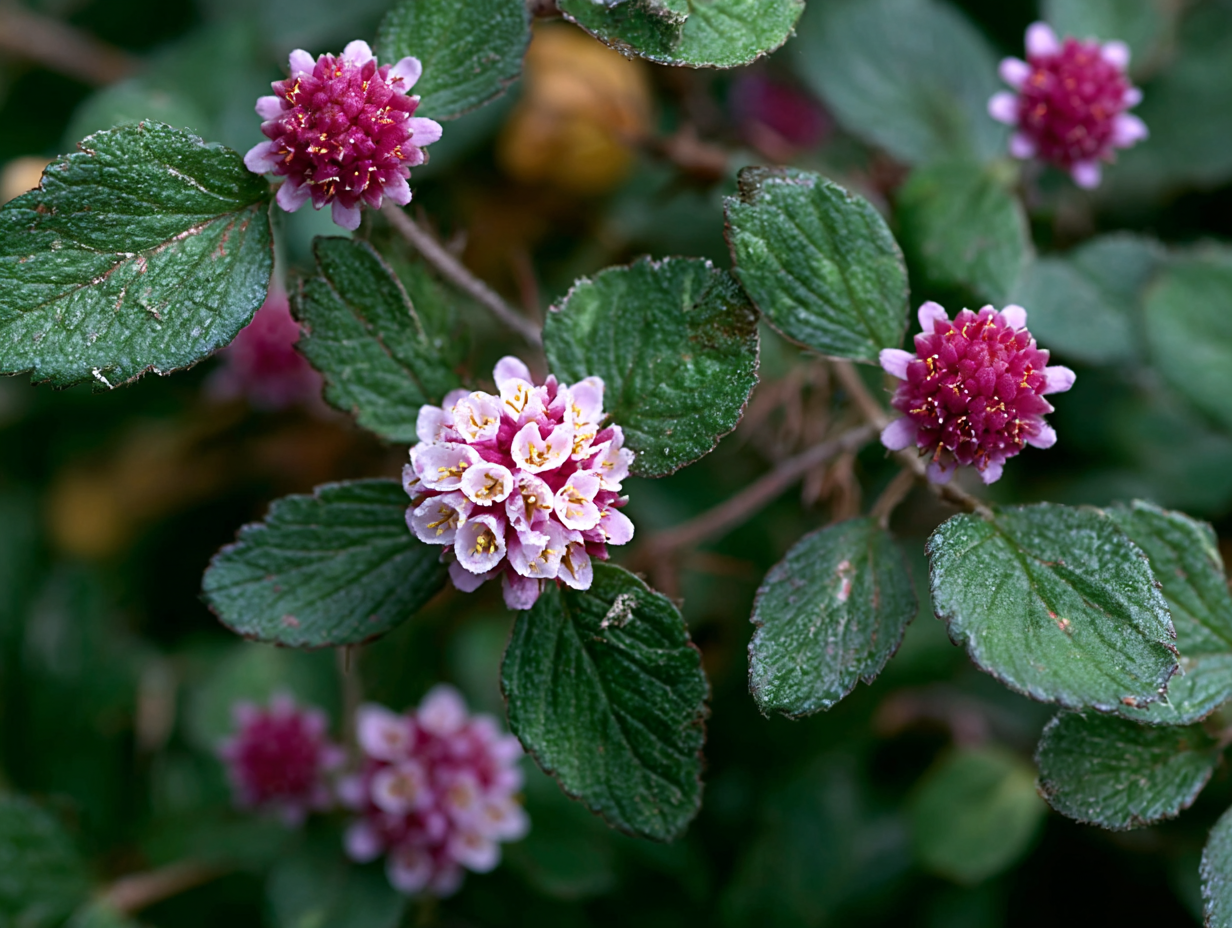
Frogfruit (Phyla nodiflora)
- Native groundcover found throughout the Southeast
- Tolerates heat and drought
- Produces small white flowers that attract pollinators
- Sometimes used as an alternative to turf grass
What Trees Are Naturally Drought Resistant?
Choosing the right trees helps anchor a drought-tolerant landscape while providing shade and structure.
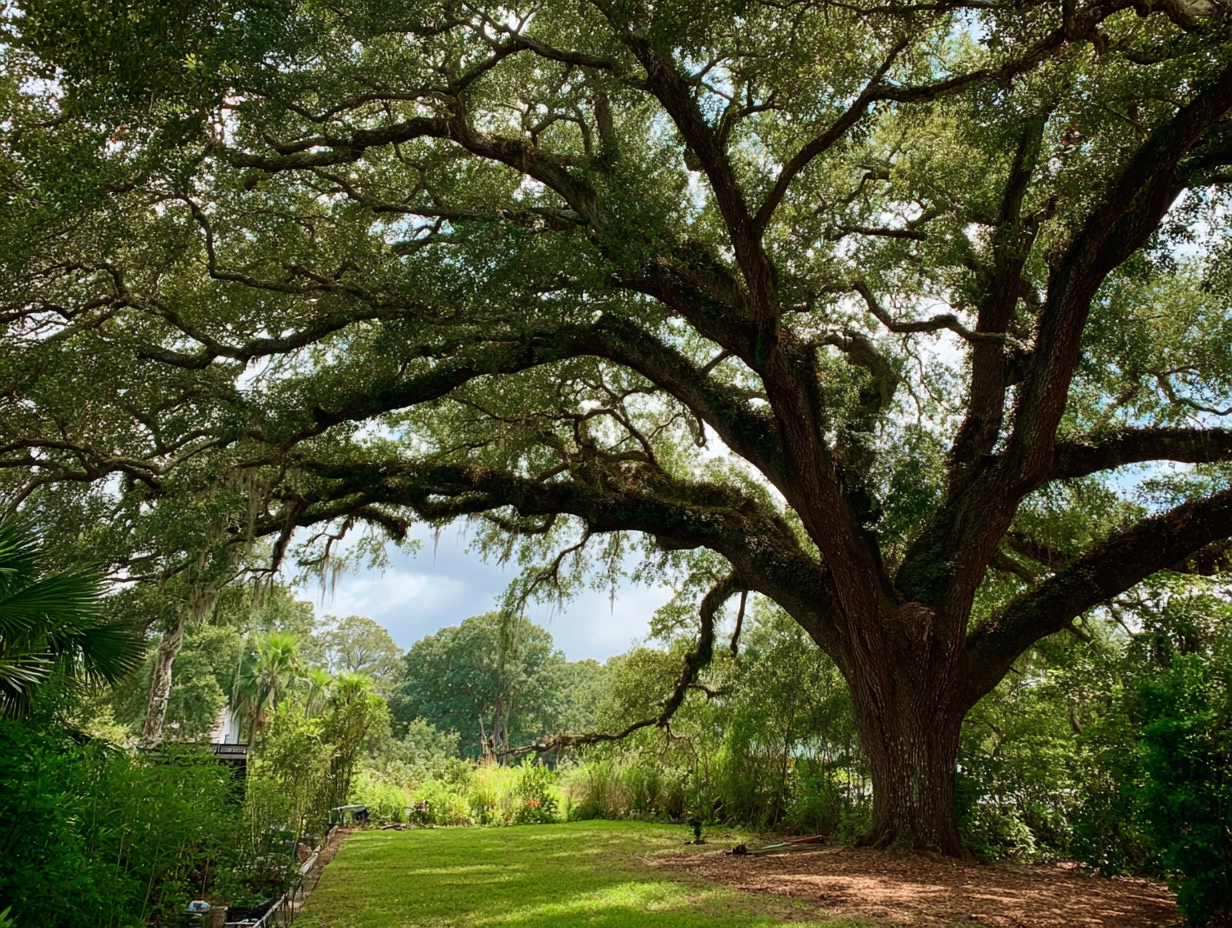
Southern Live Oak (Quercus virginiana)
- Iconic tree throughout coastal North Carolina
- Extremely resilient once established
- Deep root systems access underground moisture
- Provides large shade canopy
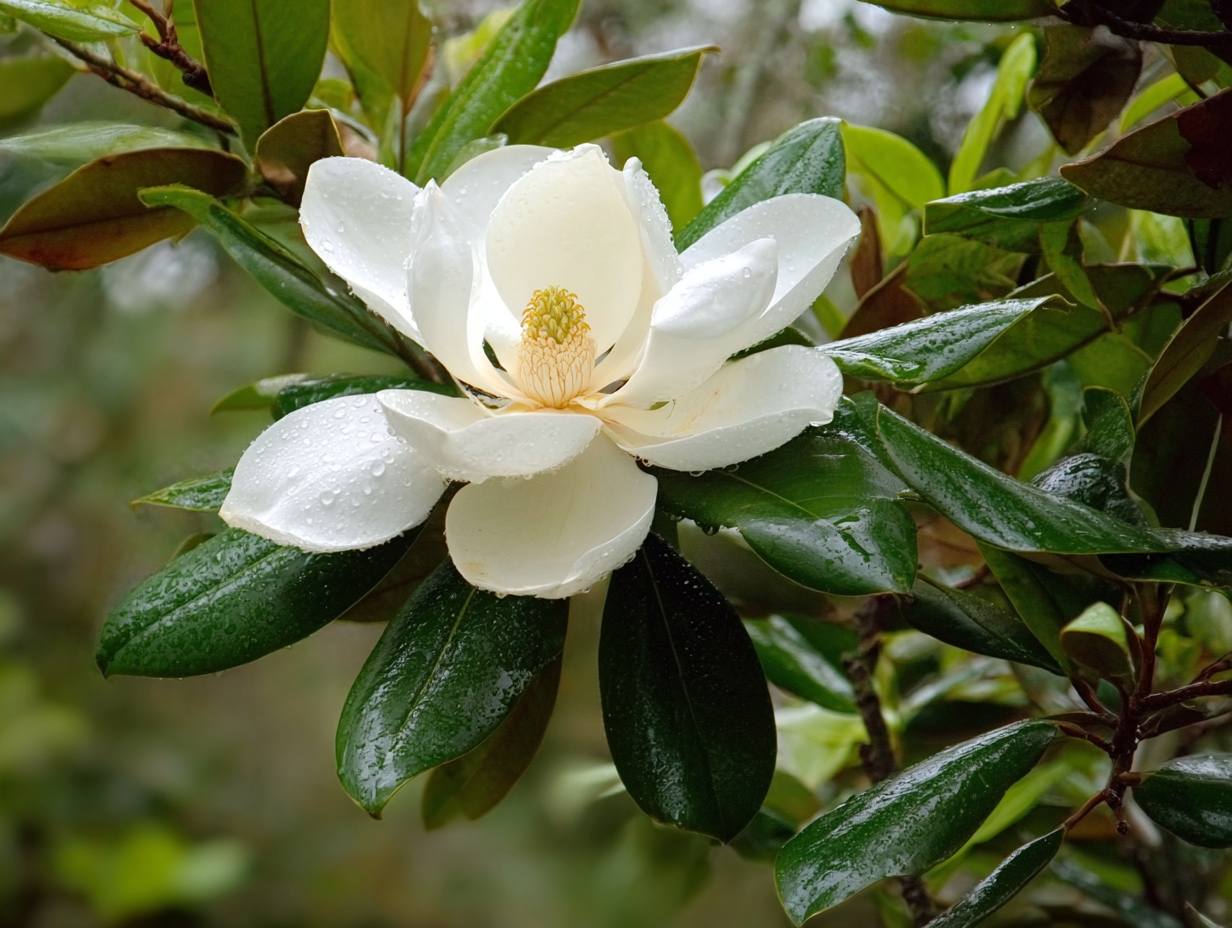
Southern Magnolia (Magnolia grandiflora)
- Native evergreen tree
- Glossy leaves and large fragrant flowers
- Tolerates heat and moderate drought
- Popular ornamental tree in the Southeast
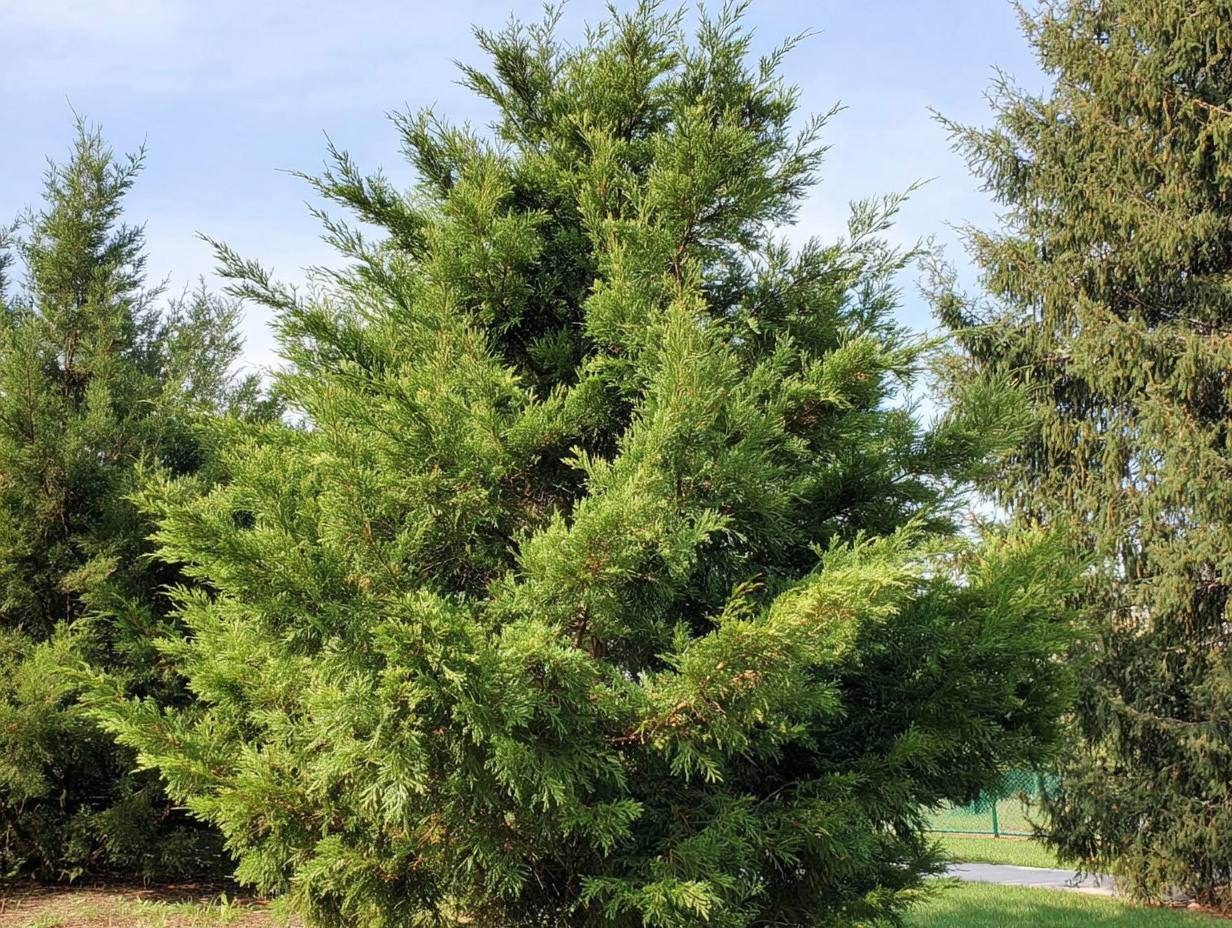
Eastern Red Cedar (Juniperus virginiana)
- Native evergreen tree
- Very tolerant of drought and poor soil
- Provides year-round screening
- Important habitat for birds
How Can You Make Your Landscape More Drought Resistant?
Choosing drought-tolerant plants is only one step in building a resilient landscape.
Garden practices also influence how well plants survive dry conditions.
Helpful strategies include:
- Adding compost to improve soil moisture retention
- Using mulch to reduce evaporation
- Grouping plants with similar water needs
- Watering deeply but less frequently
- Installing drip irrigation systems
If you're working on improving your garden soil, you may also find helpful tips in our guide on improving soil for growing plants at The Cameron Team website.
Can Drought-Tolerant Landscaping Improve Curb Appeal?
Landscaping plays a major role in the first impression a property makes.
A well-designed drought-tolerant landscape offers several advantages:
- Lower long-term maintenance costs
- Healthier plants during heat waves
- More sustainable outdoor spaces
- Attractive gardens that thrive in local conditions
In coastal North Carolina, buyers often appreciate landscaping that is well-suited to the climate rather than high-maintenance gardens that struggle in the heat.
Thoughtful landscaping choices can help a home look established, well-maintained, and inviting.
Frequently Asked Questions About Drought-Resistant Plants in Zones 8a and 8b
What does drought-resistant landscaping mean for me as a Wilmington homeowner?
Drought-resistant landscaping uses plants that tolerate dry conditions with minimal watering. In coastal North Carolina, this approach helps homeowners maintain attractive outdoor spaces despite sandy soil and hot summer temperatures.
How does drought-tolerant landscaping affect home value in coastal NC?
Low-maintenance landscaping can improve curb appeal and attract buyers who want attractive yards without heavy irrigation or constant upkeep.
Are native plants better for drought resistance?
Native plants evolved in local climate conditions, which often makes them better adapted to the heat, rainfall patterns, and soil types found in Southeastern North Carolina.
When is the best time to plant drought-resistant plants?
Fall and early spring are ideal planting seasons in coastal North Carolina because temperatures are milder and rainfall is typically more consistent.
Do drought-tolerant plants require watering?
Yes. Even drought-tolerant plants need regular watering during their first growing season while establishing roots. After establishment, they usually require far less supplemental watering.
Who should I talk to if I’m unsure about landscaping before selling my home?
If you are preparing a property for sale in Wilmington or surrounding communities, The Cameron Team can help identify landscaping improvements that enhance curb appeal while remaining practical for the coastal climate.
Check out this article next