
The first 30 days on the market matter more than many sellers realize. This initial window is when your listing is freshest, most visible in search results, and most likely to attract motivated buyers who are actively watching for new opportunities. When a home doesn’t sell during that time frame, it can feel discouraging or even confusing, especially if you were expecting strong interest right out of the gate.
The good news is that a stalled listing is rarely random. In almost every case, there are clear signals explaining why buyers hesitated and, more importantly, what can be done next. A home that didn’t sell during the first month doesn’t mean it won’t sell at all. It simply means the strategy needs adjusting.
At the core of every successful sale are three fundamentals: Price, Location, and Condition. Location is fixed. You can’t move the house. But price and condition are flexible, and marketing determines whether buyers ever get close enough to evaluate either one. Understanding how those pieces work together is the key to relaunching your home with stronger positioning.
The First 30 Days Are Your Best Shot
When a home first hits the market, it benefits from a surge of attention. Buyers who have been watching closely receive alerts, agents flag it for clients, and online platforms boost new listings. This is when curiosity is highest and skepticism is lowest.
If that momentum fades without an offer, buyers start to wonder why. A listing that sits too long can develop a stigma, even if nothing is physically wrong with the home. That’s why the goal isn’t just to “wait it out,” but to proactively diagnose what went wrong and correct it before more time passes.
Price: The Most Common Culprit
Many stalled listings trace back to pricing. Sellers sometimes believe starting a little high leaves room to negotiate, but in today’s online-driven market, that strategy often backfires.
Most buyers search within specific price ranges, and real estate databases don’t round up. A home priced just slightly too high can fall outside the ideal search bracket entirely, meaning it never even appears on a buyer’s screen. If buyers aren’t seeing the home online, they aren’t scheduling showings.
Some sellers think it’s a smart tactic to price a home a little high so they can negotiate down. However, this can turn off buyers looking at homes online and potentially put the home outside of the ideal search range in the real estate databases. If buyers aren’t scheduling showings or the feedback consistently says it’s priced too high, quickly get that price down into a more competitive range. The longer the home sits on the market, the more likely buyers will think there’s something physically wrong with it.
If your listing isn’t getting showings at all, or feedback repeatedly mentions price, that’s a clear signal. The longer a home sits, the more buyers assume something is wrong with it. That perception can be far more damaging than a strategic price adjustment made early.
Bringing the price down into a more competitive range quickly often restores interest. It repositions the home as a value instead of a question mark and can trigger renewed activity from buyers who dismissed it before.
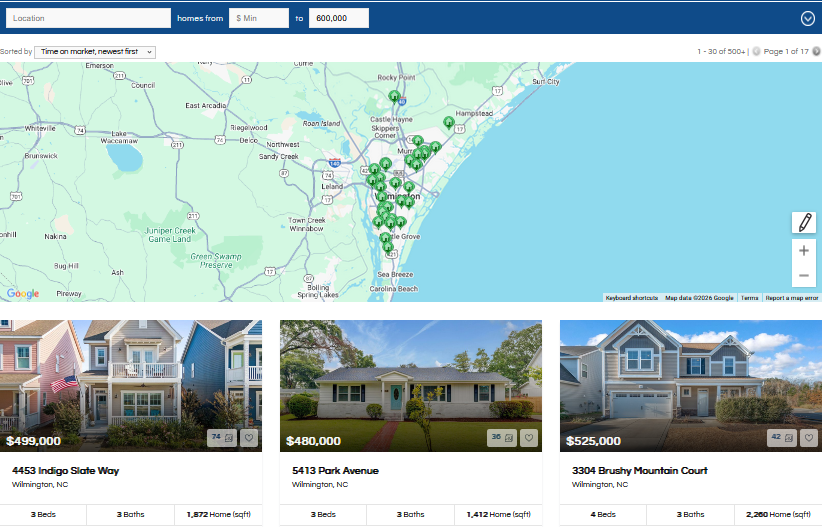
Online Real Estate Search
Where Sellers Still Have Leverage
Price, Location, and Condition are what sell a home. You can’t change the location, but you can change the price and the condition. When the market is telling you something isn’t connecting, these are the levers that typically create the fastest turnaround.
Even if your home is in a less familiar area or has nearby features you can’t control, you can still present it in a way that makes buyers feel confident. Condition and pricing are where you can make the biggest impact quickly.
Condition: What Buyers Are Really Reacting To
While location can’t be changed, condition absolutely can. Buyers aren’t just evaluating square footage and floor plans. They’re responding emotionally to what they see, smell, and feel when they walk through the door.
If feedback consistently points out the same issue, whether it’s worn carpet, dated paint, or cosmetic wear, buyers are telling you exactly what’s holding them back. Ignoring that feedback rarely helps. Addressing it directly almost always does.
Sometimes the fix is simple. Fresh paint in a neutral color can completely change how a space feels. Replacing worn carpet or refinishing floors can make a home look years newer. Even small updates can create the impression that the home has been cared for.
If you’re short on time (or want to avoid delays), you can also offer a closing credit that directly addresses what buyers keep calling out. Clear, specific credits help buyers visualize the solution and reduce uncertainty. For example:
- $2,000 paint credit for touch-ups or repainting a few rooms
- $3,000 carpet credit to replace worn carpet in bedrooms
- $1,500 lighting credit for fixture updates that modernize the look
The key is to match the credit to the feedback and to present it as a straightforward option for buyers (with an appropriate offer), rather than a vague promise that leaves them wondering what the real cost will be.

1990s Faux Rag Paint
Marketing Exposure: If Buyers Don’t See It, They Can’t Buy It
Even a well-priced, well-maintained home won’t sell if buyers aren’t compelled to click on it. Online presentation is often the first showing, long before anyone steps inside.
Professional photography is essential, but the order of those photos matters just as much. Many Multiple Listing Services have strict rules about what can appear first. For example, our local MLS requires the first photo to be an exterior shot, and a view of the front of the home or lot must appear within the first three images. Interior rooms can’t be shown first.
That doesn’t mean you’re stuck with a weak first impression. If showings started strong but then slowed or stopped, changing the first photo in the MLS and on third-party websites may help drum up more interest. Consider options like:
- Switching from a standard front shot to a strong aerial view (or vice versa)
- Cropping the front photo tighter so the home is the focal point
- Removing an overwhelming amount of sidewalk and driveway from the frame (too much cement can feel harsh)
- Choosing a brighter, clearer exterior photo with better sky and landscaping presence
Sometimes a simple refresh of the lead image is enough to make buyers pause and click, especially if they previously scrolled past the listing.
Assessing Feedback the Right Way
Feedback is one of the most valuable tools a seller has, but only if it’s evaluated objectively. One random comment doesn’t always require action. Patterns do.
If multiple buyers mention the same concern, whether it’s price, layout, lighting, odor, or condition, that feedback deserves serious consideration. Buyers are rarely coordinated in their opinions, so consistency is meaningful.
Work with your agent to separate personal preference from legitimate objections. A comment like “I wish it had a bigger yard” may not be fixable or relevant. But “the paint feels dated,” “it shows dark,” or “the carpet needs replacing” are actionable insights that can be addressed quickly.

Buyers Entering a Home for Sale
Access: A Major, Often Overlooked Barrier
It’s surprisingly difficult to sell a home that buyers can’t see. Limited showing availability can quietly derail even the strongest listing.
We understand that vacation rentals usually need to be rented so the owner can pay the mortgage, and many people work from home and need to pay their bills. But a very limited showing schedule will hurt your chances of selling. Ideally, sellers should make arrangements to have a flexible schedule during the first few weeks of the home being listed.
If the home is presented well and listed at a competitive price, the highest rate of showings will happen early. That’s why it’s worth planning ahead. For example:
- If it’s a vacation rental, consider blocking off the calendar during the first couple weeks
- If you work from home, plan a backup workspace like a library study room or a coffee shop
- If a requested time doesn’t work, always recommend a different time instead of declining
When your home is easier to tour, more buyers will try to see it, and that increases your odds of receiving a strong offer.
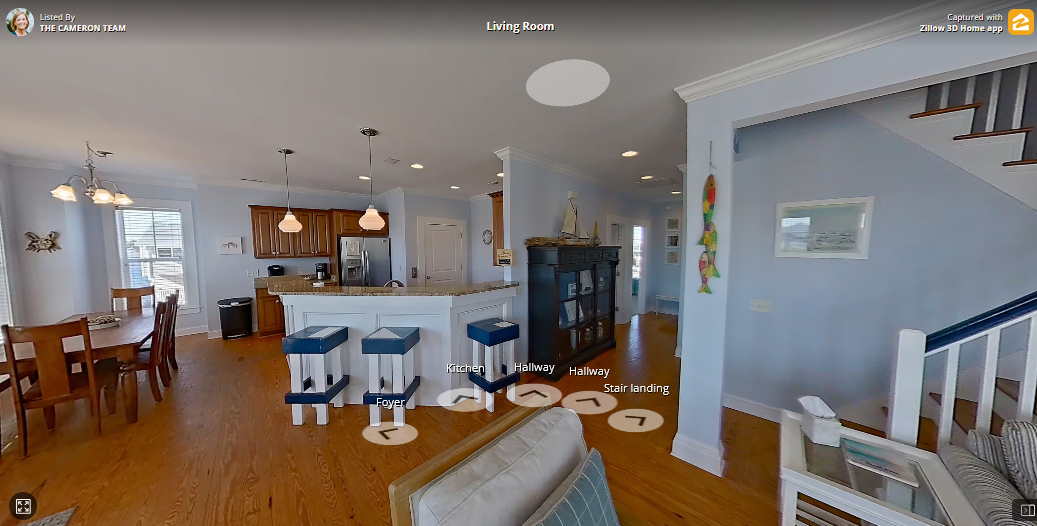
3D Tour
Add a 3D Tour for a Stronger “First Showing”
If you don’t have one yet, an online 3D tour is a great “first showing.” It provides more insight than photos, which helps buyers do two important things:
- Confirm whether a home’s size and layout truly fit their lifestyle needs
- Notice features that might not be obvious in standard photographs
This is especially helpful for out-of-town buyers and relocating buyers, because it can reduce uncertainty and lead to more confident showing requests.
When Location Needs Better Marketing
While you may not be able to change the location, sometimes the area just needs better marketing. Not every buyer is familiar with the lifestyle that certain neighborhoods provide, especially areas that have been improving or gaining attention over time.
We had a condo listed in the Brooklyn Arts District near downtown Wilmington. This area has been gaining attention over the past 5 to 10 years, but not everyone is familiar with what daily life looks like there. So, the listing agent, Ashley Pierce, did a video highlighting restaurants and activities within walking distance of the condo.
This helped attract more interested buyers who didn’t realize they could get a great breakfast nearby, enjoy a drink at a brewery, and walk to concerts and events along the Cape Fear River and at the Brooklyn Arts Center. Sometimes the home isn’t the issue. The story just needs to be clearer.
How to Relaunch With Stronger Positioning
When a home doesn’t sell in the first 30 days, the next step shouldn’t be passive. A thoughtful relaunch can reset buyer perception and restore momentum.
A strong relaunch often includes a combination of:
- A price adjustment that brings the home into the right search ranges
- Quick condition improvements (or targeted closing credits) based on repeated feedback
- Refreshed visuals, including an updated lead photo and new angles
- Improved access and showing flexibility, especially early in the relaunch
- A clearer lifestyle story, particularly if the location needs context
Homes sell when Price, Location, and Condition align with buyer expectations. You can’t change where the home is, but you can control how it’s presented and how competitive it feels in the market. With the right adjustments, many homes that stall early go on to sell successfully once the strategy matches what buyers are responding to.
Frequently Asked Questions About Why Your Home Didn’t Sell in the First 30 Days
What does it mean when a home doesn’t sell in the first 30 days?
When your home doesn’t sell in the first 30 days of the listing period, it typically means that something in the market presentation, price positioning, timing, or perceived value isn’t aligning with buyer expectations. In competitive markets like Wilmington and coastal North Carolina, many buyers make decisions quickly — so a lack of early traction often signals that adjustments may be needed to re-energize interest.
How does pricing affect early market performance?
Pricing is one of the biggest factors in how quickly a home sells. If your list price is above what buyers are willing to pay based on recent sales, condition, and current market trends, the home can sit longer without generating offers. Buyers tend to compare properties side-by-side, so even a small price gap can shift interest elsewhere. In coastal markets, where appraisals and financing limits matter, strategic pricing that reflects current demand is critical for early success.
Are there staging, photo, or presentation issues that can slow down selling?
Yes. In today’s market, most buyers first see your home online. Professional photos, clean staging, decluttered spaces, correct lighting, and thoughtful room flow can make a big difference in how many showings you receive. If photos don’t showcase your home’s best features or if rooms feel crowded or outdated, buyers may scroll past your listing in favor of options that feel more move-in ready — even if the fundamentals are similar.
When should you consider making changes to your listing strategy?
If your home hasn’t generated meaningful traffic or offers within 30 days, it’s a strong signal to reassess. Talk with your agent about adjusting your price, updating marketing materials, refreshing staging elements, or even changing the listing timing. Sometimes small tweaks — like updated photography, a weekend open house strategy, or highlighting recent upgrades — can relaunch interest and get your home noticed again.
Who should I talk to if I’m unsure why my home didn’t sell quickly?
If you’re unsure why your home hasn’t sold, start by having an honest discussion with your real estate agent. An experienced local agent can walk through your listing performance data, compare similar homes that have sold, and identify potential mismatches in price, presentation, or marketing reach. You may also consider a second opinion from another agent or a broker price opinion to confirm your strategy aligns with current Wilmington market conditions.
Check out this article next