

Key Takeaways
Wilmington homes are sitting longer than most sellers expect, with median listing times around 48 days citywide and 73 days in beach markets like Carolina Beach and Surf City.
The first week your home hits the market captures the most buyer attention through portal algorithms and agent alerts, so your launch price matters more than you might think.
Homes across the region are selling close to asking, typically between 98% and 100% of list, which tells you buyers are comparing carefully rather than bidding up.
Testing price by launching high and waiting usually backfires because serious buyers assume you are not ready to sell and move on to homes that feel more realistically priced.
Presentation helps a credible price feel stronger, but it cannot justify a number that does not match what buyers are seeing elsewhere.
Buyers are calculating the full monthly cost now, including insurance that runs $6,333 average in beach areas versus $1,954 inland, which changes how they evaluate your asking price.
The Wilmington metro grew by more than 11,000 residents recently and continues adding about 2.6% annually, so demand is real, just more selective.
What Has Changed for Wilmington-Area Sellers?
The market you are selling into today looks different from what many homeowners remember from a few years ago. Back then, homes often sold in a weekend, sometimes with multiple offers over asking. That kind of urgency is not automatic anymore.
Wilmington now has about 1,600 active listings, and homes are taking a median of 48 days to sell. In Leland, that stretches to 59 days. In Carolina Beach and Surf City, it is closer to 73 days. Those are not crisis numbers, but they do signal a shift. Buyers have more time to think, compare, and ask questions.
The Wilmington metro has grown to about 492,772 residents with 2.6% annual growth, so the demand side is still there. The city itself reached an estimated 126,809 people in 2025, up from 115,451 in 2020. People are still moving here. They are just moving more carefully.
What changed is not the number of buyers. It is the number of choices those buyers have. When inventory was tight, buyers had to move fast or risk losing out. Now they can tour several homes, sleep on it, and come back with questions about insurance, flood zones, HOA fees, and what the roof looks like up close.
For you as a seller, that means your home is being compared side by side with others in the same price range, often in the same neighborhood. If your price feels like you are testing the water instead of pricing to sell, buyers notice. They may still tour the home, but they often wait to see if you adjust before making an offer.
The other thing that has changed is how much buyers are thinking about total monthly cost, not just the sale price. With homeowners insurance base rates up 7.5% in June 2025 and another 7.5% in June 2026, and coastal premiums running much higher than inland areas, buyers are doing more math before they commit.

Why Accurate Pricing Matters More At Launch
The first week your home is on the market is the most important window you will have. That is when your listing gets pushed to the top of search results, sent out in agent alerts, and flagged in saved searches for buyers who have been waiting for something new.
If your price is right, that early attention can turn into showings, feedback, and offers. If your price is too high, that same attention can work against you. Buyers tour the home, compare it to others, and move on. Agents see the number and assume you are not serious yet. The momentum you could have built in week one gets lost.
Here is what the numbers look like across a few key areas:
Area | June 2026 Active Listings | Median Days On Market | Sale-To-List Signal |
|---|---|---|---|
Wilmington | 1,600 | 48 | 99% |
Leland | 1,027 | 59 | 99% |
Hampstead | 552 | 39 | 100% |
Carolina Beach | 290 | 73 | 98% |
Surf City | n/a | 73 | 98% |
Hampstead is moving faster, which means buyers there are still acting with some urgency. But even in that market, homes are selling at 100% of asking, not over. In Carolina Beach and Surf City, where days on market stretch longer, homes are selling for about 2% below asking on average. That tells you buyers have time to negotiate and they are using it.
When you launch too high, you are asking buyers to ignore all the other data they are seeing. Most will not. They will tour your home, note the price, and wait to see what happens. If you cut the price two weeks later, that reduction does not create excitement. It confirms what they already suspected.
The other risk is that your home starts to feel stale. Once a listing has been active for 30, 45, or 60 days without an offer, buyers start wondering what is wrong with it. Even if nothing is wrong, the perception of a problem can be just as damaging.
What "Testing The Market" Usually Costs Sellers
Testing the market sounds low-risk. You list high, see what happens, and adjust if needed. In practice, it usually plays out differently.
Here is the typical sequence. You launch at a price that feels optimistic. The home gets early attention because it is new, but showings are lighter than expected. The feedback you hear is vague or polite. Buyers say they are still looking. Agents say their clients are considering other options.
A few weeks go by. You drop the price by 3% or 5%. The listing gets a small bump in visibility, but the buyers who were most interested early on have already moved forward with other homes. The new group of buyers who see the reduction assume you were overpriced to begin with, which makes them more cautious, not more excited.
Now you are negotiating from a weaker position. When an offer finally comes in, it may include more requests for repairs, closing cost credits, or extended contingencies. The buyer knows the home has been sitting, and they are using that to their advantage.
For sellers who are also trying to buy something else, this delay creates real stress. You are stuck in limbo, still cleaning and staging for showings, still coordinating schedules, still wondering when the right offer will come. If you are relocating for work or trying to close on your next home, that uncertainty gets expensive fast.
In Carolina Beach, where homes sold for 2.46% below asking on average in June 2026, the data supports what we see in practice. Buyers are not chasing price. They are negotiating it. If your home is priced right from the start, you avoid that dynamic. If it is not, you end up giving back the premium you were hoping for, plus time, plus leverage.

How Home Presentation Supports The Right Price
Presentation matters, but it cannot fix a pricing problem. A beautifully staged home that is priced 10% too high will still sit longer than a less polished home that is priced correctly.
That said, when your price is grounded in current market data, strong presentation helps buyers see the value more clearly. It makes the home feel move-in ready, well cared for, and worth acting on quickly.
Launch-ready means different things depending on the home, but there are a few basics that apply almost everywhere. Pre-listing repairs should be handled before photos are taken. Decluttering should be thorough enough that buyers can see the space, not just your stuff. Paint touch-ups, especially in high-traffic areas, help the home feel fresh. Photography should be scheduled for good light, and descriptions should be clear and specific.
In coastal counties, buyers are also paying attention to things that might not matter as much inland. They want to know about elevation, exterior durability, storage for beach gear, parking, flood exposure, and how the home has held up after storms. If your listing can answer those questions upfront, you save time and build confidence.
Match The Prep To The Price Range
The right level of prep depends on where your home sits in the market.
For family homes in Wilmington or Leland, focus on the things buyers notice first. That usually means deferred maintenance, neutralizing busy or overly personal rooms, making sure the garage and storage areas feel usable, and ensuring the backyard looks functional rather than neglected.
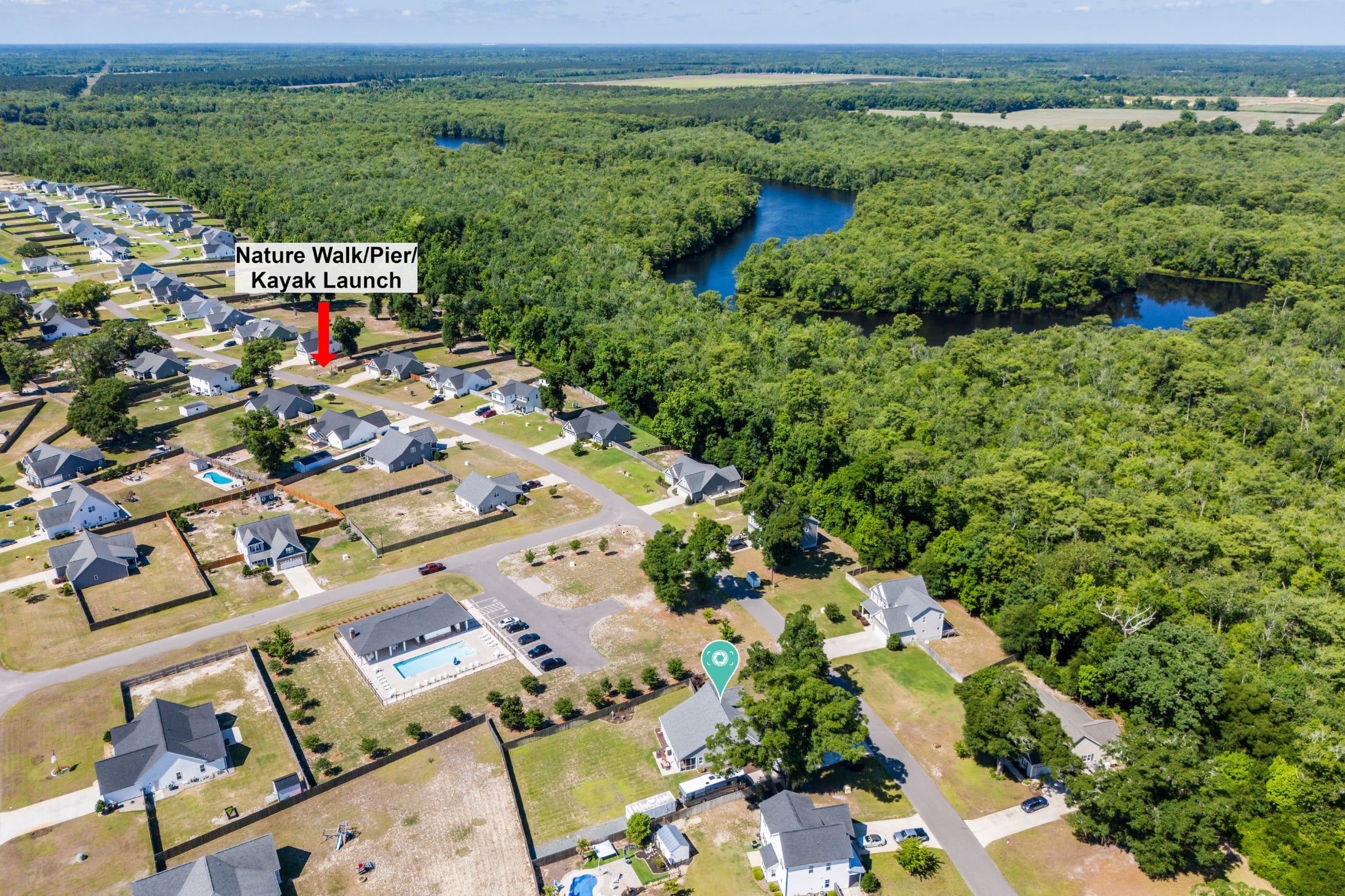
For golf-course and master-planned homes, buyers are often looking for a lifestyle, not just a house. That means view lines matter. Outdoor living spaces should look intentional. If your home backs up to a fairway or overlooks a pond, drone photography can help show that context. Membership details, HOA amenities, and community features should be easy to find in the listing.
For beach and waterfront homes, exterior condition is critical. Buyers will scrutinize decks, windows, pilings if they are visible, parking, and how well the home handles sand, salt, and moisture. If you have owner storage or a separate entrance for beach gear, highlight it. The arrival experience matters more in these homes because buyers are imagining how they will use the property, not just live in it.
For luxury homes, the expectation is higher across the board. You need more than good photos. Twilight visuals, cinematic video, drone coverage, and tighter storytelling about what makes the home special are all part of the package. Buyers at this level are comparing your home to others in the same price range, and they expect a polished, professional presentation.
Show Buyers Why The Home Stands Out
Online presentation does more of the selling now than it used to. Most buyers will decide whether to tour your home based on what they see in the listing, not what they hear from their agent.
That means your listing needs to answer a few key questions quickly. What problem does this home solve for the buyer? Why does its location within the community matter? What ownership costs or recent updates help justify the price? What nearby lifestyle assets support the value?
For context, Wilmington International Airport handled 907,753 passenger enplanements in 2025, which is a useful reminder that this area is increasingly connected. That matters to relocating buyers and second-home buyers who need easy travel access. If your home is 15 minutes from the airport, or close to the beach, or in a neighborhood with strong schools, those details help buyers see the bigger picture.
How Buyer Behavior Has Changed Across Coastal Wilmington
Buyers today are underwriting the whole payment, not just the mortgage. That shift has changed how they evaluate homes, especially in coastal areas where insurance and flood risk add complexity.
North Carolina approved average homeowners base-rate increases of 7.5% on June 1, 2025 and another 7.5% on June 1, 2026. Coastal insurance premiums are materially higher than inland rates. In beach areas with consent-to-rate policies, the average premium is about $6,333 with a rate of $10.41 per $1,000 of coverage. In coastal areas, that drops to $3,182 at $8.00 per $1,000. In the rest of the state, it is closer to $1,954 at $5.05 per $1,000.
Territory | Avg Premium | Avg Rate Per $1,000 Coverage |
|---|---|---|
Beach Area, consent-to-rate | $6,333.03 | $10.41 |
Coastal Area, consent-to-rate | $3,181.90 | $8.00 |
Remainder of State, consent-to-rate | $1,954.37 | $5.05 |
For buyers, that means a home that looks affordable based on the mortgage payment alone can feel much less affordable once they add in insurance, HOA fees, and flood coverage if needed.
Buyers in beach markets are also thinking about nuisance flooding and future resilience. NOAA tracks projected inundation risk at the Wilmington gauge and notes that high-tide flooding has become more common along U.S. coasts, with a 5- to 10-fold increase in some areas over recent decades. That does not mean every buyer will walk away from a home near water, but it does mean they are asking more questions about elevation, drainage, and insurability.
For you as a seller, this means your price needs to account for the full picture. If your home is in a flood zone, or if insurance is expensive, or if there are HOA fees that add up, buyers are factoring all of that in. A home that feels overpriced on paper will feel even more overpriced once they run the numbers.
What A Smarter Wilmington Listing Strategy Looks Like
A smarter listing strategy is not complicated. It just requires discipline and a willingness to lead with data instead of hope.
Start with pricing. Pull recent solds, not just active listings. Look at what homes in your price range and neighborhood have actually closed for, not what they were listed at. Factor in current concessions, because if buyers are negotiating repairs or closing costs in most deals, you should expect the same.
Next, prepare the home to fit the target buyer and price bracket. That might mean a deep clean and fresh paint, or it might mean updating lighting, hardware, and landscaping. The goal is not to over-improve the home. It is to make sure the condition matches the price you are asking.
Launch with polished visuals and a complete digital package. That means professional photos, a clear description, accurate details, and any video or drone coverage that helps tell the story. If your home has something special, make sure buyers can see it in the listing.
Review showing and inquiry feedback quickly in the first 7 to 14 days. If you are getting views but no showings, the price is probably too high for no showings. If you are getting showings but no offers, the home may not be showing as well as it needs to, or the price may still be off. Either way, waiting too long to adjust can cost you momentum.
When offers do come in, negotiate from evidence, not ego. If a buyer asks for a repair or a credit, compare that request to what you are seeing in other deals. If it is reasonable, consider it. If it is not, push back with data. The goal is to close the deal, not to win every point.
Different parts of the Wilmington area may call for slightly different approaches. Wilmington proper has more inventory and a broader range of buyers, so positioning and presentation matter. Hampstead is moving faster, which means a clean launch with tight pricing can pay off quickly. Carolina Beach, Kure Beach, and Surf City have longer days on market, so pricing discipline is even more important. Buyers there have time to compare, and they are using it.
The goal is not just exposure. It is a strong first impression that protects your negotiating position and gets the home sold without unnecessary delays or price cuts.
Check out this article next