

Moving into your new home is exciting, but your work doesn’t end when the moving van drives away. As you look around your new home, you might feel overwhelmed with how much you need to do to settle in. A move is a major life transition, so your first month will probably be full of phone calls, errands, unpacking, and other tasks.
Writing a checklist of everything you need to do post-move can help you stay on track. Here are 12 tasks to complete after moving day:
1. Change the locks
Rekeying or changing the locks is one of the very first things you should do when you move into your new home. If the previous owners or their friends or family members have copies of the original keys, there could be a serious security risk.
Changing locks is a fairly easy DIY project. However, you can also hire a locksmith or handyman to change or rekey the locks if you’re short on time after your move.
2. Check the smoke alarms
After a long moving day, smoke alarms may not be at the forefront of your mind. However, fires can happen at any time, so it’s essential that you check the alarms upon moving into your new home.
Testing the fire alarms and carbon monoxide detectors only takes a few minutes and ensures your new home is safe. If any of the devices have low batteries, change them out immediately.
3. Locate emergency shut-offs
Locating your emergency shut-offs is another critical step to take immediately after arriving at your new home. In the event of a maintenance disaster, you may need to access these shut-offs quickly.
The water shut-off, which stops the water supply to the entire house, is likely in your basement near your water meter. Your water heater and plumbing fixtures should also have their own individual shut-off valves. You should locate your electrical panel as well.
4. Childproof the home if you have kids
If you have young kids, take some time to childproof your house on move-in day. Your kids are probably excited to explore their new home, but they could run into any number of safety risks.
Install baby gates to prevent your kids from exploring the stairs, and cover up the electrical outlets. Make sure any cleaning products, medications, button batteries, or other dangerous substances and items are kept out of your children’s reach while you unpack.
5. Transfer the utilities
Before or during your move, you should contact the utility providers at your old home to shut off service and get your new utility services set up at the new house. Most utility companies will let you call ahead of time to schedule this transfer.
Your real estate agent can help you identify which utility companies serve your new house. Some of your utilities, like water and sewer, may be maintained by your city. The city office may automatically transfer these utilities to your name when they receive the record of the home sale, but you can call them to confirm.
Write down the account numbers for your old utility services in case you need to follow up about their closure. Give your new address to the utility providers so they can forward your last bill.
6. Forward your mail
You can change your address with USPS online or in-person at the post office. When forwarding your mail online, you’ll have to pay a small identity verification fee. USPS will usually forward your mail for 12 months, but you can have it extended up to 18 months. Keep in mind that it can take a few days for USPS to process your change in address and begin forwarding your mail.
7. Update your address
Update your address as soon as possible with any service providers you work with. The following are some of the companies you should notify:
- Bank
- Credit card provider
- Investment accounts
- Car insurance
- Employer
- IRS
- Subscription services
- Healthcare providers
Fortunately, most companies today allow you to easily update your address on their website or mobile app.
8. Register your car
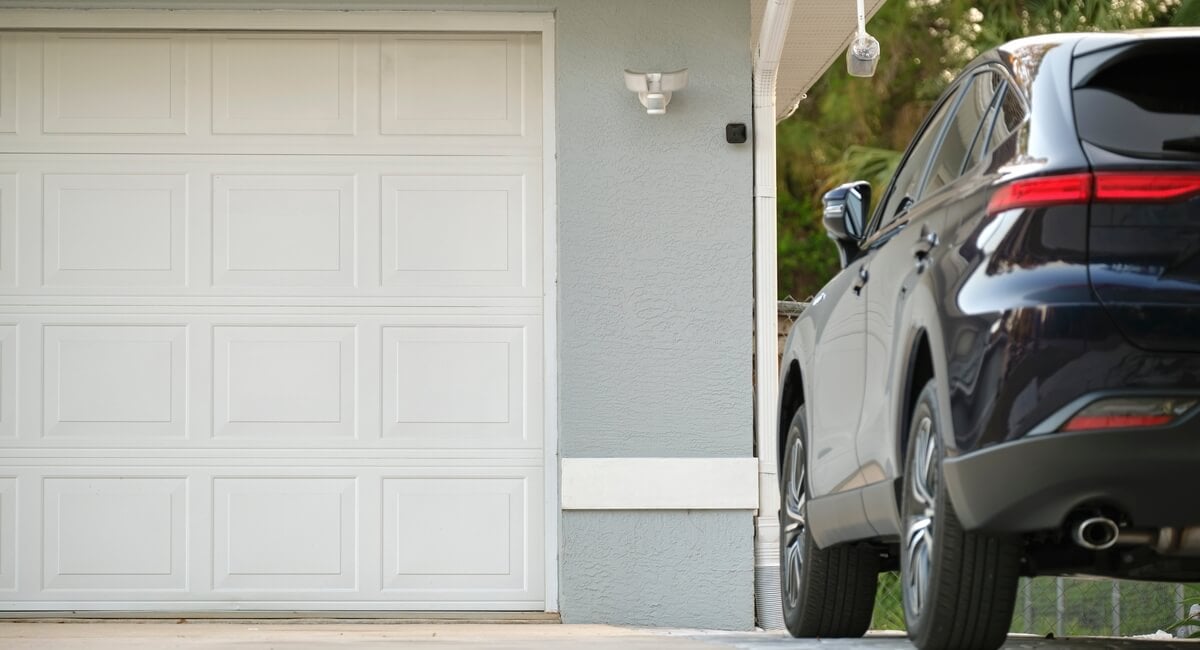
The process for registering your car in your new city can vary depending on where you live. You may need to visit your town or city clerk’s office to register your car, or you may be able to register it at your local DMV. If you visit the DMV for your car registration, plan to update your license with your new address at the same time.
9. Install a security system
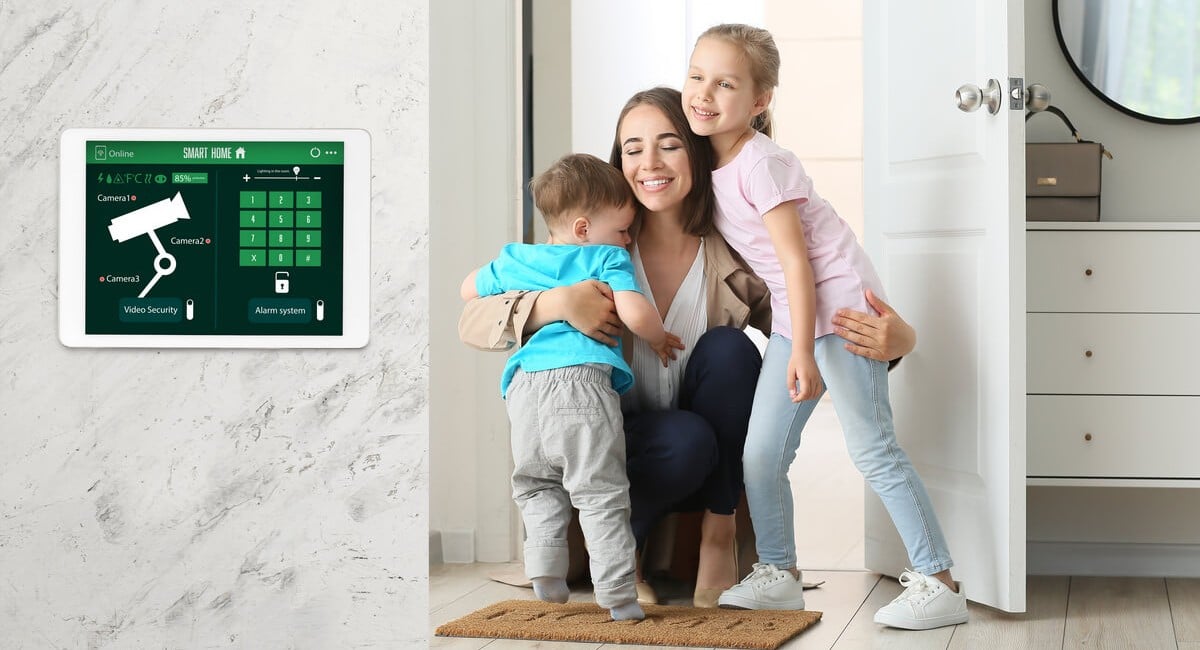
If you have any concerns about safety or security at your new home, a security system can give you peace of mind. Some allow homeowners to self-install, and others require a technician to come to the property to set the system up. Most systems charge a monthly monitoring fee, but the cost can vary depending on how many devices you install.
10. Set up internet
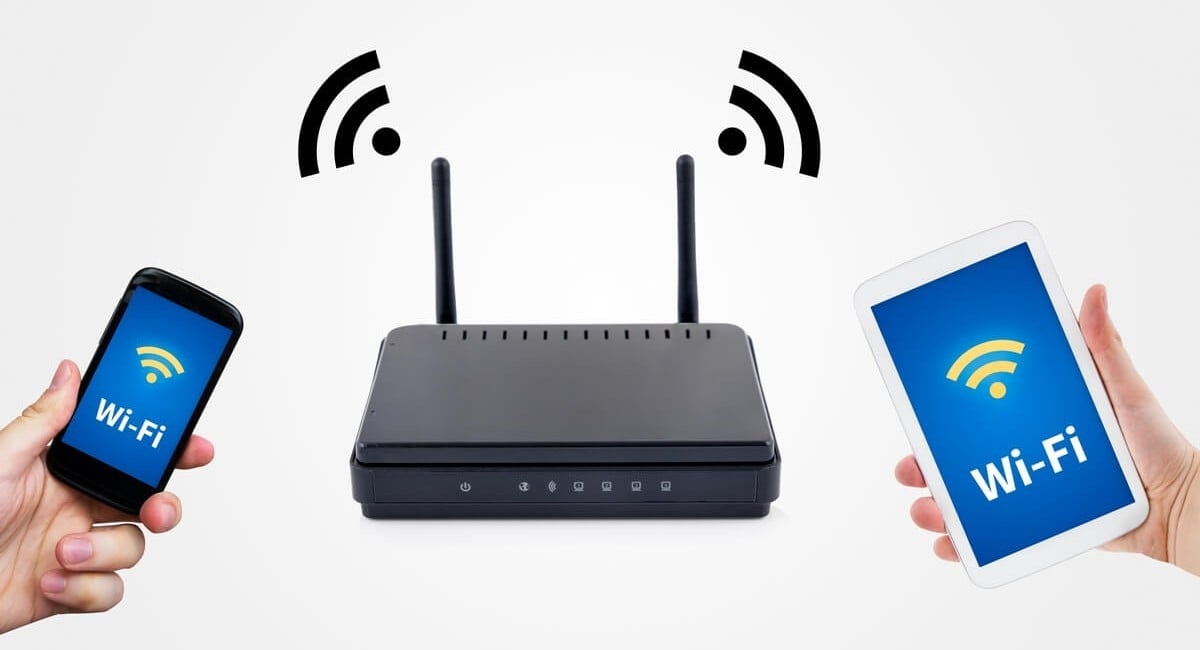
If your old internet service provider also serves your new address, transferring your internet may be as easy as plugging in your router at the new home. If you need a new provider, you can research online which companies serve your area, or you can ask your new neighbors for recommendations.
Some internet providers allow customers to use their own routers. If you already own a router, this can simplify the installation process. In some cases, providers have to send routers to their customers, which can delay the set-up.
11. Find new healthcare providers
After a long-distance move, you’ll need to identify new doctors, dentists, or other medical providers. A change in healthcare providers can be intimidating, so it can be helpful to ask for recommendations from any friends, family, or coworkers you have in the area. Online reviews for medical practices can be useful, too.
Once you’ve found new doctors, you can reach out to your former providers to transfer your records. You may be able to download your electronic records and bring them to your new team, or you can ask your old providers to send the records directly to the new office.

12. Unpack one room at a time
On top of all the other tasks on your checklist after moving, unpacking your home can feel overwhelming. To manage the chaos, try to focus on just one room at a time. When you get one room completely settled and organized as soon as possible after a move, it helps you maintain some sense of normalcy and routine.
Start with whatever space feels the most important for your daily routine and lifestyle. For many families, this is the kitchen, but you might decide to unpack the bathrooms, bedrooms, or home office first.
Moving is a stressful experience, but staying organized will help you get through the process with as few obstacles as possible. Before, during, and after your move, work on this checklist to make sure everything is in place for you to settle into your new home.
Take the process one step at a time, and remember to enjoy the excitement of a fresh start.