
Learn more about Charleston Common
Charleston Common brings Charleston-inspired architecture and coastal Carolina scenery together in a distinctive residential community in Leland, North Carolina. Located near NC-133/River Road in Brunswick County, the neighborhood features elevated homes with inviting porches, compact homesites, and, for many properties, views across marshes, creeks, and surrounding wetlands.
One of Charleston Common’s most recognizable characteristics is its architectural style. Homes feature the tall, narrow proportions associated with Lowcountry design, often complemented by covered porches, exterior stairs, raised foundations, and outdoor living areas positioned to take advantage of the coastal setting. The result is a neighborhood with a cohesive streetscape that stands apart from many larger residential communities in the Leland area.
Charleston Common also offers convenient access to both Leland and Wilmington. Residents can reach shopping, dining, parks, recreation, medical services, and other everyday destinations throughout the growing Leland area while remaining within a short drive of downtown Wilmington and destinations across the Cape Fear River.
What Are the Homes Like in Charleston Common?
Homes in Charleston Common reflect a Lowcountry and Charleston-inspired approach to coastal living. Based on property records from the community, Charleston Common includes both detached single-family homes and townhomes, with many of the homes offering three bedrooms and approximately two-and-a-half bathrooms.
Homes represented in available community data generally range from approximately 1,479 to 1,742 heated square feet. Construction in the neighborhood spans multiple years rather than occurring all at once, with properties in the available records built between 2007 and 2023.
Elevated construction is a defining feature of Charleston Common. Many properties are built on pilings, creating useful space beneath the homes for covered parking, storage, or flexible outdoor areas.
Depending on the individual property, Charleston Common homes may include:
-
Charleston- and Lowcountry-inspired architecture
-
Elevated construction on pilings
-
Covered front porches
-
Rear decks and balconies
-
Marsh, creek, or water views
-
Covered or under-house parking
-
Additional ground-level storage
-
Open-concept living and dining spaces
-
Walk-in closets
-
Walk-in showers
-
Pantries
-
Central air and heat-pump systems
-
LVP, tile, wood, or carpet flooring
-
Fiber-cement or similar coastal-style exterior finishes
Features vary from home to home, so buyers should review the specifications of each individual Charleston Common property when one becomes available.
Does Charleston Common Have Marsh Views?
Yes. Marsh scenery is one of Charleston Common’s most distinctive features. Many of the properties represented in community records include marsh views, while some properties also reference creek or broader water views.
Several homes are positioned along the edge of the marsh, creating opportunities for outdoor spaces that overlook the surrounding coastal landscape. Depending on the home, those views may be enjoyed from a rear deck, screened porch, covered porch, balcony, or multiple levels of outdoor living space.
This natural setting is particularly notable because Charleston Common is not centered around large-scale resort-style amenities. Instead, much of the community’s appeal comes from its architecture, elevated homes, outdoor living spaces, and connection to the surrounding coastal landscape.
What Is the Architectural Style of Charleston Common?
Charleston Common takes its visual cues from the traditional architecture associated with Charleston and the Carolina Lowcountry.
Homes frequently have vertical profiles, prominent front porches, exterior stairways, raised foundations, and carefully proportioned façades. Some include multiple porch or balcony levels, while others pair a traditional front porch with rear decks overlooking the marsh.
The raised-home design is especially important to the overall character of the community. Rather than conventional slab-on-grade construction, many of the homes represented in the property data are constructed on pilings. This creates a streetscape of elevated residences with parking and storage incorporated below the main living areas.
Exterior treatments differ among properties, but fiber-cement siding appears frequently in the available community data. Architectural-shingle roofs, porches, decks, and coastal-inspired exterior details further reinforce the Lowcountry appearance.
What Types of Homes Are in Charleston Common?
Charleston Common includes a combination of single-family residences and townhomes.
Available property data contains both housing styles, and they share many similar design elements, particularly elevated construction, smaller homesites, porches, and coastal architectural details.
Townhomes in Charleston Common often follow the same overall architectural theme as the detached residences. Depending on the home, features may include covered parking and storage beneath the residence, open main-level living areas, upper-level bedrooms, and views of the surrounding marsh or waterways.
Because Charleston Common was developed over multiple periods, floor plans and finishes are not identical throughout the neighborhood.
What Interior Features Are Common in Charleston Common Homes?
Although each home has its own upgrades and layout, several interior characteristics appear repeatedly in Charleston Common property records.
Open or combined living and dining spaces are common, creating layouts that make efficient use of the homes’ square footage. Kitchens may include islands or breakfast bars, pantry storage, granite countertops, stainless appliances, and adjacent dining areas, depending on the property.
Walk-in closets appear frequently in the community data, as do walk-in showers. Flooring varies by home and construction period and may include luxury vinyl plank, tile, wood, or carpet.
Many homes also take advantage of their elevated design and coastal surroundings by connecting indoor living spaces to porches, decks, screened areas, or balconies.
What Kind of Outdoor Living Does Charleston Common Offer?
Outdoor living is an important part of the Charleston Common design.
Many homes in the community include a porch, and decks and covered outdoor areas are also common. Some properties add screened porches or upper-level balconies.
For homes along the marsh side of the community, these spaces can become an extension of the main living area, offering places to enjoy the changing coastal landscape and gorgeous sunsets.
The elevated construction found throughout Charleston Common can also create usable ground-level areas. Depending on the particular home, space beneath the residence may accommodate vehicles, storage, grilling areas, outdoor seating, or other flexible uses.
Where Is Charleston Common Located in Leland?
Charleston Common is located in Leland, NC 28451, near the NC-133/River Road corridor in Brunswick County.
Its location provides straightforward access toward central Leland as well as the bridges leading into Wilmington. The community is positioned conveniently for reaching businesses and services throughout northern Brunswick County and the greater Wilmington area.
For buyers who want a Leland address while maintaining convenient access to Wilmington, Charleston Common occupies a useful position on the eastern side of the Leland area.
What Parks and Outdoor Recreation Are Near Charleston Common?
Charleston Common’s location places residents near several opportunities for outdoor recreation.
One nearby destination is Brunswick Riverwalk at Belville, a waterfront recreational area along the Brunswick River. Amenities include an over-marsh boardwalk, fishing pier, observation areas, pavilion space, and walking trails.
Leland also maintains parks and recreational facilities throughout the area. Westgate Nature Park includes paved and elevated boardwalk trails, picnic space, an event lawn, outdoor educational features, and areas highlighting the region’s wetland ecosystem.
Cypress Cove Park offers another connection to the area’s waterways, with wetlands, a kayak and canoe launch, floating dock, overlook, and water access for small craft.
These nearby destinations complement Charleston Common’s own marsh-oriented setting and provide additional opportunities to enjoy the coastal landscape of southeastern North Carolina.
How Convenient Is Charleston Common to Wilmington?
One of the practical advantages of Charleston Common is its location on the Wilmington side of the greater Leland area.
Routes through NC-133 and US-74/76 provide connections toward the Cape Fear River crossings and Wilmington. Exact travel times can vary with traffic, bridge conditions, construction, and the final destination, so Charleston Common is best described as offering convenient regional access rather than a guaranteed commute time.
The location allows residents to take advantage of Leland’s shopping, dining, services, parks, and commercial areas while also remaining convenient to downtown Wilmington and destinations east of the Cape Fear River.
Does Charleston Common Have an HOA?
Yes. Charleston Common properties are associated with a homeowners association.
Available community records reference an HOA and responsibilities related to common-area maintenance. Depending on the property and section of the community, records may also reference items such as grounds maintenance, private-road maintenance, and street lighting.
Because association responsibilities, regulations, fees, insurance arrangements, and maintenance obligations can change, buyers should review the current governing documents, budget, disclosures, and association information for the specific property they are considering rather than relying on historical listing information.
This is particularly important in a community containing both detached homes and townhomes, where maintenance responsibilities may vary by property type.
Is Charleston Common a Waterfront Community?
Charleston Common is best described as a marsh- and creek-view community rather than a traditional waterfront-access neighborhood.
Many properties include marsh, creek, or water views, and some are positioned directly along marsh areas. However, buyers should not assume that a Charleston Common property includes a private dock, navigable-water frontage, or direct boating access unless those features are specifically stated for the individual home.
For kayaking, fishing, boating, and other water-oriented recreation, residents can use public facilities throughout the surrounding Leland and Belville area.
Why Consider Charleston Common in Leland, NC?
Charleston Common offers a combination that stands out among Leland neighborhoods: distinctive Charleston-inspired architecture, elevated coastal construction, compact homesites, marsh scenery, and convenient access to both Leland and Wilmington.
Instead of centering the neighborhood around extensive resort-style amenities, Charleston Common’s identity comes from the homes themselves and their relationship to the surrounding landscape. Covered porches, decks, pilings, outdoor living areas, and marsh views create a distinctly coastal atmosphere.
Buyers comparing communities in Leland may find Charleston Common worth considering when their priorities include:
-
Charleston- or Lowcountry-inspired architecture
-
A smaller residential setting
-
Marsh and creek scenery
-
Covered porches and outdoor living areas
-
Elevated home construction
-
Manageable interior square footage
-
Convenient access to Leland businesses and services
-
Proximity to Wilmington
-
Nearby parks, trails, riverfront recreation, and water access
Individual homes vary in age, layout, finishes, views, and association responsibilities, making it important to evaluate each property on its own features.
Want the full market report for Charleston Common?
We want to ensure that you have all the information needed to make the best decisions when it comes to your home goals. When you enter your info below you will get instant access to the area's latest market report, complete with sales and demographic trends.
Schools In The Area
Local News & Advice
Read helpful resources and articles related to the area.

What Is A Sewer Scope Inspection, And Is It Worth …
Sewer lines are often overlooked by prospective home buyers because they’re not visible. However, they play a vital…

How Corning's Expansion Could Shape Local Housing Demand
If you've been anywhere near local news lately, you've probably seen the headlines. Corning is expanding in Wilmington.…
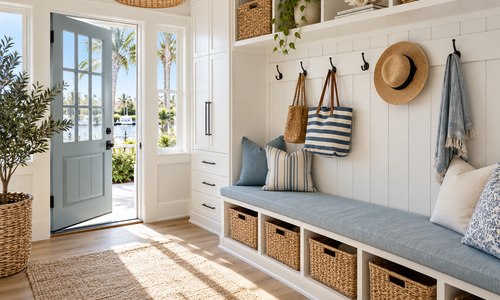
Create a Coastal Drop Zone That Controls Everyday Clutter
Most of us who live near the coast know exactly how the afternoon comes home with you. Sandy…