
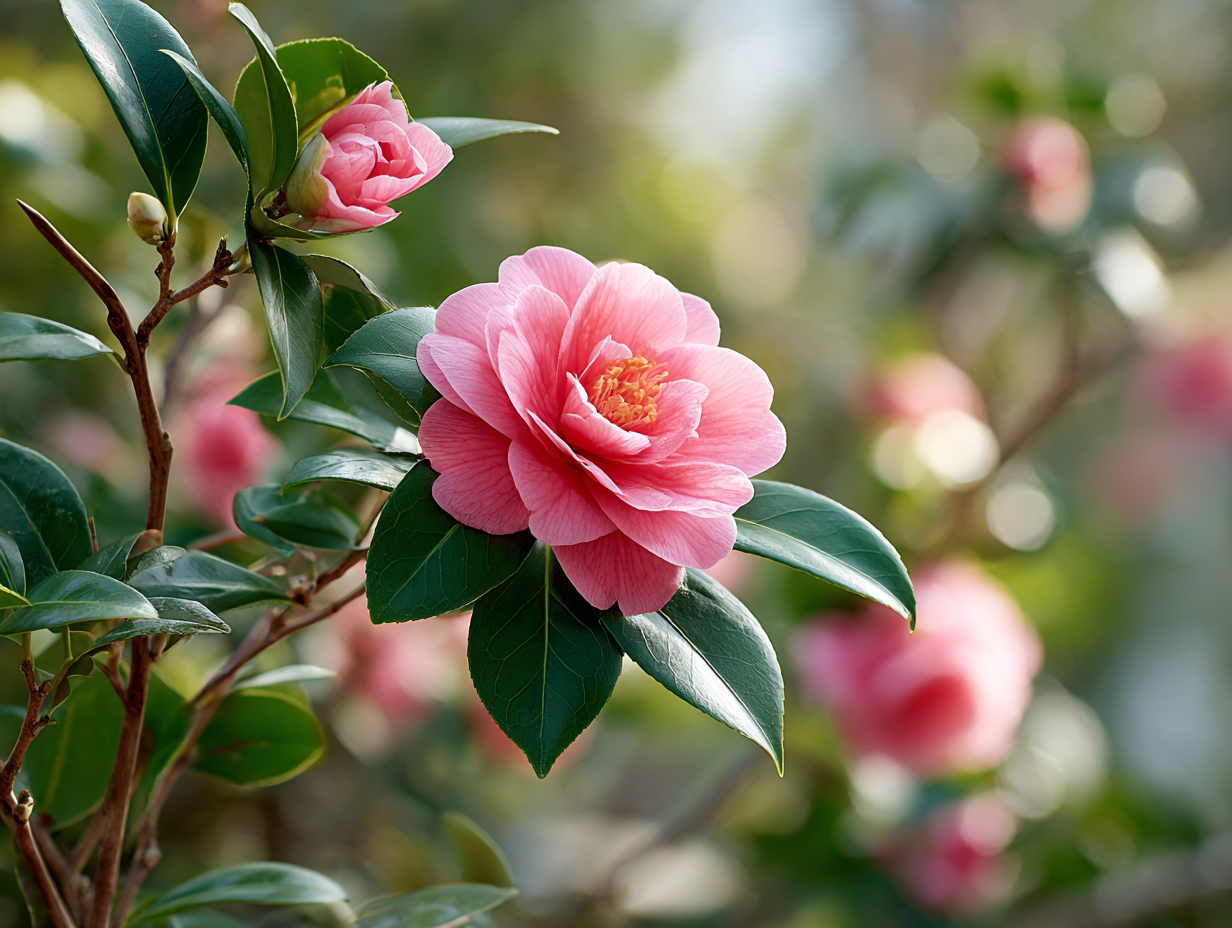
Winter in North Carolina has its own personality—cool mornings that flirt with frost, mild sunny afternoons that tempt you back outside, and the occasional cold snap that reminds you the season still has teeth. For many homeowners, this stretch of the year feels like a pause button for the yard. But here’s the secret: winter is one of the most strategic times to work in the garden. While summer is about maintenance, winter is about vision, preparation, and giving your landscape all the behind-the-scenes care it needs to thrive in spring.
Whether you're tending a backyard pollinator patch, a tidy foundation garden, or a sprawling property with fruit trees and raised beds, winter in North Carolina offers a surprisingly long list of productive—and even enjoyable—tasks. With our unique climate zones (ranging from the coastal plains to the Piedmont to the mountains), there’s plenty you can do right now to ensure next year’s blooms, harvests, and curb appeal start strong.
Below is a deep dive into what North Carolina gardeners should focus on through the winter months, and how small efforts now can pay off dramatically in the spring.
Prepare Your Soil for Spring Growth
Healthy garden soil is the foundation of every vibrant yard, and winter is the perfect time to give it some attention. In many parts of North Carolina, the soil stays workable even in colder months, especially along the coast where the ground rarely freezes for long.
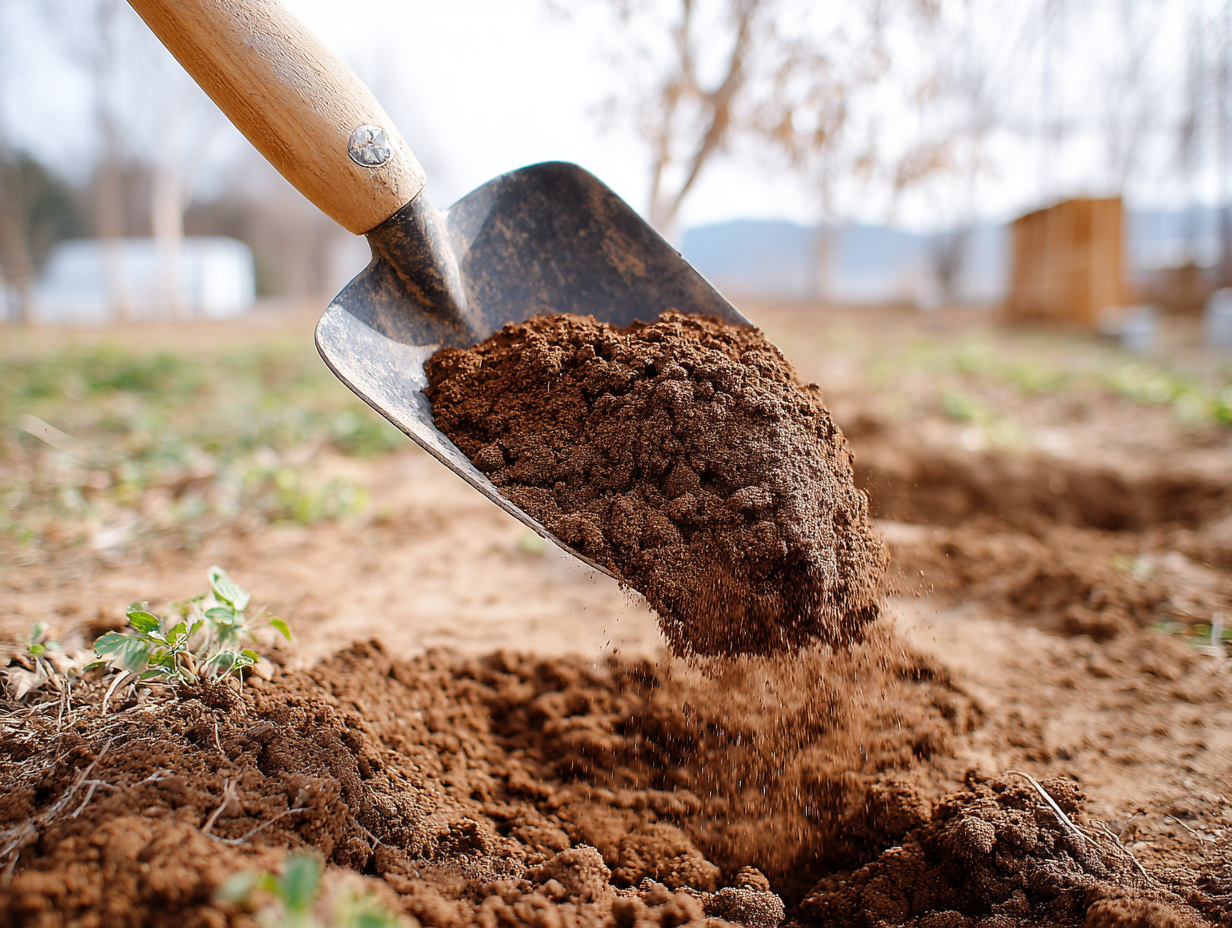
Take advantage of this window by top-dressing garden beds with compost, leaf mold, or other organic matter. Even if you don’t plan to plant until March or April, this gives microbes and earthworms time to incorporate nutrients into the soil. You can also use this period to correct acidity levels—North Carolina soils tend to lean acidic, especially in the coastal and Piedmont regions. A simple soil test can tell you whether lime is needed to bring the pH into a healthier range for vegetables, turf, or ornamentals. Lime should be applied several months before planting to give it time to work, making winter ideal.
If your soil feels compacted or lacks drainage, consider incorporating pine bark fines or perlite now. Improving structure during the dormant season lets spring roots spread easily, which is especially helpful for new shrubs, perennial divisions, and annuals.
Clean Up Garden Beds (But Leave Habitat Where You Can)
Winter cleanup is one of the most satisfying tasks in any garden. It’s the reset button many homeowners crave after a long season of growth. Start by cutting back tired perennials like daylilies, hostas, peonies, and black-eyed Susans. These plants divert extra energy to decaying foliage, so removing it helps them rest and prepare for spring.
However, winter gardening isn’t just about trimming everything back to a clean slate. North Carolina is home to many beneficial insects that overwinter in hollow stems, leaf piles, and dried flower heads. If your goal is to support pollinators, consider leaving some seed heads (like coneflowers and rudbeckia), ornamental grasses, and parts of your native plant beds intact until early spring. Birds benefit from them too, especially when natural food sources are scarce.
Focus cleanup efforts where it matters most: beds closest to your home, high-visibility spots, and areas where disease or pests were an issue last season. Removing diseased foliage—particularly from roses, tomatoes, peonies, and fruiting plants—is essential. These pathogens can overwinter in spent leaves and spread again in the spring.
Prune Trees and Shrubs During Dormancy
Winter is one of the safest and most effective times to prune many woody plants because the structure of the branches is easier to see and the plant is less susceptible to stress. February is typically the sweet spot in North Carolina—late enough to avoid deep freeze damage but early enough to encourage healthy new spring growth.
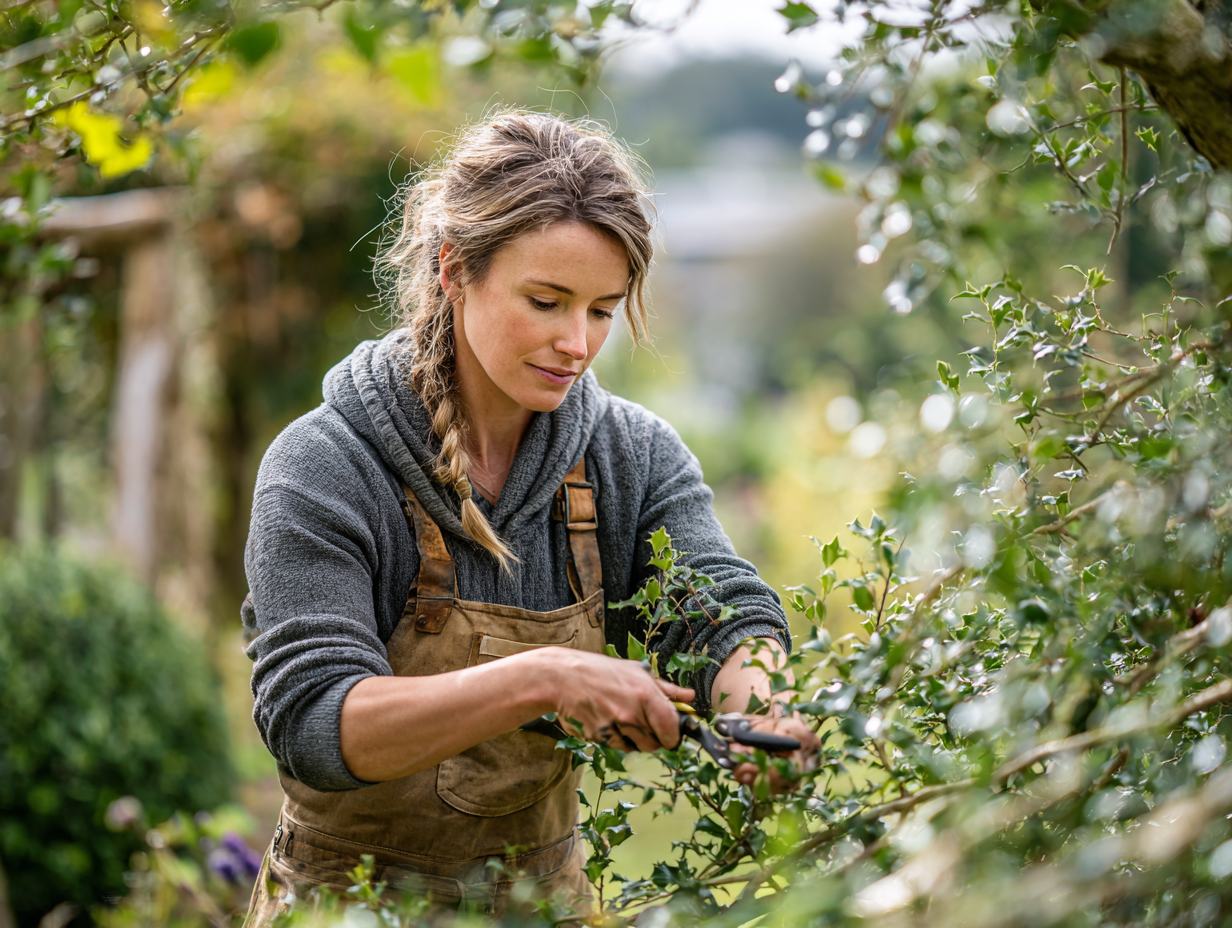
Some tips for winter pruning:
Prune now:
• Shade trees like maples, oaks, and ashes
• Deciduous flowering shrubs that bloom on new wood, such as panicle hydrangeas, crepe myrtles, and butterfly bush
• Fruit trees, including apples, pears, and peaches
• Grapevines and muscadines
• Overgrown hollies, ligustrum, and abelia
Wait to prune until after flowering:
• Azaleas
• Camellias
• Forsythia
• Spring-blooming hydrangeas (bigleaf and oakleaf)
• Gardenias
Pruning these later bloomers too early can remove the buds that are already formed and waiting for spring.
Focus on removing crossing branches, dead wood, and any branch angles that may cause issues as the plant grows. This is also a good time to thin shrubs to improve airflow, which helps reduce disease pressure in North Carolina’s humid summers.
Protect Sensitive Plants from Winter Temperatures
While much of North Carolina enjoys relatively mild winters, surprise drops into the teens—or even single digits in the mountains—are not unusual. These can be hard on young shrubs, tropicals, and more tender ornamentals.
Pay special attention to:
• Gardenias
• Figs
• Certain hydrangea varieties
• Sago palms
• Young citrus trees
• Newly planted shrubs
A layer of mulch around the base of plants helps insulate roots. For particularly vulnerable varieties, you can wrap them with frost cloth during the coldest nights. Avoid using plastic sheeting directly on foliage—it traps moisture and can increase frost damage.
Container plants should either be moved close to a south-facing wall or brought indoors if they’re not cold-hardy. Terra cotta pots crack easily when wet soil freezes, so keeping them sheltered helps preserve both the plant and the pot.
Plant Roses, Trees, and Hardy Shrubs
North Carolina’s winter is a surprisingly good season for planting many woody plants because it allows their roots to settle in while top growth remains dormant. This gives them a jumpstart compared to spring plantings, which need to put energy into foliage and root growth simultaneously.
Consider planting:
• Boxwoods
• Hollies
• Arborvitae
• Camellias (in coastal and Piedmont regions)
• Azaleas
• Native shrubs like inkberry, Carolina allspice, winterberry, and oakleaf hydrangea
• Fruit trees such as apple, peach, pear, and plum (bare-root varieties are especially affordable and thrive when planted now)
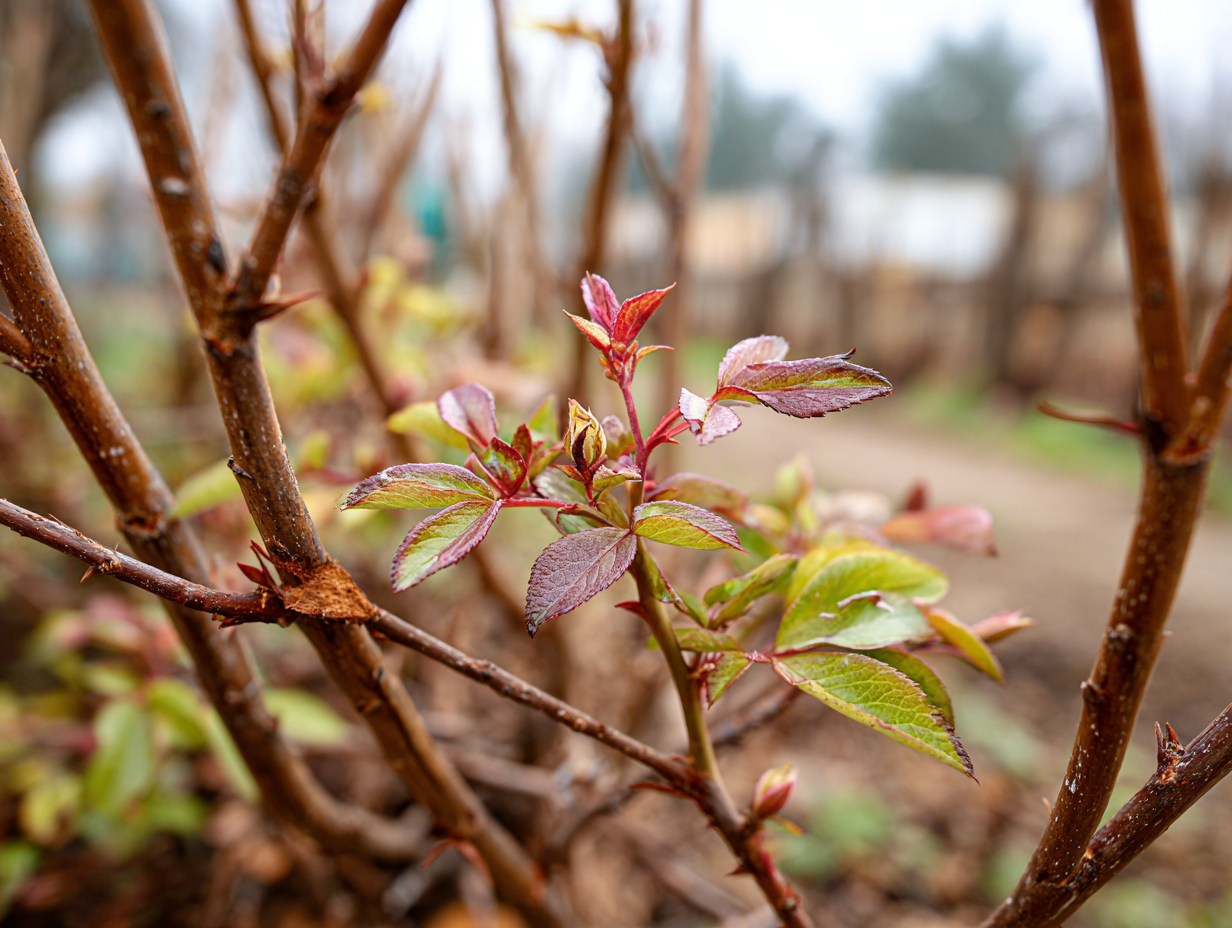
If you love roses, winter is also the perfect time to get bare-root varieties in the ground. The soil stays warm enough along much of the coast to encourage early rooting, and by spring they’ll wake up ready to flourish.
Mulch Beds to Protect Roots and Reduce Weeds
Mulch breaks down slowly over time, and winter replenishment helps keep it effective and attractive. A fresh layer—about two to three inches—is enough to insulate root systems and prevent weeds from germinating. In North Carolina’s mild winters, weed seeds don’t really “sleep,” so mulch works as an early line of defense before spring growth kicks in.
Consider using:
• Shredded hardwood
• Pine straw (especially common and attractive in coastal NC)
• Pine bark nuggets
• Leaf mold or compost for more naturalistic beds
Make sure mulch isn’t piled against tree trunks or shrub stems; this can trap moisture and cause rot.
Grow Cool-Season Vegetables
Winter is not off-limits for vegetable gardeners—North Carolina’s climate gives you several pockets of opportunity. In coastal and Piedmont regions, hardy crops can thrive throughout winter with a bit of protection.
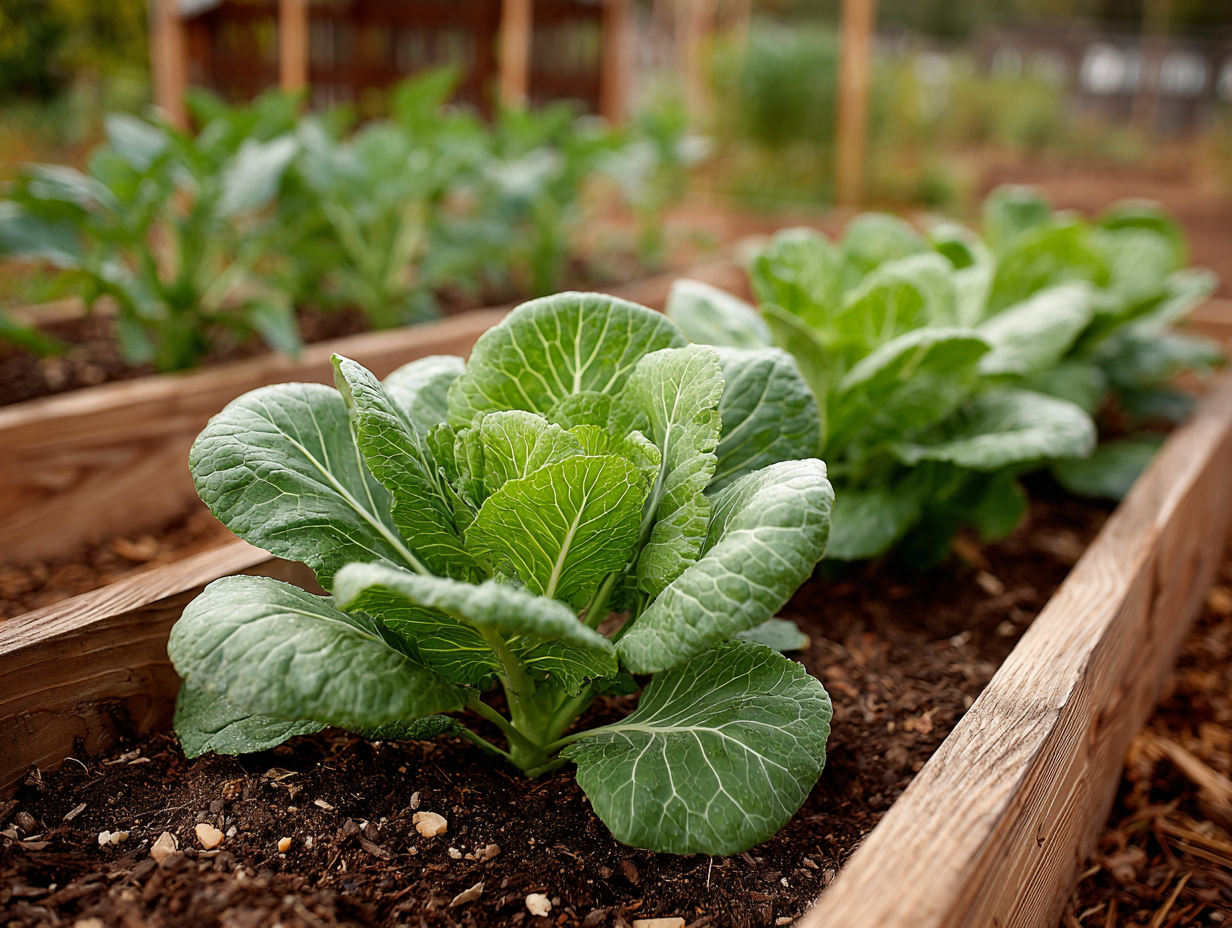
Vegetables you can plant or continue growing include:
• Garlic (if not already planted in fall)
• Onions (sets or transplants)
• Spinach
• Lettuce
• Arugula
• Kale
• Collards
• Carrots
• Beets
Using cold frames, row covers, or small hoop tunnels can significantly extend your harvest window. In coastal areas, it’s entirely possible to snip fresh greens in January and February.
If you're not actively growing, winter is an ideal time to start planning your spring vegetable layout, order seeds, and clean or repair tools.
Start Seeds Indoors for an Early Start
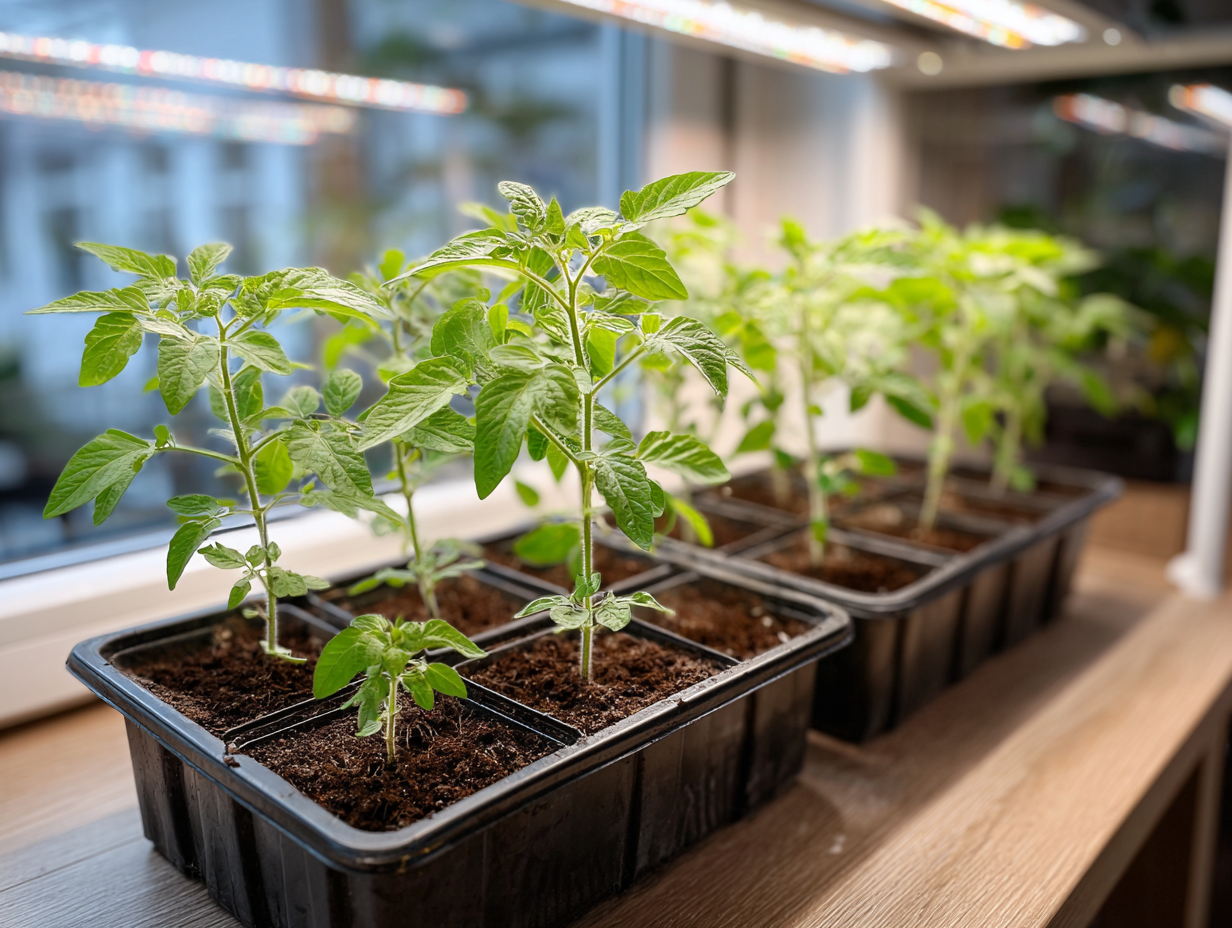
If you’re an ambitious gardener—or someone who loves getting a jump on unique varieties you won’t find at local nurseries—seed starting is a winter pleasure worth embracing. Timing varies based on your region of North Carolina, but generally speaking, late January through March is prime seed-starting season.
Good candidates for indoor seed starting include:
• Tomatoes
• Peppers
• Eggplant
• Herbs like basil, oregano, and parsley
• Broccoli, cabbage, and cauliflower (for an early spring crop)
Using grow lights can make a noticeable difference in seedling quality, especially since winter daylight hours are limited. Place lights close to the seedlings and raise them as plants grow. A small fan can help prevent damping-off disease and encourage sturdier stems.
Take Advantage of Dormant Season Weeding
Weeding may not sound glamorous, but winter is one of the most strategic times to get ahead of the problem. Weeds like henbit, chickweed, wild onion, and annual bluegrass love North Carolina’s winter climate. Tackling them now prevents them from going to seed and multiplying.
Perennial weeds such as nutsedge or wild blackberry are easier to spot when beds are bare. Carefully removing them in winter spares you a much bigger headache in spring.
For homeowners with lawns, winter is also the last chance to apply pre-emergent herbicides if you’re targeting specific early weeds. Just make sure you use products compatible with cool-season versus warm-season turf varieties.
Divide Perennials and Transplant Shrubs
If your beds feel overcrowded or you’ve been meaning to move a shrub that’s outgrown its space, winter is the best time to tackle these jobs. Plants are dormant, temperatures are cool, and rainfall is more frequent—giving transplants a stress-free path to establishing new roots.
Perennials that divide well in winter include:
• Hostas
• Daylilies
• Iris
• Shasta daisies
• Sedum
• Black-eyed Susans
• Coneflowers
Shrubs that move successfully in winter include hydrangeas, viburnums, roses, and many native species. Just try to give them plenty of water during mild spells.
Add Winter Interest to Your Landscape
North Carolina’s winter landscape doesn’t have to be dull. This is a great season to evaluate what your yard looks like without the distraction of lush foliage and summer blooms.
Consider introducing plants that offer:
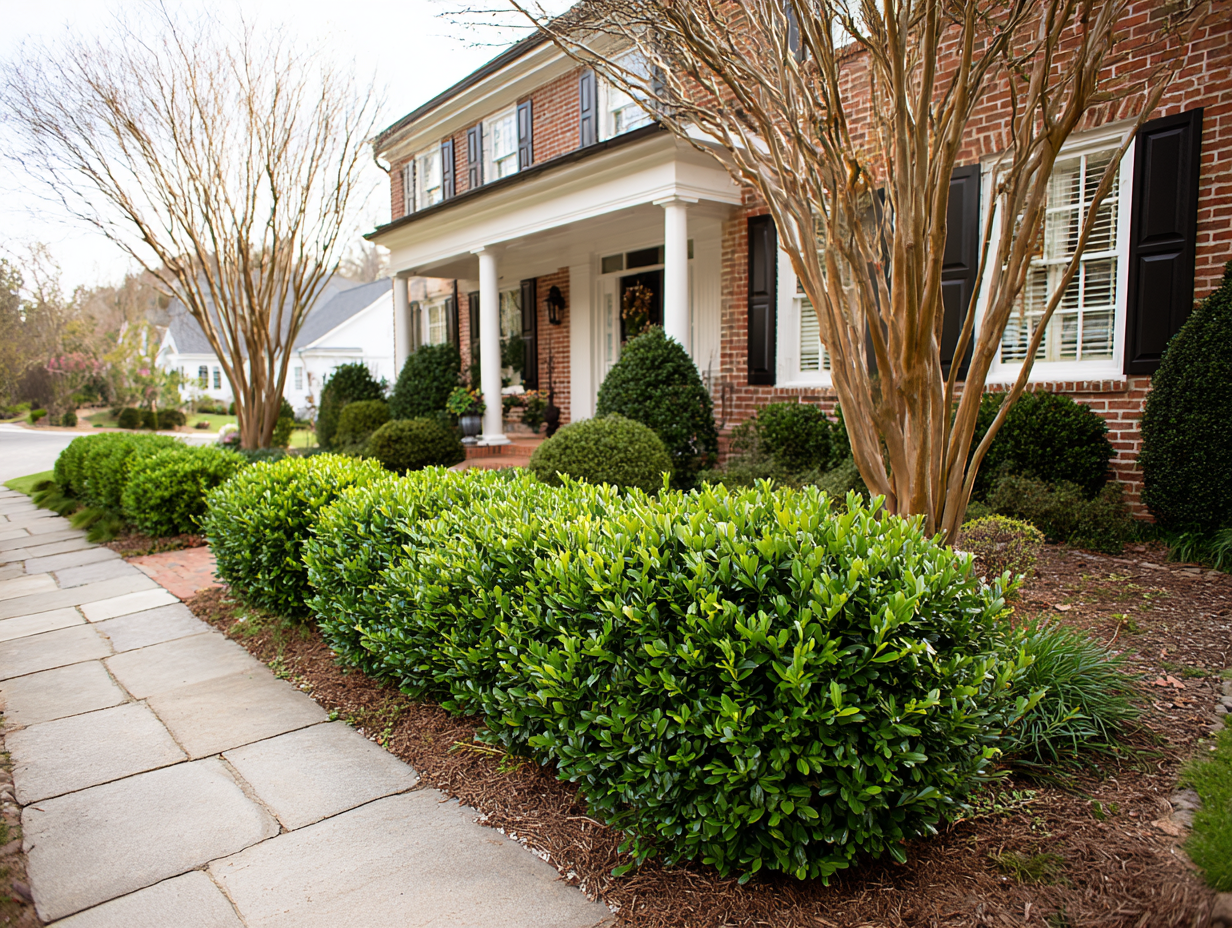
• Evergreen texture (boxwood, loropetalum, Southern magnolia)
• Colorful winter berries (winterberry holly, mahonia, yaupon)
• Striking bark (river birch, red twig dogwood)
• Fragrance (coming from winter daphne or paperbush)
These additions create a more dynamic landscape year-round, especially in the coastal and Piedmont regions where winter days are often sunny and mild.
Maintain Tools, Irrigation Systems, and Equipment
Winter is the perfect time to clean, sharpen, and organize your tools. Pruners, shears, shovels, and mowers all last longer—and perform better—when properly maintained.
If you use irrigation systems, winter is the season to check drip lines, flush out debris, and repair leaks. Many gardeners also take this time to build or expand raised beds, repair garden borders, and plan new hardscaping features.
Plan Next Year's Garden with Intention
Finally, winter is reflection season. This is when gardeners evaluate what worked, what didn’t, and what deserves more space next year.
Think about:
• Which flowers attracted the most pollinators
• Which vegetables performed best
• Whether your yard needs more shade, privacy, or low-maintenance areas
• If there are spots where erosion, poor drainage, or pests were issues
• How much time you realistically want to spend gardening next year
Making these choices now—before spring enthusiasm takes over—helps you build a garden that’s both beautiful and manageable.
Check out this article next