Many homeowners across Wilmington, North Carolina, and the surrounding coastal communities have experienced the same moment: a neighbor’s home hits the market, appears very similar in size and layout to yours, yet ends up selling for noticeably more. It’s not just timing or luck—often, several key upgrades and characteristics quietly elevate one home over another, even when they look comparable on paper.
In southeastern North Carolina’s competitive real estate landscape—where humidity, coastal weather, lifestyle amenities, and buyer expectations all play a role—small differences can significantly increase market value. Below are the seven most common reasons why one home outperforms another, along with a short bonus section explaining one factor that consistently offers the highest return.
1. Similar Floor Plan, but More Updates
Two homes may share the same floor plan, but updates can dramatically widen the value gap. Buyers in today’s market want move-in-ready properties, and they’re willing to pay more for homes that reduce their future renovation workload.
Kitchens and bathrooms remain the top return-on-investment spaces. National data shows that a minor kitchen remodel often recoups a large percentage of its cost, while refreshed bathrooms typically deliver a strong return as well. Here in coastal Carolina, buyers regularly prioritize:
- Updated cabinetry, countertops, and fixtures
- Stainless appliances and modern lighting
- Updated flooring such as luxury vinyl plank
- Fresh, neutral paint throughout
- New plumbing and hardware that align with current design trends
When a home presents as “updated throughout,” buyers tend to feel more confident about long-term maintenance costs—and that confidence shows up in stronger offers.
2. Better Use of Space
Square footage tells only part of the story. Buyers pay close attention to how space is used, how functional it feels, and whether the floor plan helps or hinders everyday living. Two homes can have the same heated square footage on paper, but the one with more thoughtful layout choices often earns the higher sale price.
Several layout and storage enhancements can create significant value:
Bathroom vs. Oversized Closet: Adding or reconfiguring a bathroom often delivers a major boost in desirability. A home with an extra half or full bath competes differently than one without it, especially in popular single-level and two-story plans.
Expanded Kitchen Storage: Floor-to-ceiling cabinets, deeper pantry shelving, or added cabinet runs make kitchens feel custom and more spacious. Buyers love storage that feels built-in and intentional, particularly in open-concept layouts.
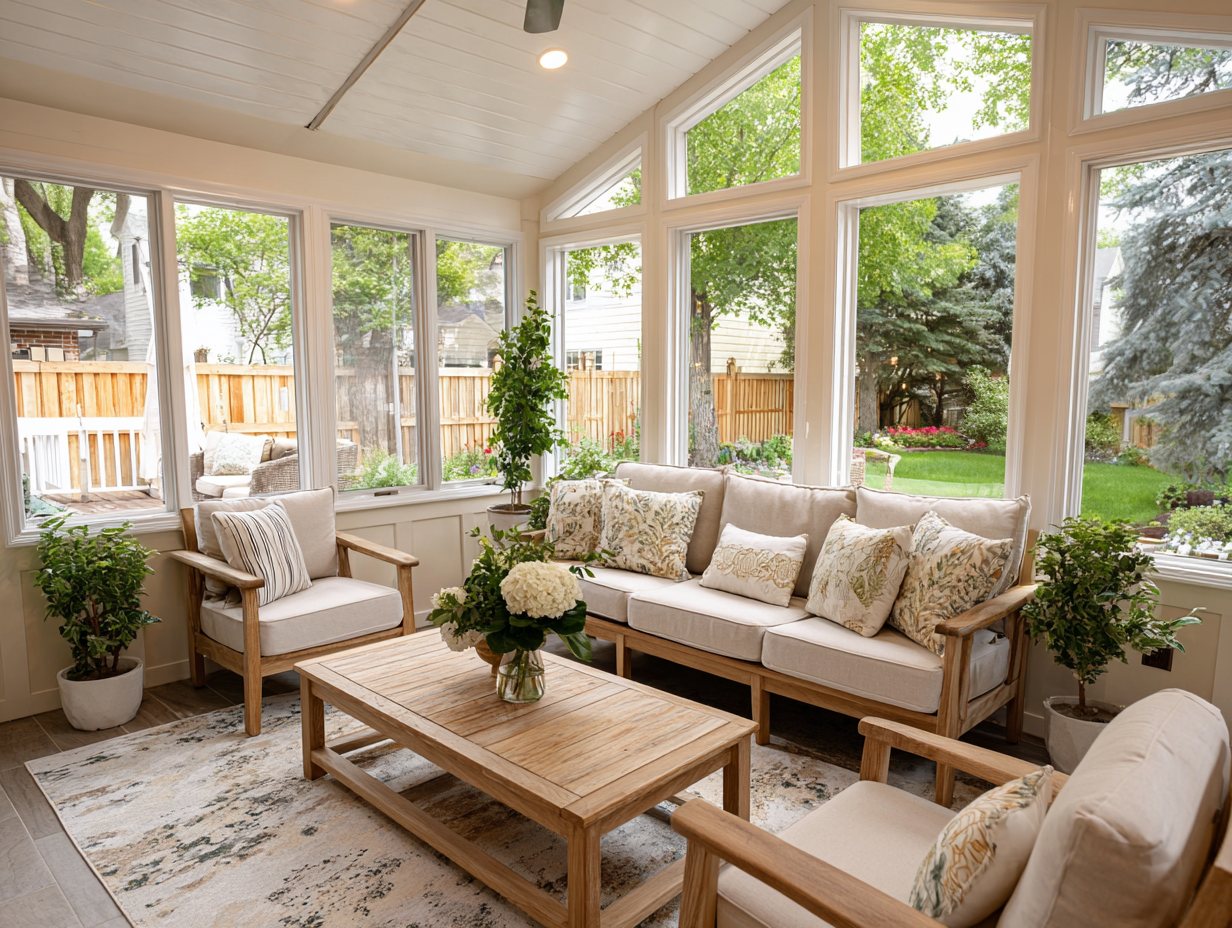
Screened Porch Converted to an All-Seasons Room: Across southeastern North Carolina’s mild climate, this is a premium upgrade. Turning a screened porch into a heated/cooled sunroom adds flexible living space for dining, reading, hobbies, or entertaining and gives the home more functional area without the cost of a full addition.
Attic or Eave Storage: Even if the space isn’t considered “heated living area,” floored attic sections or organized eave storage significantly improve practicality. Homes that feel easier to live in—because everything has a place—stand out immediately to buyers touring multiple properties in one day.
These smart layout upgrades change the feel of a home in ways that buyers instantly recognize, even if the official square footage hasn’t changed.
3. Newer Home Systems
Behind-the-scenes systems have a major influence on how buyers perceive value. In a region where salt air, humidity, and tropical weather can accelerate wear, updated systems carry even more weight. A house with newer key systems often feels “lower risk” and therefore more attractive.
HVAC Systems: A recently replaced HVAC unit can sway buyers immediately. These systems are expensive, and knowing they won’t be facing a replacement soon is a big relief.
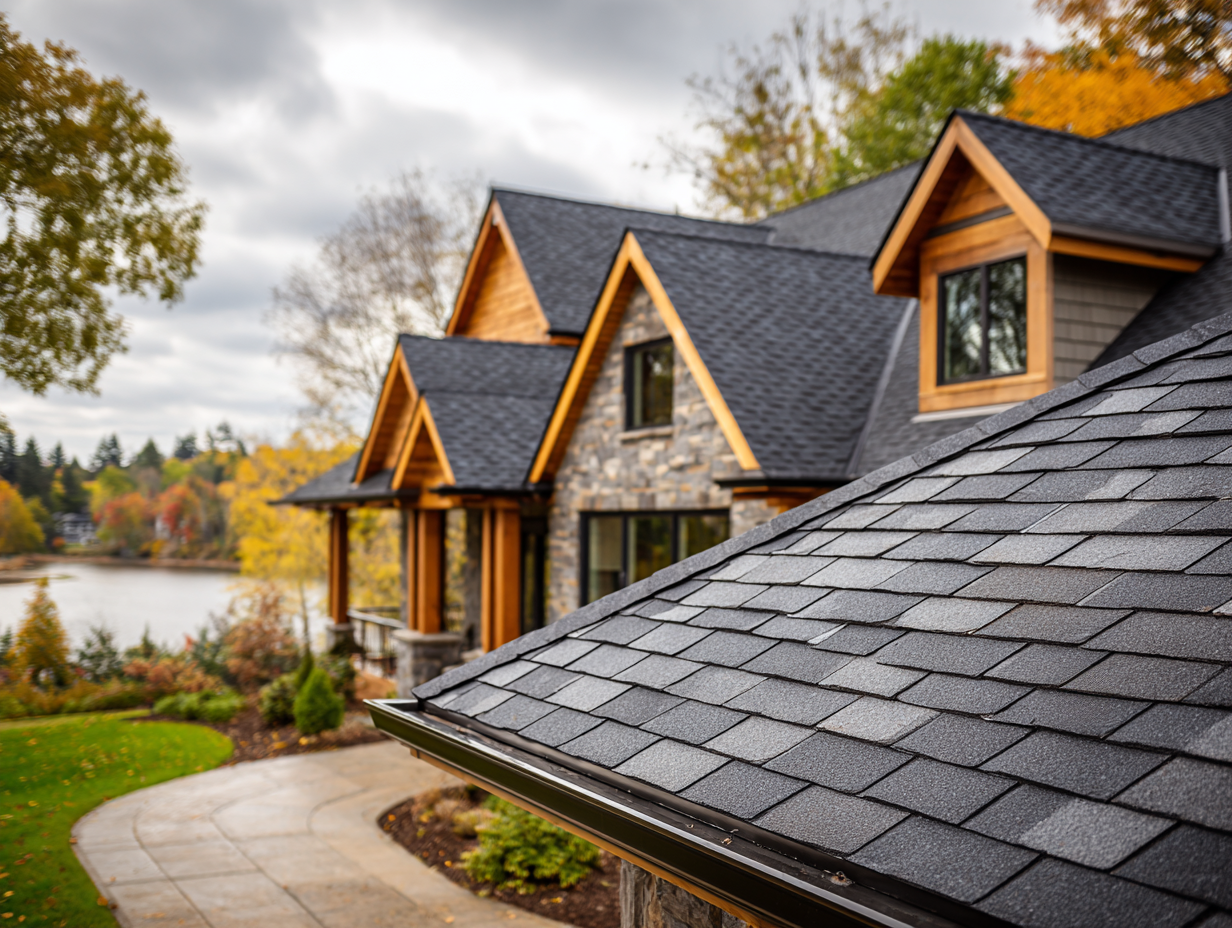
Newer Roof: Roof age is one of the top questions buyers ask. A newer architectural-shingle roof with plenty of life left can help a home sell faster and for more money because it minimizes concerns about leaks and big-ticket expenses.
Updated Water Heater: Newer water heaters offer improved efficiency and reduce the likelihood of surprise repairs right after moving in. In homes with water heaters on upper levels, replacement can also reduce risk of leaks and damage.
New Windows: Energy-efficient windows improve interior comfort and help moderate utility costs. They can also enhance sound insulation in busier locations.
Whole-Home Generator: A standby generator is a major reliability upgrade, particularly in storm-prone areas. Buyers relocating from other parts of the country often view this as an important plus that helps protect their comfort during outages.
When multiple mechanical components are up-to-date, buyers see a home that has been well cared for and is less likely to generate large expenses in the near future. That perceived security often translates into stronger offers.
4. Smart Home and Energy-Efficient Updates
Today’s Wilmington-area buyers often seek homes with modern conveniences that improve efficiency, comfort, or connectivity. These upgrades don’t just feel good—they signal lower long-term costs and a more convenient lifestyle.
Smart Thermostats: Programmable thermostats appeal to energy-conscious buyers and those who value the ability to control their home from a smartphone. They can help reduce utility bills and fine-tune comfort.
Radiant Heat Flooring: Heated floors in bathrooms or kitchens add a touch of luxury that buyers remember, especially during cooler months. It’s the kind of feature that sets a home apart from others they’ve toured.
Encapsulated Crawl Spaces: In the humid coastal Carolinas, encapsulation is a standout upgrade. It helps prevent moisture intrusion, protects subflooring, and can improve indoor air quality, which is a major plus for many buyers.
Wired Data and High-Speed Internet Cabling: More buyers are working from home, streaming multiple devices, and relying on stable connections. Homes wired for strong connectivity, with Ethernet ports or structured wiring, are becoming top contenders.
Solar Panels Considerations: Solar can be attractive, but the value depends on whether the panels are owned outright, their age, and the buyer’s preference. Some buyers are excited about potential energy savings, while others prefer not to assume maintenance or financing agreements. Because of that, solar is not universally viewed the same way as many other energy-efficient upgrades.
Altogether, smart and energy-efficient upgrades help position a home as forward-thinking, comfortable, and cost-effective—attributes that often support higher sale prices.
5. ADA & Accessibility Features
Accessibility upgrades broaden a home’s usability and appeal. Many buyers appreciate environments that support aging in place, multigenerational living, or general safety and comfort. Thoughtfully designed accessibility features can make a property stand out in a subtle but meaningful way.
Wider Doorways: Wider doors improve mobility and contribute to a more open feel inside the home, making it easier to move furniture and navigate with mobility aids if needed.
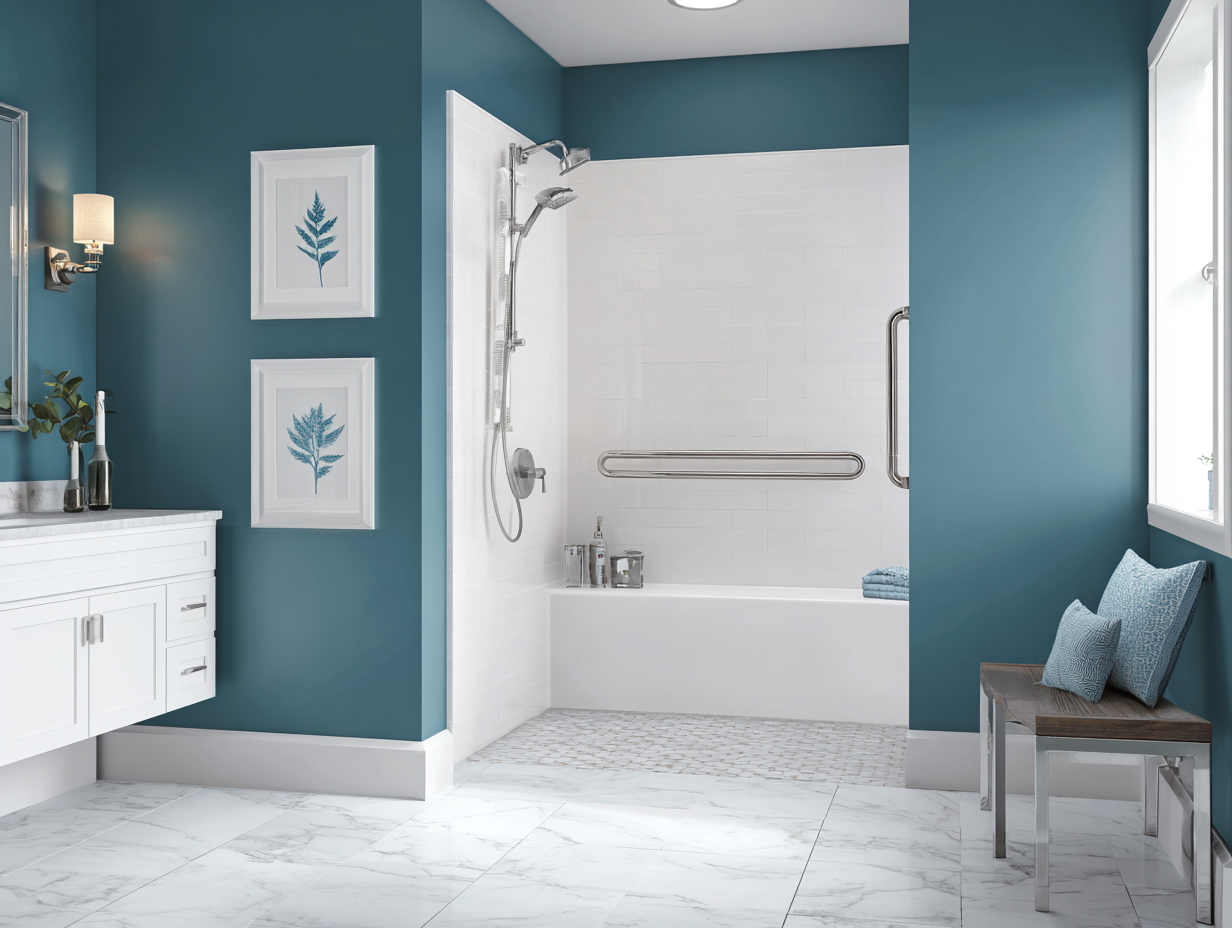
Zero-Entry Showers and Main-Level Rooms: These features reduce trip hazards and offer long-term convenience. Zero-entry (or curbless) showers are increasingly popular as a design choice even apart from accessibility needs.
Ramps and Chair Lifts: Ramps, chair lifts, and stair lifts support mobility needs without requiring major renovations. Buyers who value long-term comfort often view these as major benefits.
Modern Grab Bars: Updated grab bars are now available in stylish finishes that blend with contemporary décor, providing function while maintaining an attractive look.
Standby Generators: A reliable power backup is especially meaningful in homes where uninterrupted electricity is important for health or safety reasons, but it is also appreciated by any household that wants to be more resilient during storms.
Even buyers without specific mobility needs often value these thoughtful details, viewing them as evidence of a well-prepared, future-minded home.
6. Better Location
Location remains one of the most influential factors in real estate pricing, even when comparing homes within the same subdivision. Two properties on different streets—or even different ends of the same street—can produce very different offers.
Larger Lot Size: More yard space creates room for outdoor living, privacy, additions, gardening, and play areas. Homes with larger lots often feel more flexible and private, both inside and out.
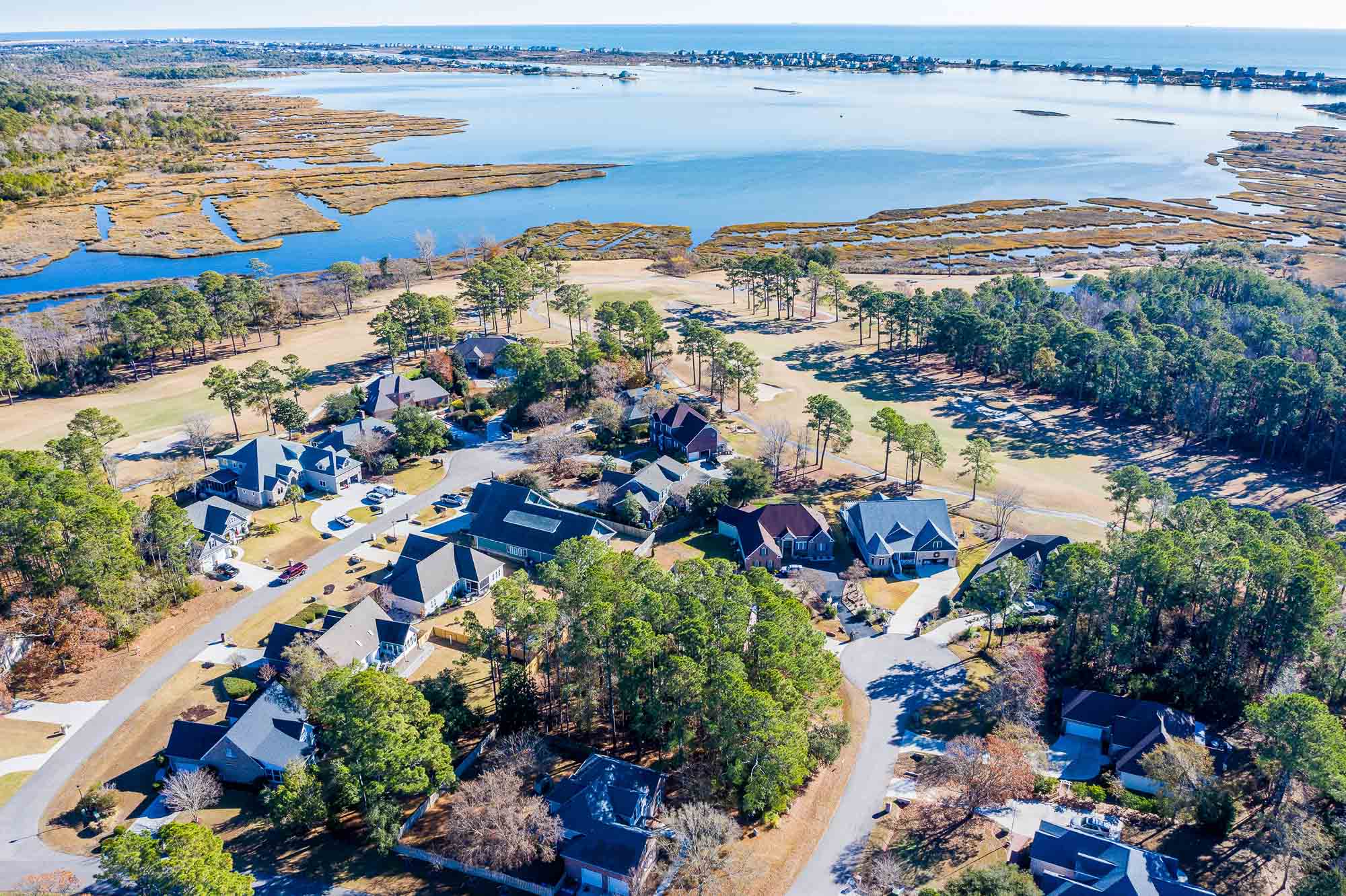
Water Views or Golf Course Lots: Homes with water views, marsh views, or golf course frontage consistently command higher prices. These outlooks are highly sought after in coastal Carolina and can be a long-term value anchor.
Cul-de-Sac Positioning: Cul-de-sac lots typically experience less through-traffic and can offer unique lot shapes with more usable yard space. Many buyers find this appealing when comparing similar homes.
School District Lines: Public school zones sometimes change inside a single master-planned community. Homes zoned for higher-rated schools, based on publicly available data, often attract wider buyer interest, which can support higher sale prices.
These subtle differences can generate noticeable price gaps, even among similar-looking properties with comparable interiors.

7. A Cleaner, More Maintained Indoor Environment
Presentation matters more than most homeowners realize. Cleanliness, upkeep, and organization directly influence a buyer’s emotional response. Two very similar homes can feel drastically different simply based on how they are presented.
Fresh Odor-Free Spaces: Homes free of strong smells—pets, smoke, moisture, or heavy fragrances—immediately feel more inviting. Buyers often form an opinion within seconds of walking in the door.
Professional Deep Cleaning: Shiny floors, spotless grout, clean windows, and dust-free surfaces help a home photograph better and show more impressively in person. Deep cleaning also signals that the home has been treated with care.
Minimal Clutter: Clutter makes rooms feel cramped and distracts buyers from the home’s features. Calmer, simplified spaces appear larger, brighter, and more functional.
Visible Upkeep: Buyers notice the little things: maintained landscaping, newer caulking, updated lightbulbs, clean vents, tidy closets, and well-organized garages. These details build trust that the home has been consistently cared for, not just quickly “spruced up” for showings.
A well-presented home often sells faster and for more because it conveys care, quality, and move-in readiness—exactly what many buyers want.
Bonus: They Used a Realtor
The final difference maker is often the simplest: professional representation. According to national statistics, homes sold with a licensed real estate agent typically earn significantly higher sale prices than For Sale by Owner properties. FSBO homes generally sell for less, in part because they lack the pricing strategy, exposure, negotiation expertise, and marketing power that full-service agents provide.
A strong real estate professional brings:
- Professional photography and staging guidance
- Accurate, data-supported pricing strategies
- Broad marketing exposure across major platforms
- Negotiation expertise that protects your bottom line
- Guidance on upgrades, repairs, and timing to maximize results
If your neighbor’s home sold for more, it’s likely they had the benefit of experience on their side.
If you're considering selling—or if you're simply curious about what your home could sell for in today’s Wilmington-area market—The Cameron Team is here to help. With more than three decades of expertise across New Hanover, Brunswick, Pender, and Onslow counties, we can give you a precise, strategic plan to help your home stand out.
Ready to talk about your home’s value? Contact The Cameron Team today for a personalized consultation.
Frequently Asked Questions
What does my neighbor’s higher sale price mean for me as a Wilmington homeowner?
When a neighbor’s home sells for more than you expected, it means there are likely key differences in updates, condition, layout, systems, location, or representation that helped their property stand out. Even homes with similar square footage and floor plans can sell for very different prices based on how move-in-ready they feel and how they’re presented to buyers. Instead of assuming your home is automatically worth the same amount, it’s important to treat that sale as one data point and compare the details carefully. A professional market analysis can help you understand how your specific home stacks up against recent sales in your neighborhood.
How do these “difference makers” affect home value in coastal North Carolina?
In coastal North Carolina, buyers often pay more for homes that reduce future projects and feel well prepared for the local climate. Updates to kitchens and bathrooms, better use of space (such as an all-seasons room instead of a basic screened porch), newer roofs and HVAC systems, smart-home and energy-efficient features, and thoughtfully designed accessibility upgrades all contribute to perceived value. Location details also matter, including lot size, views, and where a property sits within a community. Together, these difference makers can create a noticeable gap between the sale price of two homes that look similar on paper.
Are there unique insurance, inspection, or maintenance considerations that impact why one home sells for more in Wilmington?
Yes. In the Wilmington area, buyers and inspectors pay close attention to roofs, crawl spaces, moisture management, windows, and mechanical systems because of our coastal weather and humidity. Homes with encapsulated crawl spaces, newer HVAC systems, updated roofs, and well-maintained exteriors often perform better in inspections and feel less risky to buyers. Insurance factors such as wind and hail coverage and, in some areas, potential flood considerations can also influence how confident buyers feel about long-term costs. A home that shows strong inspection results and appears ready for local conditions is more likely to attract stronger offers.
When is the best time to address updates if I want my home to compete with my neighbor’s sale price?
The best time to address updates is several months before you plan to list, so you have time to prioritize projects, secure contractors, and complete work without feeling rushed. Starting early allows you to focus on improvements that matter most to buyers, such as fresh paint, flooring updates, kitchen and bath refreshes, and any needed repairs highlighted in your neighbor’s listing photos or remarks. You can also address maintenance items like servicing the HVAC, cleaning up the landscaping, and decluttering interior spaces. Going to market with a home that looks well cared for and move-in-ready gives you a better chance of matching or exceeding nearby sales.
Who should I talk to if I want to understand why my home might sell for less or more than my neighbor’s in Wilmington?
If you want a clear picture of how your home compares, it’s smart to start with an experienced local real estate professional who regularly works in Wilmington and the surrounding coastal communities. They can review your neighbor’s sale, walk through your property, and prepare a detailed market analysis that highlights strengths, weaknesses, and potential upgrade opportunities. You may also benefit from talking with trusted contractors about cost-effective improvements and with your insurance agent about any location-specific factors that buyers may ask about. Together, these conversations can help you create a realistic plan to maximize your home’s market position.
Check out this article next