
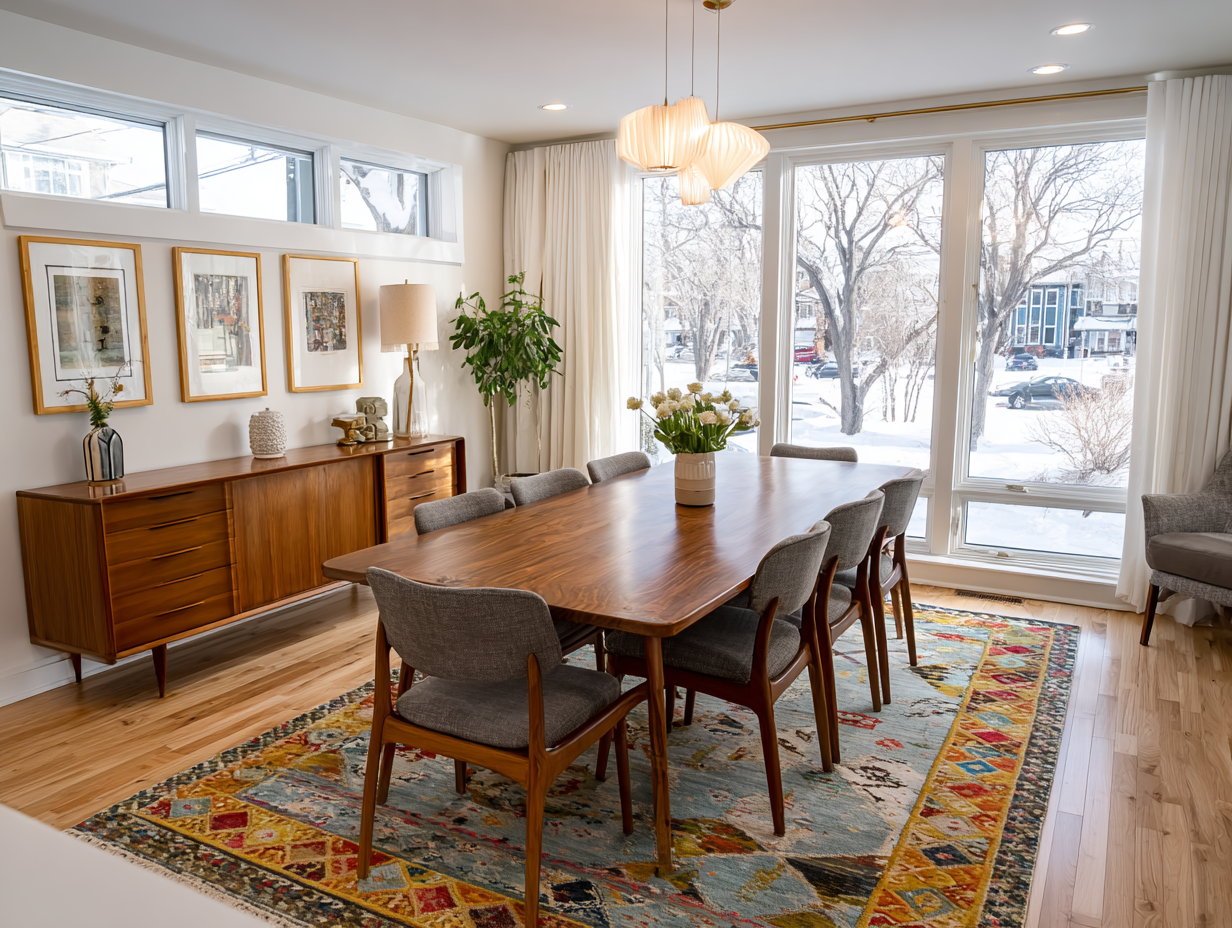
For years, fast fashion’s influence quietly slipped into the world of home décor. Big-box retailers pushed new must-have looks every season, social media rewarded perfectly staged but often quickly forgotten rooms, and consumers felt the pressure to constantly update their spaces just to keep up with whatever trend was circulating that month. But now, something different is happening. People are starting to pull back from the rapid-cycle churn of décor trends and gravitating toward slower, more meaningful, more intentional choices for the home.
This shift is part of a broader cultural movement: one that values thoughtful curation over instant gratification, practicality over excess, emotional resonance over aesthetics for aesthetics’ sake, and above all, living spaces that actually function in the real world. Whether driven by sustainability, budget consciousness, or a desire for authenticity, today’s homeowners are looking for décor that feels personal, long-lasting, and purpose-driven.
Below, we explore the biggest themes shaping this movement, from slow decorating and the rise of thrifting, to multi-functional design and sustainability, and why these ideas are redefining how people furnish and experience their homes.
Slow Decorating: A Gentle Rebellion Against Fast Décor
Slow decorating has become one of the most refreshing shifts in contemporary home design. It pushes back against the idea that rooms need to be completed quickly, perfectly, and in one fell swoop. Instead, homeowners are giving themselves permission to take their time, explore their tastes, and wait for pieces that truly feel meaningful.
A Push Toward Personal Expression
More buyers are prioritizing personal expression, objects and furniture that feel connected to their story, identity, values, or significant life moments. People want their homes to reflect their interests, not what a retailer displays in a curated showroom. This is driving a surge in unique pieces, character-driven textures, and décor that sparks conversation.
Slow decorating encourages homeowners to ask questions like: do I genuinely love this, does it tell a story, and does it fit how I want this room to feel or function, rather than simply wondering whether it is what everyone else is buying right now.

Vintage and Antique Shopping
A Focus on the Joy of the Hunt
Part of the fun is the journey. Collecting artwork from flea markets, hunting down the perfect rug from a local artisan, finding a vintage light fixture that reminds someone of their childhood home, these moments make the finished room feel more intimate and more deeply rooted in personal meaning.
As a result, decorating timelines are becoming longer, but the satisfaction is higher. A space slowly built with intention tends to feel more cohesive, more timeless, and more connected to the homeowner’s everyday life.
Even Maximalism Is Becoming More Intentional
While maximalism is still thriving today, it is evolving with the same level of thoughtfulness. The new wave is less about filling space with objects and more about creating curated layers of pieces that matter. Think galleries of books collected over decades, art sourced from meaningful travels, heirlooms mixed with found objects, and décor that expresses identity rather than chaos.
Intentional maximalism is defined not by abundance alone, but by purposeful abundance.
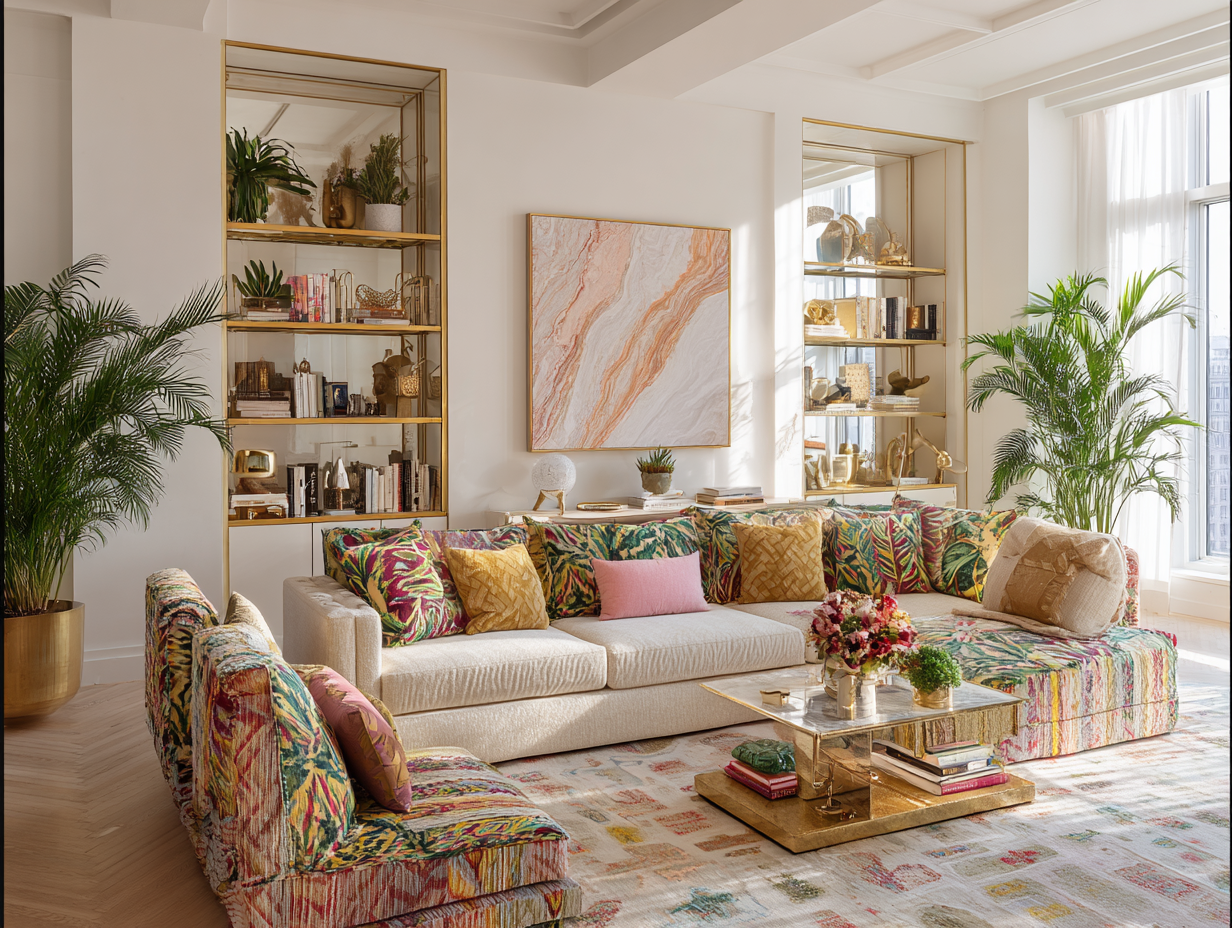
Maximalist with Intention
Thrifting, Refinishing, and the Return of “Forever Furniture”
With slow decorating comes an explosion in the popularity of thrifting, refinishing, and reclaiming furniture. Unlike fast furniture, which is designed with short lifespans and disposable materials, older pieces, particularly those made of solid wood, are built to last.
The Thrill of the Hidden Gem
Across the country, more homeowners are spending weekends browsing estate sales, thrift shops, flea markets, antique warehouses, and online secondhand marketplaces. There is a growing community of décor lovers who proudly share their finds in local social media groups, TikTok reels, and discussion boards.
Part of the appeal is economic, because solid wood furniture is expensive when purchased new, but thrifted pieces offer both quality and value. However, the appeal is also emotional. Every vintage piece carries a history, and modern buyers love the idea of giving these items new life in their own homes.
Upcycling Makes Creativity Part of the Décor Story
Whether it is sanding down a mid-century dresser, repainting a side table, or swapping hardware on a secondhand cabinet, refinishing has become a staple of modern home décor culture. Homeowners not only enjoy the cost savings, they enjoy the creative empowerment.
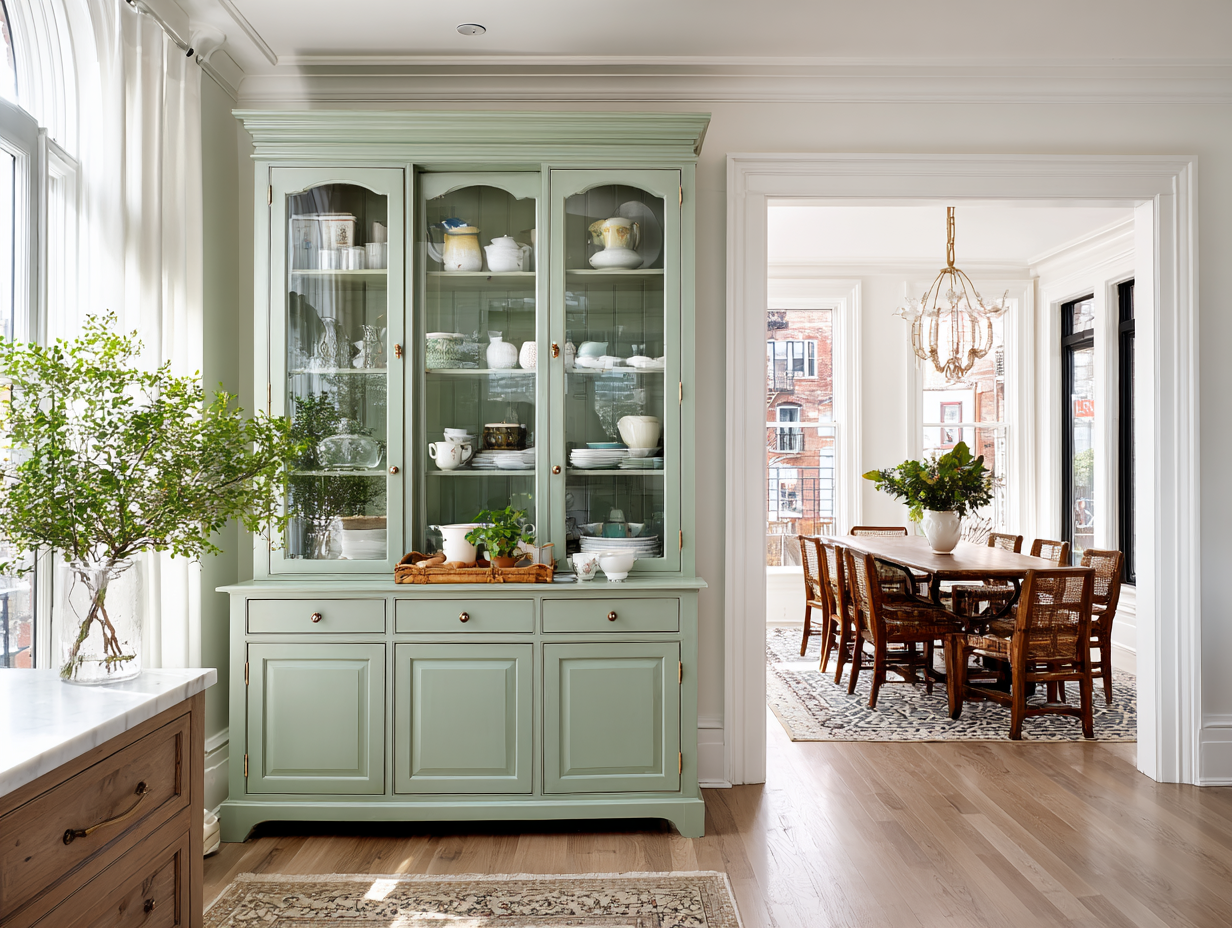
Vintage Hutch in Kitchen
Upcycling lets people inject artistry into their spaces:
- A vintage hutch becomes a statement kitchen storage piece.
- An old dresser transforms into a bathroom vanity.
- A dated dining set gets modernized with fresh upholstery or stain.
These projects also align beautifully with sustainability ideals because they extend the lifespan of furniture that might otherwise end up as landfill waste.
The Rise of Furniture Refinishers
Not everyone wants to handle the refinishing process themselves, and that is where professional refinishers step in. Small refinishing businesses, often run by artisans, are thriving both in-person and online. People can purchase high-quality, refurbished furniture at a fraction of the cost of brand-new pieces offered by big stores, while also supporting local makers and craftspeople.
This is intentional decorating at its best, combining sustainability, artistry, practicality, and personality.
Buying for Function and Purpose: Décor That Works Harder
Another major shift happening in home décor is the push toward functional, purposeful design. With more Americans working from home, juggling household logistics, and trying to reduce clutter that contributes to stress, décor that performs double duty has become incredibly attractive.
The Move Toward Spacious Simplicity
There is growing awareness that visual overload can impact mood and well-being. Research on clutter and stress suggests that chaotic environments can increase anxiety and make it harder to relax. As a result, homeowners are choosing fewer items overall, prioritizing dual-purpose furniture and integrated storage to help maintain clean, intuitively organized spaces.
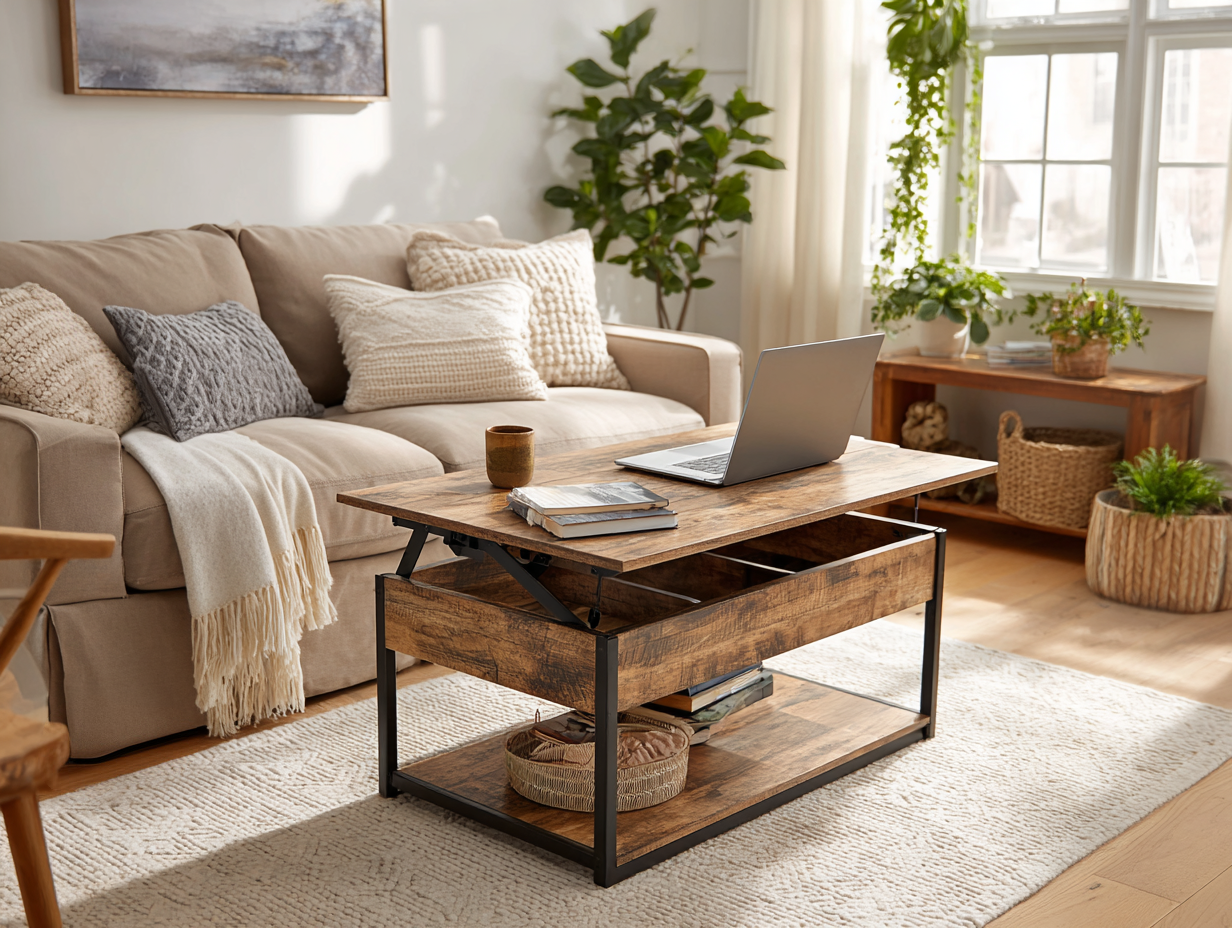
Laptop Coffee Table
Popular examples include:
- Coffee tables that convert into laptop workstations.
- Console tables that unfold into extra sleeping space for guests.
- Ottomans with deep storage compartments.
- Side tables that conceal and charge gaming controllers, remotes, or headsets.
- Lamps with built-in USB or wireless charging.
Decorative Pieces Are Becoming More Practical
Even purely aesthetic pieces are being redesigned with function in mind. Decorative radios double as Bluetooth speakers, sculptural lamps serve as charging hubs, and artful appliances are designed to blend seamlessly into a room instead of standing out as clunky equipment. Wall décor might include hidden shelves or integrated lighting that activates when someone walks into the room.
The goal is not to eliminate beauty, but to blend beauty with usefulness, ensuring every piece contributes something meaningful to the home.
Appliances With More Than One Job
The multi-function trend extends into kitchens and utility spaces as well. Homeowners increasingly seek appliances that can do more than one thing, helping them save space, reduce clutter, and simplify daily routines.
These might include:
- Toasters that function as mini grills.
- Coffee makers that brew both hot and cold beverages.
- Microwaves that double as toaster ovens or broilers.
- Stand mixers with multiple attachments for grinding, spiralizing, or kneading.
- Air-fryer functionality built into full-scale ovens.
This shift is partly about practicality and partly about minimizing countertop clutter. The fewer single-use gadgets, the more room for living.
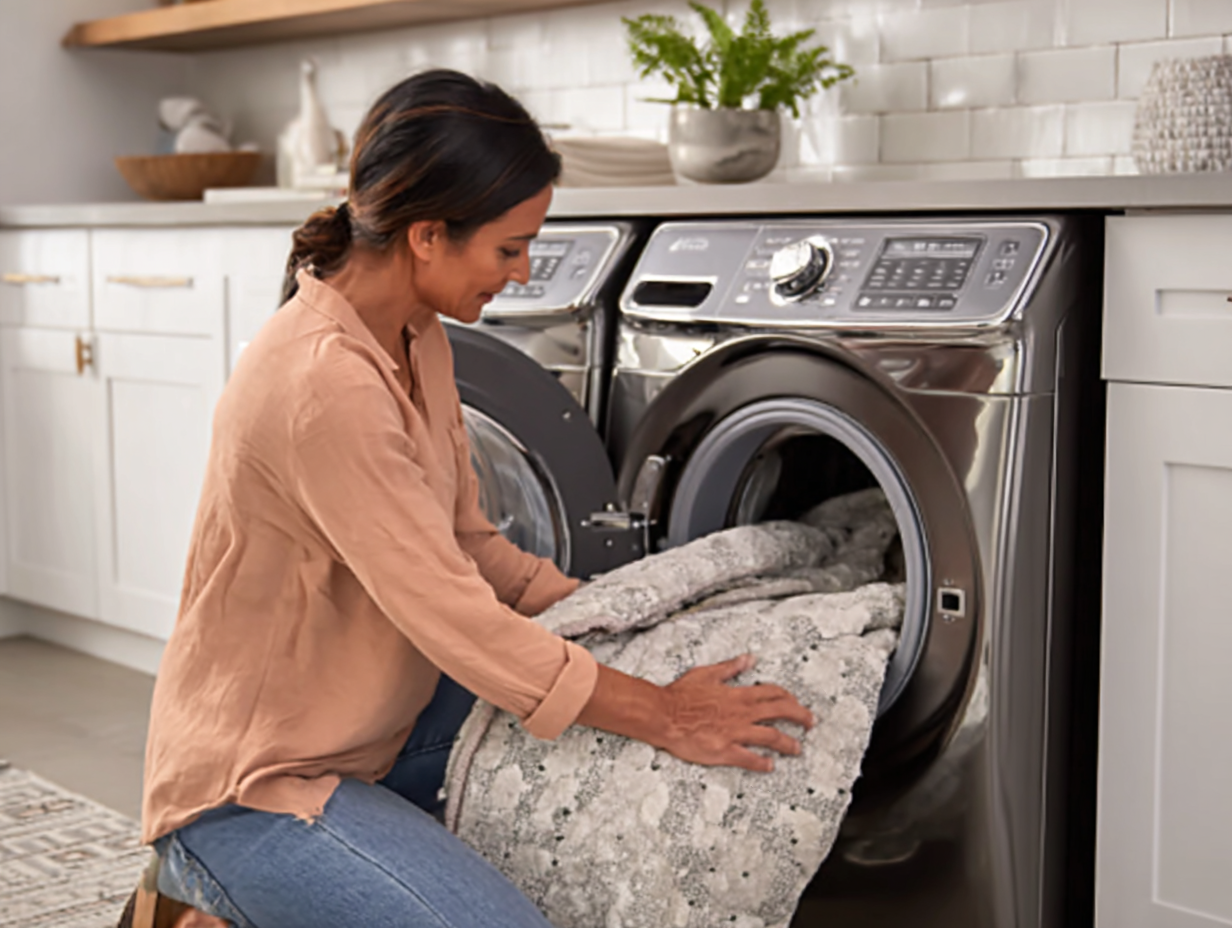
Woman Washing Rug
Easy-to-Clean Living
Décor that simplifies cleaning routines is also booming, especially for busy households. Washable rugs, removable cushion covers, antimicrobial materials, and pet-friendly fabrics are becoming standard. Homeowners want materials that stand up to real-life messes without constant stress.
Washable textiles, from area rugs to throw pillows, are becoming especially popular, blending style with convenience in homes of all kinds.
Sustainability: Designing with Ethics, Endurance, and Eco-Friendly Materials
A major driver behind this intentional décor movement is sustainability. Homeowners are not just seeking beautiful décor; they are actively looking for environmentally conscious options that support long-term well-being.
Eco-Friendly, Renewable, and Natural Materials
Consumers are leaning toward materials such as bamboo, cork, felt, natural clay, recycled glass, reclaimed or salvaged wood, and recycled metals. These materials are not only sustainable, they are durable, textured, visually striking, and often unique.
Healthier Indoor Air
More people are learning about the impact of volatile organic compounds and other chemical additives in furniture and textiles. As a result, low-VOC paints, untreated natural wood furniture, and non-toxic textiles are increasingly preferred.
Many buyers actively seek certifications such as:
- FSC-certified wood.
- OEKO-TEX textiles.
- GreenGuard Gold for indoor air quality.
With awareness rising about indoor environmental health, these certifications are becoming part of the purchasing decision for both décor enthusiasts and everyday homeowners alike.
A Return to Ethical and Handcrafted Goods
The popularity of handmade items such as ceramics, textiles, carved wood décor, and handwoven baskets speaks to a larger cultural desire for authenticity and connection. Supporting artisans also ensures fair labor, higher quality, and longer-lasting goods.
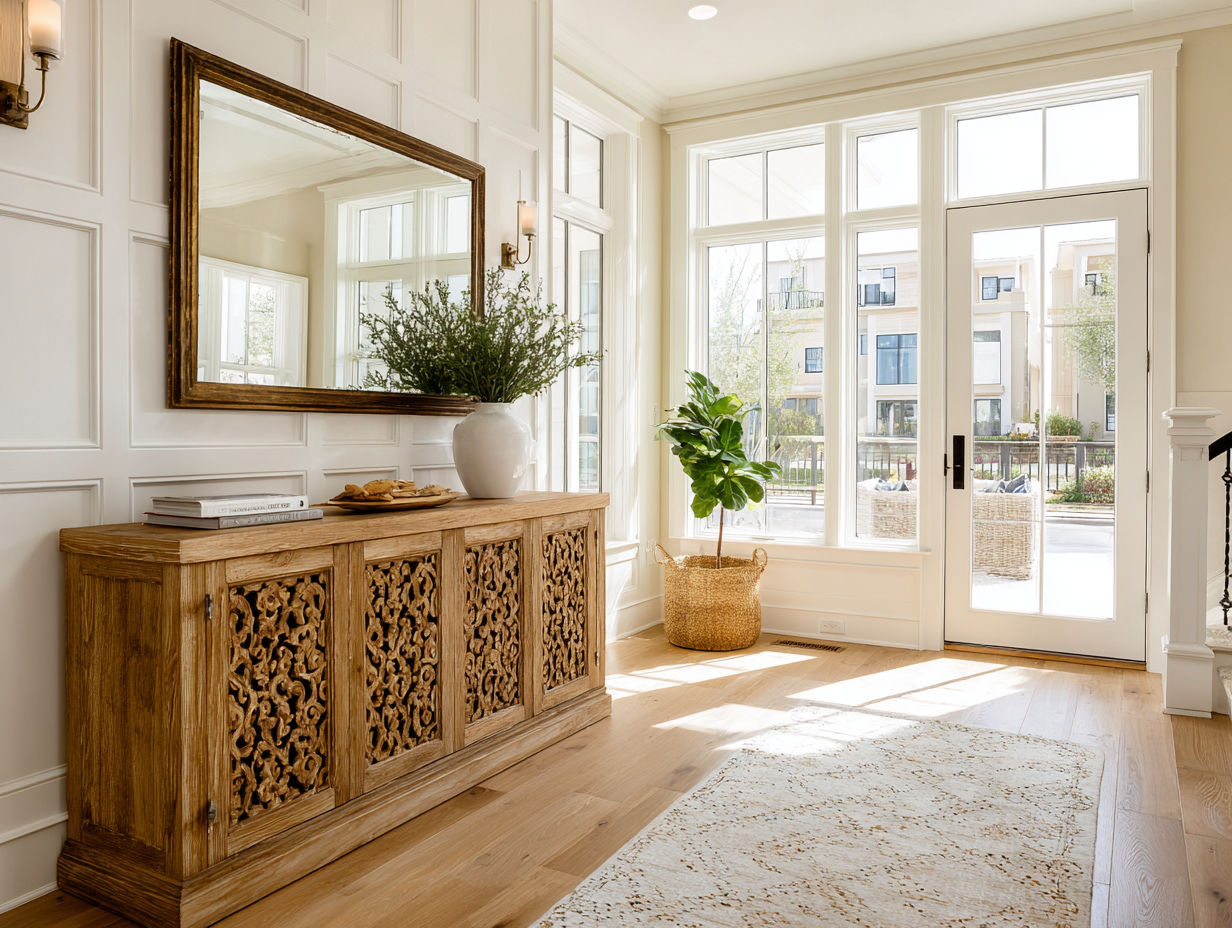
Carved Wood Console Table
Consumers are beginning to care not only about what they buy, but who they buy it from. They are intentionally choosing companies that:
- Engage in fair-trade sourcing.
- Reduce environmental waste.
- Use recyclable or compostable packaging.
- Offer take-back programs for worn-out products.
- Plant trees or invest in carbon-offset initiatives.
This makes each purchase feel impactful, not just another piece of décor, but a thoughtful contribution to a more sustainable world.
Longevity Over Trends
The fast-furniture cycle is fading as more people realize how unsatisfying it can be to replace décor every time a new trend hits social media. Instead, they are investing in durable, timeless pieces that age gracefully rather than following trend-driven décor destined to be replaced within a year. Intentional design means furnishing a home for the long term, with items chosen for personal value and lasting appeal.
Conscious Consumerism
Homeowners are becoming more strategic, examining each purchase through the lens of quality, longevity, and impact. They are increasingly drawn to multi-functional pieces, high-quality materials, ethical manufacturing, sustainable shipping, and furniture that can be repaired or updated instead of discarded.
The result is rooms filled with items meant to last, not disposable décor.

Man Planting a Tree
What This Means for Homeowners Today and Beyond
This cultural shift is not a temporary trend. It reflects a deeper transformation in how people approach home décor, influenced by cost pressures, environmental values, lifestyle changes, and a desire for authenticity.
A more intentional home is more personal, more sustainable, more functional, more peaceful, more expressive, and more reflective of real life. It celebrates craftsmanship, values long-term investment over short-term gratification, and embraces the idea that a home should evolve slowly, with meaning built into every choice.
As the movement grows, we can expect to see even more emphasis on artistry, longevity, and décor that supports emotional and mental well-being. People are no longer decorating for social media; they are decorating for themselves.
Frequently Asked Questions About Intentional Home Decor
What does “intentional home decor” mean for me as a homeowner?
Intentional home decor means making thoughtful choices about how you design and style your space so that every piece serves a purpose — whether that’s functional, aesthetic, emotional, or a blend of all three. Instead of filling rooms with items that “look nice,” intentional decor focuses on pieces that enhance daily life, reflect your personality, and support how you actually use each space.
How does intentional home decor affect my home’s appeal and value?
While intentional decor doesn’t directly change your appraised value, it can significantly improve your home’s appeal — especially in local markets like Wilmington and coastal North Carolina. Thoughtful styling makes spaces feel purposeful and inviting, which can help your home photograph better, show stronger in person, and create an emotional connection with buyers. That positive perception can translate into more interest and stronger offers.
Are there unique design considerations for coastal homes like those in Wilmington?
Yes. Coastal homes often benefit from light, breathable materials and finishes that reflect the beach environment — like natural wood, linen, wicker, and muted tones inspired by the water and sand. You also want decor that holds up to humidity and sunlight, and that feels relaxed yet intentional. Balance is key: pieces should feel welcoming without cluttering sightlines or diminishing views of the outdoors.
When is the best time to update my home’s decor with intention?
The best time to update your decor with intention is whenever you feel your space no longer supports how you live, work, or relax. It’s also a good idea to refresh intentionally before listing your home for sale — even small updates like rearranging furniture, choosing meaningful artwork, or editing decor can help the space feel more cohesive, modern, and buyer-ready.
Who should I talk to if I’m unsure how to start with intentional home decor?
If you’re unsure where to begin, consider speaking with an interior designer or home stylist who understands how to balance function with aesthetic impact. You can also explore decorating guides, online design resources, and local home decor stores to find inspiration and practical tips. Your Realtor may also offer staging suggestions that help spaces feel purposeful and move-in ready for potential buyers.
Check out this article next