
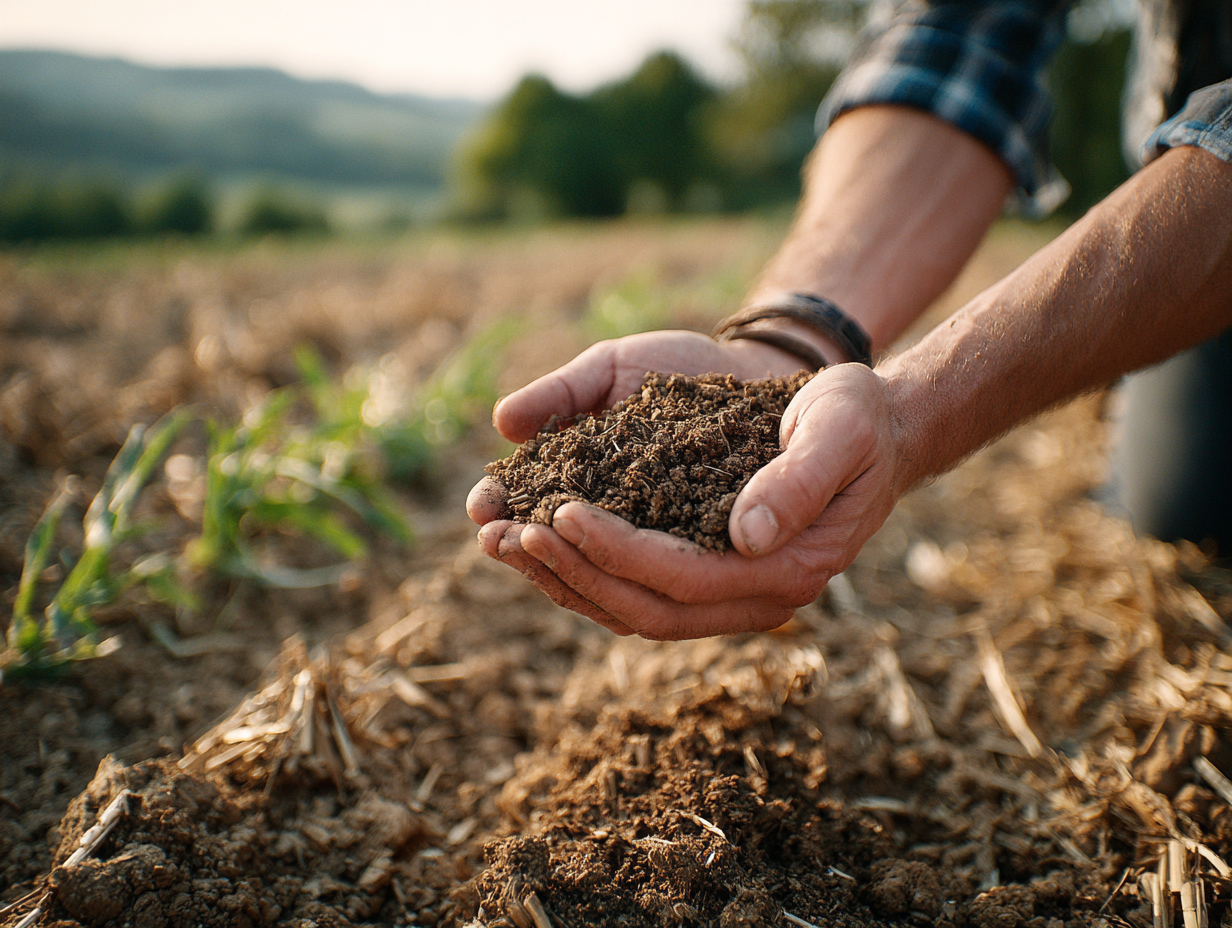
Summary: Improving soil is one of the most important steps for successful gardening in Coastal North Carolina, where sandy soils, high humidity, and heavy rainfall can impact plant health. This guide breaks down how to diagnose your soil, improve structure, add organic matter, support nutrient balance, and adapt your soil strategy specifically to Wilmington and the surrounding coastal region. You’ll learn what to add, what to avoid, how to work with our sandy loam soils, and how to build long-term soil health for healthier lawns, gardens, and landscape beds.
Please note: The Cameron Team has not been paid or received any other compensation to include any of the products featured on this post, but the author has included affiliate links and content. If you click on a link, they may earn a commission – a high-five for great content!
How Do You Know What Your Soil Needs Before You Start Improving It?
Before adding anything to the soil, the best first step is a soil test. Soil testing removes the guesswork and saves time and money because you know exactly what your soil lacks or has in excess. In Southeastern North Carolina, our sandy soils often test low in organic matter, nitrogen, and micronutrients, but every yard is different.
- Use the free or low-cost soil testing provided by the NC Department of Agriculture.
- Collect samples from several areas of your yard for accuracy.
- Test every 2–3 years, or annually if you are actively improving vegetable beds.
- Look for key information: pH, organic matter levels, nutrient deficiencies, and salinity.
If you’re unsure how to read a soil test, talk with a local garden center familiar with coastal soils—or reach out to Wilmington-area experts who can help guide improvements.
What’s the Best Way to Improve Soil Structure in Wilmington’s Sandy Coastal Soils?
Most soil in New Hanover, Brunswick, and Pender counties is naturally sandy. Sandy soil drains quickly, which is helpful during heavy summer rains, but it also loses nutrients fast and struggles to hold moisture. Improving structure means giving the soil more ability to hold nutrients while still draining well enough to prevent root rot.
Add Organic Matter Regularly
- Use compost, leaf mold, aged pine bark fines, or well-rotted manure.
- Add 2–3 inches of organic matter and mix it into the top 6–8 inches of soil.
- Repeat annually to build long-term soil structure.
- For landscape beds, top-dress with 1 inch every fall or spring.
Incorporate Biochar for Better Moisture Retention
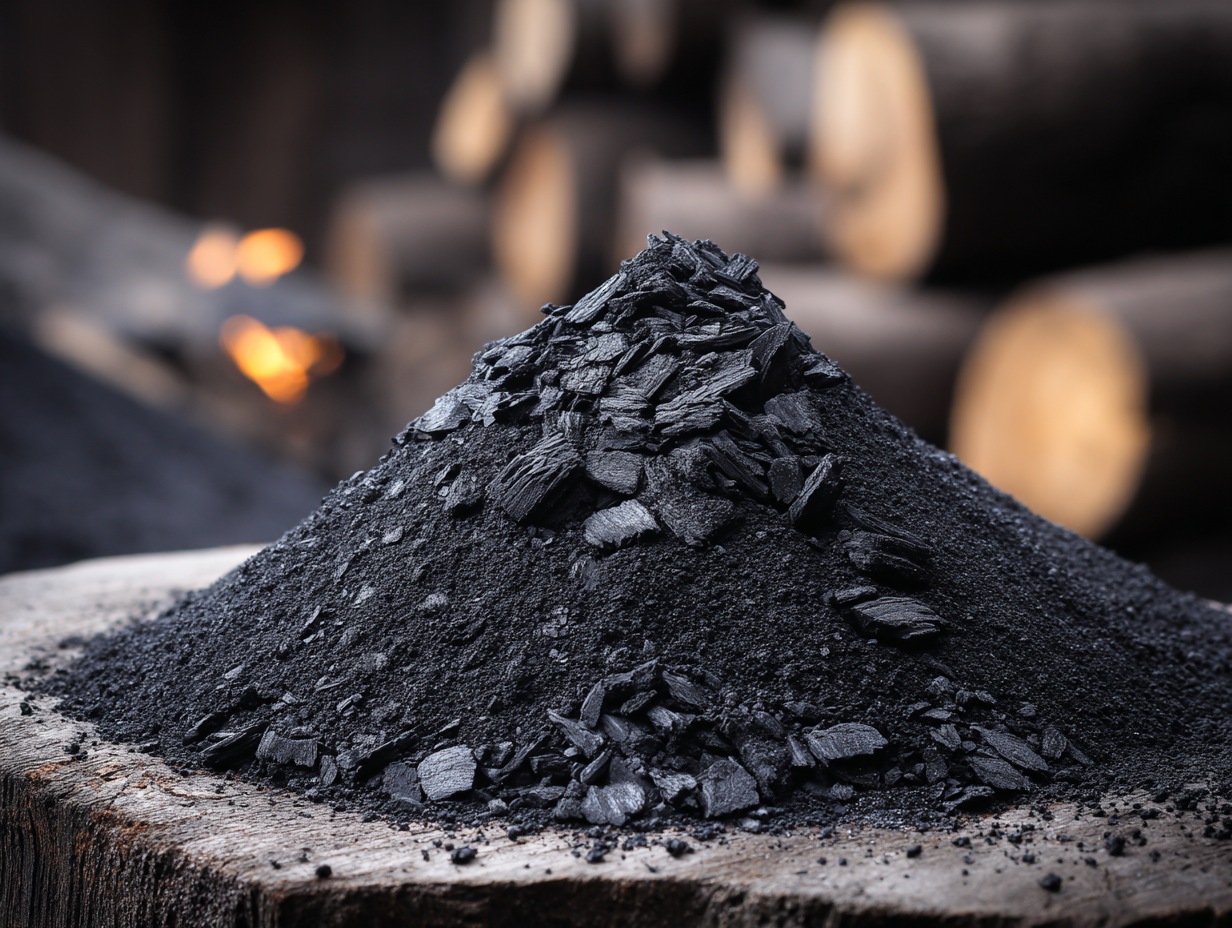
Biochar is carbon-rich material that helps sandy soils retain water and nutrients. It also supports microbial populations, which are vital for healthy soil.
- Mix 5–10% biochar into garden beds (by volume).
- Pre-charge it with compost tea or a nutrient solution so it does not draw nitrogen away from plants.
Boost Soil Biology With Fungal-Dominant Compost
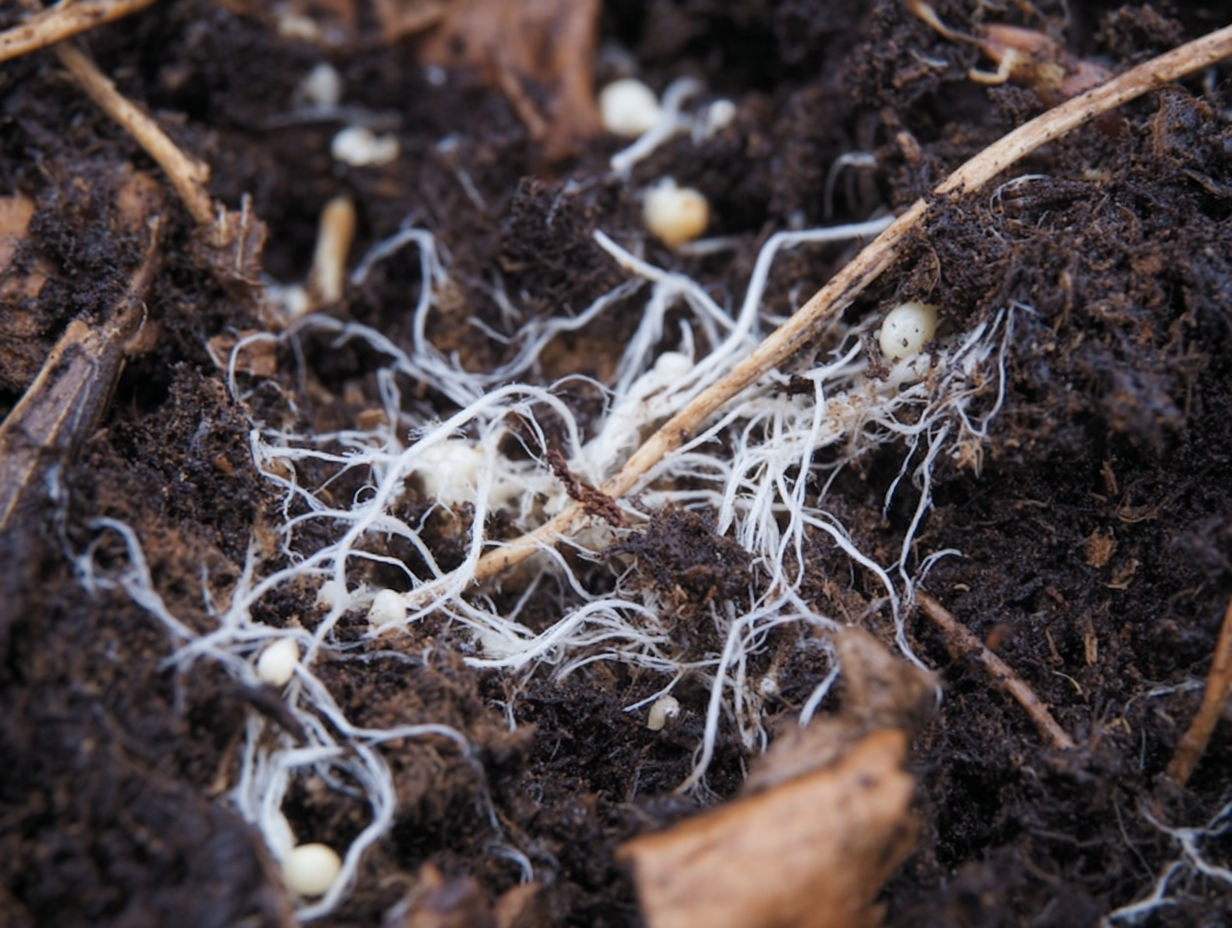
Coastal soils often benefit from fungi, which help build stable soil aggregates.
- Use compost with visible white fungal strands.
- Apply a compost tea drench to increase microbial activity.
- Avoid over-tilling, which destroys fungal networks.
How Can You Improve Soil Fertility Naturally?
Once structure is improved, focus on fertility. Fertility refers to the soil’s nutrient content and its ability to supply nutrients as plants need them. Coastal NC’s sandy soils tend to leach nutrients quickly, especially nitrogen.
Use Slow-Release or Organic Fertilizers
- Organic fertilizers (like fish emulsion, composted manure, or blood meal) feed soil microbes first, then slowly release nutrients to plants.
- Slow-release fertilizers prevent nutrient loss during heavy rainstorms.
- Choose a balanced fertilizer unless a soil test recommends otherwise.
Apply Mulch to Reduce Nutrient Loss
Mulch does more than reduce weeds. It breaks down over time and supports nitrogen retention, which is crucial in sandy soil.
- Use pine straw, shredded leaves, or wood chips—materials widely available in the Wilmington area.
- Maintain a 2–3 inch mulch layer around plants.
- Keep mulch away from stems to prevent rot.
Is Spraying Liquid Iron a Good Idea for Coastal North Carolina Soils?
Liquid iron is a fast-acting supplement that provides plants with readily available iron, a micronutrient essential for producing chlorophyll and maintaining deep green foliage. In Wilmington and other parts of Coastal North Carolina, sandy soils, heavy rainfall, and occasional high-pH pockets can make iron less available to plants even when it is present in the soil. That’s why many local gardeners use liquid iron as a targeted tool to correct yellowing leaves and improve overall plant color.
How Do You Know If Your Plants Need Liquid Iron?
The most common sign of iron deficiency is a condition called iron chlorosis. This shows up as yellow or pale leaves with darker green veins, while the leaf edges and spaces between veins remain lighter. You may see this in lawn grasses, azaleas, camellias, hydrangeas, and other ornamentals commonly planted in Wilmington yards.
- Look for new growth that is pale yellow with green veins.
- Check plants that prefer slightly acidic soils, such as azaleas and gardenias.
- Consider a soil test if multiple plants show symptoms across the yard.
- Rule out overwatering, root damage, or compacted soil, which can mimic nutrient issues.
How Should You Apply Liquid Iron in Wilmington’s Climate?
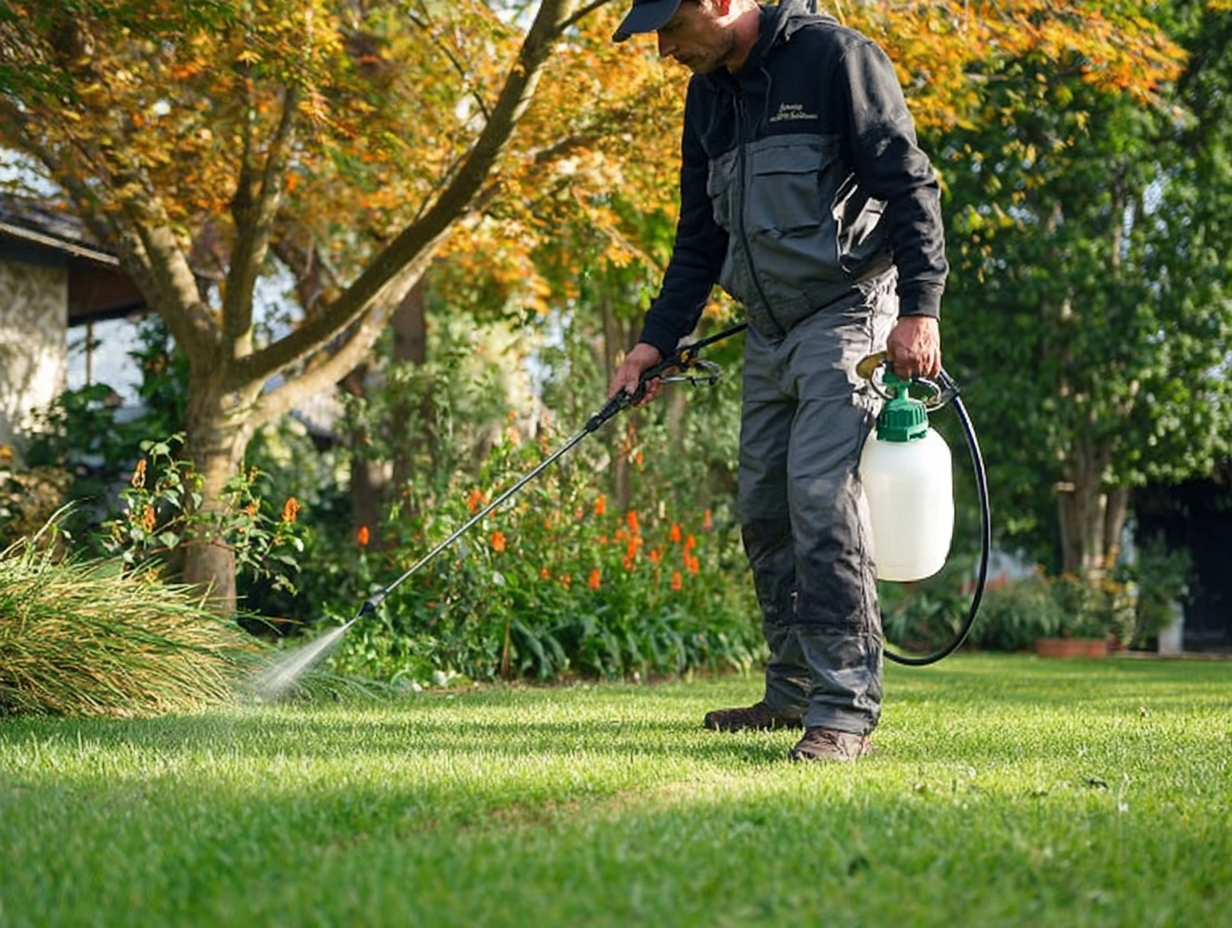
Liquid iron can be applied as a foliar spray (directly onto leaves) or as a soil drench. In our coastal climate, foliar sprays are popular because they work quickly and bypass some of the pH and leaching issues found in sandy soil. Soil drenches can also be useful if a soil test shows an ongoing iron shortage or pH issue.
- Apply foliar sprays in the early morning or late afternoon to reduce the risk of leaf burn.
- Follow the label directions for dilution rates and frequency of application.
- Avoid spraying sidewalks, driveways, and siding, as liquid iron can stain concrete and some surfaces.
- Use soil drenches when you want a longer-lasting correction at the root level.
When Is the Best Time to Spray Liquid Iron in Coastal NC?
Because liquid iron helps plants during active growth, timing matters more than the specific day on the calendar. In Wilmington and the surrounding coastal areas, the main window is during the warm growing season, avoiding periods of extreme heat or cold.
- Use liquid iron in late spring through early fall, when plants are actively growing.
- Consider applications in April–June for lawns and landscape shrubs that look pale after winter.
- Use late-summer or early-fall treatments to help stressed plants recover from heat and humidity.
- Avoid applying to dormant plants or during freezing conditions, when uptake will be minimal.
Does Liquid Iron Replace Other Soil Improvements?
Liquid iron is best viewed as a supplement, not a complete solution. It can quickly improve leaf color and plant appearance, but it does not fix deeper soil issues such as low organic matter, poor structure, or chronic pH problems. Those long-term issues are better addressed through compost, mulching, and broader soil improvement strategies discussed earlier in this article.
- Use liquid iron to correct visible iron chlorosis and improve color quickly.
- Continue adding compost and organic matter to improve nutrient retention in sandy soil.
- Monitor soil pH and avoid unnecessary lime applications that could make iron less available.
- Pair liquid iron with good watering practices to reduce plant stress in summer heat.
For Wilmington homeowners preparing their yards for sale, a carefully timed liquid iron application can help lawns and landscape plants look greener and more vibrant in listing photos and showings. However, the most reliable curb appeal still comes from healthy soil, thoughtful plant selection, and consistent maintenance over time.
What Should You Add to Increase Organic Matter Fast?
Organic matter is the single most important soil amendment for Southeastern North Carolina. Sandy soils typically have less than 2% organic matter, but most plants grow best in soils with 4–6%.
- Compost: The best all-purpose amendment for structure, nutrients, and biology.
- Leaf mold: Excellent for moisture retention and fungal development.
- Pine bark fines: Improves aeration and long-term structure in raised beds.
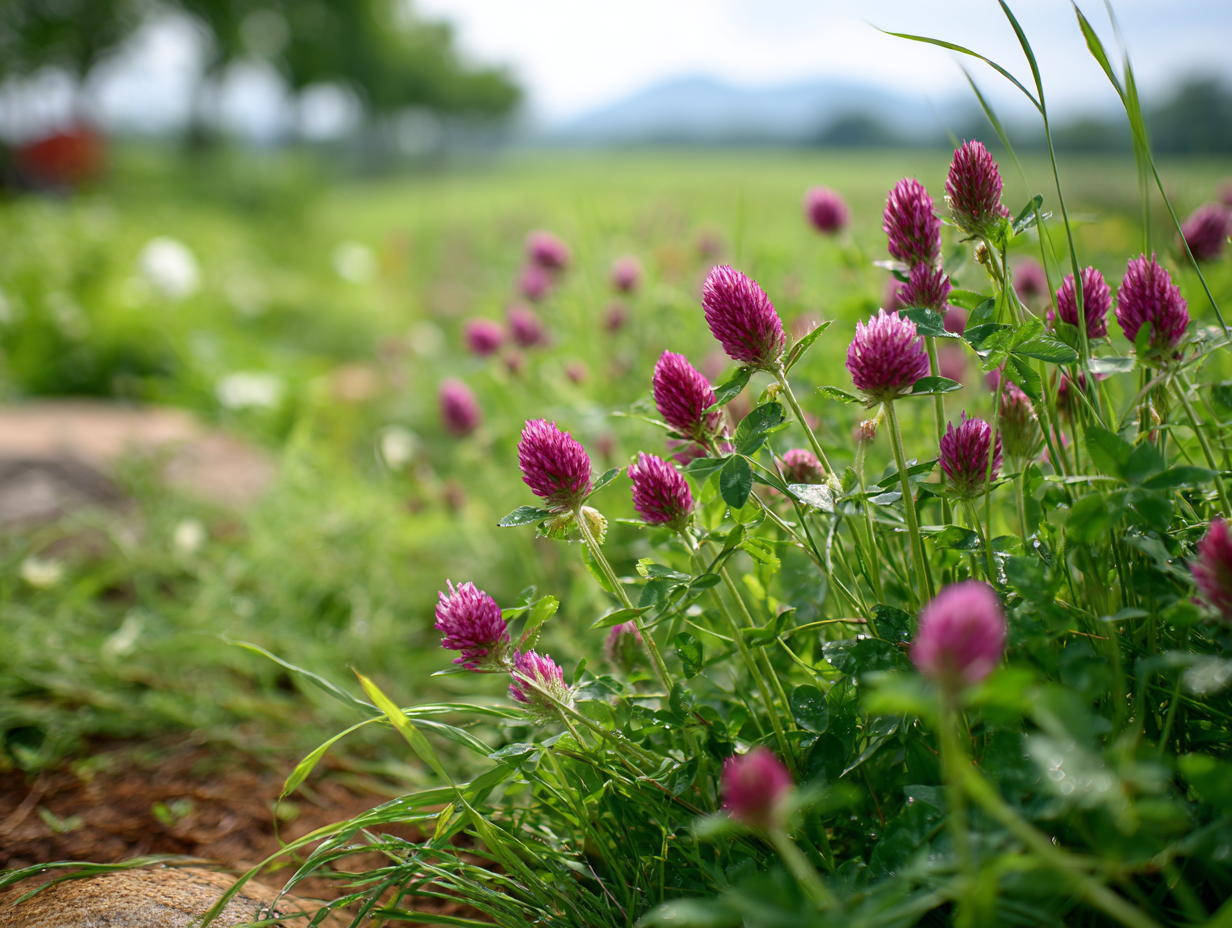
- Green manure cover crops: Such as crimson clover or rye.
Apply organic matter in early spring or fall, when soil microbes are most active.
How Do You Adapt Soil Improvement Techniques to Wilmington’s Weather Patterns?
Southeastern North Carolina has mild winters, long warm seasons, and periodic heavy rainfall. Your soil improvement approach should account for these conditions.
Plan for Heavy Rain and Humidity
- Avoid quick-release fertilizers that wash away easily.
- Use raised beds to improve drainage for moisture-sensitive plants.
- Incorporate compost to stabilize soil and prevent erosion.
Protect Soil in Hot Summers
- Maintain mulch to protect soil microbes from heat.
- Add compost in early spring and early fall—microbes slow down in extreme heat.
- Water deeply and less frequently to encourage strong root growth.
Apply Soil Amendments at the Right Time
- Spring: Add compost, organic fertilizer, and mulch.
- Fall: Top-dress beds, add leaf mold, and plant cover crops.
- Winter: Avoid major amendments; soil microbes are less active.
How Do You Improve Soil in Raised Beds and Containers?
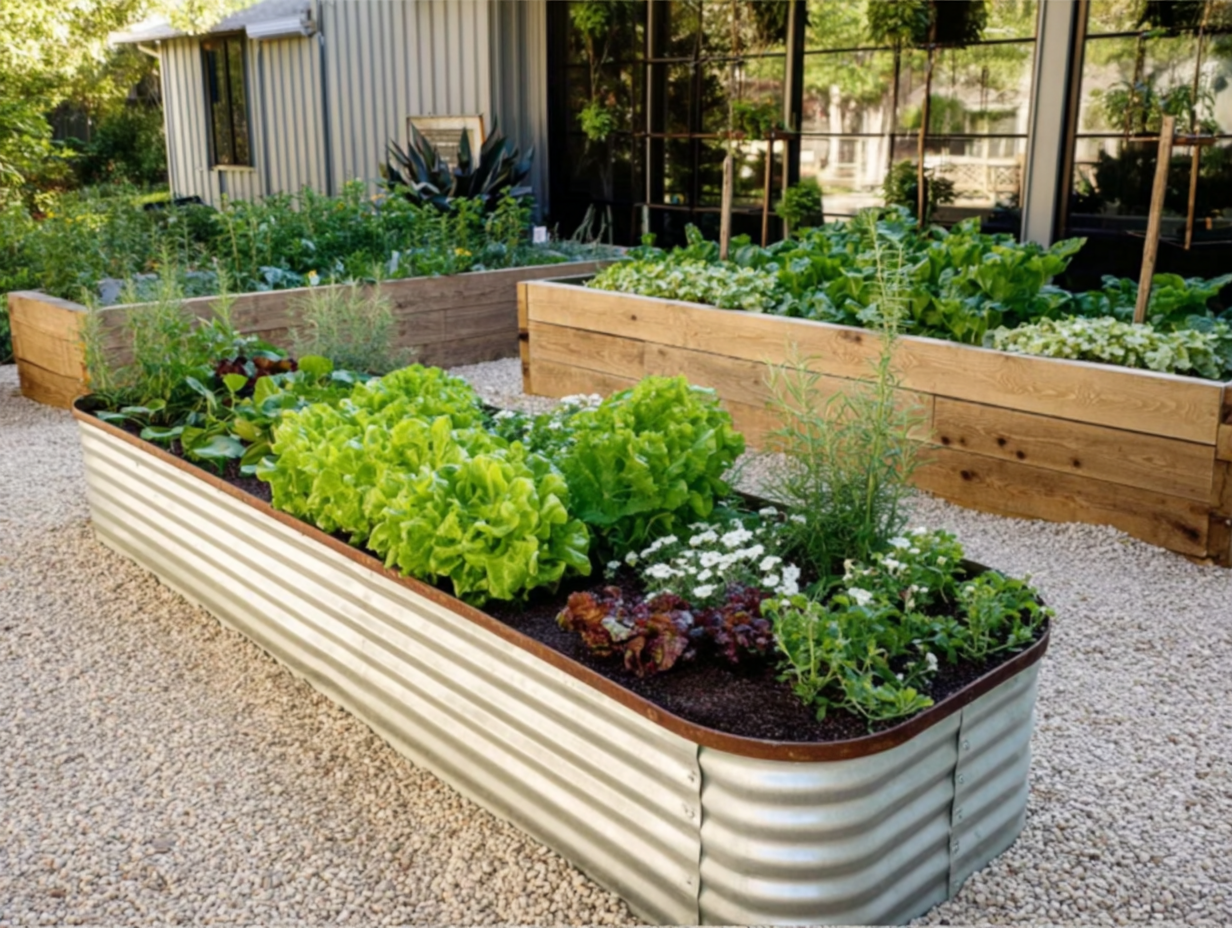
Many Wilmington gardeners use raised beds because they offer drainage control and more consistent soil quality. Improving raised bed soil mirrors in-ground approaches but is easier because the soil environment is contained.
- Use a blend of compost, coconut coir, pine bark fines, and high-quality topsoil.
- Add 1–2 inches of fresh compost each year.
- Mix in biochar to help keep nutrients from leaching out.
- Rotate crops to maintain nutrient balance.
Which Soil Problems Are Most Common in Coastal North Carolina?
Wilmington’s unique climate and soil type create predictable challenges. Knowing these ahead of time helps gardeners take targeted action.
- Nutrient leaching: Due to sandy soil and heavy rain.
- Low organic matter: Common across the region.
- Soil compaction: Occurs in spots with foot traffic or construction fill.
- High soil pH: Sometimes found in areas amended with too much lime.
Most issues can be corrected with organic matter, proper mulching, and strategic fertilization.
Where Can Wilmington Gardeners Learn More About Soil and Gardening?
For related topics—especially if you’re improving garden beds around your home—consider exploring resources on our website that complement this content:
- Invasive Plants in Southeastern North Carolina
- 15 Native Plants for Sustainable Gardening in Southeastern North Carolina
If you have questions about how improving your soil might impact curb appeal or long-term landscape maintenance when preparing a home for sale, The Cameron Team has decades of local experience to help guide those decisions.
F.A.Q.
What does improving soil mean for me as a Wilmington homeowner?
Improving soil means creating a healthier growing environment for your landscape beds, lawn, and garden areas. In Wilmington’s sandy coastal soils, this typically involves boosting organic matter, stabilizing moisture retention, and adding nutrients through compost or slow-release fertilizers. Strong soil leads to stronger plants, better curb appeal, and lower long-term maintenance costs.
How does soil improvement affect home value in coastal NC?
Healthy soil contributes to a more attractive landscape, which improves curb appeal—a major factor in first impressions when selling a home. Coastal North Carolina properties often struggle with nutrient-poor soils, so visibly thriving plants and maintained beds can signal good stewardship and reduce buyer concerns about future maintenance. While soil itself isn’t a direct line item in valuation, the visible results absolutely influence perceived value.
Are there unique considerations for soil improvement in Wilmington’s coastal climate?
Yes. Heavy rainfall, sandy soil, and long warm seasons mean nutrients can leach quickly, so Wilmington gardeners should use slow-release fertilizers and consistent mulching. Organic matter is especially important because it helps sandy soils retain both nutrients and moisture. Coastal humidity also affects soil biology, making compost and microbial-rich amendments especially valuable.
When is the best time to improve soil in Coastal North Carolina?
The best times to improve soil are early spring and fall, when soil microbes are most active and temperatures are moderate. Spring is ideal for adding compost, fertilizer, and mulches ahead of the growing season. Fall is perfect for top-dressing, planting cover crops, and building soil structure before winter dormancy.
Who should I talk to if I’m unsure about how to proceed?
Local garden centers, Cooperative Extension offices, and experienced Wilmington landscapers can provide soil-specific guidance. If your goal is to improve your yard before selling, The Cameron Team can help you prioritize upgrades that offer the best impact on curb appeal and market readiness.
Check out this article next