

Summary: If certain weeds keep appearing in your yard or garden, they may be signaling something about the condition of your soil. Many weeds are considered indicator plants, meaning they thrive in specific soil environments such as compacted ground, poor drainage, nutrient deficiencies, or imbalanced pH levels.
Understanding which weeds grow where can help homeowners diagnose underlying soil issues without expensive testing. In coastal areas like Wilmington and Southeastern North Carolina, sandy soils, heavy rains, and humid conditions can create specific challenges that certain weeds exploit.
This guide explains:
What indicator plants are
Which common weeds reveal soil problems
How to interpret the signals your garden is giving you
Practical steps to improve soil health
When you correct the soil condition, many weeds naturally become less competitive and easier to control.
What does it mean when weeds act as indicator plants?
An indicator plant is a plant that tends to grow where certain soil conditions already exist. That does not mean the weed is a perfect diagnostic tool on its own, but it can offer a strong clue.
For example, some weeds thrive in compacted soil because their roots can tolerate low oxygen levels better than turfgrass or garden plants. Others spread where the soil is thin, dry, nutrient-poor, or left bare long enough for opportunistic plants to move in.
That is why experienced gardeners often look at recurring weed problems and ask two questions:
- What is this plant?
- Why does it like this spot so much?
When you ask those questions, weeds become less of a mystery and more of a warning sign.
Why should Wilmington-area gardeners pay attention to weeds?
Gardening in Wilmington, Leland, Hampstead, Brunswick County, and other parts of Southeastern North Carolina comes with a few recurring soil challenges. Many local properties have sandy soils that drain quickly and lose nutrients fast. Other yards have compacted areas caused by foot traffic, construction equipment, or years of mowing. Some landscapes also have low pockets that stay damp after heavy rain.
These local conditions make weed patterns especially useful. If the same weed keeps returning in the same area, it is often reacting to a specific problem in the soil rather than appearing by chance.
Paying attention to those patterns can help you:
- Spot drainage issues earlier
- Identify areas with poor soil structure
- Notice where organic matter is too low
- Understand why grass or ornamentals are struggling
- Improve curb appeal by treating the cause, not just the symptom
That last point matters for homeowners, too. Healthy lawns and garden beds help a property look maintained and inviting, which is always a plus in a market where presentation matters.
What soil problems can weeds reveal?
Different weeds point to different conditions, but some of the most common soil issues include:
- Compaction: Soil particles are pressed tightly together, reducing air, water movement, and root growth.
- Poor drainage: Soil stays wet too long, which can stress roots and encourage shallow-rooted weeds.
- Low fertility: The soil does not contain enough usable nutrients to support thick turf or vigorous plant growth.
- Low calcium: Calcium helps with cell wall strength and overall soil balance. Deficiencies can affect plant performance.
- Low organic matter: Soil lacks decomposed plant material that improves structure, nutrient holding, and water retention.
- Excess disturbance: Freshly cleared, thin, or exposed soil gives fast-growing weeds an opening.
Weeds do not replace a soil test, but they can point you in the right direction.
Which common weeds can indicate soil issues in your garden?
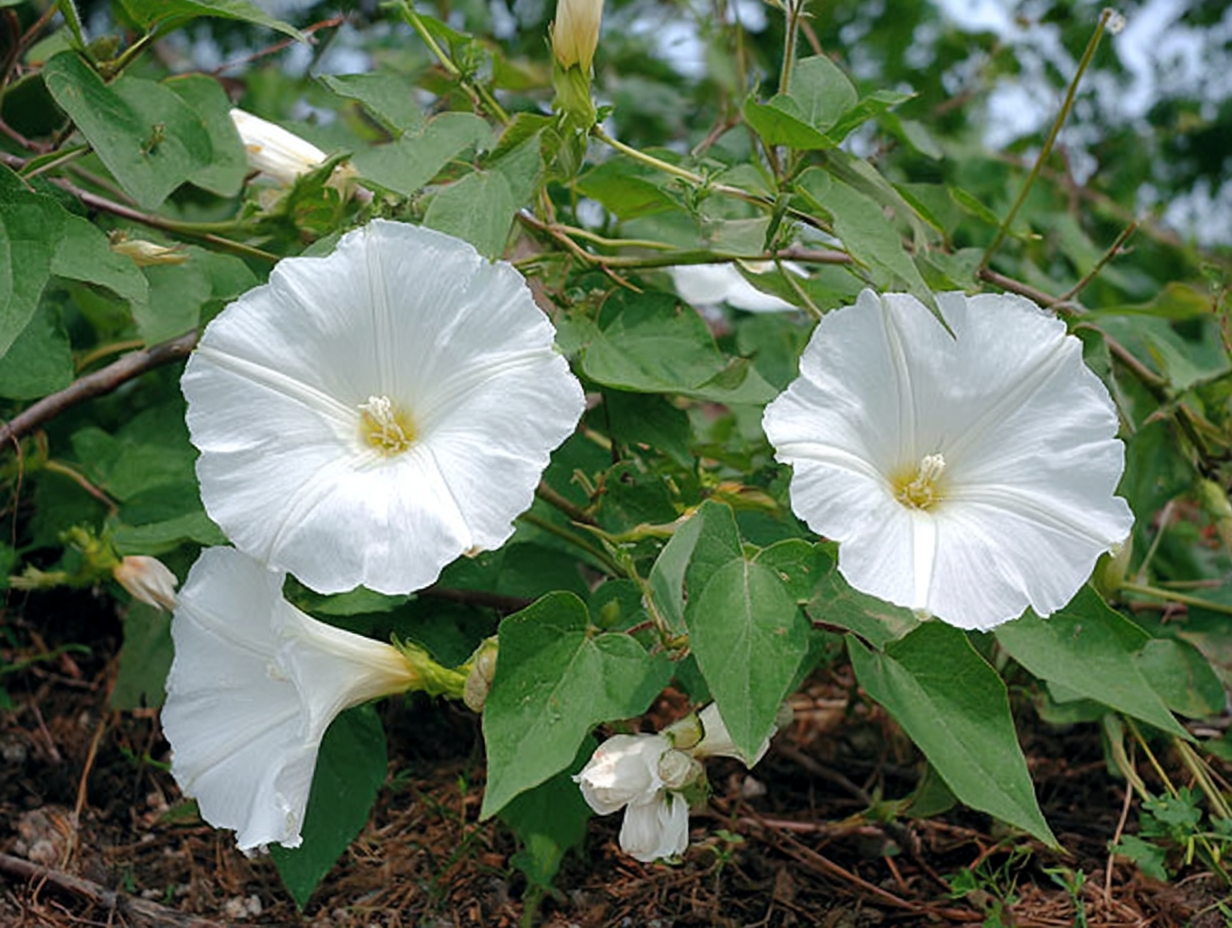
Bindweed (Convolvulus arvensis): a sign of crusty or compacted soil
Bindweed is a vigorous, twining vine with small, trumpet-shaped flowers. It is known for spreading by seed and underground roots, which is part of why it is so difficult to eliminate once established.
Bindweed often grows where the soil is:
- Compacted
- Crusted on the surface
- Low in organic matter
- Poorly aerated
Compacted soil makes life hard for desirable plants because roots need both oxygen and space to grow. Bindweed is one of those weeds that can tolerate poor structure better than many ornamentals or vegetables, so it often takes hold where the soil has become dense and hard.
If bindweed is showing up repeatedly, helpful steps may include:
- Loosening the soil with a garden fork rather than excessive tilling
- Adding compost to improve structure
- Mulching to reduce surface crusting after rain
- Avoiding foot traffic on wet beds
In Southeastern North Carolina, this kind of problem often shows up in areas with construction-compacted soil or beds that bake hard between rain events.
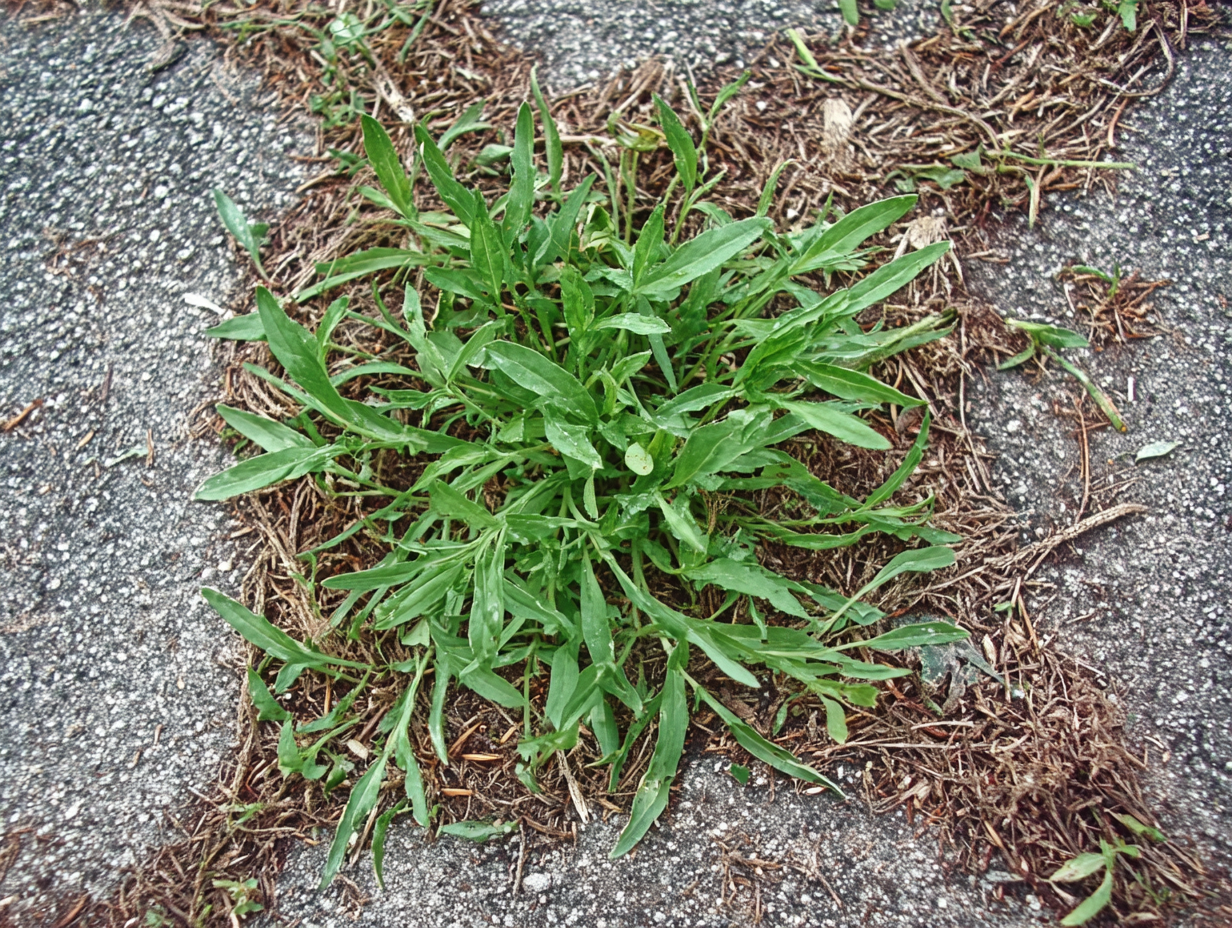
Crabgrass (Digitaria spp.): a clue that soil is depleted and low in calcium
Crabgrass is one of the most familiar lawn weeds in North Carolina. It tends to take over thin, stressed areas where desirable grass is not growing densely enough to crowd it out.
Crabgrass is commonly associated with soil that is:
- Low in nutrients
- Low in calcium
- Low in organic matter
- Dry or weakened from stress
When crabgrass shows up in patches, it often means the lawn is struggling for a reason. The soil may not be holding nutrients well, or the turf may be too thin to compete. In sandy coastal soils, nutrient leaching is common, especially after repeated heavy rain.
To address the underlying issue, consider:
- Getting a soil test before applying amendments
- Adding compost to improve nutrient and moisture retention
- Correcting calcium deficiency if a soil test recommends lime
- Strengthening lawn density through proper mowing, watering, and overseeding where appropriate
Crabgrass is often less about the weed itself and more about what is missing in the lawn.

Dandelion (Taraxacum officinale): often linked to compacted soil and low calcium
Dandelions are famous for their deep taproots. Those roots help them survive in hard ground and can even pull minerals from deeper layers of the soil.
Dandelions commonly appear where soil is:
- Compacted
- Low in calcium
- Poorly aerated
Many gardeners see dandelions as a nuisance, but they are also a sign that soil structure needs work. Their roots can penetrate where turf roots struggle, which is why they often show up in tight, worn lawn areas.
If dandelions are persistent, it may help to:
- Aerate the affected area
- Add compost or topdressing to improve soil biology
- Address low calcium only if confirmed by testing
- Encourage thicker grass growth to reduce open space
In home landscapes, recurring dandelions often point to a lawn that needs rebuilding from the soil up.
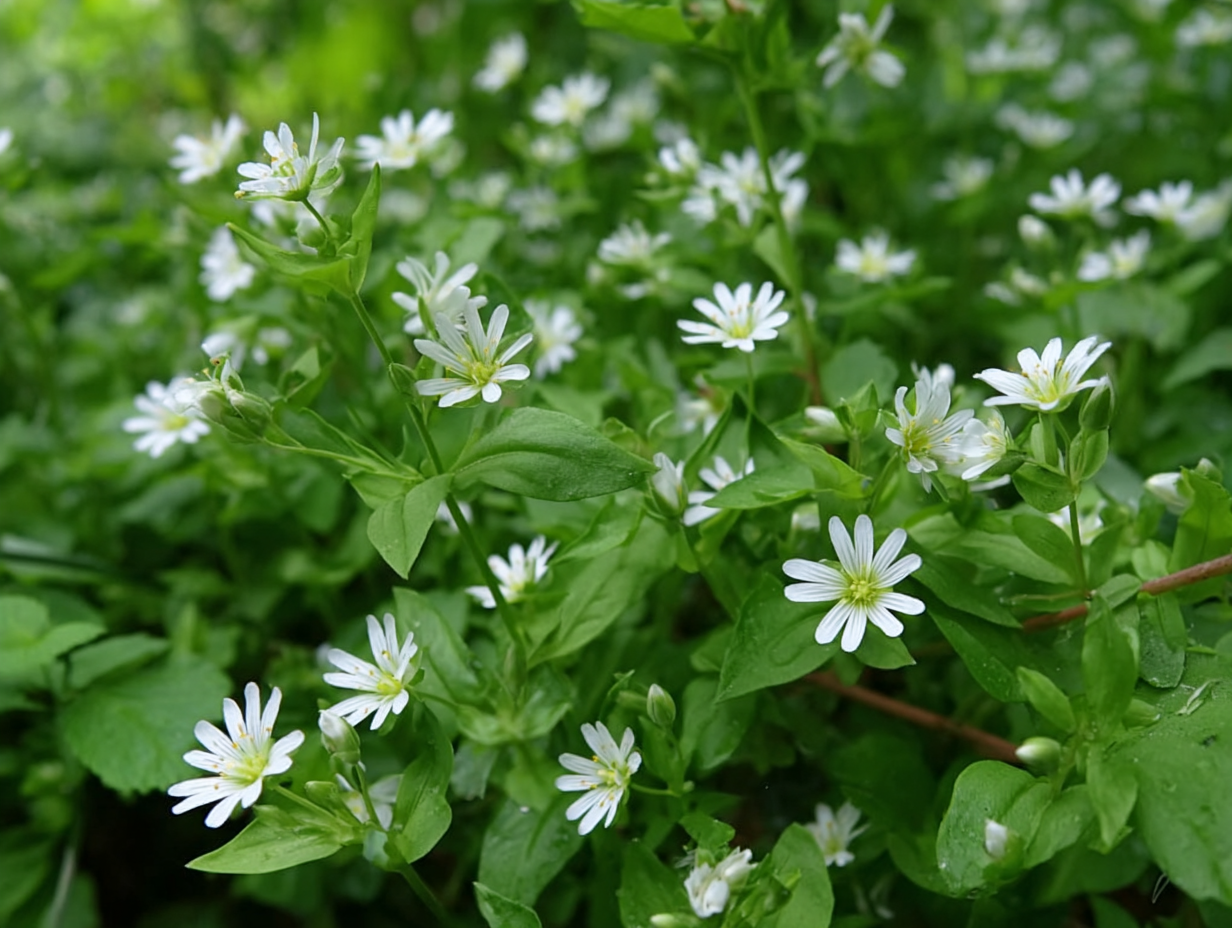
Chickweed (Stellaria media): can point to moist, fertile, and poorly drained soil
Chickweed is a cool-season annual that thrives when conditions are mild and moist. It is common in lawns, vegetable gardens, and ornamental beds during cooler parts of the year.
Chickweed often grows where the soil is:
- Consistently moist
- High in nitrogen
- Shady
- Slow to drain
This weed can be a clue that your soil is staying wet too long, especially in beds with limited air circulation or in low-lying parts of the yard. In Wilmington-area gardens, winter and early spring rainfall can create perfect conditions for chickweed if drainage is already marginal.
Helpful responses include:
- Improving drainage with compost and better bed design
- Avoiding overfertilization with nitrogen-heavy products
- Reducing unnecessary irrigation in cool weather
- Mulching bare soil so weeds have less room to germinate
If chickweed keeps returning, moisture management is often part of the answer.
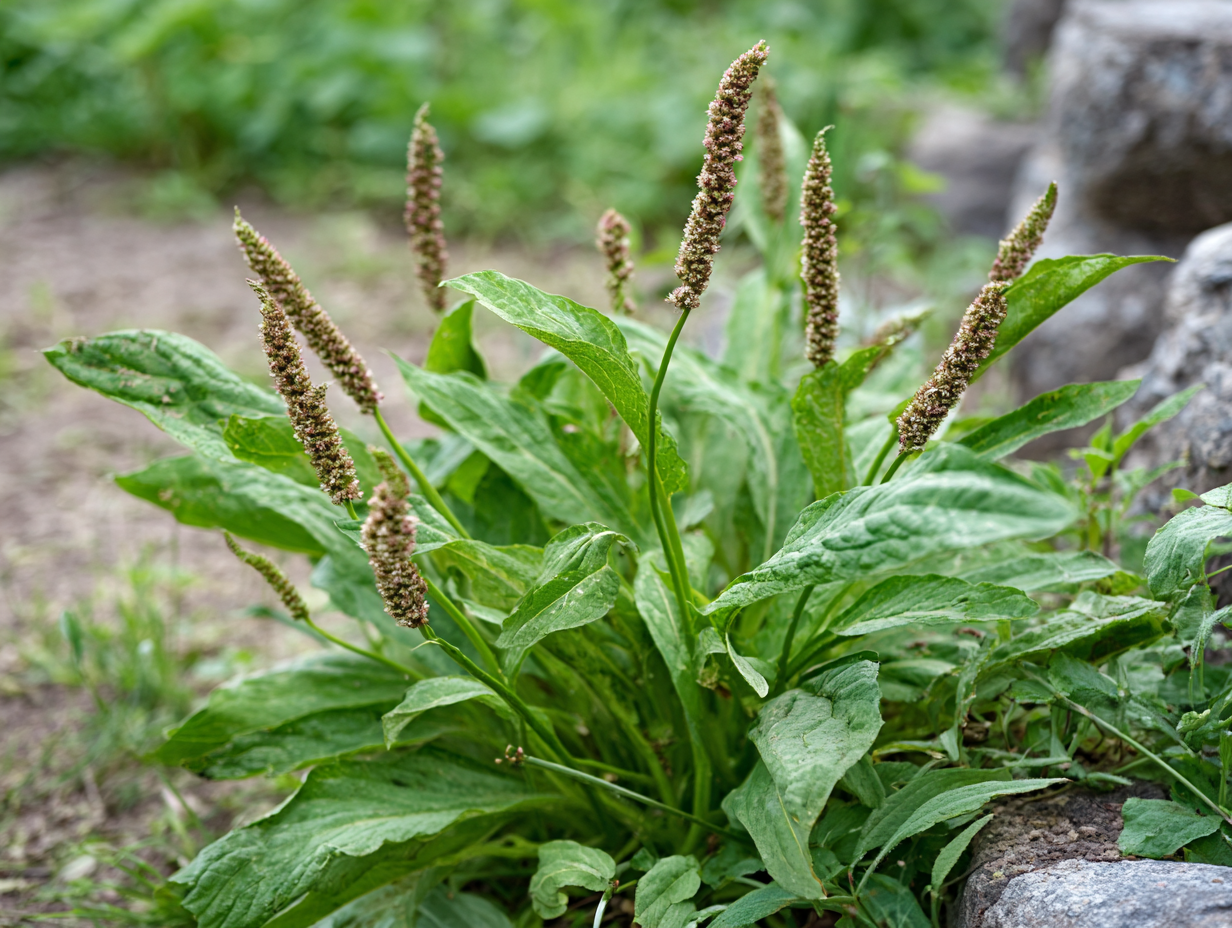
Plantain (Plantago major): a strong signal of heavy compaction
Broadleaf plantain is one of the classic weeds of footpaths, lawn edges, and frequently used yard areas. It has broad leaves close to the ground and tolerates conditions that many grasses cannot.
Plantain is most often associated with soil that is:
- Heavily compacted
- Low in oxygen
- Frequently walked on or mowed under stress
Because its growth habit is low and tough, it can survive where turf becomes thin from repeated wear. It is very common in lawns where the soil has been packed down over time.
If plantain is spreading, try to:
- Core aerate the lawn
- Reduce repeated traffic over the same area
- Topdress with compost
- Improve turf vigor so grass can fill in open spots
Compaction is a frequent issue on residential lots, especially around gates, mailboxes, play areas, and spots where people naturally cut across the yard.

Purslane (Portulaca oleracea): often indicates dry, sandy soil with low organic matter
Purslane is a low-growing, succulent weed that thrives in heat. It spreads across bare ground and does especially well in disturbed, dry areas.
Purslane often appears where the soil is:
- Dry
- Sandy
- Low in organic matter
- Poor at holding moisture
This is particularly relevant in coastal North Carolina, where sandy soils are common and moisture can move through the root zone quickly. If your beds dry out soon after rain or irrigation, purslane may be telling you the soil needs more structure and more organic content.
To improve conditions, you can:
- Add compost regularly
- Use mulch to slow evaporation
- Incorporate organic matter before planting
- Avoid leaving soil exposed during hot weather
Purslane is a classic sign that the soil is too lean and too quick-draining for many garden plants to thrive comfortably.

Carolina Geranium (Geranium carolinianum): often indicates dry, low-fertility soil
Carolina geranium, also called Carolina cranesbill, is a native annual commonly found in disturbed soil, lawns, and garden beds across the South. It has delicate pink to lavender flowers and deeply cut leaves that may take on a reddish cast.
It frequently appears where soil is:
- Low in organic matter
- Low in available nitrogen
- Sandy or fast-draining
- Disturbed or recently cleared
That makes it a useful indicator in Southeastern North Carolina, where sandy soils often struggle to hold nutrients. If Carolina geranium keeps showing up, it may be a sign that the soil needs rebuilding rather than repeated spraying.
Helpful ways to improve the site include:
- Adding 2 to 3 inches of compost over time
- Using mulch to hold moisture and protect the soil surface
- Applying a slow-release fertilizer if needed
- Planting more densely so bare areas do not stay open
Because it is native, Carolina geranium can offer some ecological value in less formal areas, but in managed garden beds it usually points to soil that is too thin or too depleted.

Henbit (Lamium amplexicaule): often indicates fertile but poorly drained soil
Henbit is a winter annual with square stems and small purple flowers. It is very common in North Carolina lawns and beds during cooler months and often blooms before many other plants wake up in spring.
Henbit tends to thrive where soil is:
- Moist
- Fertile, especially with relatively high nitrogen
- Disturbed
- Left bare during winter
In coastal North Carolina, henbit is especially common because mild winters and seasonal rain allow it to germinate easily. It often fills in areas where turf thinned out after summer stress or where garden beds were left open going into fall.
If henbit is becoming widespread, it may help to:
- Improve drainage in wet areas
- Mulch exposed beds before winter
- Reduce excess fall nitrogen applications
- Encourage denser lawn coverage so open spaces are minimized
Henbit can support early pollinators, but in a managed landscape it often signals that moisture and bare ground are giving winter weeds too much opportunity.
Can weeds tell you everything about your soil?
No, and that distinction matters. Weeds can give you clues, but they do not replace a proper soil test. The same weed may tolerate more than one type of condition, and site history matters, too.
For example, a weed may appear because the soil is compacted, but it may also be present because the area was recently disturbed and left uncovered. That is why weeds are best used as part of a bigger assessment.
A good approach is to combine weed observation with:
- A soil test
- Drainage observation after rain
- A look at soil texture and organic matter
- A review of mowing, irrigation, and fertilization habits
When those pieces line up, you get a much clearer picture of what is going on.
What are the best ways to fix soil problems instead of just treating weeds?
If weeds are acting as symptoms, the long-term fix is usually better soil management. That does not mean every yard needs a major renovation, but it does mean the healthiest gardens are built from the ground up.
Some of the most effective soil-improving strategies include:
- Adding compost: Compost improves structure, moisture retention, nutrient holding, and microbial life.
- Mulching exposed soil: Mulch protects the surface, reduces crusting, and helps regulate soil moisture.
- Aerating compacted areas: Aeration creates room for roots, air, and water movement.
- Testing before amending: A soil test prevents guesswork, especially with pH and calcium adjustments.
- Reducing disturbance: Bare, freshly disturbed soil is an invitation for weeds.
- Growing plants densely: Healthy turf and full planting beds leave less room for opportunistic weeds.
For many Wilmington-area homeowners, the most important improvements are compost, mulch, and realistic expectations about sandy coastal soils. You may not be able to change your native soil completely, but you can improve how it performs.
When should you soil test instead of guessing?
If weeds are persistent, plants are underperforming, or you are planning to make major changes, a soil test is worth it. This is especially true if you suspect a pH problem, a calcium deficiency, or a fertility issue.
A soil test can help confirm:
- Soil pH
- Calcium and magnesium levels
- Phosphorus and potassium levels
- Whether lime is actually needed
That matters because guessing can lead to over-application of products that your soil may not need. In North Carolina, the NC Cooperative Extension is often the best local starting point for reliable testing guidance and region-specific recommendations.
How does healthier soil help curb appeal in Southeastern North Carolina?
Healthy soil supports thicker lawns, better flowering plants, and more resilient landscapes. That has obvious gardening benefits, but it also helps a property look better maintained overall.
For homeowners in Wilmington and surrounding communities, better soil can mean:
- Fewer visible weed outbreaks
- Stronger lawn coverage
- Healthier shrubs and foundation plantings
- Less erosion in sandy areas
- More consistent moisture in beds
At The Cameron Team, we know buyers notice outdoor spaces. They may not identify the exact soil issue, but they do notice when a lawn looks thin, when planting beds look stressed, or when the landscape feels neglected. Improving soil health is one of those behind-the-scenes steps that supports a better first impression.
If you want related reading for homeowners and gardeners in our area, you can also link to other helpful pages and articles on TheCameronTeam.net, such as your seasonal garden task posts, soil improvement content, invasive plant guidance, and Wilmington-area homeowner resources.
F.A.Q.
What do weeds in my yard mean for me as a Wilmington homeowner?
Recurring weeds may be telling you something about the health of your soil. Some weeds prefer compacted ground, while others thrive in dry, depleted, or poorly drained areas. If the same weeds keep showing up in the same spots, it is often a sign that the soil needs attention, not just the surface plants.
How do weeds affect curb appeal and home value in coastal North Carolina?
Weeds themselves do not automatically lower value, but they can make a property look less maintained. Thin turf, stressed beds, and repeated weed outbreaks may also suggest underlying drainage or soil problems. Healthier soil supports a cleaner, fuller landscape, which helps a home show better.
Are there unique soil considerations in Southeastern North Carolina gardens?
Yes. Many local properties have sandy soils that drain quickly and lose nutrients fast. Other areas have compacted fill dirt or low spots that stay wet after heavy rain. Those conditions make soil-building practices like compost, mulch, and proper drainage especially important.
When is the best time to address soil problems in the garden?
Spring and fall are usually the best times to improve soil. Those seasons are ideal for adding compost, refreshing mulch, aerating compacted areas, and preparing beds before weeds gain momentum. Fall is especially helpful for setting up healthier conditions before winter annual weeds like henbit begin to spread.
Should I pull weeds first or fix the soil first?
You can do both, but long-term improvement comes from fixing the soil conditions that favor the weeds. Pulling or removing weeds helps with appearance and prevents seed production, but if the soil stays compacted, depleted, or overly wet, the same types of weeds often come back.
Who should I talk to if I am unsure how to improve my soil?
Your local NC Cooperative Extension office is a great place to start for soil testing and gardening guidance. If you are also thinking about how outdoor improvements affect presentation, curb appeal, or preparing a home for sale, The Cameron Team can help you think about those updates in the context of the Wilmington-area market.
Check out this article next