
When you’re in the real estate market as a buyer, you always have to do your due diligence, which includes evaluating whether houses are priced fairly. You may have found your perfect home, but if you have any suspicions that the price is too high, it’s time to do some digging.
A listing price that doesn’t align with comparable homes in the neighborhood is your first warning sign, but there are several other ways to identify an overpriced house. Here are seven signs that a property might be overpriced:
1. Long Time on the Market
There are many reasons why a house may sit on the market without going under contract. If you think a home is overpriced, its time on the market could confirm your suspicions.
In hot real estate markets, fairly priced homes can go under contract in a matter of days. An overpriced property may get a lot of attention from prospective buyers, but those buyers will realize that the home isn’t worth the price.
You can usually see online when a house was listed, or you can ask your agent. Compare the home’s time on the market to the average time on the market in your area.
2. Relisted Multiple Times
You can find a property’s listing and sale history online, which can offer lots of valuable information. A home being listed multiple times in the last year could be a red flag.
When a house is overpriced and doesn’t receive offers, the seller might remove it, wait a few weeks, and list it again. Sometimes, sellers make improvements to the home or adjust the asking price to a fair value. In other cases, they simply re-list it at the same or similar price in the hopes of attracting new buyers.
You should also be cautious if the house has been under contract multiple times recently. If it went under contract once and then went back on the market, the sale could have fallen through for any reason.
However, several times under contract suggests that either the inspection or the appraisal were unfavorable for the buyer. When a house appraises for less than the sale price, the buyer won’t be able to get financing.

3. No Offers or Low-Ball Offers
Your real estate agent may be able to find out whether the property has received any offers so far. This information can give you a lot of insight into whether the price of the home reflects its true value.
If the home has only gotten low-ball offers, the listing price could be too high. Low-ball offers without any counteroffers could also indicate that the seller won’t budge on their asking price, which isn’t a great sign for you.
When a house hasn’t received any offers at all, the price could be wildly incorrect, or there could be a significant problem with the home driving buyers away. In this case, you should evaluate the property thoroughly and gather as much information as possible before you make an offer.
4. Doesn’t Align With Online Estimators
Many real estate websites offer home value estimators, which use a wide variety of data to calculate the value of a property. The system may consider information including the property’s square footage, age, tax assessments, prior sale value, and sales of comparable homes.
Online property value estimators aren’t completely accurate, so you shouldn’t rely on them too heavily. However, if a home is dramatically more expensive than the automated valuation model, there could be cause for concern.
5. Less Attention Than Neighboring Homes
Looking at the state of the real estate market in the neighborhood can help you determine if a house is overpriced. If other properties in the area have been sitting on the market for a while, the neighborhood might just not be competitive.
On the other hand, if nearby homes are selling quickly at or above their listing prices, you should be skeptical if a similar house doesn’t seem to be getting much attention. When a property in a popular neighborhood is getting panned by all the other buyers, it’s likely to be priced incorrectly.
6. Recent Renovations
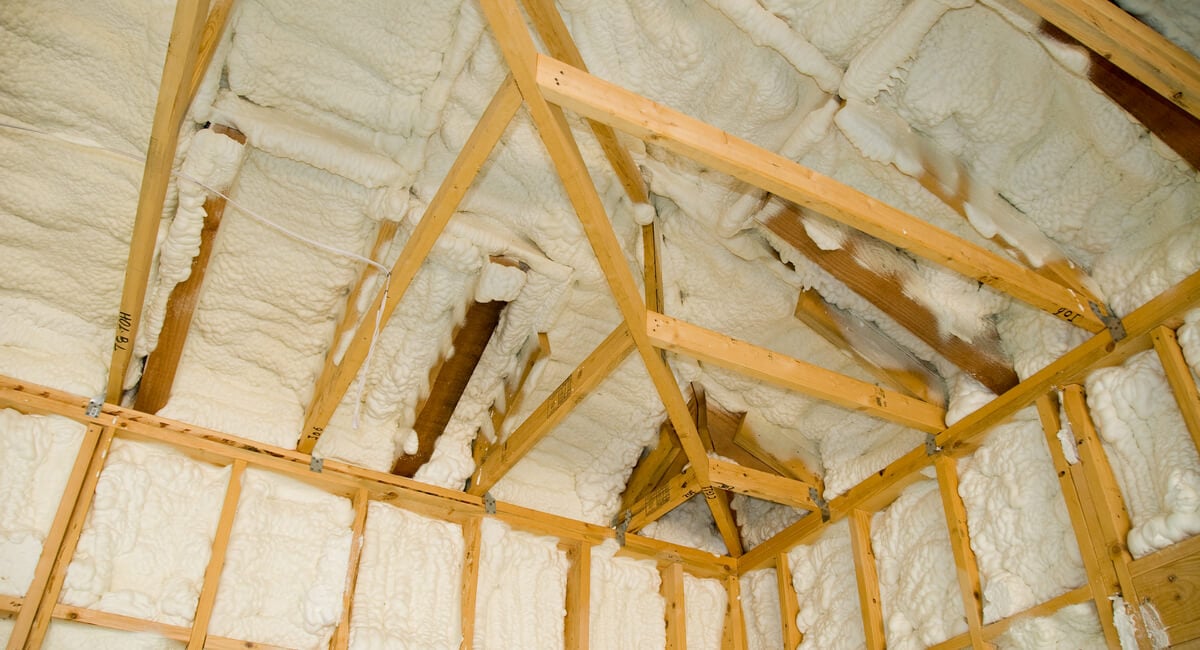
High-quality renovations can truly increase a home’s value. If you want to avoid overpaying for a house, though, you need to recognize when a property is being flipped with shoddy renovations.
Find the sale history of the property online, or ask your agent to investigate it. You might even be able to find previous listing photos of the home. If the house was sold a year ago and looked drastically different, it was almost certainly bought and relisted by a flipper.
When renovations are done right, the higher price may be worth it. When a flipper cuts corners to maximize their profits, the buyer ends up overpaying for poor work. During your showing, look for signs of a cheap flip, such as low-quality materials, a hasty paint job, faulty wiring, and bad carpentry.
7. Customized Upgrades
The seller could have poured a lot of money into custom upgrades that they loved. When they put the house on the market, they may price it according to what they spent on their renovations. However, buyers may not see the same value in those upgrades.
For instance, a homeowner might install a steam room in their master bathroom. While this is a luxury amenity that some people would love to have, not all buyers will jump at the opportunity to pay extra money for one.
The more specific and niche the upgrade, the more difficult it will be to recoup the cost. As a prospective buyer, you have to decide whether the extra amenities are worth the price.
What to Do If a House Seems Overpriced
When you and your agent determine that a property is overpriced, you have a few options. If the seller seems unlikely to negotiate in good faith, you can simply walk away and continue your home search.
If you love the home, you can make a fair offer for the price that you believe the property is worth. When low-balling, you should be prepared to back up your offer. Your agent can use the sale history of comparable homes in the area to justify your price.
You could also negotiate for other perks. For example, you can ask the seller to pay your closing costs or offer a credit at closing. If the home has been sitting on the market without receiving offers, you may have the power to include more favorable contingencies, too.
Be prepared to walk away if the seller won’t budge on the price. Sometimes sellers get stuck on their perceived value of their home, and no amount of negotiating will lead to a fair deal.
Identifying overpriced homes is an important skill for buyers. Your house is probably the largest purchase you’ll ever make, and overpaying for a property can create unnecessary financial hardship. Even if you feel like you’ve found your dream home, you should approach it with caution if the price seems too high.
Frequently Asked Questions About Spotting an Overpriced Home
What does identifying an overpriced home mean for me as a Wilmington home buyer?
Identifying an overpriced home means taking a closer look at how the list price compares to similar recent sales, days on market, and the home’s actual condition. In Wilmington, that might include checking whether the property has been sitting longer than comparable homes, has been relisted multiple times, or isn’t getting the same attention as similar listings. Understanding these red flags helps you avoid overpaying, make a realistic offer, and protect your long-term equity without insulting the seller.
How does overpaying for a home affect value in coastal North Carolina?
Overpaying for a home in coastal North Carolina can make it harder to build equity and may limit your future flexibility if you need to sell sooner than planned. Appraisals are based on recent comparable sales, not list prices, so paying far above the market can put you in a tougher position when you go to refinance or resell. In markets like Wilmington, where prices are influenced by demand, location, and coastal features, staying aligned with recent sales data helps you avoid taking on more risk than necessary.
Are there unique insurance, inspection, or appraisal considerations when a home seems overpriced?
Yes. If a home appears overpriced, an inspection or appraisal can bring issues into sharper focus. In the Wilmington area, inspections may uncover coastal-specific concerns like moisture intrusion, roof wear, or crawlspace issues that don’t match the premium price. An appraisal could also come in lower than the contract price, creating a gap you and the seller must resolve. Understanding these possibilities ahead of time helps you structure your offer and contingencies so you are not pressured into paying more than the home is worth based on its condition and location.
When is the best time to address concerns that a home may be overpriced?
The best time to address pricing concerns is before you write an offer, when you and your agent review comparable sales, neighborhood activity, and days on market. If you still love the home but believe it is overpriced, you can make a data-driven offer and be prepared to explain your reasoning respectfully. As you move through the process, appraisal results and inspection findings give you additional opportunities to revisit price and terms without making the seller feel personally attacked.
Who should I talk to if I’m unsure how to handle an overpriced home without offending the seller?
If you’re unsure how to move forward, start by talking with your real estate agent, who can prepare a detailed market analysis and help you frame your offer in a professional, non-confrontational way. You can also speak with your lender about appraisal risks and how a lower appraisal might affect your financing. In a market like Wilmington and the surrounding coastal communities, having a local agent who regularly negotiates in similar situations is one of the best ways to protect your budget while maintaining a positive relationship with the seller.