

Summary: What Should Homeowners Prioritize This Fall?
- Stay storm-ready because Atlantic hurricane season continues through November 30.
- Remove leaves and pine debris from roofs, gutters, drains, decks, and crawl-space entrances.
- Inspect storm-exposed roofing, siding, windows, doors, fences, docks, and trees.
- Service heat pumps and fireplaces before the first cold nights.
- Seal appropriate gaps, protect outdoor plumbing, and complete annual safety and water-heater tasks.
Fall on the lower Cape Fear coast can feel like an extension of summer, but it is a transition season with two important jobs. Homeowners still need to maintain their tropical-weather preparations while getting heating equipment, fireplaces, exterior plumbing, and drainage systems ready for cooler nights.
Falling leaves and pine needles can also create maintenance problems just as late-season storms bring the potential for heavy rain. A clogged gutter, obstructed roof valley, or blocked yard drain may not cause trouble during a light shower, but it can become a significant concern during a slow-moving coastal storm.
Taking care of these tasks during the milder days of autumn can help Southeastern North Carolina homeowners prevent water damage, catch storm-related wear, and prepare their homes for changing temperatures.
Please note: The Cameron Team has not been paid or received any other compensation to include any of the products featured on this post, but the author has included affiliate links and content. If you click on a link, they may earn a commission – a high-five for great content! The products linked in this article are examples of tools that fit the home maintenance tasks discussed. Homeowners should compare current availability, dimensions, warranties, and seller information before purchasing.

Why Is Fall Maintenance Different Near the Southeastern North Carolina Coast?
A coastal maintenance plan should reflect the home’s actual location, construction, and exposure. Factors that can affect a fall checklist include:
- Distance from the ocean, Intracoastal Waterway, Cape Fear River, or nearby marshes
- Exposure to airborne salt and wind-driven rain
- Elevation and flood risk
- Roof design and roofing material
- Foundation type
- Tree canopy and surrounding vegetation
- Exterior building materials
- HVAC configuration
- Whether the property is occupied full time or seasonally
A beach house, an inland Wilmington bungalow, and a newer home in Hampstead may experience the same general climate but require different maintenance intervals. A house close to the ocean may need more frequent inspections for corrosion, while a heavily wooded property may require additional gutter and roof-valley cleaning.
Use this guide as a seasonal inspection framework. If a task requires roof access, electrical work, refrigerant handling, structural judgment, gas service, large-tree work, or entry into a contaminated or unsafe area, hire a properly qualified professional.
Which Fall Home Maintenance Tasks Should Be on the Checklist?
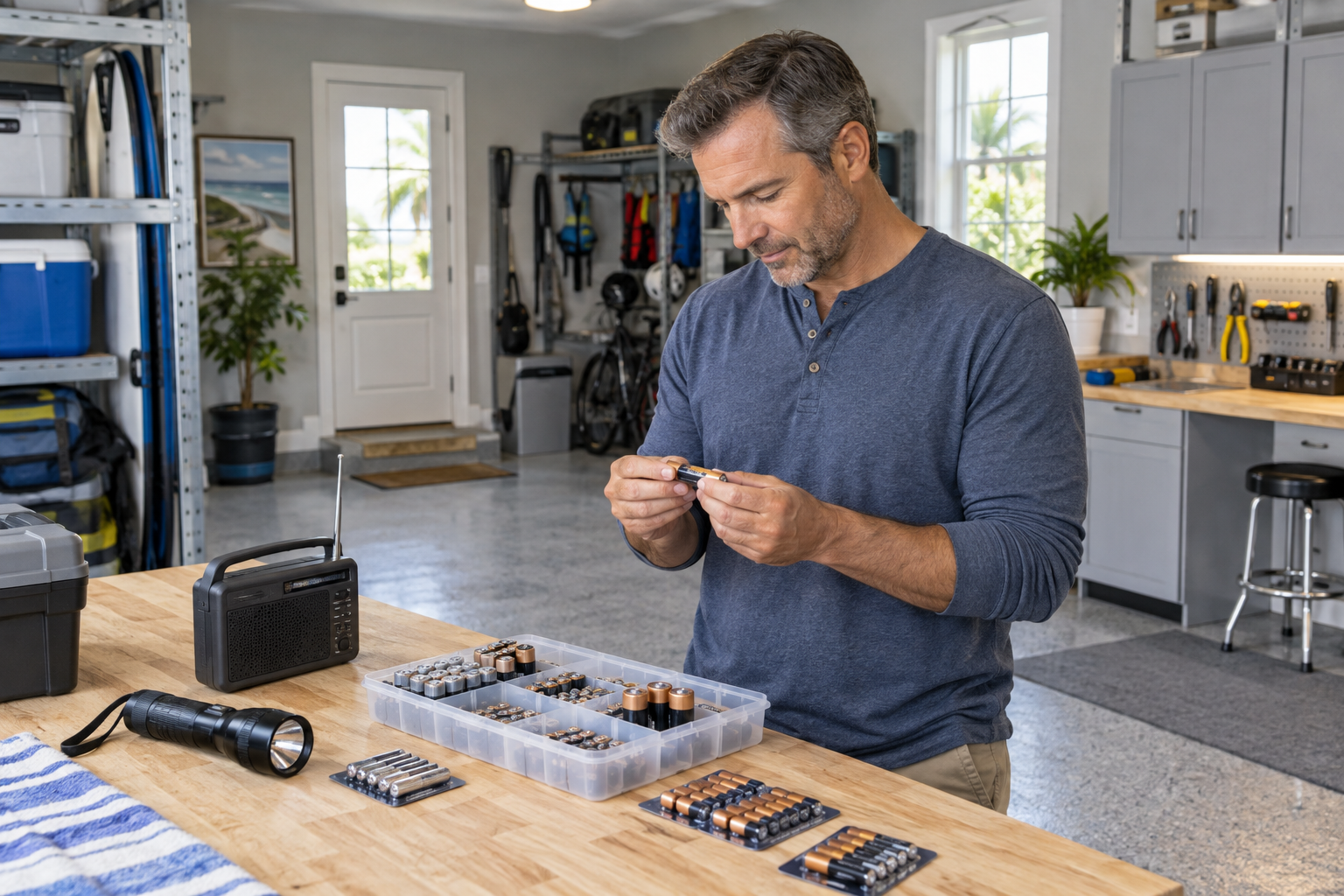
Check the Expiration Dates of Batteries
Why Should Hurricane Preparation Continue Through Fall?
Warm, pleasant days do not mean the risk of tropical weather has ended. The Atlantic hurricane season officially continues through November 30, and Southeastern North Carolina can still experience tropical storms and hurricanes during the fall.
Keep shutters, labeled fasteners, emergency supplies, generator procedures, insurance information, and evacuation plans accessible until the season ends. Avoid moving these items into difficult-to-reach storage simply because temperatures have started to cool.
If a storm affected the property earlier in the year, confirm that temporary repairs have been replaced with permanent work. Tarps, temporary sealants, makeshift drainage extensions, and emergency patches are not intended to serve as long-term repairs.
Your fall storm-readiness checklist should include the following:
- Update the home inventory after summer purchases or improvements.
- Check the expiration dates on batteries, food, medications, and emergency supplies.
- Review fuel-storage requirements and generator maintenance instructions.
- Confirm that shutters, panels, fasteners, and installation tools are together and clearly labeled.
- Make sure outdoor furniture, grills, umbrellas, planters, and decorations can be secured quickly.
- Review roof or water-entry repairs for stains or renewed leakage after later rains.
- Keep insurance policy numbers and contact information in an accessible digital location.
- Verify that temporary repairs have been replaced with properly permitted work when permits are required.
Potential cost: Reviewing supplies, updating records, and checking equipment may cost very little. Unfinished storm repairs can range from a few hundred dollars to many thousands, depending on the damage. Obtain written scopes of work and verify licensing, insurance, permits, and warranty terms before authorizing major repairs.
For additional storm-readiness information, read How to Protect Your Home Against Natural Disasters.
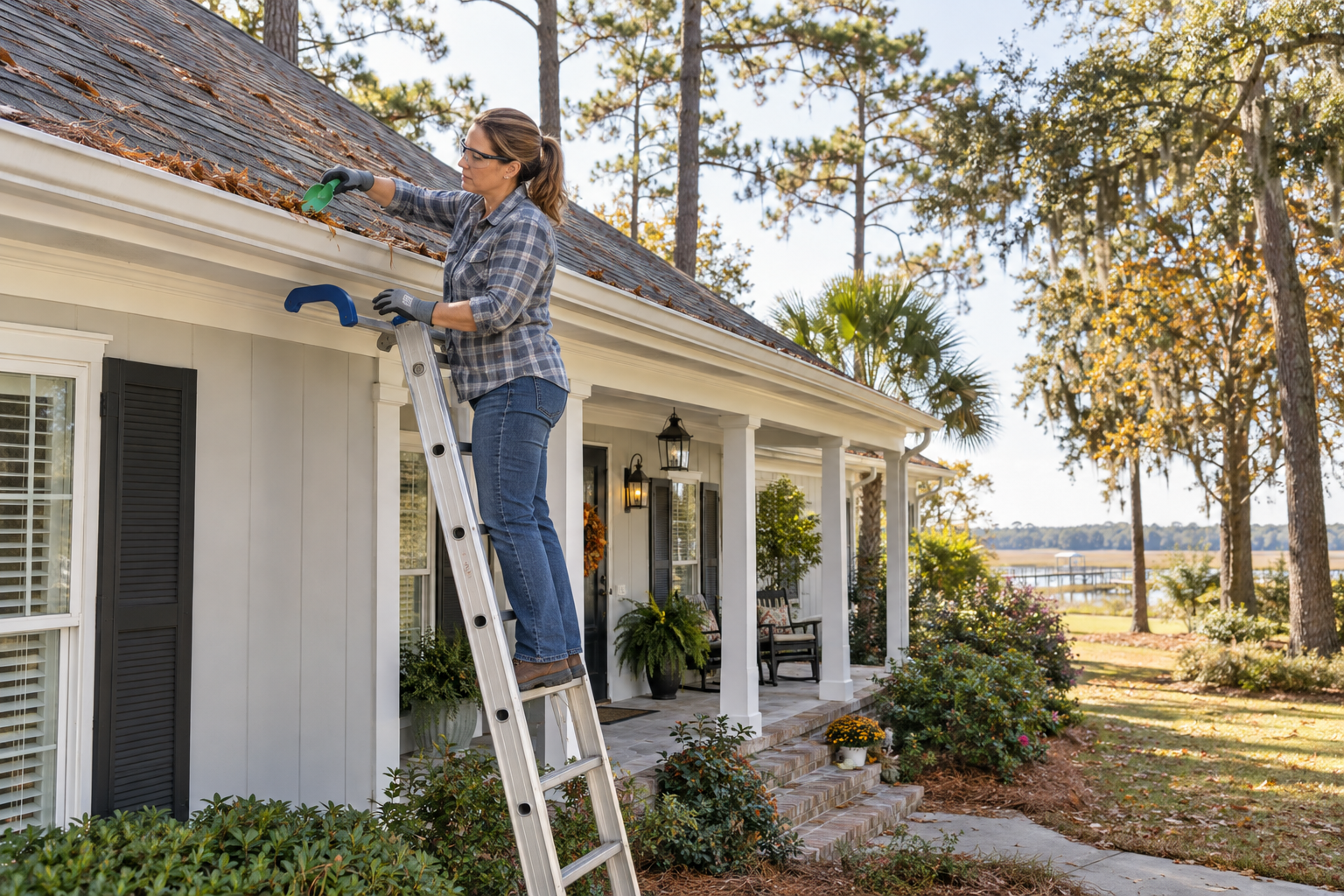
Clean Your Gutters
How Often Should You Clean Gutters and Roof Valleys in Fall?
The correct gutter-cleaning schedule depends on the home’s tree cover, roof design, gutter protection, and exposure to wind. Homeowners should check gutters after major leaf drops and before forecast heavy rain rather than relying solely on a once-per-season schedule.
Pine needles, leaves, seed pods, twigs, and other organic debris can collect in gutters and roof valleys. Low-slope roof transitions are another place where debris may accumulate and hold moisture.
Blocked gutters can cause water to overflow against fascia boards, siding, windows, landscaping, or the foundation. Water that repeatedly spills beside the home may contribute to erosion, crawl-space moisture, foundation concerns, or staining.
Fall drainage tasks include:
- Observe the roof and gutters safely from the ground.
- Hire a professional to inspect steep, high, slippery, or difficult-to-access roofs.
- Remove leaves and debris from gutters and accessible roof drainage areas.
- Flush downspouts to confirm that water moves through them freely.
- Check underground drain connections where they are accessible.
- Remove debris from porch roofs, decks, drainage grates, and crawl-space entrances.
- Repair loose or sagging gutter sections.
- Confirm that downspout extensions remain attached.
- Make sure runoff is directed to an appropriate drainage area away from the house.
Potential cost: Professional gutter cleaning commonly costs approximately $120 to $240. Taller homes, gutter guards, heavy debris, complicated rooflines, and difficult access may increase the price. Roof cleaning is a separate service and may cost approximately $300 to $900, depending on the roof’s size, material, pitch, condition, and required cleaning method.
Avoid pressure-washing asphalt shingles. When roof cleaning is necessary, use a contractor who understands the roofing manufacturer’s requirements and can apply the appropriate cleaning method.
What Should a Post-Summer Exterior Inspection Include?
Summer sunlight, heat, humidity, wind, rain, and salt exposure can affect exterior finishes and building materials. Fall is a good time to look for deterioration before cooler weather and winter rain arrive.
Inspect the following areas:
- Roof shingles or other roofing materials
- Flashing and roof penetrations
- Soffits and fascia boards
- Siding and exterior trim
- Exterior paint and protective coatings
- Windows and doors
- Decks, stairs, and railings
- Fences and gates
- Docks, piers, and waterfront structures
- Exterior fasteners and connectors
- Outdoor electrical enclosures
- Hose bibs and plumbing penetrations
Look for movement, loose fasteners, soft wood, peeling coatings, rust, cracked glazing, open joints, failed sealant, and staining that may indicate water intrusion.
A few important precautions include:
- Do not paint over wet, soft, or decayed material.
- Determine why a surface is deteriorating before covering it.
- Use compatible fasteners and coatings designed for the material and its coastal exposure.
- Keep window weep holes and other designed drainage openings clear.
- Do not seal an opening until you know whether it is part of the drainage system.
- Ask an appropriate specialist to evaluate structural, electrical, dock, or elevated-deck concerns.
Salt-related discoloration does not always mean a component has lost strength, but corrosion that has reduced the thickness of a fastener, connector, railing, or structural component deserves professional attention.
Potential cost: Minor caulk, touch-up coating, and cleaning supplies may cost approximately $25 to $150. Professional carpentry, painting, dock, railing, electrical, or structural repairs may range from hundreds to many thousands of dollars, depending on the damage, materials, access, and permitting requirements.
Homeowners living closer to the ocean may also find Living Near the River vs. Near the Beach in Wilmington helpful when planning for salt exposure and ongoing maintenance.
How Should You Prepare a Heat Pump for Cooler Weather?
Many Wilmington-area homes use heat pumps, which provide both cooling and heating. After working through a long, humid summer, the system will soon need to transition into heating mode.
A professional fall service visit can verify that the system operates correctly, identify worn components, check electrical controls, and address drainage or airflow problems before the first cold evening.
Homeowners can also complete several basic tasks:
- Replace or clean the HVAC filter according to the manufacturer’s directions.
- Confirm that the filter is the correct size and efficiency rating for the system.
- Keep leaves, pine straw, weeds, and debris away from the outdoor unit.
- Maintain the clearance around the unit required by the manufacturer.
- Test the heating mode before it is urgently needed.
- Listen for new rattling, grinding, squealing, or buzzing noises.
- Check for burning or electrical odors.
- Confirm that supply and return vents are open and unobstructed.
- Ask the HVAC contractor whether the thermostat and auxiliary heat settings are appropriate.
A mild dusty smell may occur briefly when the heating system is first used after sitting idle. Persistent smoke, an electrical odor, unusual noises, inadequate heating, or frequently tripped breakers should be evaluated by a professional.
Potential cost: A fall HVAC tune-up commonly costs approximately $75 to $200 per system. Replacement parts, refrigerant work, electrical repairs, duct corrections, or emergency service will add to the total.
ENERGY STAR provides an additional HVAC maintenance checklist that homeowners can use when discussing seasonal service with a contractor.
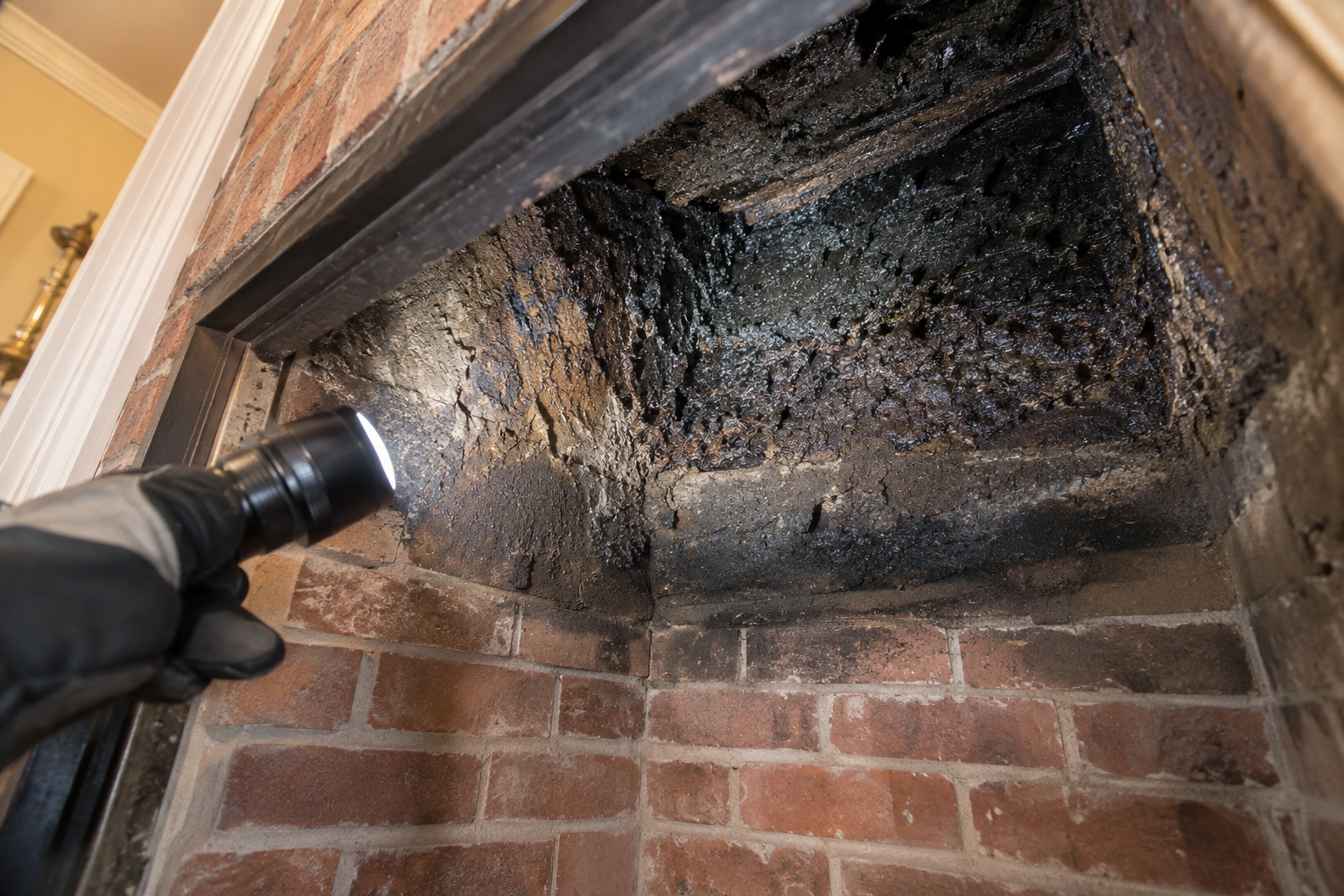
Creosote accumulation
What Fireplace and Chimney Maintenance Is Appropriate in Coastal North Carolina?
Even occasional fireplace use requires proper venting and maintenance. The National Fire Protection Association recommends annual inspection of chimneys, fireplaces, and vents, with cleaning, maintenance, and repairs completed as needed.
A professional inspection may identify:
- Creosote accumulation
- Obstructions or animal nesting materials
- Damaged chimney caps
- Deteriorated masonry
- Cracked or damaged liners
- Problems with dampers
- Water intrusion
- Improper clearances
- Venting problems
- Deteriorated seals or components
Gas fireplaces also require manufacturer-directed service. Gas odor, soot, damaged glass, ignition problems, or unusual flame behavior should be evaluated before the fireplace is used again.
Homeowners should also:
- Keep combustible décor and furnishings away from the firebox and heat source.
- Confirm that the damper and doors work correctly.
- Check the chimney cap from the ground when possible.
- Test smoke and carbon-monoxide alarms.
- Replace alarms when they reach the end of their listed service life.
- Keep the area around fireplaces and heating appliances clear.
Potential cost: A basic chimney inspection or sweep often costs approximately $150 to $400. Repairs to masonry, chimney caps, liners, flashing, or venting can cost substantially more. Gas-fireplace service commonly begins in the low hundreds, depending on the unit and the work required.
Which Exterior Plumbing and Irrigation Tasks Prevent Cold-Weather Problems?
Southeastern North Carolina winters are generally mild, but short freezes can occur. Exposed pipes, irrigation components, outdoor kitchens, hose bibs, and plumbing in unconditioned spaces may be vulnerable.
Take time during fall to locate the main water shutoff and confirm that it works. Everyone responsible for the property should know where it is and how to use it.
Complete these plumbing and irrigation tasks before the first freeze watch:
- Disconnect, drain, and store garden hoses.
- Repair dripping hose bibs.
- Inspect exterior plumbing for visible leaks or corrosion.
- Insulate vulnerable above-ground piping with an appropriate product.
- Check outdoor shower and kitchen plumbing.
- Service backflow devices if recommended by the installer.
- Adjust or winterize irrigation components based on the system’s design.
- Review the location of shutoff valves.
- Keep the correct shutoff tool accessible.
Do not assume every irrigation system requires the same winterization procedure. Some systems may need only seasonal adjustment, while others have exposed components that require additional protection.
If a pipe freezes, never use an open flame or an unsafe electrical device to thaw it. Shut off the water if leakage is suspected and contact a plumber.
Potential cost: Foam pipe insulation and exterior faucet covers often cost less than $30 for a small project. Professional plumbing or irrigation service may cost approximately $75 to $250 before parts and repairs.
Product options include Frost King pipe and duct insulation. Confirm the correct size, material, temperature rating, and installation method before purchasing.
What Annual Indoor Maintenance Fits Naturally Into Fall?
Fall is a practical time to complete annual maintenance tasks that are easy to forget during the busier spring and summer months. These tasks may reveal a small leak, restricted vent, deteriorating supply line, or aging safety device before it causes a larger problem.
A fall indoor checklist can include:
- Inspect the water-heater pan and surrounding floor.
- Check visible water-heater connections for moisture or corrosion.
- Make sure the water-heater shutoff is accessible.
- Review the unit’s venting when applicable.
- Follow manufacturer guidance for water-heater maintenance.
- Check under sinks for leaks, staining, or swollen cabinet materials.
- Inspect appliance supply lines for bulges, corrosion, cracking, or seepage.
- Clean the clothes-dryer exhaust path.
- Confirm that the exterior dryer-vent flap opens freely.
- Test smoke and carbon-monoxide alarms.
- Review alarm manufacture dates and replacement instructions.
- Look through accessible attic areas for staining, wet insulation, or pest activity.
- Update the home maintenance record with service dates and findings.
Water-heater flushing is not automatically appropriate for every unit. Attempting to flush an older or poorly maintained tank without evaluating its condition could create problems. Follow the manufacturer’s instructions or ask a licensed plumber for guidance.
A dryer’s lint screen should be cleaned after every load, but the complete exhaust path also needs periodic attention. Restricted airflow can increase drying time, waste energy, and create a fire hazard.
Potential cost: Professional dryer-vent cleaning commonly costs approximately $100 to $200, depending on the vent’s length, configuration, and accessibility. Water-heater service varies by equipment type and access. Replacement commonly costs well over $1,000, making early leak detection particularly important.
A consumer dryer-vent cleaning option is the Gardus LintEater system. Homeowners should confirm that the product is appropriate for their vent configuration and stop if the duct is damaged, inaccessible, or difficult to clean safely.
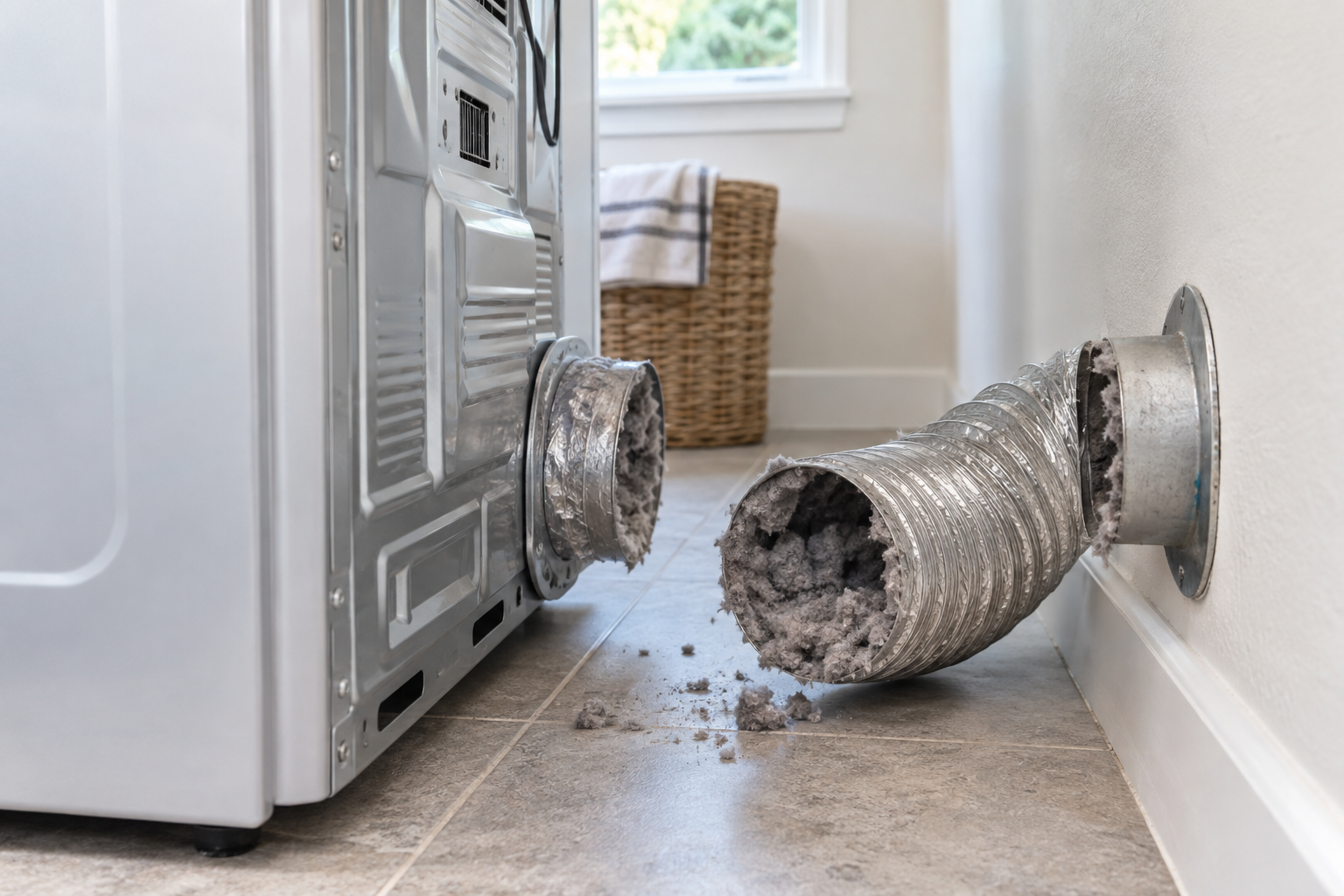
Dryer Vent That Needs Cleaning
Which Products Can Make Fall Maintenance Easier?
Choose maintenance products based on the home’s materials, equipment specifications, and manufacturer requirements. A useful product is one that fits the system and can be used safely—not simply the strongest cleaner, thickest insulation, or highest-rated HVAC filter.
- Frost King pipe insulation for appropriate exposed plumbing
- First Alert smoke and carbon-monoxide alarms for replacing outdated safety devices
- Gardus dryer-vent cleaning systems for compatible and accessible dryer ducts
Always check measurements, compatibility, installation instructions, safety warnings, and applicable codes before using a product.
What Related Cameron Team Guidance Can Help?
For additional information about maintaining and protecting a coastal Southeastern North Carolina home, read:
- How to Protect Your Home Against Natural Disasters
- The Biggest Home Maintenance Mistakes That Cost Owners Thousands
- Detecting and Preventing Water Damage in Southeastern North Carolina
- A Year of Home Maintenance: A Month-by-Month Guide for Wilmington Residents
What Is a Practical Fall Home Maintenance Schedule?
At the Start of the Season
- Walk through the home’s interior and exterior.
- Photograph current conditions.
- Test safety devices.
- Review previous service dates.
- Schedule specialized work before contractor calendars become crowded.
- Confirm that storm equipment and supplies remain accessible.
Each Month
- Check HVAC filters.
- Monitor indoor and crawl-space humidity.
- Look beneath sinks and around appliances for leaks.
- Check gutters, drainage openings, and exterior equipment.
- Watch for pest activity, wood deterioration, and corrosion.
- Remove leaves and debris as needed.
After Significant Wind or Rain
- Inspect the property safely from the ground.
- Check attics and crawl spaces for new moisture.
- Look for displaced roofing, separated downspouts, or damaged trees.
- Photograph and document changes.
- Contact the appropriate professional when a condition requires further evaluation.
Before Travel or an Extended Absence
- Confirm that the HVAC system and leak-monitoring equipment are working.
- Arrange for someone local to check the property.
- Secure exterior furniture and decorations.
- Review insurance requirements for an unoccupied or seasonally occupied home.
- Make sure emergency contacts and shutoff information are current.
Need Help Finding a Local Professional?
Seasonal maintenance is easier when homeowners have dependable contacts before an urgent problem appears. The Cameron Team has worked in Wilmington and Southeastern North Carolina real estate for decades, and we are happy to recommend local vendors if you need help completing these tasks.
Before hiring a contractor, verify current licensing, insurance, references, scope of work, pricing, permit responsibilities, cleanup procedures, and warranty terms.
Check out this article next