
Summary: Gardening in coastal North Carolina during May and June is all about planting warm-season crops, managing heat and humidity, staying ahead of pests, and maintaining soil health. This is the time to transition from spring growth into full summer production while protecting plants from stress caused by sandy soil, salt air, and intense sun. Key tasks include planting heat-tolerant vegetables and flowers, establishing watering routines, mulching, fertilizing strategically, and maintaining lawns and landscapes for both appearance and long-term property value.
Please note: The Cameron Team has not been paid or received any other compensation to include any of the products featured on this post, but the author has included affiliate links and content. If you click on a link, they may earn a commission – a high-five for great content!
What Should You Be Planting in May and June in Coastal North Carolina?
Late spring and early summer mark a major shift in your garden. Soil temperatures are consistently warm, and the risk of frost is long gone. This opens the door for heat-loving plants that thrive in Wilmington’s coastal climate.
Warm-Season Vegetables That Perform Well
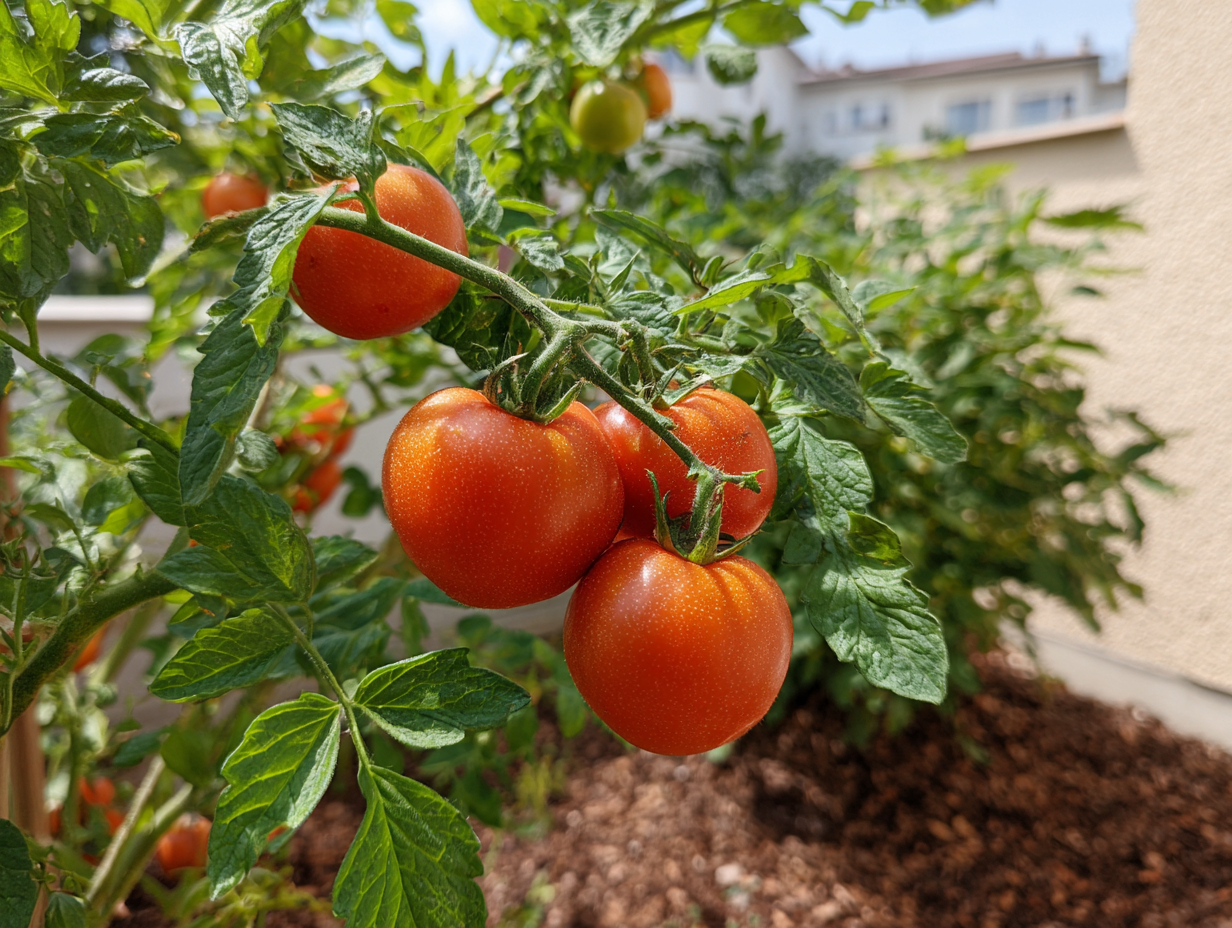
- Tomatoes (especially heat-tolerant varieties like ‘Heatmaster’ or ‘Solar Fire’)
- Peppers (bell, jalapeño, banana)
- Okra (excellent for hot, humid conditions)
- Sweet potatoes (ideal for sandy coastal soil)
- Squash and zucchini
- Cucumbers (choose mildew-resistant varieties)
- Beans (both bush and pole varieties)
In Southeastern North Carolina, sandy soil drains quickly, which is great for root crops like sweet potatoes but requires more frequent watering and soil amendment for nutrient retention.
Flowers That Thrive in Heat and Humidity
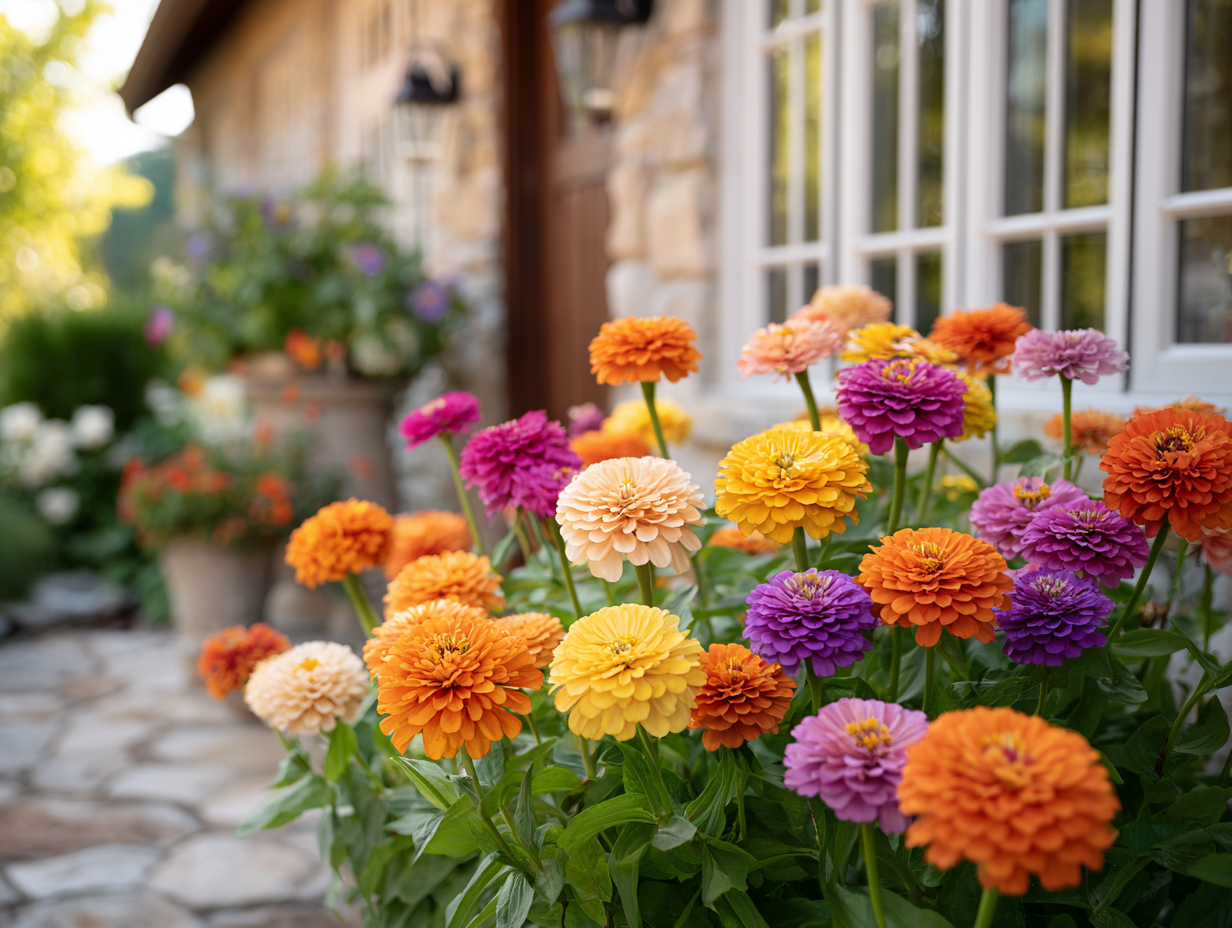
- Zinnias (low maintenance and highly heat-tolerant)
- Marigolds (help deter pests naturally)
- Cosmos (excellent for pollinators)
- Sunflowers (fast-growing and visually impactful)
- Vinca (periwinkle) — one of the best performers in coastal heat
Choosing plants adapted to humidity reduces disease pressure and keeps your garden looking strong through the summer.
How Should You Water Your Garden in Coastal NC Heat?
Water management is one of the biggest challenges in Wilmington-area gardens. Sandy soil drains quickly, and high temperatures increase evaporation.
Best Watering Practices
- Water deeply 2–3 times per week instead of shallow daily watering
- Early morning watering reduces evaporation and fungal issues
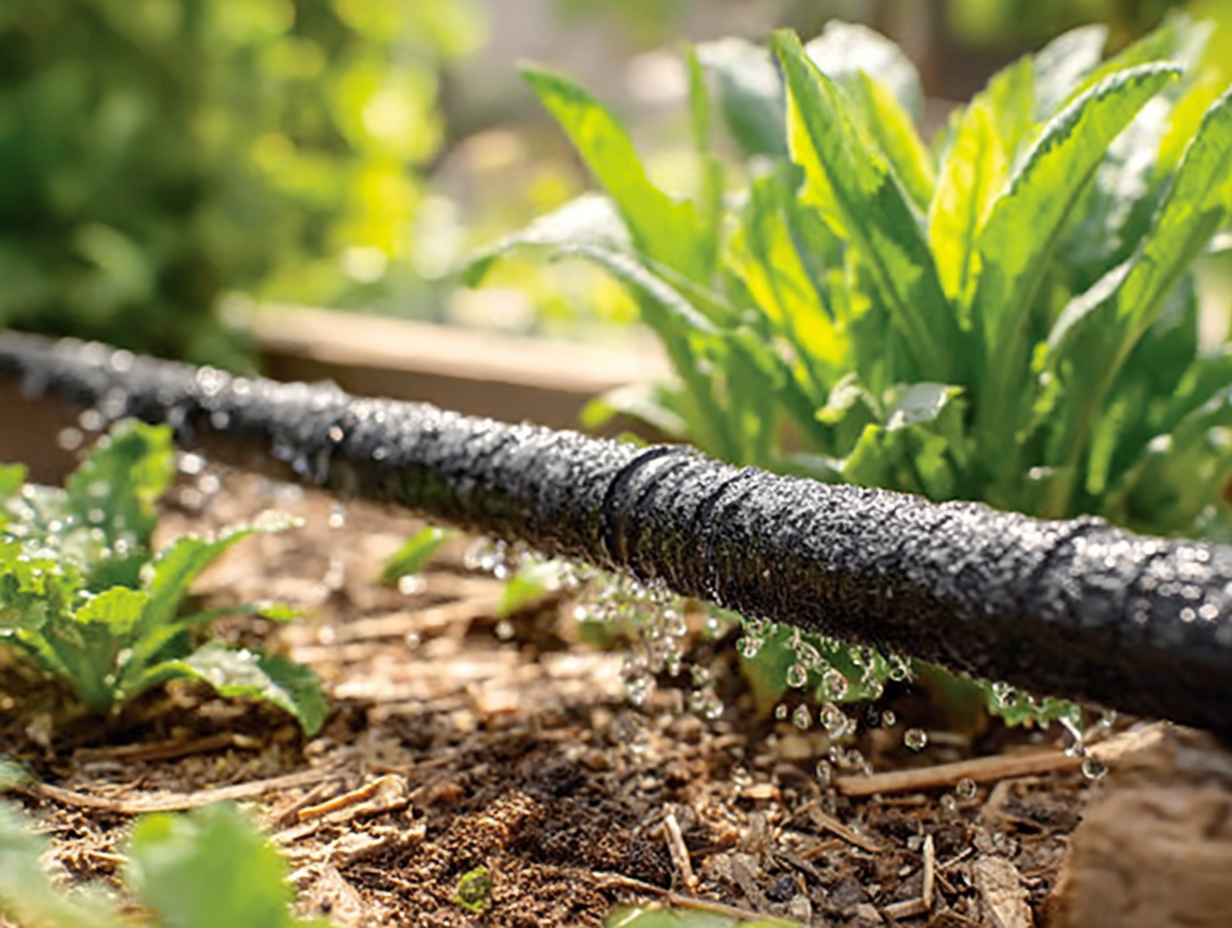
- Use drip irrigation or soaker hoses to target roots directly
- Avoid watering leaves in the evening to prevent disease
Many homeowners underestimate how quickly moisture disappears in coastal soil. A consistent watering strategy helps prevent stress, which can lead to reduced yields and weaker plants.
Why Is Mulching Essential in May and June?
Mulch is one of the most effective tools for coastal gardening. It helps regulate soil temperature, retain moisture, and suppress weeds.
Benefits of Mulching
- Reduces watering needs by slowing evaporation
- Prevents soil from overheating in direct sun
- Limits weed growth, saving time and effort
- Adds organic matter as it breaks down
In Wilmington and surrounding areas, pine straw and hardwood mulch are both common choices. Pine straw is especially popular due to its availability and ability to shed water effectively during heavy coastal rains.
What Lawn Care Should You Focus on in Early Summer?
Your lawn is entering peak growing season. Proper maintenance now sets the tone for how it performs through the hottest months.
Key Lawn Care Tasks
- Mow regularly, but never remove more than one-third of the grass blade
- Keep mower blades sharp to avoid stressing the turf
- Apply a slow-release fertilizer designed for warm-season grasses
- Monitor for pests like chinch bugs and armyworms
Common grasses in coastal North Carolina include Bermuda, Zoysia, and Centipede. Each has different nutrient needs, so applying the correct fertilizer is critical.
How Do You Manage Pests and Disease in Coastal Gardens?
Heat and humidity create ideal conditions for both plant growth and pest activity. Staying proactive is the key to avoiding major problems.
Common Pests to Watch For
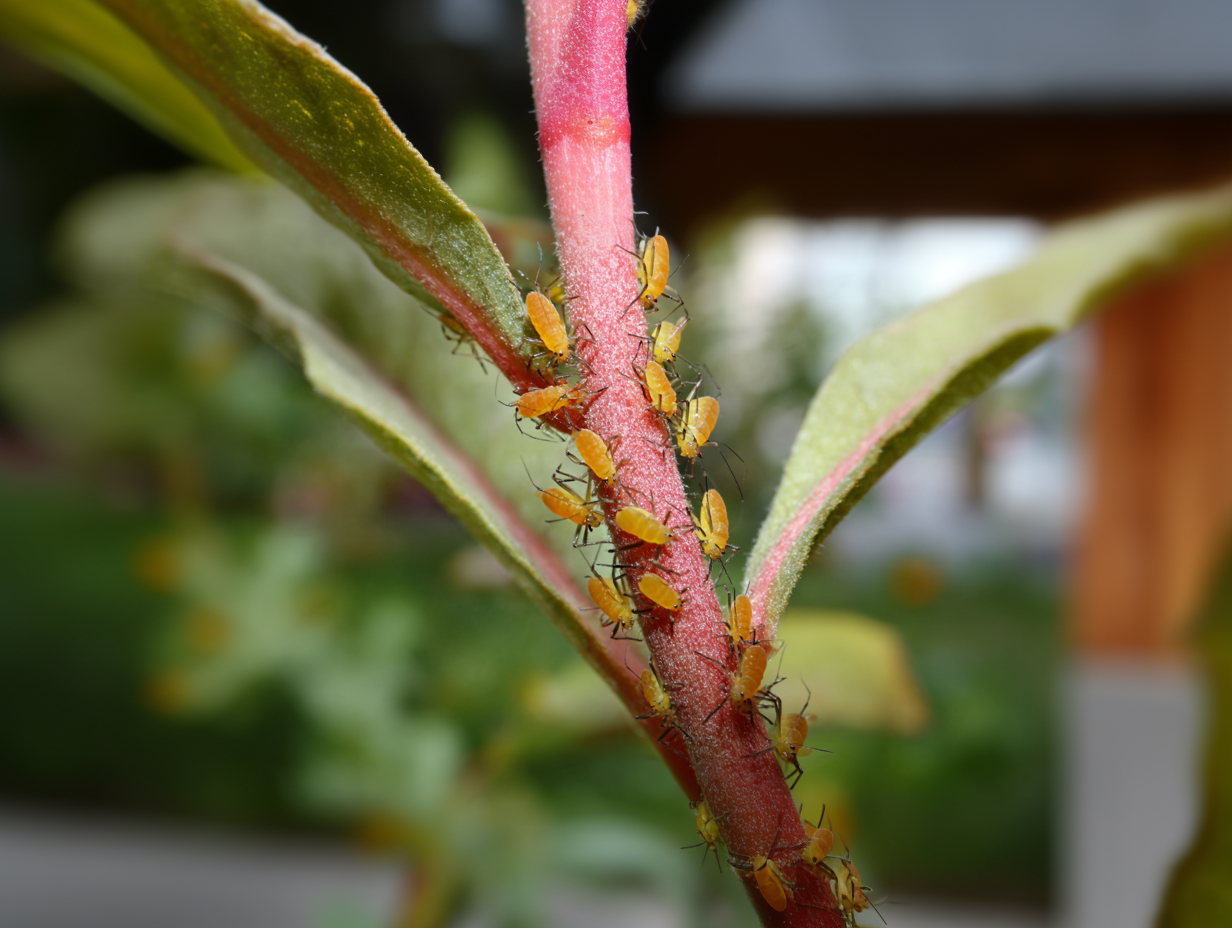
- Aphids (cluster on new growth)
- Spider mites (common in hot, dry conditions)
- Whiteflies
- Caterpillars and hornworms (especially on tomatoes)
Prevention Strategies
- Inspect plants regularly, especially undersides of leaves
- Encourage beneficial insects like ladybugs
- Use neem oil or insecticidal soap when needed
- Rotate crops to reduce disease buildup in soil
Humidity also increases fungal issues like powdery mildew and leaf spot. Proper spacing and airflow between plants can significantly reduce risk.
What Soil Improvements Should You Be Making Now?
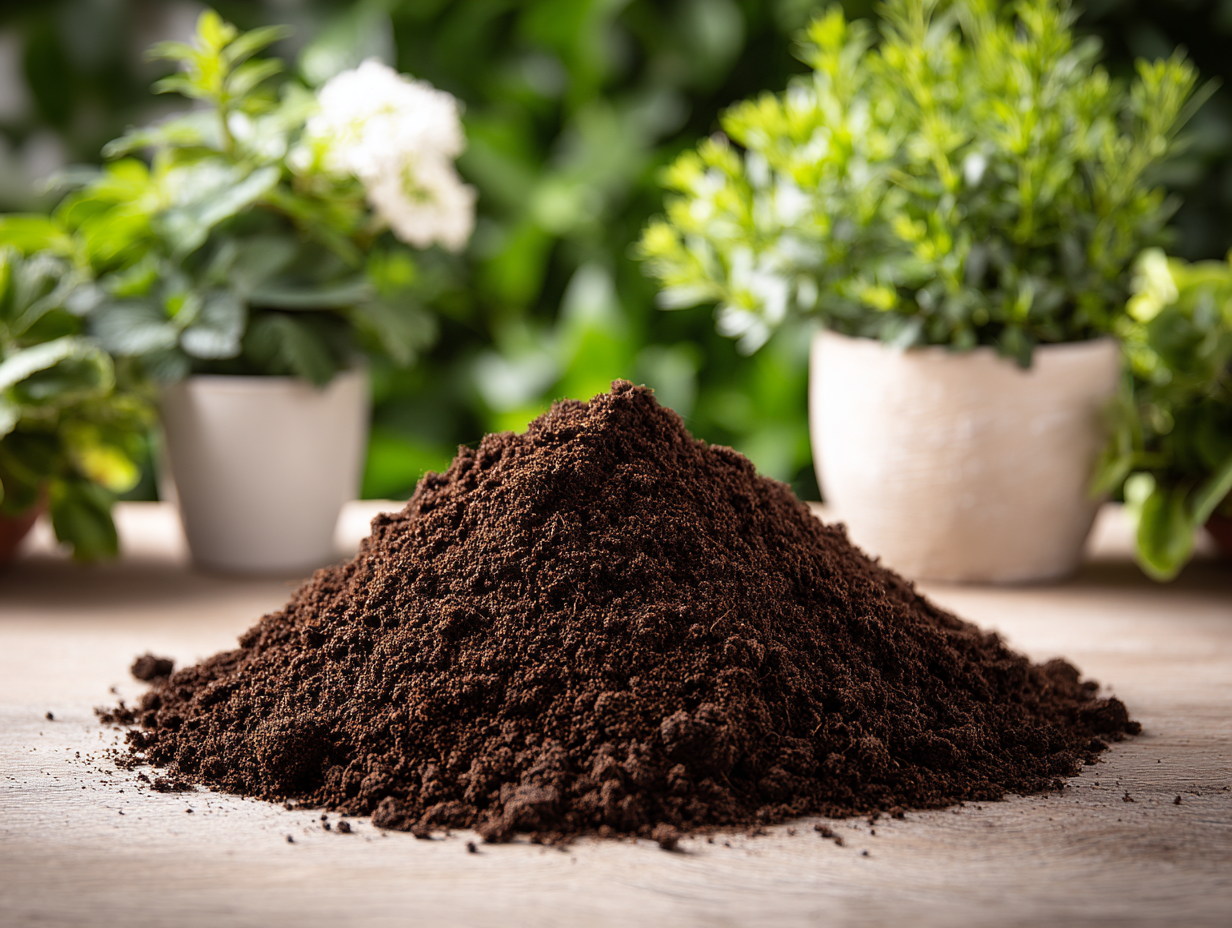
Coastal North Carolina soil is typically sandy, acidic, and low in organic matter. Improving soil quality is an ongoing process, not a one-time fix.
Ways to Improve Coastal Soil
- Add compost regularly to increase nutrient retention
- Use organic matter like aged manure or leaf mold
- Test soil pH and adjust if necessary (lime can raise pH)
- Incorporate slow-release fertilizers to prevent nutrient leaching
Healthy soil directly impacts plant performance, water efficiency, and long-term garden success.
How Does Gardening Impact Home Value in Wilmington, NC?
Landscaping plays a significant role in curb appeal and perceived home value. In a coastal market like Wilmington, outdoor spaces are often viewed as extensions of the home.
High-Impact Gardening Improvements
- Well-maintained lawns and defined garden beds
- Seasonal color from flowers and container plants
- Low-maintenance landscaping with native or adapted plants
- Functional outdoor spaces like patios or garden seating areas
Buyers often notice landscaping before they even step inside. A well-kept yard signals that the home has been maintained overall.
If you’re thinking about how outdoor improvements fit into your overall home strategy, you may also find helpful insights on living in different coastal communities and how lifestyle features influence value.
What Are Common Gardening Mistakes in Coastal North Carolina?
Even experienced gardeners can run into challenges in this region. Understanding common mistakes helps you avoid setbacks.
Frequent Mistakes to Avoid
- Overwatering shallowly instead of watering deeply
- Ignoring soil quality and relying only on fertilizer
- Planting varieties not suited for heat and humidity
- Skipping mulch during peak summer months
- Waiting too long to address pests
Coastal gardening requires adapting to the environment rather than fighting against it. Choosing the right plants and techniques makes everything easier.
When Should You Start Preparing for Late Summer and Fall?
May and June are not just about maintaining your current garden. They’re also the time to start thinking ahead.
Planning Ahead
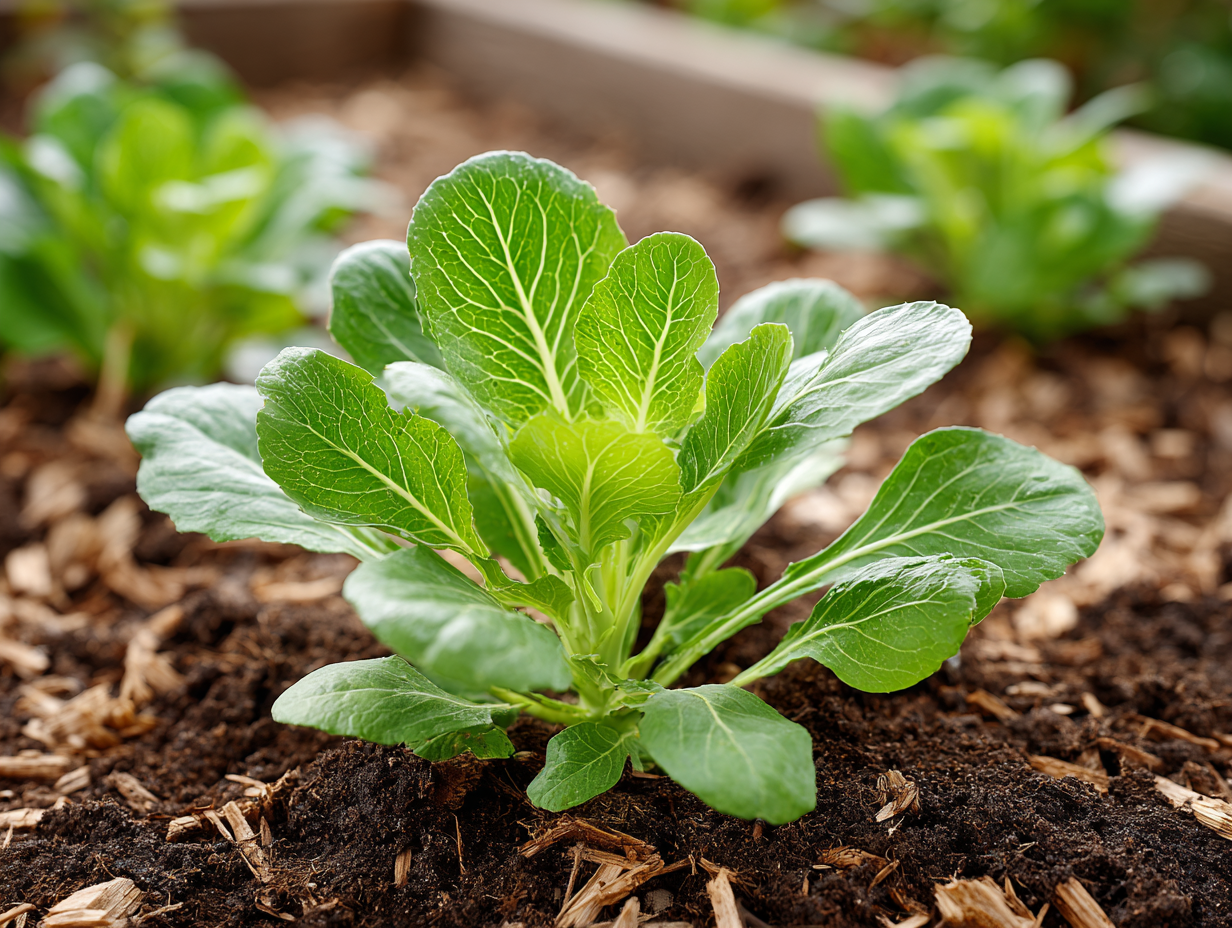
- Start seeds for fall crops like broccoli and cabbage indoors in late June
- Monitor garden performance to identify what worked well
- Continue improving soil for future planting cycles
Gardening in Southeastern North Carolina is nearly year-round. Planning ahead ensures you get the most out of every season.
F.A.Q. About Coastal NC Gardening
What does summer gardening mean for me as a Wilmington homeowner?
Summer gardening is about maintaining plant health through heat and humidity while enhancing your outdoor space. A well-kept yard improves daily enjoyment and supports long-term property appeal. Consistent care during these months prevents costly landscaping issues later.
How does gardening affect home value in coastal North Carolina?
Landscaping is one of the first things buyers notice. Clean, maintained outdoor spaces can increase perceived value and help homes sell faster. In coastal markets, outdoor living areas are especially important to buyers.
Are there unique considerations for gardening near the coast?
Yes, coastal environments bring sandy soil, salt exposure, and higher humidity. These factors require selecting the right plants, improving soil regularly, and staying ahead of pests and disease. Proper planning makes a significant difference.
When is the best time to tackle major garden improvements?
Late spring and early summer are ideal for planting and establishing growth. However, major structural landscaping projects are often easier in fall when temperatures are cooler. Maintenance during May and June sets the stage for success.
Who should I talk to if I’m unsure how landscaping impacts my home?
If you’re considering how your yard affects your home’s value or marketability, connecting with a local real estate expert can help. The Cameron Team understands what buyers look for in Wilmington and can guide you on improvements that make the most impact.
Check out this article next