
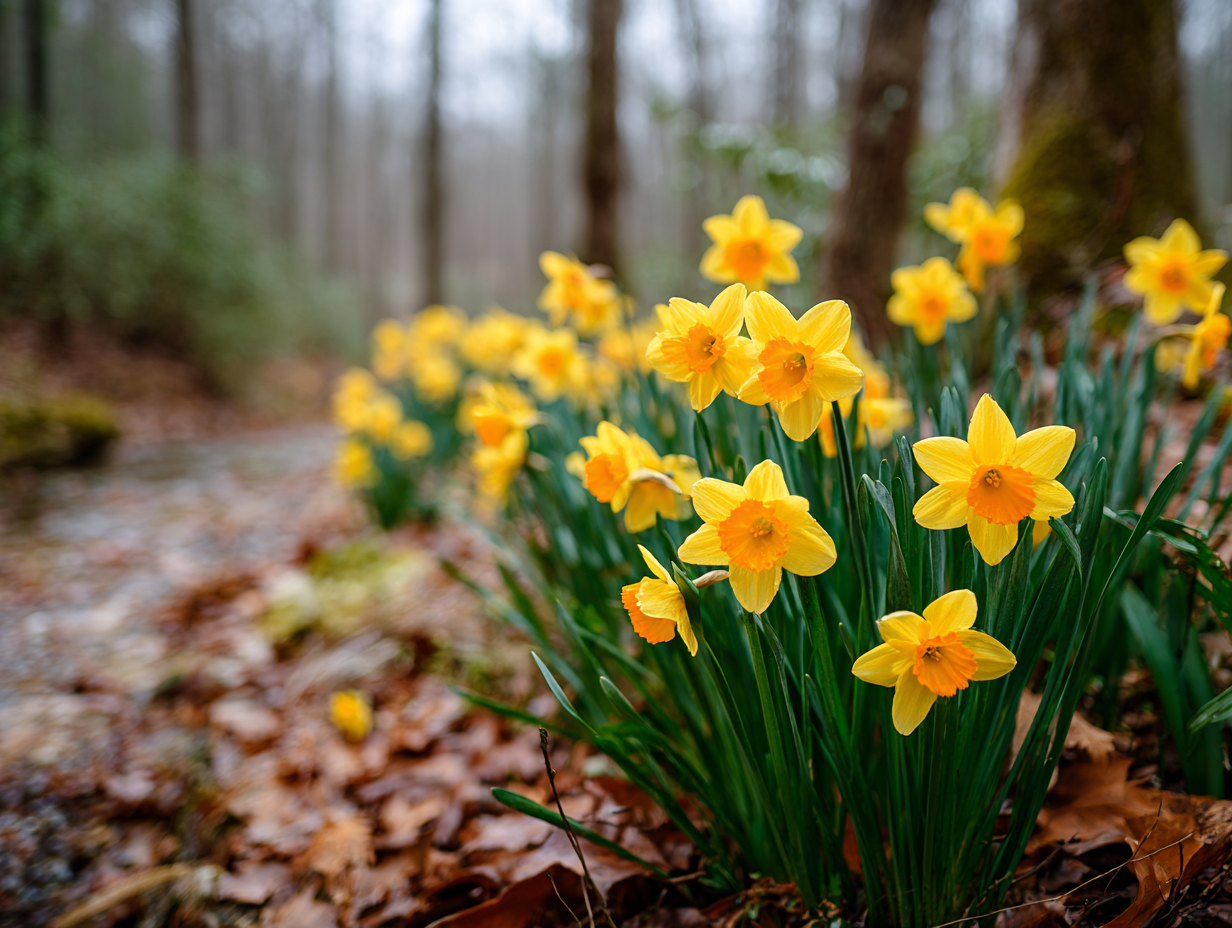
Summary: March and April are two of the most important months for gardeners in Coastal North Carolina. Warmer temperatures arrive quickly, soil becomes workable again, and many landscape tasks—like pruning, fertilizing, planting warm-season vegetables, refreshing flowerbeds, and preparing for early pests—must be done before the summer heat sets in. This guide breaks down exactly what to do, why it matters, and how Wilmington-area homeowners can keep their yards healthy heading into peak growing season.
What Should Coastal North Carolina Gardeners Focus On in Early Spring?
Because our region warms earlier than much of the country, March and April act as a bridge between winter dormancy and explosive summer growth. If you live anywhere across Wilmington, Leland, Hampstead, Topsail, or Brunswick County, you’ll notice that plants wake up fast.
That means early spring is the time to tackle foundational yard work that sets the tone for the entire growing season.
Why Early Spring Tasks Matter in the Coastal Climate
Coastal North Carolina has mild winters, long growing seasons, and humidity that encourages both rapid growth and rapid decline if upkeep is neglected. By handling soil prep, pruning, planting, and pest prevention now, you reduce the risk of plant stress once temperatures jump into the 80s and 90s.
- Our last frost dates typically fall between March 10–20 depending on location.
- Warm-season plants thrive earlier here than inland.
- Humidity leads to fast weed germination—early prep reduces competition.
- Storm season begins in June, so sturdy root systems help plants withstand high winds.
Below is a month-by-month breakdown with specific tasks tailored to the coastal environment.
What To Do in Your Garden in March
Is March a Good Time to Clean and Prepare Garden Beds?
Yes—March is ideal for clearing out winter debris and preparing your soil. The ground has warmed enough to work it safely without compacting it, and it’s early enough to prevent weed competition.
- Remove sticks, leaves, and dead foliage left from winter storms.
- Pull or smother winter weeds before they flower and reseed.
- Loosen compacted soil with a garden fork—not a tiller—to protect soil structure.
- Add compost or aged pine bark to improve drainage, which is essential for coastal soils.
What Trees and Shrubs Should Be Pruned in March?
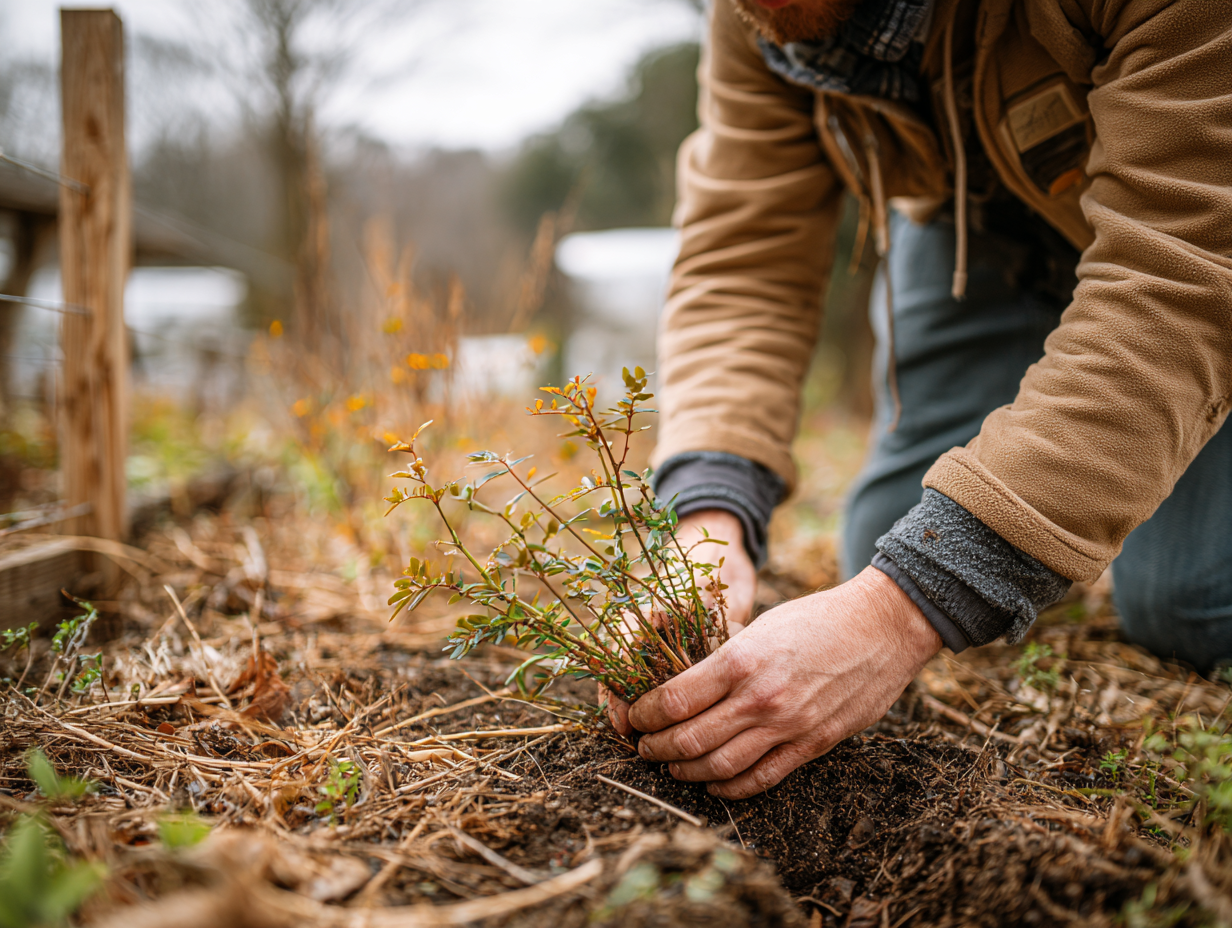
Pruning in March is safe for many landscape plants because sap flow is still moderate and new growth hasn't fully emerged. Just make sure you avoid pruning spring-flowering shrubs—they bloom on old wood.
Safe to prune in March:
- Crape myrtles (light shaping only)
- Roses
- Loropetalum (minimal shaping)
- Fruit trees such as figs and blueberries
- Non-flowering shrubs that need structural shaping
Do NOT prune in March:
- Azaleas
- Camellias
- Forsythia
- Hydrangeas (timing depends on type)
Can You Fertilize Lawns and Garden Beds in March?
March is typically too early for fertilizing lawns in Southeastern NC, but it's a great time for shrubs and perennial beds.
- Warm-season grasses (Bermuda, Zoysia, St. Augustine) should not be fertilized until late April or May.
- Shrubs, trees, and perennials benefit from slow-release fertilizer in March.
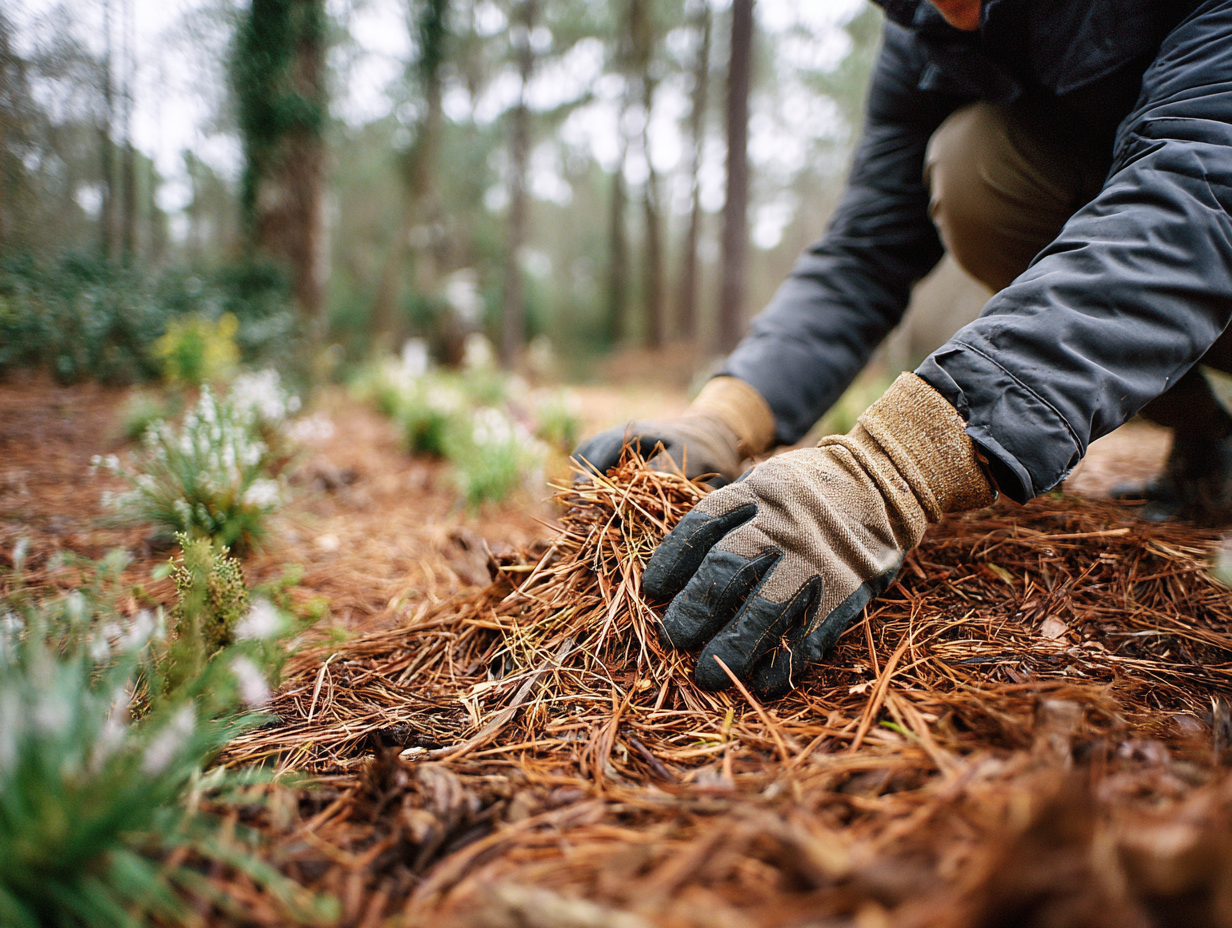
- Refresh pine straw or mulch to retain soil moisture ahead of warmer weather.
Which Vegetables Can Coastal Gardeners Plant in March?
Because our frost date is early, March is prime time for cool-season vegetables. Many crops can be planted weeks before inland NC gardeners can safely do the same.
- Lettuce
- Spinach
- Broccoli
- Kale
- Carrots
- Radishes
- Beets
- Peas
Warm-season crops like tomatoes and peppers should wait until early April unless protected with row covers.
What To Do in Your Garden in April
Is April the Right Time to Plant Warm-Season Vegetables?
Absolutely. Soil temperatures across the Wilmington region reach the mid-60s in April, creating ideal conditions for warm-season crops.
Best vegetables to plant in April:
- Tomatoes
- Peppers
- Squash
- Cucumbers
- Green beans
- Sweet potatoes (late April)
Mulch helps maintain consistent soil temperatures and suppress early-season weeds.
Should You Fertilize Your Lawn in April?
Late April is the sweet spot for warm-season lawn fertilization in Coastal NC. By this point, grasses have fully emerged from dormancy and can safely absorb nutrients.
- Use a slow-release nitrogen fertilizer for steady growth.
- Check irrigation settings to ensure consistent soil moisture.
- Apply pre-emergent herbicides early in the month to minimize summer weeds.

Is April a Good Time to Plant Annual Flowers?
Yes—April is peak planting time for heat-tolerant annuals that thrive in our long, warm seasons.
Top annuals for Southeastern NC:
- Petunias
- Marigolds
- Impatiens
- Caladiums
- Zinnias
- Lantana
- Begonias
What About Perennials and Shrubs?
April is one of the best planting months of the year because mild temperatures promote strong root development.
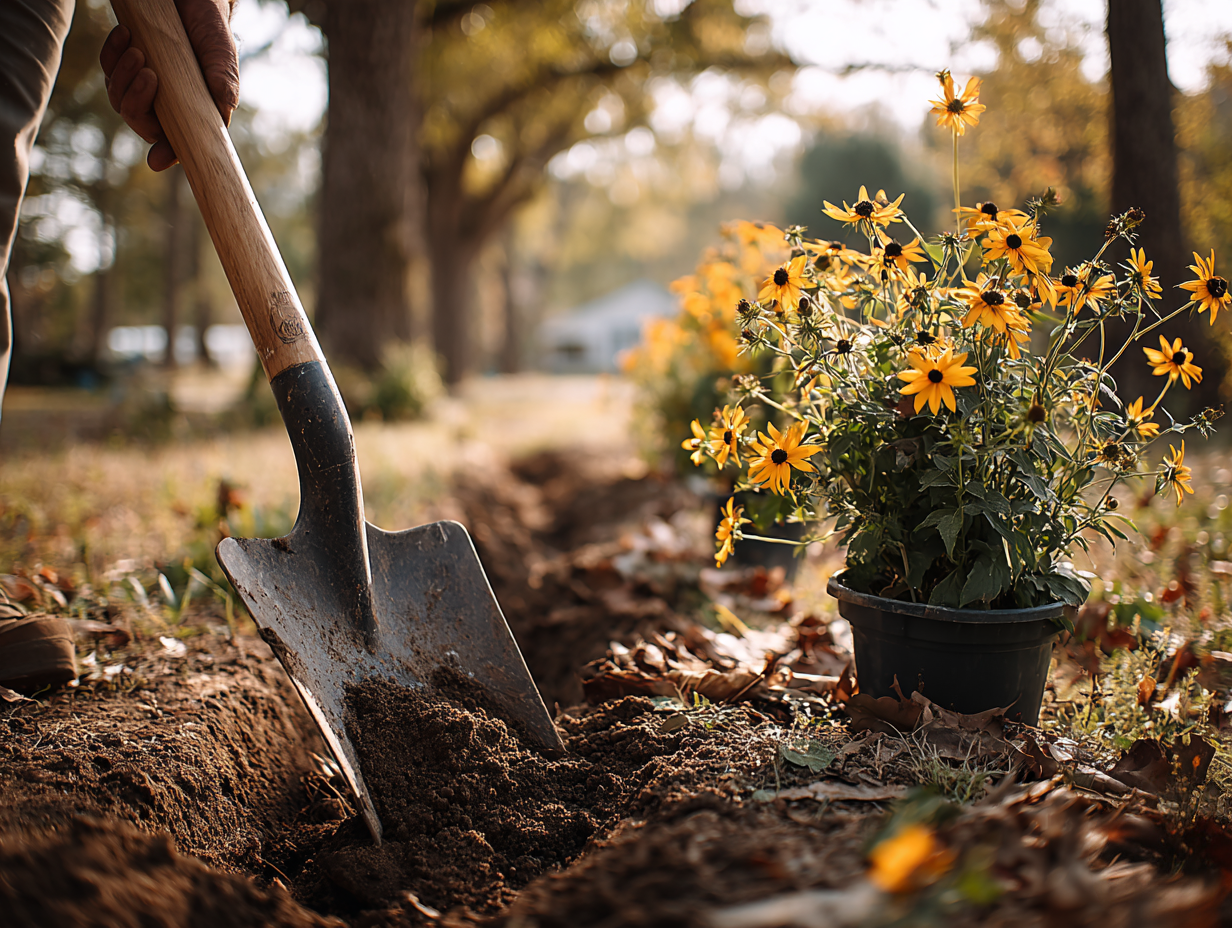
- Plant hardy perennials such as coneflower, black-eyed Susan, salvia, and daylily.
- Coastal shrubs like wax myrtle, yaupon holly, and Indian hawthorn adapt well when planted now.
- Water consistently during the first four to six weeks after planting.
Should You Watch for Pests This Time of Year?
Yes—April marks the beginning of increased pest activity. Humidity encourages aphids, scale, whiteflies, and mosquitoes.
- Inspect new foliage weekly for sticky residue or distorted leaves.
- Treat early infestations with insecticidal soap or neem oil.
- Eliminate standing water to reduce mosquito activity.
- Watch for early fungal issues as temperatures rise.
How Do These Tasks Help Wilmington Homeowners Long-Term?
Regular spring garden maintenance supports strong plant health, improves storm resilience, and boosts long-term curb appeal. Whether you’re staying in your home or preparing for a future listing, healthy landscaping helps reinforce the overall condition of the property. Coastal buyers often appreciate mature, well-tended yards because they indicate consistent care and lower future maintenance needs.
Frequently Asked Questions
Question 1: What does spring garden preparation mean for me as a Wilmington homeowner?
Spring prep involves clearing beds, pruning appropriate plants, improving soil structure, and preparing for warm-season growth. Because the Wilmington area warms earlier than inland regions, plants awaken quickly and need support. Early action ensures healthier growth, fewer pests, and greater curb appeal. It sets the foundation for a thriving landscape all year.
Question 2: How does proper spring gardening affect home value in Coastal NC?
Well-maintained landscaping contributes to perceived and actual value by signaling overall property care. Coastal buyers often appreciate landscapes that look healthy, resilient, and thoughtfully maintained. Healthy lawns and beds also reduce the need for future repairs and enhance first impressions during showings. Strong curb appeal plays a major role in how buyers view the rest of the home.
Question 3: Are there unique insurance or inspection considerations related to landscaping in our region?
Yes. Because Coastal NC faces high winds and heavy rain, inspectors and insurers often look at tree placement, root stability, and vegetation clearance around the home. Proper spacing and routine pruning help reduce storm-related risks. Good drainage is also important, and healthy landscaping can improve water flow around the property.
Question 4: When is the best time to address major planting or yard updates?
March and April are the ideal months for most planting, soil improvements, and foundation pruning projects. Larger landscape redesigns should begin no later than early May to avoid heat stress. After that, plants may struggle to establish roots as temperatures climb. Early-season work gives your garden the strongest start.
Question 5: Who should I talk to if I’m unsure how to manage spring garden tasks?
If you’re uncertain about timing, plant choices, or maintenance steps, reach out to a trusted local expert. The Cameron Team has decades of experience living and working in Southeastern NC and can connect you with reputable landscapers, garden professionals, and resources. Whether you’re maintaining your long-term home or preparing it for the market, we’re happy to help.
Check out this article next