
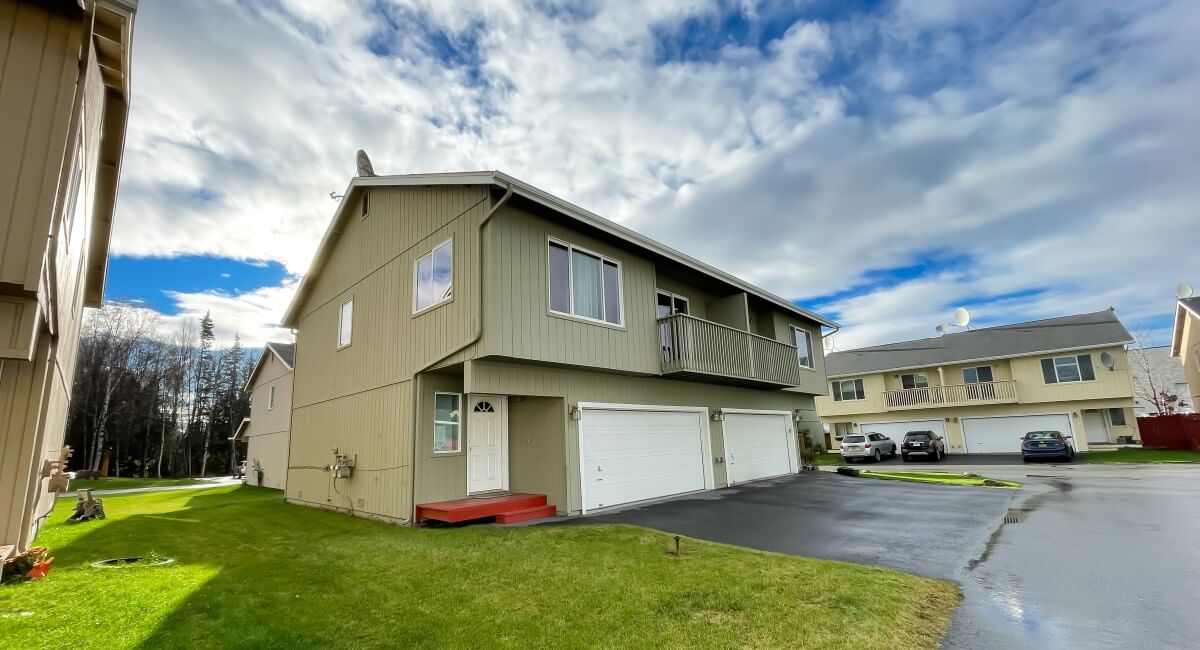
A driveway that’s shared between multiple homes can raise questions about property ownership, usage rights, and maintenance responsibilities. While there are some benefits to shared driveways, they can also become complicated legal matters.
If you’re interested in buying a house with a shared driveway, you should understand how they work, the common pitfalls homeowners experience, and how to gather more information before you make an offer.
How Shared Driveways Work
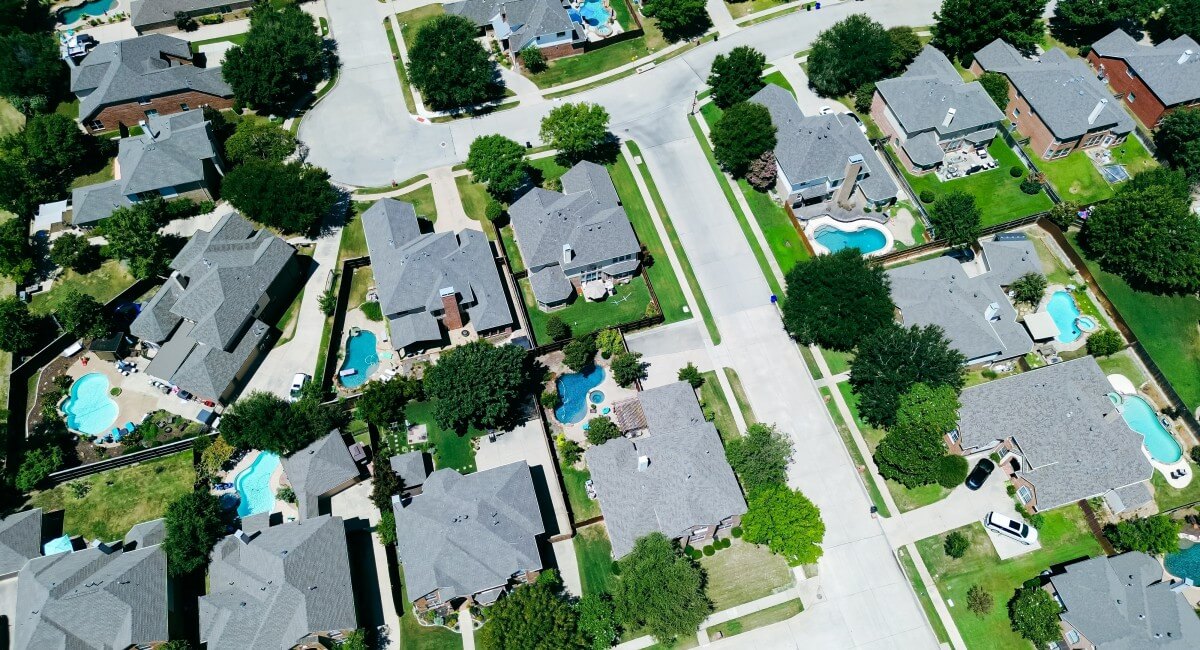
Shared driveways are used by two or more homeowners to access their individual properties. The legal agreement between the homeowners can vary.
Sometimes, a shared driveway is jointly owned by both homeowners. The property line runs down the middle of the driveway, and each ho
meowner is legally responsible for their half while granting the other homeowner access to the full driveway.
More commonly, though, a driveway is shared through an easement. One homeowner owns the driveway, and the easement allows the other homeowner to use it. Driveway easements usually “run with the land,” which means they stay in effect even when the homes have a change in ownership.
The agreement should be signed and filed with the town office. Ideally, this contract will include all the necessary information about who owns the driveway, who can use it and for what purposes, and who is responsible for the driveway’s upkeep. When easements are vague, outdated, or incomplete, they commonly lead to disputes between neighbors.
Shared driveways are common in rural areas, older communities, and duplexes. They serve a valuable purpose because they grant access to land that otherwise may not be usable.
Shared Driveway Risks
Although shared driveways have some benefits, they also come with their fair share of risks. Here are a few potential drawbacks to consider if you’re looking at a house with a shared driveway:
Less Control
If you’re not the full, sole owner of your driveway, you also don’t have full control over maintenance or improvements. While it can be nice to split the cost of repairs to the driveway, you and your neighbor may not always agree on what work needs to be done. You might be ready to repave the driveway, but your neighbor could feel differently.

Disputes With Neighbors
Any shared land creates the potential for neighborhood disputes. With a shared driveway, you and your neighbor could disagree on how maintenance costs are split, who can use the driveway, or how the driveway can be used. One neighbor can also allege that the other is doing excessive damage to the driveway.
If properly written and recorded, the easement should help to clear up most disputes. However, neighbors often run into problems when the easement uses vague language or doesn’t address topics like maintenance and repair costs.
Mortgage and Insurance Challenges
Any easement on your property can create issues during the title search. Your mortgage lender and your insurance provider need to know who can access your land and for what purposes, and you won’t be able to close on your home until the title company has uncovered all of this information.
This means that your closing could get delayed if the title company has trouble tracking down the written agreement or if there are multiple agreements with conflicting terms.
Resale Complications
Because of all the risks associated with shared driveways, you may have a harder time selling your home in the future. Be prepared for the house to sit on the market for longer than average or to have to make some concessions. You can smooth out the process by offering information up-front about the shared driveway and providing the current agreement to prospective buyers.
What to Do Before Buying a House With a Shared Driveway
A shared driveway doesn’t have to be a deal-breaker, but you should proceed with caution. The following are four steps you should take before closing on a property with a shared driveway:
Ask Questions
The first thing you should do when viewing a house with a shared driveway is ask the listing agent as many questions as you possibly can. The information you gather during the showing can help you decide whether or not to make an offer on the home. If the agent doesn’t have the answers, ask them to follow up with you.
Here are some of the most important questions to ask:
- Who owns the driveway?
- Who is allowed to use the driveway?
- Are there restrictions on what vehicles can be parked in the driveway?
- Is there a recorded easement?
- How are the repair and maintenance costs divided?
- Who is responsible for handling maintenance?
- Who handles snow removal?
Inspect the Driveway
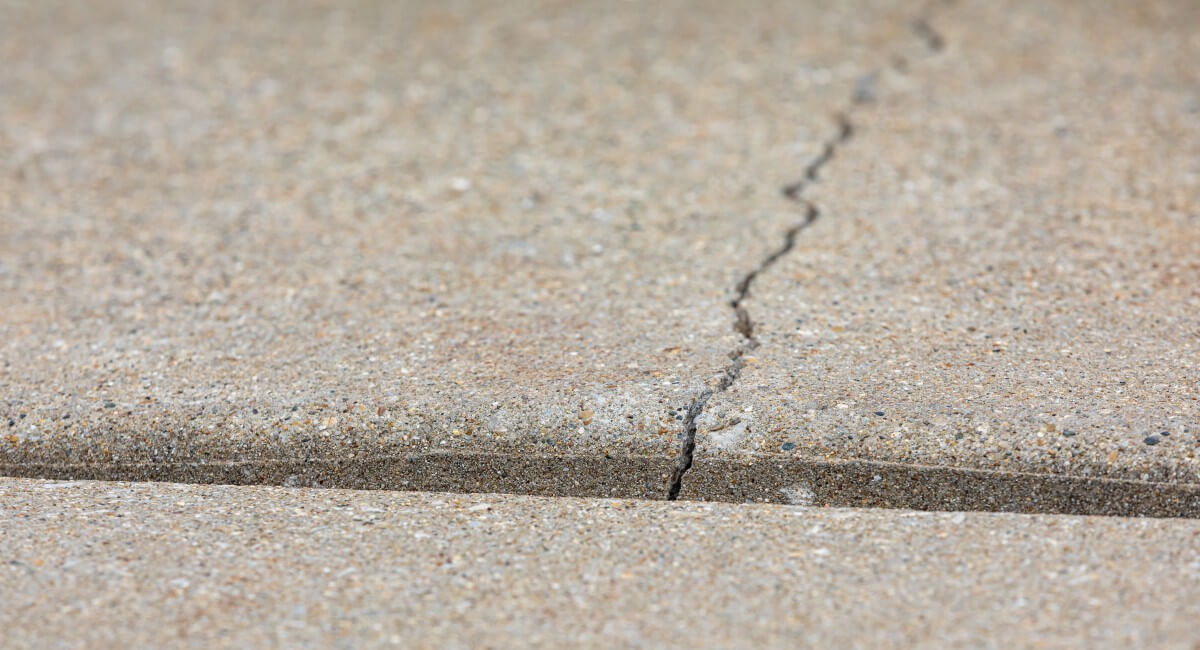
Look closely at the driveway during the showing to assess its condition. If the driveway is in disrepair, know that you may need to fight with the neighbors to get it fixed.
Also, keep in mind that you don’t have full control over making improvements to the driveway. If the driveway is dirt, for instance, you and your neighbor may have to agree to pave it. If the driveway is very narrow and you drive a large vehicle, you might have to negotiate with your neighbor to widen it.

Get a Property Survey
Your mortgage company will order a title search, which should reveal any easements or rights of way on the land. However, a property survey can give you an extra level of knowledge and security as you prepare to close on the house.
The property survey provides a detailed map of the physical boundaries of the land. When dealing with something as important as a driveway, it can be very useful to know exactly where ownership starts and stops. Even if you don’t need this information now, it can come in handy in the future if you have a dispute with your neighbor.

Meet the Neighbors
It’s always a good idea to meet the neighbors when looking at a house, but it’s especially important when dealing with shared land. If the neighbors seem friendly and collaborative, you may feel more at ease making an offer on the home.
Keep in mind, though, that driveway easements usually run with the land. Your neighbors could move out, and you never know who the next homeowners will be.
Should You Buy a House With a Shared Driveway?
A shared driveway can be a headache for homeowners, but it doesn’t have to turn you away from your dream home. What’s most important is that the ownership is documented in a legally binding agreement. This information should be discovered during the title search and property survey. If you have any questions or concerns about purchasing a house with a shared driveway, consult with a trusted real estate attorney or agent.