
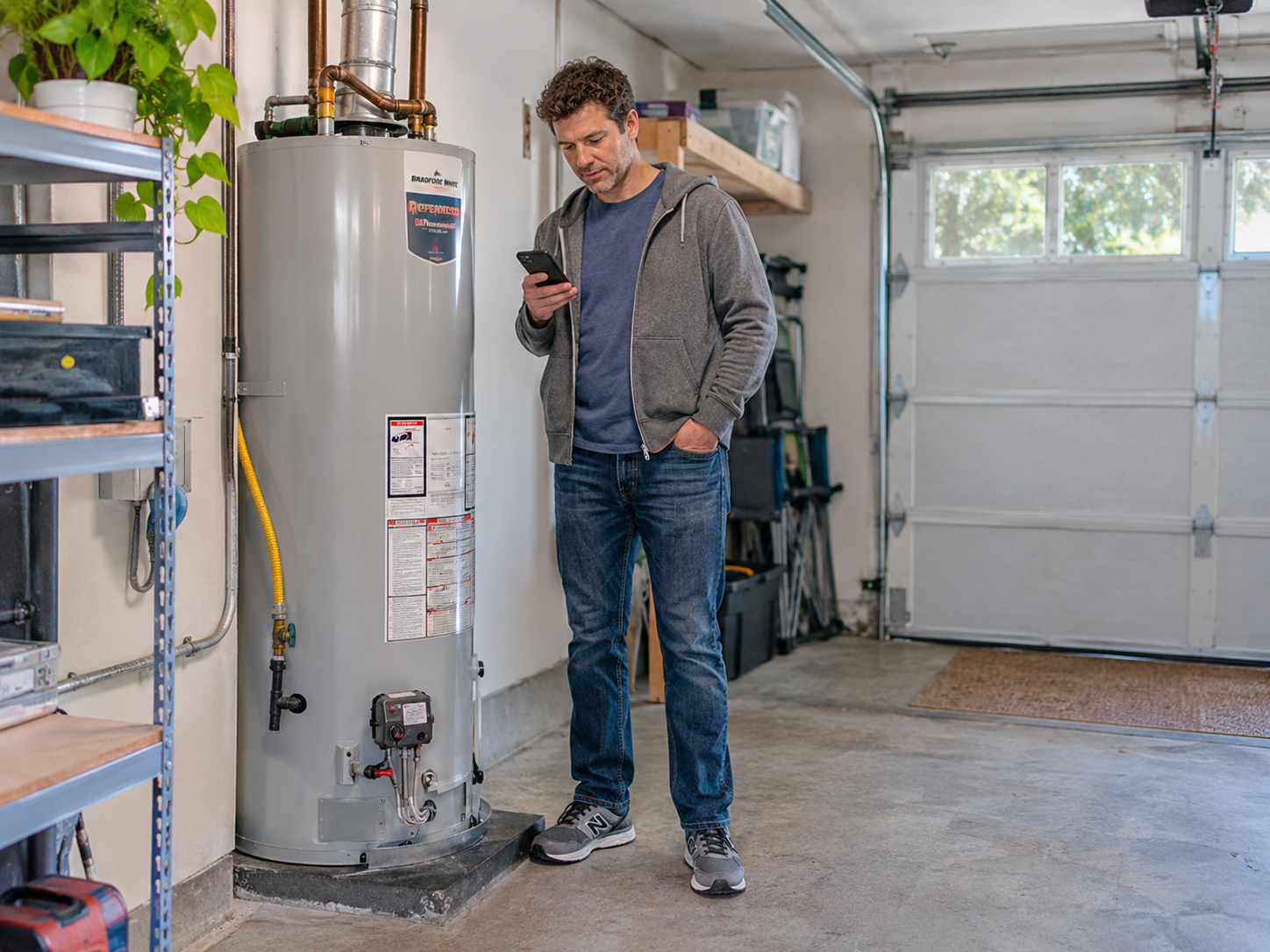
I'll be honest: when I first saw the headline about a water heater that mines bitcoin, I did a double-take. It sounds like something from a late-night infomercial. But the concept is real, and enough homeowners around Wilmington have asked me about it that I figured it was worth sitting down and actually working through what it means for people like us.
So here's my honest take, as someone who spends a lot of time thinking about what makes a home work better and hold its value over time.
A quick note before we dive in: Bitwater is still in preorder as of November 2026, with first units expected to ship in Q1 2027. Everything below reflects Heatbit's published claims. No independent performance data exists yet.
Key Takeaways
Bitwater is a device from a company called Heatbit that swaps out the lower heating element in a compatible electric water heater with bitcoin-mining chips. Those chips produce heat as they work, and that heat warms your water.
Heatbit advertises potential earnings of around $30 per month in bitcoin, with a preorder price of $949 plus installation. At that rate, you're looking at roughly 2.5 years just to break even, before taxes, fees, or any shifts in bitcoin's value.
It does not reduce how much electricity you use. It's not an efficiency upgrade. It reuses electricity already going toward hot water and returns some cryptocurrency in exchange.
It only fits compatible 30 to 80-gallon electric storage tanks with a standard screw-in element port. Gas heaters, tankless systems, and heat-pump models are out.
Local permit rules in New Hanover and Brunswick counties are worth checking before you order. This isn't a standard water heater swap, and the classification isn't automatic.
If lowering your electric bill is the actual goal, a heat-pump water heater is a more proven option. North Carolina currently offers income-qualified rebates up to $1,750 for qualifying installations.
Interesting idea. Not yet a proven upgrade for most households.
What Is Bitwater and How Does It Work?
Your electric water heater heats water using a resistance element, basically a metal coil that converts electricity into heat. Bitwater replaces the lower one with computer chips that do two things at once: they process the math behind bitcoin mining and give off heat while doing it. That heat warms your tank, and the water cools the chips.
The upper element stays in place as a backup for heavier demand, which is reassuring if you have a full house or a family that runs back-to-back showers on school mornings.
According to Heatbit, the device runs at around 400 to 600 watts and mines at up to 34 terahashes per second (a measure of computing speed). It stops mining once your water hits the target temperature, so it's not constantly running. The company estimates it operates about 80% of the time, though that number depends entirely on how much hot water your household actually uses and hasn't been verified independently.
One thing worth understanding: bitcoin can be mined solo, where payouts are unpredictable, or through a pool, where earnings are steadier but come with a small fee. That advertised $30 per month assumes conditions that shift constantly, based on bitcoin's price, how many other miners are competing worldwide, and how often your device actually runs.

Can Bitwater Lower Your Water-Heating Costs?
Here's where I'd encourage you to slow down a little, because this is where the pitch can start to feel shinier than the reality.
Bitwater doesn't save electricity. What it does is give you something back for electricity you were already spending. That's worth understanding before you get too excited.
Here's a rough picture of the math. A 600-watt device running 12 hours a day for 30 days uses about 216 kWh. At North Carolina's average rate of around $0.15 per kWh, that's roughly $32 in electricity for that portion alone. The advertised $30 in monthly bitcoin would essentially offset that cost, if mining conditions cooperate. And that's a pretty big "if."
Before deciding, it helps to think through the full picture:
Device cost: $949 at preorder
Installation: Get a local quote before assuming it's cheap
Pool fees: Typically 1 to 3% of earnings if you go that route
Taxes: The IRS treats mining income as taxable at fair market value when received
Break-even timeline: Around 32 months at $30/month, before fees and taxes
Bitcoin volatility: What earns $30 this month might earn $10 next month
None of that makes it a bad idea for the right person. But the people most likely to be happy with Bitwater are the ones who go in with realistic expectations, not the ones chasing a utility bill miracle.
Will Bitwater Work With Your Existing Water Heater?
Before anything else, check your tank. Bitwater is designed for electric storage water heaters with a standard 1-inch NPSM screw-in element port, in sizes from 30 to 80 gallons. Gas heaters, tankless systems, and heat-pump models don't apply here.
If you have an electric tank and want to know whether it's worth retrofitting, here's what I'd think through first:
Tank age and condition: If your water heater is already aging or has visible rust or sediment issues, putting a $949 device on it is poor math. The tank may not outlast the payback period.
Lower element access: The lower element needs to be physically reachable for the swap to work.
Nearby power outlet: Bitwater needs a grounded outlet close by and a reliable Wi-Fi connection for its app controls.
Peak demand: The device heats water more gradually than a standard element. For a household with heavy morning demand, the upper backup element carries that load, but it's worth thinking through how your household actually uses hot water.
Manufacturer warranty: Adding a third-party component to your tank may void the existing warranty. Get that in writing before you do anything.
What Should Wilmington-Area Homeowners Verify First?
This is the part I especially want local homeowners to pay attention to, because the details matter here in ways that don't always get mentioned in the national coverage.
Permit rules vary by county, and a component retrofit like this doesn't fall neatly into the standard "water heater replacement" box. New Hanover County treats licensed replacements as exempt from permits under certain conditions, but new electrical outlets require their own permit. Brunswick County's conditional exemption applies when there's no change in energy source, location, or input, and when a licensed plumber does the work. Because Bitwater changes the element itself and adds electronics and networking, neither exemption automatically covers this. Check with your county inspections office before you order.
A few other things specific to our area:
Humidity and electronics: We live in a coastal climate. A device with chips, sensors, and controls installed in a garage or utility closet here faces more moisture exposure than it would in, say, Raleigh. That doesn't make it a dealbreaker, but it's a real variable.
Vacation and seasonal homes: If you own a place at Oak Island or Carolina Beach that sits empty part of the year, the device mines less when hot water isn't being used. The economics shift accordingly.
Resale: Future buyers may not know what Bitwater is or how to evaluate it. A conventional water-heating setup is a known quantity. This isn't, at least not yet.
My honest advice: before ordering, talk to a licensed local plumber or electrician. Ask if they'd install it, what certification mark they'd want to see, and whether the county has weighed in on how to classify the work.
Is Bitwater Worth It Compared With a Heat-Pump Water Heater?
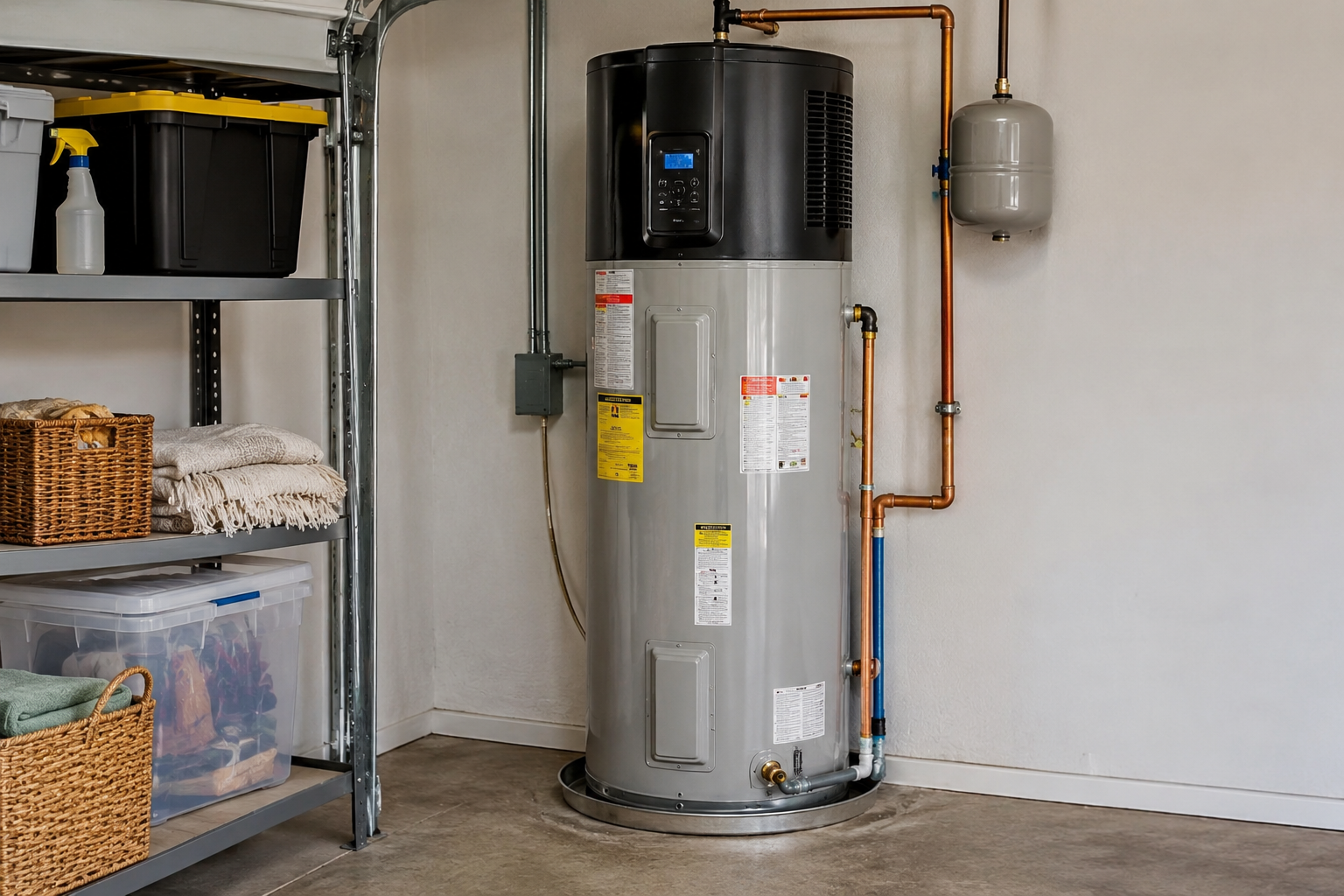
If what you really want is a lower electric bill, a heat-pump water heater is the more direct path. These systems pull heat from the surrounding air and transfer it into the tank, rather than generating heat from scratch. ENERGY STAR estimates they can save a four-person household roughly $550 per year compared with a standard electric model.
Here's how they compare side by side:
Factor | Bitwater | Heat-Pump Water Heater |
|---|---|---|
Upfront cost | $949 plus installation | Full replacement; get local quotes |
Primary benefit | Variable bitcoin earnings | Lower electricity use |
Works in coastal humidity | Electronics need consideration | Yes; can help dehumidify the space |
Noise | Heatbit claims fanless | Compressor runs; some models are quieter |
NC incentives | None currently | Up to $1,750 for qualifying households |
Independent data | None yet | Widely available |
Requires new tank | No, if your current tank qualifies | Yes |
One thing worth knowing locally: heat-pump water heaters pull a bit of cooling and dehumidification from the surrounding air while they work. In a Wilmington garage or utility room, that's actually a nice side effect, as long as the space has enough room (usually 450 to 700 cubic feet depending on the model).
The federal Section 25C tax credit for heat-pump water heaters ended December 31, 2025, so that option is gone. However, North Carolina's Energy Saver program still has income-qualified rebates worth checking at nc.gov.
The bottom line: Bitwater and heat-pump water heaters are solving different problems. Bitwater suits someone with a working electric tank who's comfortable with crypto and wants to try something new. A heat-pump model suits someone who wants to spend less on energy and has the right installation space for it. Neither fits every situation, and the right answer almost always depends on the specifics of your home.
If you're weighing a home improvement decision and want to think through what tends to matter to buyers in our market, feel free to reach out at thecameronteam.net. That's exactly the kind of conversation I'm glad to have.
Check out this article next